
 Worksheets
Car Theory
Total questions: 91
Worksheet time: 46mins
What should you do before making a U-turn?
Give an arm signal as well as using your indicators
Check road markings to see that U-turns are permitted
Look over your shoulder for a final check
Select a higher gear
What should you do as you approach a bridge?
Move to the right
Slow down
Change gear
Keep to 30mph
Where should you ovoid overtaking?
Just after a bend
in a one way street
On a 30mph road
Approaching a dip in the road
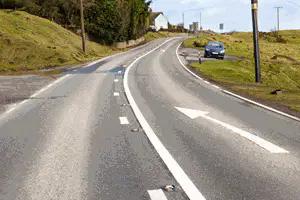
What does a curved arrow road marking mean?
Heavy vehicles should take the next road on the left to avoid weight limit
The road ahead bends to the left
Overtaking traffic should move back to the left
The road ahead has a camber to the left
What should you do if your mobile phone rings while you're driving or riding?
Stop immediately
Leave it until you have stopped in a safe place
Answer it immediately
Pull up on the nearest kerb
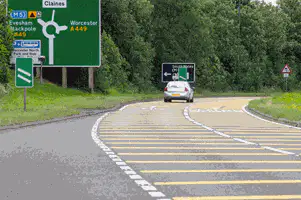
Why are there yellow markings painted across the road?
To help choose the correct
To help you keep the correct separation distance
To make you aware of your speed
To tell you the distance to the roundabout
What should you do when you're approaching traffic lights have been green for some time?
Accelerate hard
Maintain your speed
Be ready to stop
Brake hard
What should you do before slowing down or stopping your vehicles?
Sound the horn
Use the mirrors
Select a higher gear
Flash the headlights
You're following a large vehicle. Why is it important that you stay a safe distance behind it?
You'll be able to turn the corner more quickly
You'll help the large vehicle to stop more easily
You'll give the driver a chance to see you in their mirrors
You'll keep out the wind better
Why should you use your mirrors when you see a hazard ahead?
Because you'll need to accerlate out of danger
To access how your actions will affect the traffic behind
Because you'll need to brake sharply and stop
To check what's happening on the road ahead
You're waiting to turn right at the end of the road. What should you do if your view is obstructed by parked vehicles?
Stop and then move forward slowly and carefully for a clear view
Move quickly to where you can see so you only block traffic from one direction
Wait for a pedestrian to let you know when it is safe to emerge
Turn your vehicle around immediately and find another junction
There are objects hanging from your interior mirror. Why can this be a hazard?
Your view could be obstructed
Your sun visor might get tangled
Your radio reception might be affected
Your windscreen could mist up more easily
You're on a long motorway journey. What should you do if you start to get tired and sleepy?
Play some loud music
Stop on the hard shoulder for a rest
Drive faster to complete your journey quicker
Leave the motorway and stop in a safe place
Why should you switch your headlights on when it first starts to get dark?
To make your dials easier to see
So others can see you more easily
So that you can blend in with the other drivers
Because the street lights are lit
Whats most likey to distract you while you are driving?
Using a mobile phone
Using the windscreen wipers
Using the demisters
Using the mirrors
You're driving your car. When may you use a hand-held mobile phone?
When you are recieving a call
When your car has automatic transmission
When you've parked safely
When you are driving less than 30 mph
You are driving on a wet road. What should you do if you have to stop in an emergency?
Apply the parking brake and the foot brake together
Give an arm signal
Select reverse gear
Keep both hands on the steering wheel
What should you do when you move off from behind a parked car?
Give a signal after moving off
Look around before moving off
Look around after moving off
Use exterior mirrors only

You're travelling along this road. How should you pass the cyclist?
Sound your horn as you go past
Keep close to them as you pass
Leave plenty of room as you pass
Change down one gear before you pass
When do windscreen pillars cause a serious obstruction to your view?
When you are driving on the motorway
When you are driving on a dual-carriageway
When you are approaching a one-way street
When you are approaching bends and junctions
What should you do if you can't see clearly behind when you are reversing?
Open the window to look behind
Open the door to look behind
Look in the nearside mirror
Ask someone to guide you
What does the term 'blind spot' mean?
An area not visible to the driver
An area covered by the left-hand mirror
An area covered by the right-hand mirror
An area covered by the headlights
WHat's likely to happen if you use your hand-free phone while you're driving?
It will improve your saftey
It will divert your attention
It will reduce your view
It will increase your concentration
You're turning right into a dual-carriage way. What should you do before emerging?
Stop, apply the barking brake and then select a lower gear
Position your vehicle to the left hand side of the road
Check that the central reservation is wide enough for your vehicle
Make sure that you leave enough room for the vehicle behind
You are waiting to emerge from a junction. The windscreen mirror is restricting your view. What should you be aware of?
Lorries
Buses
Motorcyclists
Coaches
How can you make sure that a satnav system doesn't distract you when you're driving?
Turn it off while you are driving in built up areas
Choose a voice that you find calming
Only set the destination when you get lost
Set it before your journey
What must you do when the amber light is flashing at a pelican crossing?
Stop and wait for the green light
Stop and wait for the red light
Give way to pedestrians waiting to cross
Give way to pedestrians already crossing
Why should you never wave people across at pelican crossings?
Another vehicle may be coming
They may not be looking
It's safer for you to carry on
They may not be ready to cross
Why is is dangerous to travel too clise to the vehicle ahead?
Your engine will overheat
Your mirrors will need adjusting
Your view of the road ahead will be restricted
Your satnav will be confused
What's the minimum time gap you should leave when following a vehicle on a wet road?
One second
Two seconds
Three seconds
Four seconds
You're being overtaken by a long heavy laden lorry. What should you do if it's taking a long time to over take you?
Speed up
Slow down
Hold your speed
Change direction
Which vehicle will use a flashing beacon?
Motorway maintenence
Bomb disposal
Emergency vehicles
Breakdown recovery
What should you do if you're being followed by an ambulance showing blue flashing lights?
Pull over as soon as it's safe to do so
Accelerate hard to get away from it
Maintain your speed and course
Brake harshly and stop well out into the road
What type of emergency vehicle is fitted with a green flashing beacon?
Fire engine
Road gritter
Ambulance
Doctors car
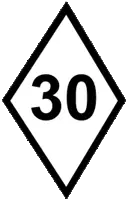
Who should obey diamond-shaped traffic signs?
Tram drivers
Bus drivers
Taxi drivers
Lorry drivers
On a road where trams operate, which vehicles will be most at risk from the tram rails?
Cars
Buses
Lorries
Cyclists
When should you use your vehicles horn?
To allow right of way
To alert others of your presence
To signal your annoyance
To greet other road users
You're in a one way street and ant to turn right. Where should you postion your vehicle when there are two lanes?
In the right hand lane
In the left hand lane
In either lane, depending on the traffic
Just left of the centre line
You wish to turn right ahead. Why should you take up the correct position in good time?
To allow other drivers to pull out in front of you
To give a better view into the road that you are joining
To help other road users know what you intend to do
To allow drivers to pass you on the right
Which type of crossing allows cyclists to ride across while pedestrians are also crossing?
Toucan
Pelican
Zebra
Puffin
Your travelling at the legal speed limit. What should you do if the vehicle behind approaches quickly, flashing it's headlights?
Accelerate to make a gap behind you
Touch the brakes sharply to show your brake lights
Maintain your speed to prevent the vehicle from overtaking
Allow the vehicle to overtake
When should you flash your headlights at other road users?
When showing that you are giving way
When showing that you are about to turn
When telling them that you have right of way
When letting them know that you are there
You're approaching an unmarked crossroad. How should you deal with the junction?
Accelerate and keep to the middle
Slow down and keep to the right
Accelerate and keep to the left
Slow down and look both ways
The conditions are good and dry, When should you use the 'two-second rule'?
Before restarting the engine after it has stalled
when your checking the gap from the vehicle in front
Before using the 'Mirrors, Signal, Manoeuvre' routine
When traffic lights change to green
Which colour follows the green signal at a puffin crossing?
Steady red
Steady amber
FLashing amber
Flashing green
You're driving on a clear night. Which lights should you use if the national speed limit applies and there's a steady stream of oncoming traffic?
Full-beam headlights
Sidelights
Dipped headlights
Fog lights
You're driving behind a large good vehicle. It signals left but steers to the right. What should you do?
Slow down and let the vehicle turn
Drive on, keeping to the left
Overtake on the right of it
Hold your speed and sound your horn
You're waiting in a traffic queue at night. How can you avoid dazzling drivers behind you?
Use the parking brake and release the footbrake
Keep your foot on the handbrake
lance the clutch with the accelerator
Use the parking brake and the footbrake togehter
What does it mean if the signs at a bus lane show no times of operation?
The lane isn't in operation
The lane is in operation at peak times
The lane is in operation 24 hours a day
The lane is only in operation during daylight hours
What should you do if a person herding sheep asks you to stop?
Ignore them as they have no authority
Continue on but drive slowly
Try and get passed quickly
Stop and switch off your engine
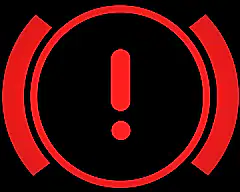
Which instrument-panel warning light would show that headlights are on main beam?


When should you leave a 2 second gap between you and the vehicle infront?
When it's raining
When it's dry
When it's icy
When it's snowy
You're driving at night on an unlit road. What should you do if you're following another vehicle?
FLash your headlights
Use dipped headlights
Switch off your headlights
Use full-beam headlights
What should you do if you're driving a slow-moving vehicle on a narrow winding road?
Keep well out to stop vehicles overtaking dangerously
Wave the vehicles behind to come past you if you think they can overtake quickly
Pull in when you can, to let the vehicles behind overtake
Give a left signal when it is safe for vehicles to overtake you
You're driving a car that has a diesel engine. What can a loose filler cap on your fuel tank cause?
It can make the engine difficult to start
It can make the road slippery for otehr road users
It can improve your vehicles fuel consumption
It can increase the level of exhaust emissions
What should you do to avoid fuel spillage?
Check that your tank is only three-quaters full
Check that you've used a locking filler cap
Check that your fuel gauge is working
Check that your filler cap is securely fastened
What style of driving causes increased risk to everyone?
Considerate
Defensive
Competitive
Responsible
How would under-inflated tyres affect your vehicle?
THe vehicles stopping distance would increase
The flash rate of the vehicles indicators would increase
The vechiles gear change mechinism would beome stiff
THe vehicles headlights would aim high
When are you not allowed to sound your vehicles horn?
Between 10pm and 6am in a built up area
At any time in a built up area
Between 11:30pm and 7am in a built up area
Between 11:30 and 6am in a built up area

What makes this vehicle environmentally friendly?
It's powered by gravity
It's powered by diesel
It's powered by electricity
It's powered by unleaded petrol
Why have 'red routes' been added in major citites?
To provide better parking
To raise the speed limits
To help traffic flow
To allow lorries to load more freely
What's the purpose of road humps, chicanes and narrowings?
To seperate lanes of traffic
To increase the traffic speed
To allow pedestrians to cross
To reduce the speed of traffic
What's the purpose of a catalytic converter?
To reduce fuel consumption
To reduce harmful exhaust gases
To reduce the risk of fire
To reduce engiene wear
When should tyre pressure be checked?
After any lengthy journey
After travelling at high speeds
When the tyres are hot
When the tyres are cold
When will your vehicle use more fuel?
When it's tyres are under-inflated
When the tyres are of different makes
When the tyres are over-inflated
When the tyres are new
How should you dispose of a used vehicle battery?
But it in your garden
Put it in the dustbin
Take it to the local-authority disposal site
Leave it on waste land
What is most likely to increase fuel consumption?
Poor steering control
Accelerating around bends
Staying in high gears
Harsh braking and accelerating
You've parked on the road at night. When must you use the parking lights?
Where there are continuous white lines in the middle of the road
When the speed limit exceeds to 30mph
When you're facing oncoming traffic
WHen you are in a bus lane
What can cause excessive or uneven tyre wear?
A faulty gearbox
A faulty breaking system
A faulty electrical system
A faulty exhaust system
You need to top up your battery with distilled water. What level should you fill it to?
The top of the battery
Halfway up the battery
Just below the cell plates
Just above the cell plates
Why is it a good idea to plan your journey to avoid busy times?
you'll have an easier journey
YOu'll have a more stressful journey
You're journey time will be longer
It will cause more traffic congestion
What can you expect if you drive using rapid acceleration and heavy breaking?
Reduced Pollution
Increased fuel consumption
Reduced exhaust emissions
Increased road safety
What could cause you ti crash if the level is allowed to get too low?
Ant-freeze level
Battery-water level
Brake-fluid level
Radiator-coolant level
What should you do if your anti-lock brakes warning light stays on?
Check the brake-fluid level
Check the footbrake free play
Check that the parking brake is released
Have the brakes checked immediately
WHat does it mean if your vehicle keeps bouncing after you sharply press down and release on the bodywork over a wheel?
THe tyres are worn
The tyres are under-inflated
The vehicle is on soft ground
The shock absorbers are worn
What makes your tyres illegal?
If they were bought second hand
If they have any large, deep cuts in the side wall
IF they are different makes
If they have different thread patterns
What is the legal minimum depth of thread for car tyres?
1mm
1.6mm
2.5mm
4mm
You're carrying two 13-year-old children and their parents in your car. Who's responsible for seeing that the children wear seat belts?
The children's parents
You, the driver
The front-seat passenger
The children
How can you avoid wasting fuel?
By having your vehicle serviced regularly
By revving the engine in lower gears
By keeping an empty roof rack on your vehicle
By driving at higher speeds where possible
What's most likely to reduce waste fuel?
Reducing your speed
Using different brands of fuel
Under-inflated tyres
Driving on motorways
What part of the car does the law require you to keep in good condition?
The gearbox
The transmission
The door locks
The seat belts
How much more fuel will you use by driving at 70mph compared with driving 50mph?
About 5%
About 15%
About 75%
About 100%
What will happen if your car's wheels are unbalanced?
The steering will pull to one side
The steering will vibrate
The brakes will fail
The tyres will deflate
What may help to deter a theif from stealing your car?
Always keeping headlights on
Fitting reflective glass windows
Always keeping the interior lights on
Etching the registration number on the windows
What should you remove from your car before leaving it unattended?
The car dealer's details
The owners manual
The service record
The vehicles registration document
What will reduce fuel consumption?
Driving more slowly
Accelerating rapidly
Late and heavy braking
Staying in lower gears
Why do MOT tests include an exhaust emission test?
To recover the cost of expensive garage equippment
To help protect the environment against pollution
To discover which fuel supplier is used the most
To make sure diseal and petrol engines emit the same fumes
How will you benefit from following the manufacturer's service schedule for your vehicle?
Your vehicle will be cheaper to insure
Your vehicle tax will be lower
Your vehicle will remain reliable
Your journey times will be reduced
How should you drive when you're driving along a road which has speed bumps?
Maintain a reduced speed throughout
Accelerate quickly between the humps
Always keep to the maximum speed limit
Drive slowly at school times only
Where would parking your vehicle cause an obstruction?
Along a parking meter
In front of a property entrance
On your driveway
In a marked driving space
What will help to keep your car secure?
Being a member of a vehicle breakdown organisation
Registering with a Vehicle Watch Scheme
Passing an advanced driving test
Taking car maintence classes

