
 Worksheets
Cellular Interactions Review Biology GSE SB1a.
Total questions: 10
Worksheet time: 5mins
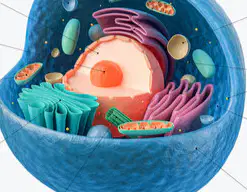
Which cellular structure is responsible for sending out directions to all of the other cell parts?
mitochondria
cytoplasm
nucleolus
centrioles
nucleus
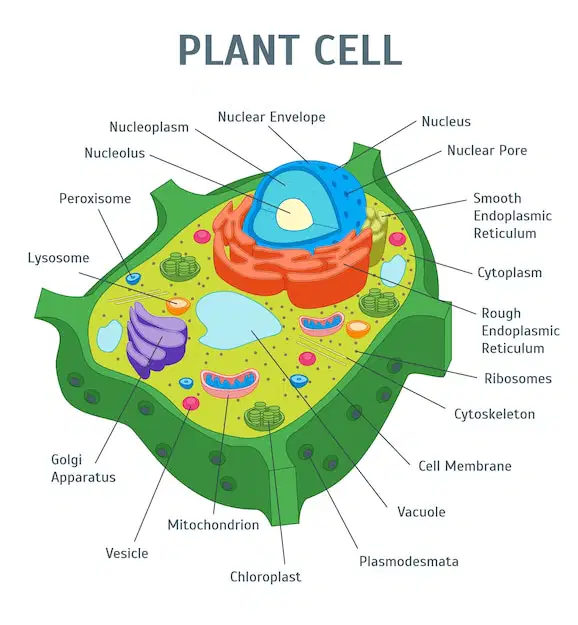
Name the two main organelles that must interact in order for plant cells to generate glucose, then convert that glucose into ATP using oxygen.
chloroplasts and mitochondria
rough endoplasmic reticulum and smooth endoplasmic reticulum
large central vacuole and cell wall
lysosomes and plasma membrane
mitochondria and cytoplasm

You go to the produce department at the grocery store. You grab a bag to get some kale (healthy leafy green pictured) for making dinner just as the water sprayers start misting the vegetables. What cellular interaction best explains why the leaves of vegetables look plump and fresh after they are misted with water?
Water leaves the central vacuole of the kale cells, passes through the plasma membrane and diffuses out of the cell wall.
Water diffuses through the plasma membrane of the kale cells, enters the chloroplasts, causing the chlorophyll to swell.
Water diffuses through the cell wall, into the plasma membrane, and fills the central vacuole of the plant cells in the kale.
Water is actively transported into the cell membrane using energy from the mitochondria, then pumped around the kale cells, causing them to swell.
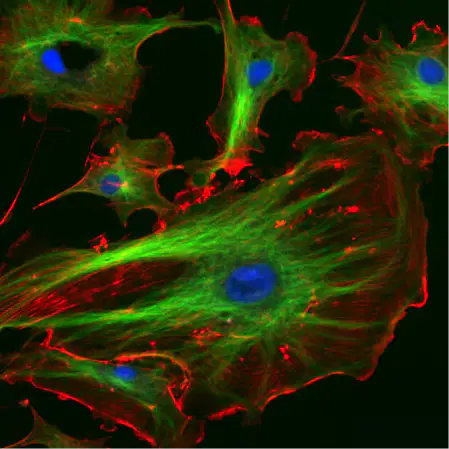
What structures work together to form a framework for the cell and "highways" along which many cellular substances can travel?
Centrioles and cells walls interact to provide support the cytoplasm.
Microtubules and microfilaments build the cytoskeleton.
The cell membrane and cytoplasm form a support system inside the cell.
Cell walls and central vacuoles give structure and support to all eukaryotic cells .

Which cellular structures work together to eliminate cellular wastes such as by-products of chemical reactions and old worn-out cell parts?
plasma membrane and lysosomes
chloroplasts and mitochondria
rough endoplasmic reticulum and Golgi apparatus
centrioles and ribosomes
flagella and cilia
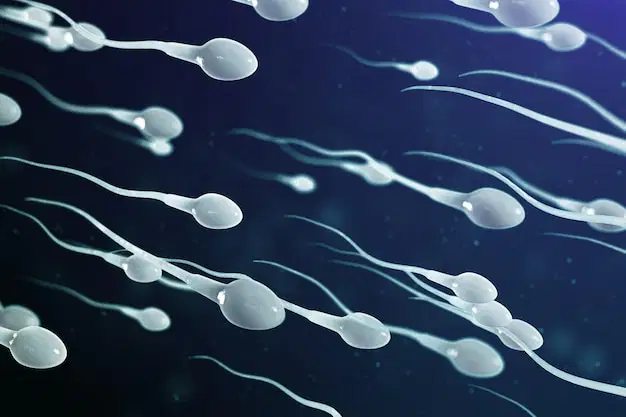
Some cells, like the sperm cells pictured, must expend cellular energy to propel themselves forward. What are the two main cell structures working together to accomplish this forward movement?
centrioles and cytoplasm
mitochondria and cilia
chloroplasts and mitochondria
mitochondria and flagella
cell membrane and mitochondria
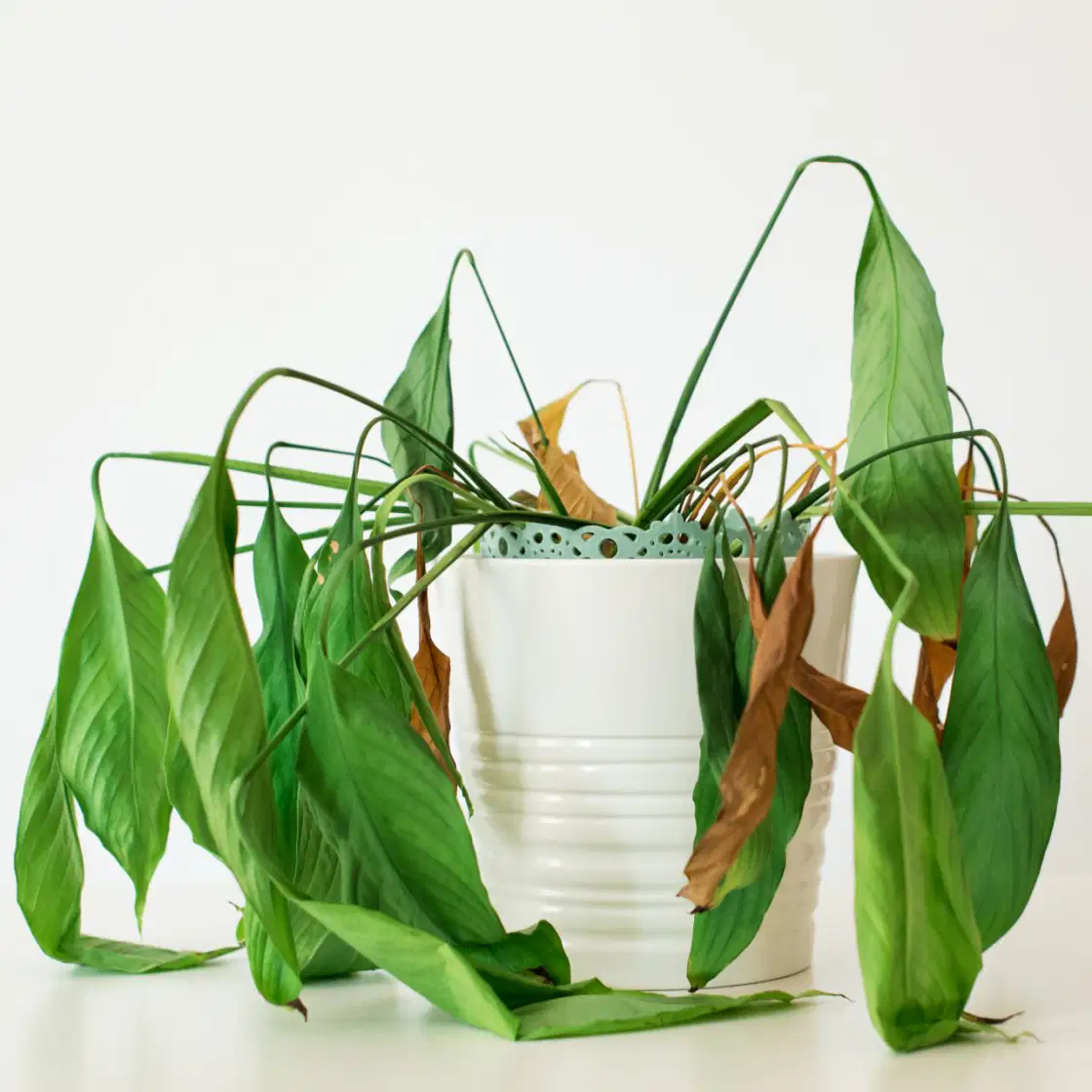
Your family has been away from home for a week and you come home to find that the leaves of your newest plant in your sunny bedroom window looks droopy and wilted. What cellular interactions best explain the most likely cause of this problem?
The cell walls were destroyed by the sun and lack of water so the cytoplasm leaked out of the cells of your plant.
Too much sunlight caused the chloroplasts to work overtime and they produced too much glucose while you were gone.
The plant did not receive enough water to fill the central vacuoles of the plant cells and cause pressure on the cell walls.
The mitochondria in the plant's cells were unable to make enough energy for the plant while you were away.
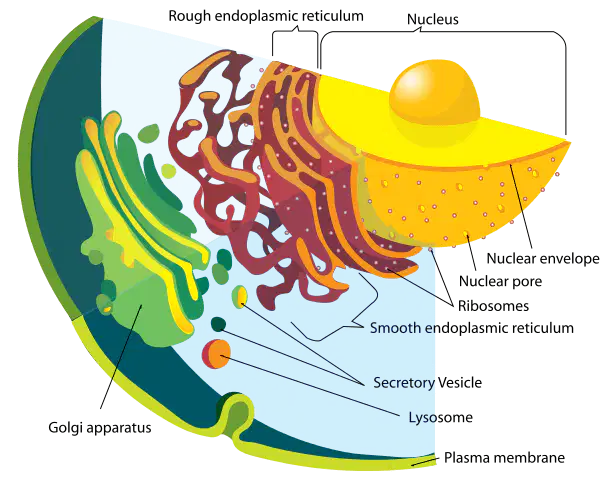
Which combination of cell parts represents the correct sequence of interactions required to package proteins and transport them to the outside of an animal cell?
nucleus--> lysosome--> Golgi apparatus --> plasma membrane
rough endoplasmic reticulum --> Golgi apparatus --> vesicles --> plasma membrane
mitochondria--> cytoplasm --> vacuole --> plasma membrane
nucleus --> centrioles --> cytoplasm --> plasma membrane
smooth endoplasmic reticulum --> lysosome --> plasma membrane
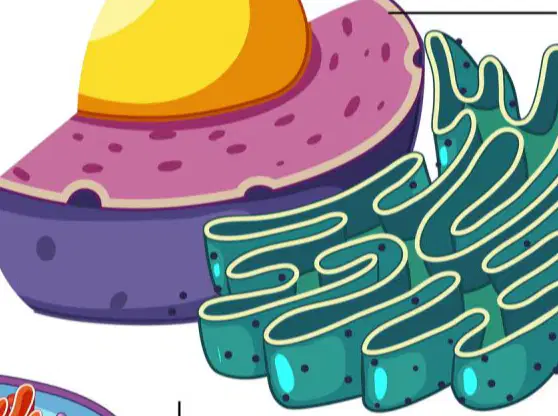
Some ribosomes are free floating while others are attached to certain cellular structures. Which correctly describes the sequence of ribosome formation and distribution in a cell?
Created by the Golgi apparatus, ribosomes are packaged into vesicles and moved into the cytoplasm or to the rough endoplasmic reticulum for attachment.
Created in the nucleolus, ribosomes move out through the nuclear pores of the nucleus into the cytoplasm or attach to the rough endoplasmic reticulum.
Created in the nucleus, ribosomes move out into the cytoplasm or attach to the smooth endoplasmic reticulum
Created on the rough endoplasmic reticulum, ribosomes move through the nuclear pores in the nuclear membrane, and into the nucleolus
You are looking at an aquatic plant cell in a drop of water under the microscope in Biology class and suddenly notice that there are lots of little green discs moving along the insides of the cell membrane! Biologists have ideas, but are not entirely certain why this happens. See the video at left of you were not lucky enough to see this in lab! Which cell structures are clearly interacting here?
Light from the microscope is triggering all of the cell organelles to respond by moving to the outer edges of the cell.
The chloroplasts are moving in the cytoplasm, possibly along the cytoskeleton.
The mitochondria are racing around the perimeter of the cell as they generate energy via cell respiration.
The central vacuole has ruptured because it was too full of water and the chloroplasts have spilled out into the cytoplasm of the cell.

