
 Worksheets
BB LAB PRELIMS 1
Total questions: 62
Worksheet time: 53mins
Usage of RCS
ABO and Rh typing
Direct antiglobulin test and auto control
Donor unit compatibility (crossmatch)
Red cell phenotyping
Specimen requirement for RCS
Citrate coagulated whole blood
EDTA coagulated whole blood
Citrate anticoagulated whole blood
EDTA anticoagulated whole blood
Commonly used cell ratio in red cell
suspension.
2-5%
3-6%
3-5%
2-8%
prepare _a_ % of RCS with a total volume of _b_ mL = _c_ uL
a. 2
b. 1
c. 100
a. 3
b. 1
c. 1000
a. 4
b. 2
c. 500
a. 5
b. 2
c. 2000
Formula for RCS
Total volume X % in decimals
Volume in % X Total in decimals
Total % in decimals X volume
Volume in decimals X total %
Suspensions should be used for testing (a)
the day of preparation.
(ALL ANS. FOR IDENTIFIC. SHOULD BE ALL CAPS)
Mix the cell suspension ___, ___
performing the serological procedure.
(a)
False positives or false negatives test results
may occur from:
Bacterial or chemical contamination
of test materials
Too properly cleaned tubes
Improper centrifugation
Improper storage of material
Immunity refers to the process by which a host
organism protects itself from attacks by
(a) agents
Fundamental idea of immunity
(a)
This is mediated by various cells of the IS, such as
macrophages, T cells, and dendritic cells,
which function to eliminate viruses, bacteria,
cancer cells, and other cellular pathogens
Cellular
Humoral
Antigen
Antibody
Comprised of B cells and the specific
antibodies they produce, along with
complement components that are produced
in plasma, saliva, and other bodily secretions.
cellular
Humoral
Antibodies
Antigens
In here, B cells are responsible for producing
antibodies.
Cellular
Humoral
Antibodies
Antigens
These are also called “immunoglobulins”
Antibodies
Antigens
These bind to foreign molecules called antigens
Antibodies
Antibody reaction
Agglutinants
Antigens
Meaning of IMMUNE in ''Immunoglobulins''
due to its type of globular soluble protein
a substance that stimulates antibody formation
due to its function
protein that binds to antibody
Meaning of GLOBULIN in ''Immunoglobulins''
type of globular
soluble protein
due to its function
it is a type of globular
soluble protein.
Has the ability to bind to an antibody.
This is a substance that stimulates antibody
formation
(a)
Antigens has the ability to bind to a/an ___.
structure
antigen-antibody bridge
antibody
antigen
Antigens are substances that (a) antibody
formation
Antigens: “___, on the surface of RBC’s that is used
to identify ___.
(a)
This is an ability of a particular antibody to combine to
a specific antigen.
(a)
Antigens present on ___, cells may
cause reactions to the recipient and
complicate ___.
(a)
___, ___, ___ of
blood group antibodies and on the typing of RBC antigens. (small letters only)
(a)
Factors influencing the detection of RBC antigen–antibody reactions
correct sample
proper reagents
performing the correct tests
Proper interpretation of results
RCS usually requires serum sample that has ___, amounts of viable ___.
(BACK TO ANSWERS W/ ALL CAPS)
(a)
“Sample used may vary according to different (a) used.”
(all ans. from now on should be small letters)
Storage: serum should be ___, and
stored at ___,°C for no longer than ___ hours
(a)
>49 hours serum should be (a)
This is a process wherein antigen binding to the antibody occurs.
(a)
Sensitization has no visible (a) .
A lattice type structure has multiple (a) bridges between RBC antigens and antibodies that are formed.
In lattice type structure, the development of an insoluble antigen is called an (a) .
In lattice type structure, a precipitation reaction means a (a)
What are the factors that influence agglutination reactions?
centrifugation
antigen-antibody ratio
effect of pH
Temperature
Immunoglobulin type
This enhances agglutination reaction
(a)
A high gravitational force brings (a) closer together.
Antigen = antibody ( (a) )
This is a term that means Excess unbound antibody
(a)
This term means Excess unbound antigen.
(a)
The antigen-antibody ratio obtains a (a) negative result.
The 'range' in RCS that is the 'effect of pH'
(a)
Different ___, of antibodies may exhibit optimal ___ at different temperatures.
(a)
This is the differences in the nature of reactivity between immunoglobulins
(a)
This is an indicator of a positive result of antigen–antibody.
(a)
In hemolysis, ___ has been fixed and ___ lysis occurs.
(ANSWER SHOULD BE IN CAPS)
(a)
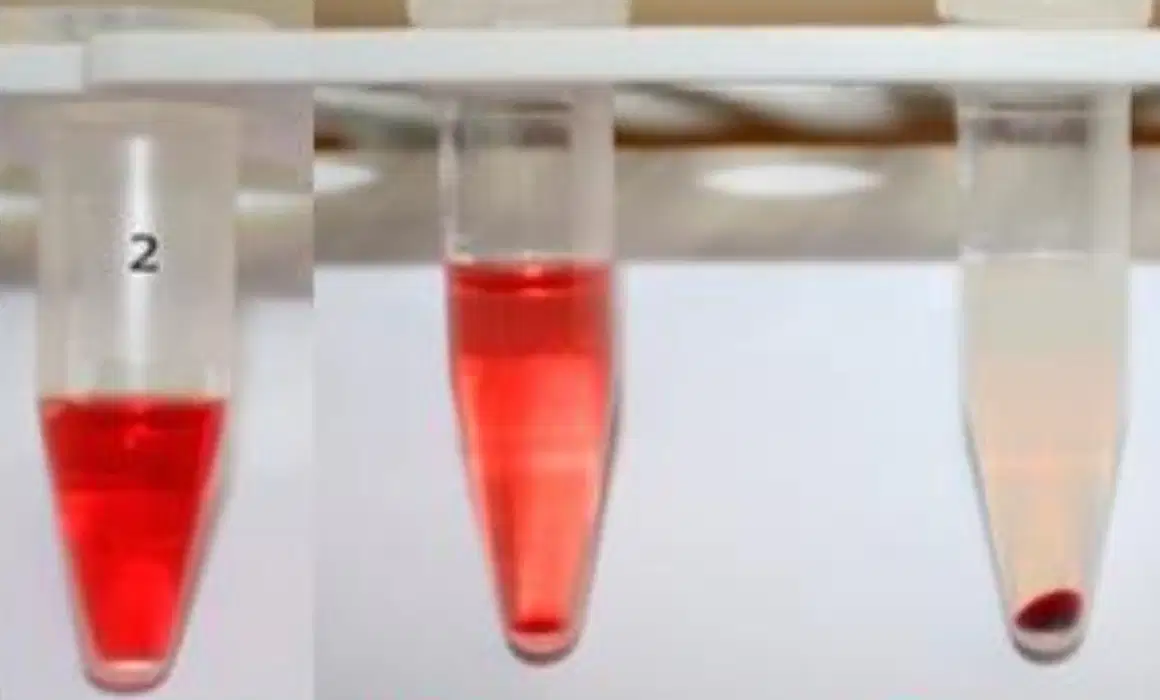
What type of hemolysis is shown at the left side of the image that has a number 2 in it?
complete hemolysis
partial hemolysis
no hemolysis
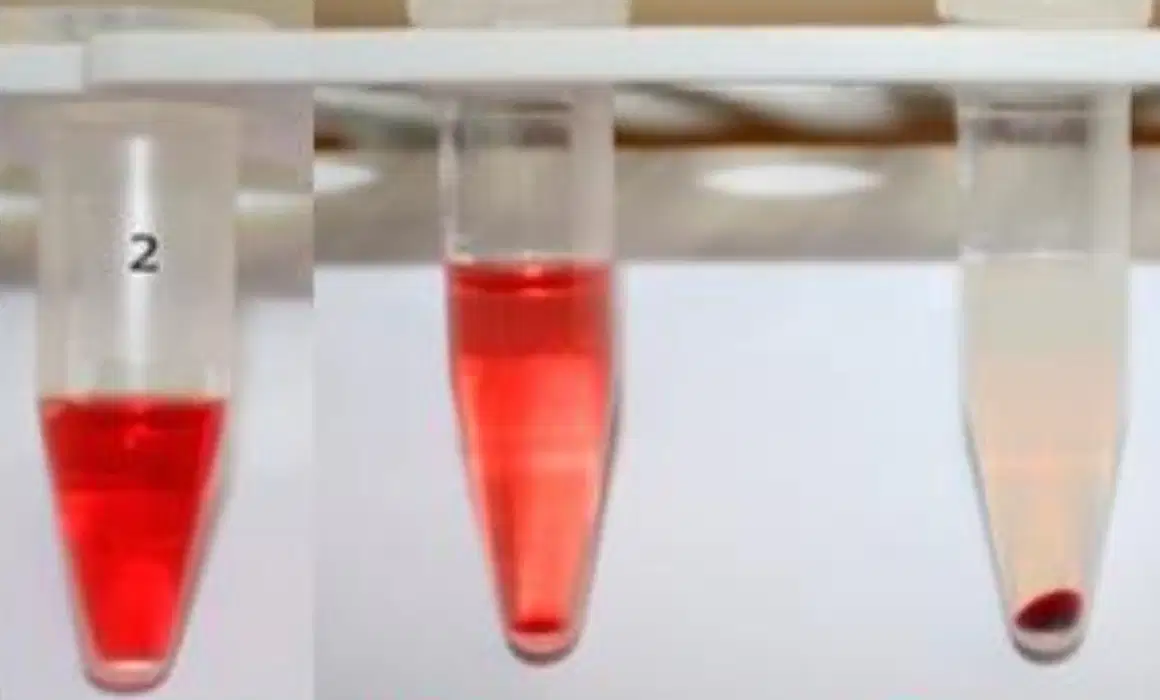
What type of hemolysis is shown at the middle of the image?
complete hemolysis
partial hemolysis
no hemolysis
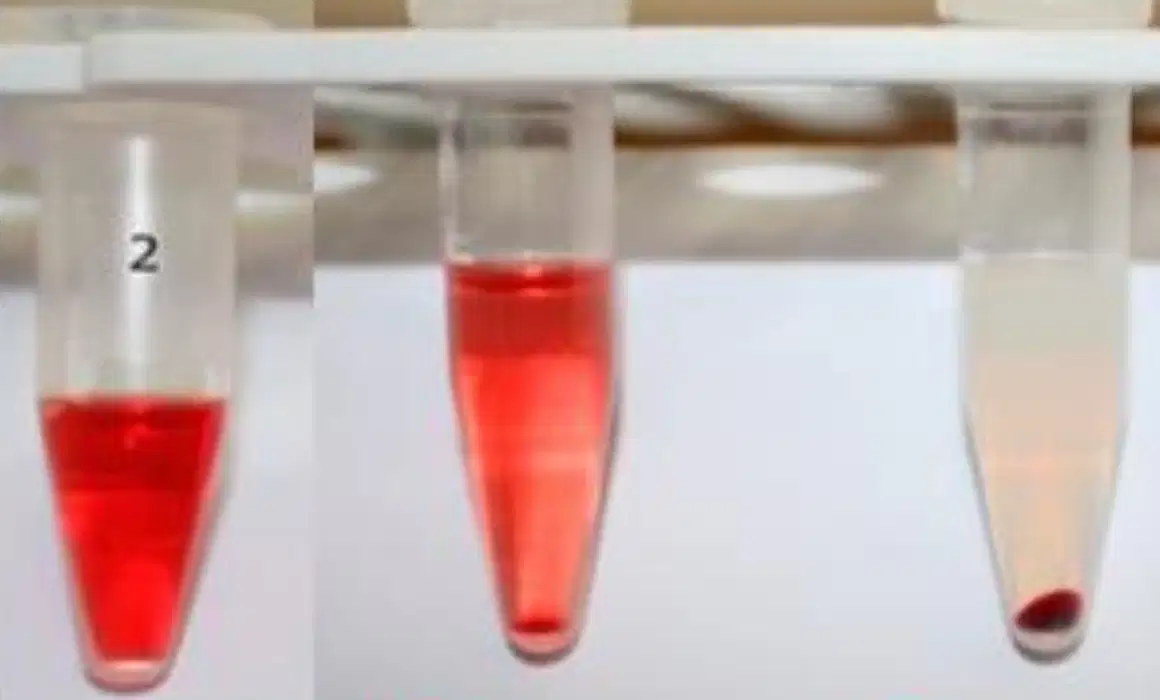
What type of hemolysis is at the right side of the image?
Complete hemolysis
Partial hemolysis
No hemolysis
The (a) blood group system is the most important of all the blood group systems out there.
The ABO blood group system is a B.G. System in which individuals already have (a) in their serum to antigens that are absent from their red blood cells (RBCs).
(answer in small letters only)
The presence of antibodies results to lysis of
(a) once ABO is incompatible.
(ANS. IN CAPS ONLY)
What kind of ABO Testing (Typing) is:
Using known sources of commercial antisera (anti-A, antiB)
and
Detects antigens on an individual’s RBCs.
(ans. in small letters only)
(a)
What kind of ABO Testing (Typing) is
Using known reagent RBCs (A and B cells)
and
Detects ABO antibodies in the patient’s serum.
(ans. in small letters only)
(a)
A positive antigen–antibody reaction is usually demonstrated by (a)
(ans in small letters only)
In forward grouping, an anti-a and anti-b reagent contains:
Expected 3+ to 4+ reaction
Monoclonal antibody
Highly specific
Usually use 1-2 drops
IgM
What is the color reagent for anti-a reagent?
(ans in small letters only)
(a)
What is the color reagent for anti-b reagent?
(ans in small letters only)
(a)
what type of dye contains the clear yellow-colored anti-b reagent?
(ans in small letters only)
(a)
Monoclonal antibody contains antibody from a single type of ___ cell, ___ expanded.
(ANS IN CAPS ONLY)
(a)
A monoclonal antibody is ___ in testing and is ___ specific
(ans in small letters only)
(a)
Congratulations on finishing the test/quiz!
But there's more!
Please study and review the pictures on the 4th and 5th pages of the trans! Thank you and ENJOY!
For this bonus, exactly type: MAKA INTERN, CUTIE!
(a)