
NEW
Font size
 Worksheets
ELECTROCARDIOGRAM (ECG)
Total questions: 10
Worksheet time: 2mins
What does the P wave represents?
Depolarization of atria
Repolarization of ventricles
Depolarization of ventricles
Depolarization of atria and ventricles
Which of the following indicates Ventricular Depolarization?
P Wave
PR Interval
QRS Complex
T Wave
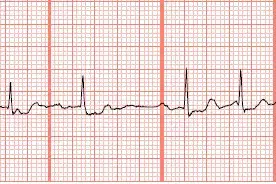
Types of ECG rhythm.
Ventricular Fibrillation
Sinus Bradycardia
Atrial Flutter
Atrial Fibrillation
The classic ECG changes in Myocardial Infarction are
T-Wave inversion
ST-segment elevation
Development of an abnormal Q wave
All of the answers
An ECG can help detect problems, EXCEPT:
Arrhythmias
Coronary heart disease
Heart attacks
Deep Vein Thrombosis (DVT)
Which one is Second Degree Block Type 1 (Wenckebach)?


Location of the generator


Pacer rate
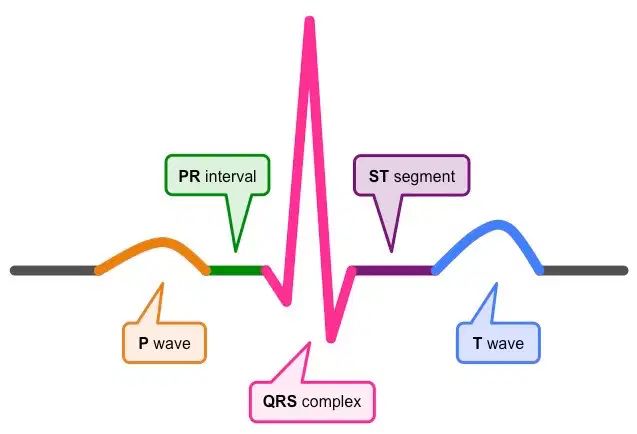
Which part of the PQRST complex represent atrial depolarization?
P Wave
QRS Complex
T Wave
ST - Segment
When a heart muscle cell goes back into its negatively charged state or when it relaxes is known as?
Polarization
Depolarization
Repolarization
The nurse is caring for a client who is displaying a third-degree AV block on the ECG monitor. What is the priority nursing intervention for the client?
assessing blood pressure and heart rate frequently
identifying a code-level status
heart block
maintaining intravenous fluids
alerting the doctor of the third-degree
Why does ECG uses 10 electrode and not 12 electrode since its called 12 Leads ECG?
The 10 electrodes more accurate than 12 lead ECG
The 10 electrodes placement can obtain and read 12 different angles.
10 electrodes provides 12 perspective of heart activities through 2 planes : ventricles & horizontals.
10 eletrode provides 12 views of readings.

