
Font size
 Worksheets
Renewable Energy Systems
Total questions: 41
Worksheet time: 28mins
Resources that are not replenished until long after they are used are:
renewable resources.
replaceable resources.
non- renewable resources.
irreplaceable resources.
Geothermal energy uses heat from ____ to produce electricity.
the earth
coal
oil
natural gas
Coal is burned to heat water so that _______ can turn turbines.
fire
steam
water
heat
Renewable resources ...
are not replaceable.
are used more frequently than non-renewable resources.
are never going to run out.
produce just as much energy as fossils fuels per unit.
What type of power plant uses the potential energy of water trapped behind a dam?
nuclear power plant
hydroelectric power plant
solar station
coal burning power plant
Which are fossil fuels?
coal, oil, uranium
oil, natural gas, uranium
coal, oil, natural gas
methane, coal, natural gas
What type of power plant uses scraps from farming, wood, garbage, and waste products to generate electricity?
Hydroelectric Power Plant
Geothermal Power Plant
Biomass Power Plant
Nuclear Power Plant
Uranium atoms are split to create a tremendous amount of heat in a _____ power plant.
biomass
geothermal
nuclear
hydroelectric
Which of these is renewable energy?
coal
petroleum
oil
biomass

Why is solar energy considered renewable energy?
It's cheaper than fossil fuels.
The sun's energy would not run out for billions of years.
Solar energy can be stored in batteries.
It forms from a once-living source.
Renewable energy resources produce less_____________ than fossil fuels.
pollution
energy
wind
light
What is a disadvantage of wind power?
It doesn't work during rainy days.
It is not reliably windy in many locations.
It depends on heat generated under Earth's surface.
The sun is not always out and clouds interfere with the wind.
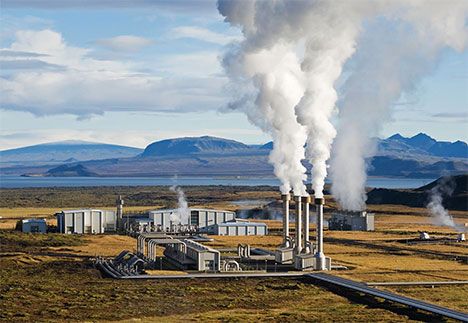
All of the following are considered renewable energy sources EXCEPT –
Wind
Coal
Biomass
Solar
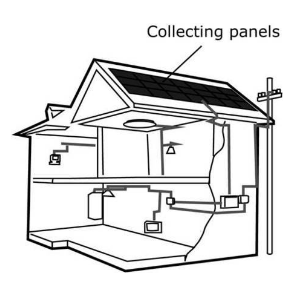
Which alternative energy source does this house use?

What characteristic do all renewable resources share?
They are produced by waste products.
They form underground from dead organisms.
They are replaced in a relatively short period of time.
They allow energy to pass through them easily.
Fossil fuels are considered nonrenewable because they
do not produce pollution.
are no longer used by humans.
are created so quickly.
take millions of years to form, so once they're gone, they're gone.
A disadvantage of nuclear energy is that it creates...
fossil fuels.
greenhouse gases.
radioactive waste.
biomass.
Which fossil fuel is created from the remains of dead plants and forms into a "rock?"
Coal
Petroleum
Natural Gas
Nuclear Energy
In order to use the energy inside of fossil fuels, they must be...
burned.
melted.
crushed.
cut.
What is needed for all fossil fuels to form?
Heat
Pressure
A lot of time
All of these
Greenhouse gases are molecules or compounds that:
allow heat to escape into space from our atmosphere.
help plants grow better on Earth.
trap energy/heat from the sun in Earth's atmosphere.
help produce fossil fuels.
All of the following are greenhouse gases EXCEPT:
methane (CH4).
oxygen (O2)
carbon dioxide (CO2).
ozone (O3).

gases in an atmosphere that absorb and retain heat energy. High amounts cause air pollution and overheat the planet
greenhouse gases
conservation
landfill
recycling
efforts to wisely use, distribute, and protect valuable resources such as fresh water, soil, unique environments
conservation
landfill
greenhouse gases
biomass

Hydroelectric energy can be found throughout earth? Is this a pro or con?
Pro
Con

Nuclear fuel produces a large amount of energy and does not cause air pollution
Pro
Con
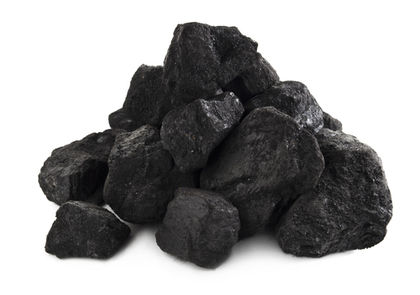

The following picture is an example of what energy source?
Wind
Biomass
Coal
Hydropower

The following picture is an example of what energy source?
biomass
solar
coal
oil

The following picture is an example of what energy source?
Hydro
Solar
Coal
Nuclear

Which is NOT a benefit of wind energy?
low or no emissions
requires small or reduced land use
low operational and maintenance costs
renewable source of power

Coal is NOT ________________.
abundant
generate greenhouse gasses
expensive
destructive to natural habitats

Which is a negative aspect of the use of petroleum?
It is extracted at a low cost.
It can be easily transported
It produces hazardous substances.
Petroleum is used in many products.
Which are non-renewable resources?
(Choose all correct answers)
natural gas
coal
water in a dam
oil
nuclear energy
Which of these are renewable resources?
coal
wind
geothermal
water in a dam
biomass
Disadvantages of fossil fuels...
they are not easily replaced
they create pollution in the environment
they are cheap
they can be stored for later use

Choose ALL the ways that using natural resources can be harmful...
mining and oil spills can damage ecosystems
they make our lives easier
burning coal or other fossil fuels can cause air and water pollution
used products can fill landfills or litter beaches and other natural areas

