
 Worksheets
Tempo and Dynamics
Total questions: 11
Worksheet time: 6mins
Name
Class
Date
1.
What determines the overall timing and rhythmic flow of a piece of music?
a)
The beat or pulse of the music
b)
The conductor or metronome
c)
The tempo markings
d)
The style, genre, and historical context
2.
How is tempo measured?
a)
In Italian terms
b)
In symbols placed above or below the musical staff
c)
In beats per minute (BPM)
d)
In varying levels of volume and intensity
3.
How do dynamics contribute to a musical composition?
a)
The emotional impact and shape of a musical composition
b)
The varying levels of volume and intensity within the music
c)
The overall timing and rhythmic flow of a piece
d)
The speed at which a piece of music is performed
4.
What do dynamics represent in music?
a)
The varying levels of volume, intensity, and expressiveness
b)
The overall timing and rhythmic flow of a piece
c)
The speed at which a piece of music is performed
d)
The emotional impact and shape of a musical composition
5.
What does the symbol 'pp' represent in dynamics?
a)
Soft
b)
Moderately loud
c)
Moderately soft
d)
Very soft
6.
What does the symbol 'mf' represent in dynamics?
a)
Moderately loud
b)
Soft
c)
Very soft
d)
Moderately soft
7.
What is tempo in music?
a)
The speed at which a piece of music is performed
b)
The emotional impact and shape of a musical composition
c)
The varying levels of volume and intensity within the music
d)
The overall timing and rhythmic flow of a piece
8.
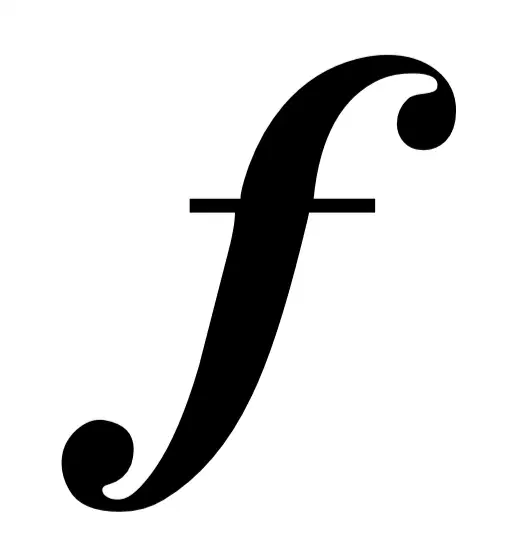
What does the symbol 'f' represent in dynamics?
a)
Very soft
b)
Loud
c)
Moderately soft
d)
Soft
9.
Which term indicates a quick and lively tempo?
a)
Adagio
b)
Largo
c)
Vivace
d)
Andante
10.
Which dynamic marking indicates the music should be played very loudly?
a)
p
b)
mp
c)
ff
d)
mf
11.
Which of the following terms refers to a slow tempo?
a)
Largo
b)
Presto
c)
Allegro
d)
Vivace
100 %

