
 Worksheets
Parkland H.S World Geo Week 1-2 Quiz
Total questions: 23
Worksheet time: 9mins

How many continents do we have on Earth?
5
6
8
7

Which of the following descriptions describes the Taiga biome?
Cold and frozen most of
the year.
Very little precipitation.
4 distinct seasons, with
temperatures ranging
from below freezing
in the winter to 90 degrees
in the summer.
Cold, long winters. A short
summer, lasting 1-3 months.
Allows trees and plants to
grow.
Precipitation measures
from 80 –
150 inches per year, often
during “rainy
season”.

Which of the following descriptions describes the Temperate Forest biome?
Cold and frozen most of
the year.
Very little precipitation.
4 distinct seasons, with
temperatures ranging
from below freezing
in the winter to 90 degrees
in the summer.
Cold, long winters. A short
summer, lasting 1-3 months.
Allows trees and plants to
grow.
Precipitation measures
from 80 –
150 inches per year, often
during “rainy
season”.
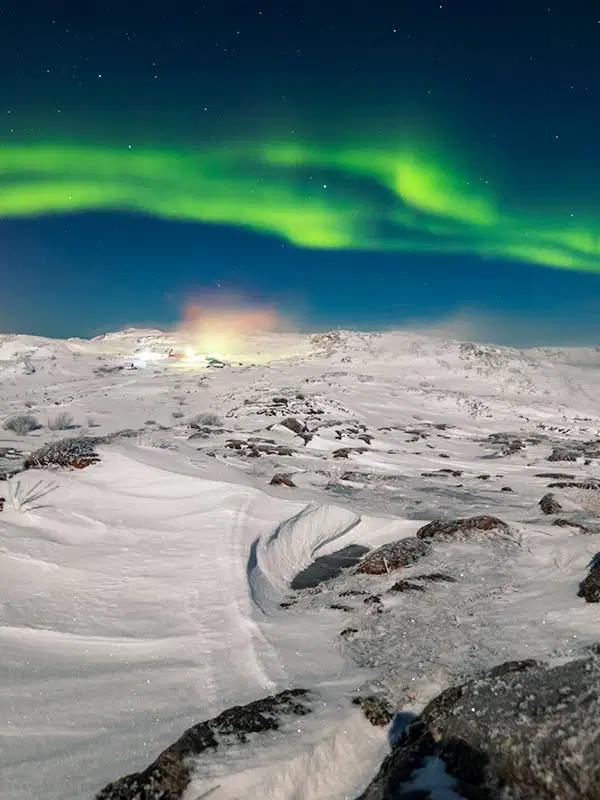
Which of the following descriptions describes the Tundra biome?
Cold and frozen most of
the year.
Very little precipitation.
4 distinct seasons, with
temperatures ranging
from below freezing
in the winter to 90 degrees
in the summer.
Cold, long winters. A short
summer, lasting 1-3 months.
Allows trees and plants to
grow.
Precipitation measures
from 80 –
150 inches per year, often
during “rainy
season”.

Which of the following descriptions describes the Tropical Rainforest biome?
Cold and frozen most of
the year.
Very little precipitation.
4 distinct seasons, with
temperatures ranging
from below freezing
in the winter to 90 degrees
in the summer.
Cold, long winters. A short
summer, lasting 1-3 months.
Allows trees and plants to
grow.
Precipitation measures
from 80 –
150 inches per year, often
during “rainy
season”.
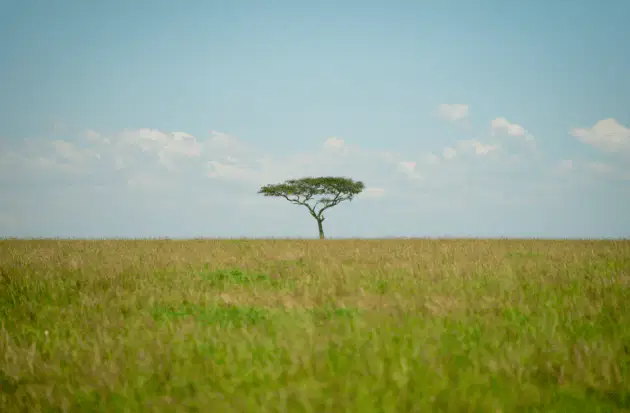
Which of the following descriptions describes the Grasslands biome?
Large flat lands.
Full of small bushes and
grass.
4 distinct seasons, with
temperatures ranging
from below freezing
in the winter to 90 degrees
in the summer.
Lack of water.
Hardly ever rains.
Blistering hot summers.
Cool winters.
Precipitation measures
from 80 –
150 inches per year, often
during “rainy
season”.
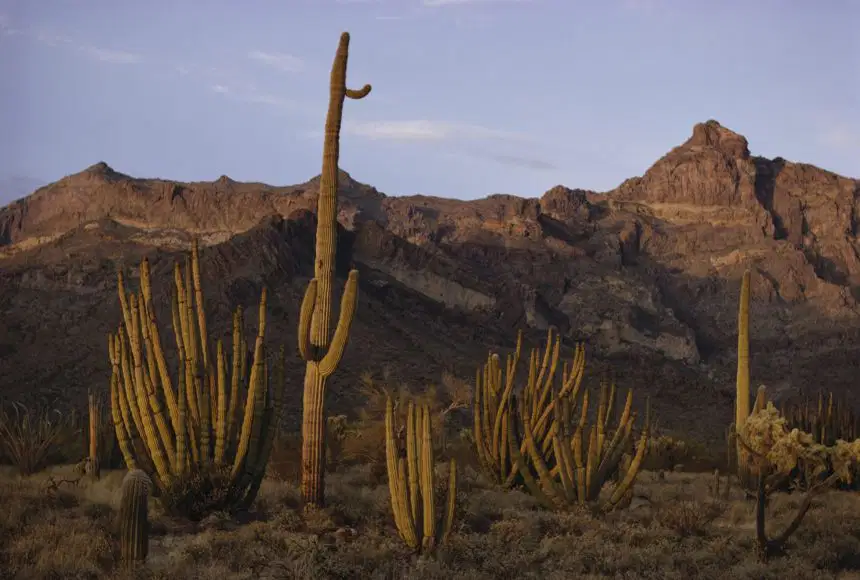
Which of the following descriptions describes the Desert biome?
Large flat lands.
Full of small bushes and
grass.
4 distinct seasons, with
temperatures ranging
from below freezing
in the winter to 90 degrees
in the summer.
Lack of water.
Hardly ever rains.
Blistering hot summers.
Cool winters.
Precipitation measures
from 80 –
150 inches per year, often
during “rainy
season”.
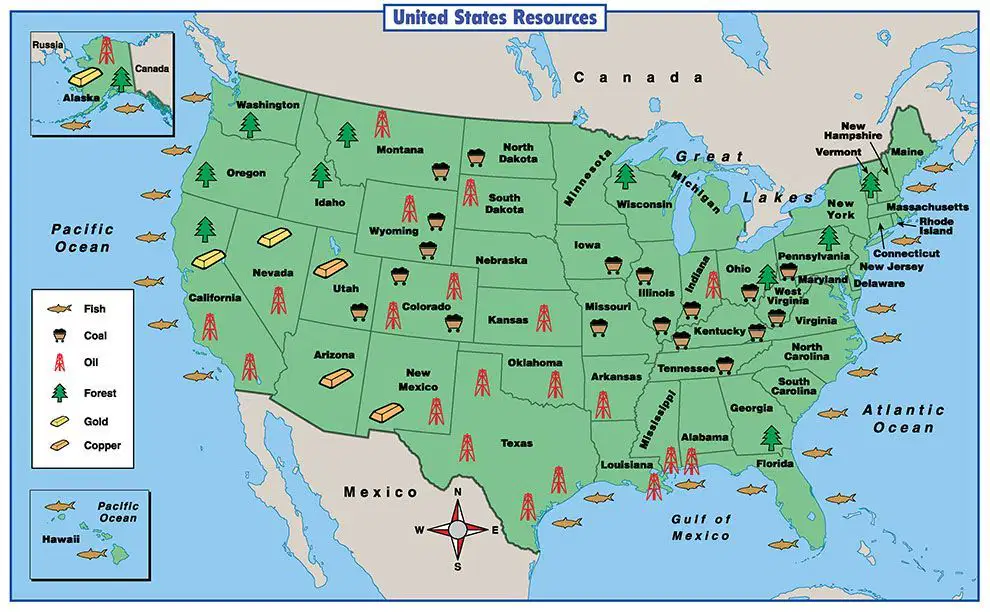
According to the resource map, what is the main resource in the state of
Connecticut?
Gold and Forest
Fish and Oil
Fish and Iron
Fish
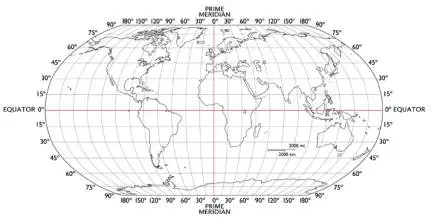
Latitude lines measure
distance north and south of the equator
distance east and west of the equator

Which hemisphere is America located in?
Northwest
Northeast
Southwest
Southeast

Which feature of the grid system is identified on the map in RED?
The equator
The prime meridian
The southern hemisphere
The eastern hemisphere

Which feature of the grid system is identified on the map in YELLOW?
The equator
The prime meridian
The southern hemisphere
The eastern hemisphere

Which continent is this?
South America
North America
Africa
Europe
Asia

Which continent is this?
Europe
Asia
Australia
South America
Africa

Which Continent is this?
Asia
North America
Australia/Oceana
South America
Africa

Which continent is this?
Africa
Asia
North America
South America
Europe

Which continent is this?
Europe
South America
Asia
Australia/Oceania
Africa

Which of the following continents is shown in the image?
Asia
Australia
South America
Antarctic

Weather, Climate or both?
It is really cold today.
Weather
Climate
Both
Weather, Climate or both?
Contains precipitation and temperature changes.
Weather
Climate
Both
Weather, Climate or both?
It is typically cold in El Paso during the winter season.
Weather
Climate
Both

What can you assume about the climate in between the Tropic of Cancer and the Tropic of Capricorn lines?
The climate is cool and frigid.
The climate is hot and tropical.
The climate is moderate, not too hot, not too cold.
The harshest conditions on Earth, -40 degree temperature.

