
NEW
Font size
 Worksheets
Parts of a Yearbook
Total questions: 24
Worksheet time: 12mins
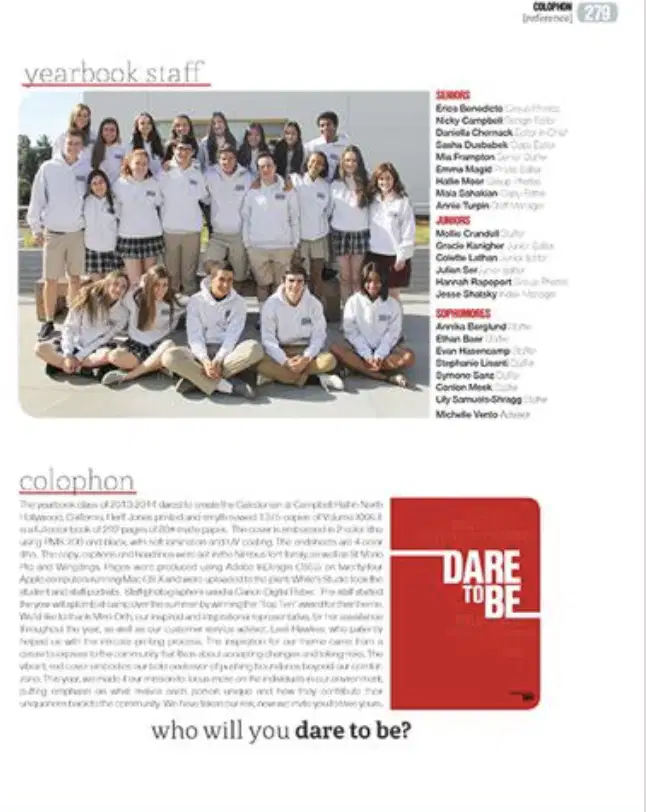
A list of the technical printing information about the yearbook, including price, number of copies, colors, fonts, photography company and awards won by previous year's book. The colophon often appears at the end of the index.
Cover
Copy
Colophon
Divider

Final pages of the yearbook (typically three pages or more)where the theme is concluded. Should follow ads and index.
Colophon
Closing
Index
End Sheet
Listing of the pages containing the opening, sections, index and closing.
Table of Contents
Title Page
Copy
Heading
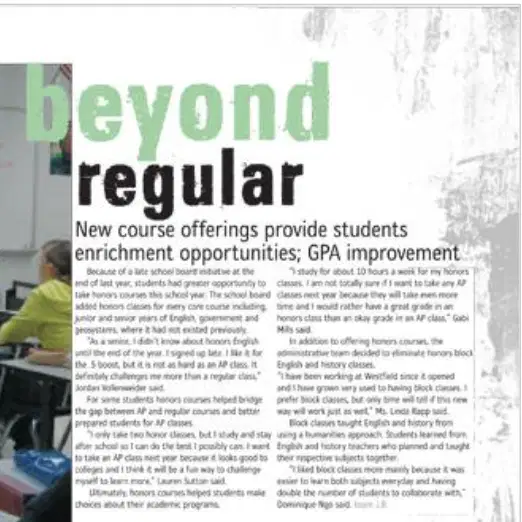
The story. Every spread should contain a story, also called an article.
Heading
End Sheet
Title Page
Copy
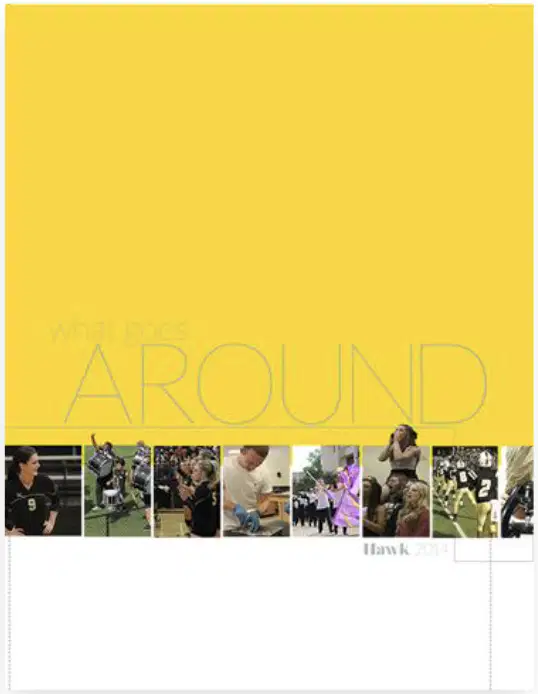
Outside of the yearbook which protects the printed pages.
Folio
Cover
Spine
A Box

Refers both to the topics featured on individual spreads and how the topics are highlighted.
Coverage
Opening
Folio
Divider

Heavier sheets of paper which hold the pages of the yearbook to the over.
End Sheet
Opening
Closing
Colophon

The page number and the topic of a spread placed as a unit traditionally at the bottom left and the bottom right of the spread.
Four Color Spot
Lid
Spine
Folio

Elements such as color, white space, rule lines, gray screen, large initial letter and special type treatments which enhance the book's design
Sports
Four Color Spot
Graphics
Lid

A complete alphabetical listing of all students, teachers, advertisers, topics and events covered in the yearbook.
Ladder
Colophon
Theme
Index
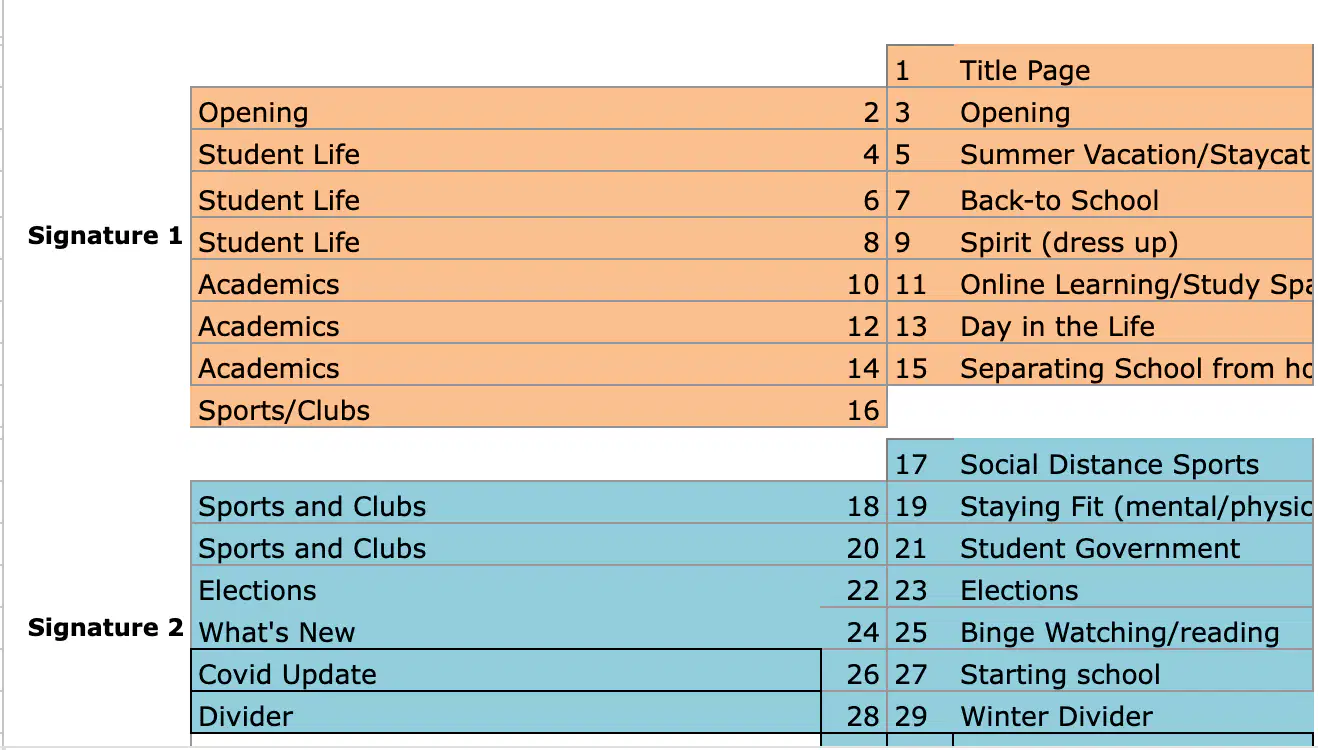
A page-by-page listing of the yearbook's contents. Used to stay organized and plan for deadlines.
Ladder
Index
Candid
Spine

The first two to four pages (or more) of the yearbook which introduce the theme.
DIvider
End Sheet
Opening
Closing

A traditional yearbook is typically broken up into up to six sections: student life, academics, clubs, people, sports, and ads/index.
Divider
Closing
End Sheet
Sections

A 16-page grouping made up of two 8-page flats.
Ladder
Signature
Copy
Divider

Area of the yearbook connecting the front and back cover. The name of the school, name of the book, city/state, volume number and year should appear on the spine in a way that reflects the theme.
Spine
Lid
Cover
End Sheet

A "mini theme" used as a section title.
Spread
Section
Spin Off
Dominant Photo

A verbal statement and visual look which tie all parts of the yearbook together.
End Sheet
Cover
Theme
Lid
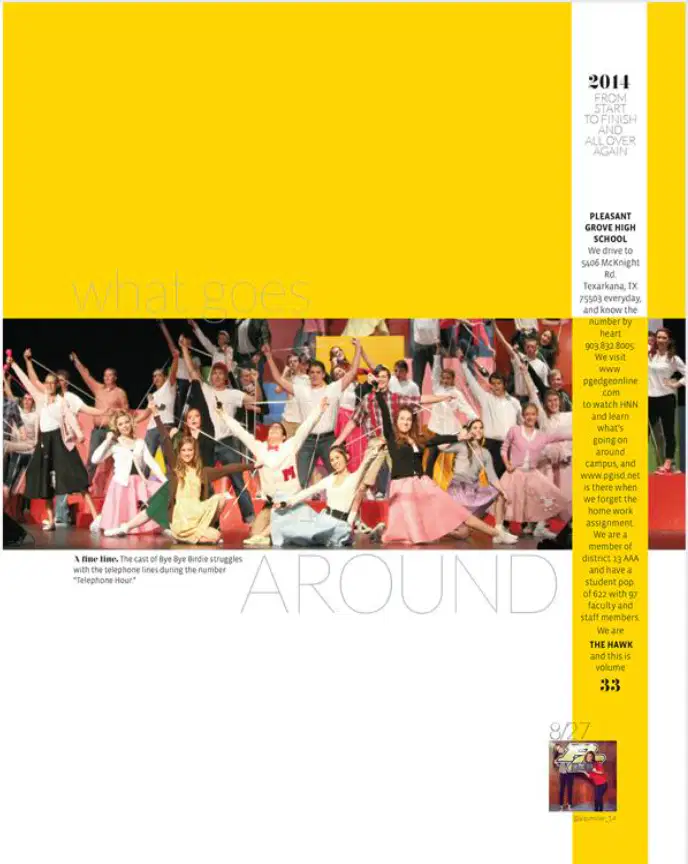
Page one of the yearbook. Included reference to the theme, plus the name of the book, the name of the school, etc.
Opening
End Sheet
Colophon
Title Page

A non-posed picture
Folio
Panoramic
Candid
Dominant Photo

Usually a picture 2-3 times larger than any other photo on the spread. MUST be high quality and an action or reaction
Dominant Photo
Candid
Posed Photo
Folio
The program used to create the Yearbook
The Picture Company
eDesign
Josten
Libraries of electronic images used in the yearbook.
Dominant Photo
Candid
Image Gallery
Folio
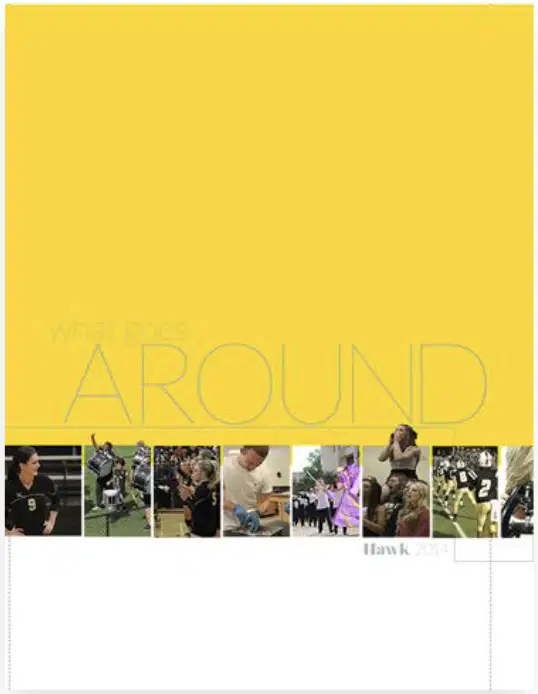
Front cover of the yearbook which includes the name of the book, the year, and the theme. Also called the front flap.
Lid
Title Page
Image Gallery
Folio

Printing in Magenta, Cyan, Yellow and Black. These colors combine for full-color pictures.
Ladder
Four Color Spot
Cover
Spot Color

