
NEW
Font size
 Worksheets
Resource Availability in Ecosystems (P2)
Total questions: 30
Worksheet time: 3600secs
Mật độ của quần thể động vật tăng khi nào?
Khi điều kiện sống thay đổi đột ngột như lụt lội, cháy rừng, dịch bệnh, ...
Khi khu vực sống của quần thể mở rộng.
Khi có sự tách đàn của một số cá thể trong quần thể.
Khi nguồn thức ăn trong quần thể dồi dào.
Ví dụ nào sau đây không phải là quần thể sinh vật?
Rừng tre phân bố tại Vườn Quốc gia Cúc Phương, Ninh Bình.
Tập hợp cá rô phi sống trong một cái ao.
Các cá thể chuột đồng sống trên một đồng lúa. Các cá thể chuột đực và cái có khả năng giao phối với nhau sinh ra chuột con.
Cá chép, cá mè cùng sống chung trong một bể cá.
Ví dụ nào sau đây là quần thể sinh vật?
Tập hơp các cá thể chim sẻ sống ở 3 hòn đảo khác nhau.
Tập hợp cá rô phi đực cùng sống trong một ao.
Rừng cây thông nhựa phân bố tại vùng núi Đông Bắc Việt Nam.
Tập hợp các cá thể cá chép, cá mè sống chung trong một ao.
Phát biểu đúng về mật độ quần thể là
Mật độ quần thể luôn cố định.
Mật độ quần thể giảm mạnh do những biến động thất thường của điều kiện sống như lụt lội, cháy rừng hoặc dịch bệnh.
Mật độ quần thể không ảnh hưởng tới sự phát triển của quần thể.
Quần thể sinh vật không thể tự điều chỉnh về mức cân bằng.
Phát biểu đúng về mật độ quần thể là
Mật độ quần thể luôn cố định.
Mật độ quần thể giảm mạnh do những biến động thất thường của điều kiện sống như lụt lội, cháy rừng hoặc dịch bệnh.
Mật độ quần thể không ảnh hưởng tới sự phát triển của quần thể.
Quần thể sinh vật không thể tự điều chỉnh về mức cân bằng.
Quan hệ giữa các cá thể trong hiện tượng tự tỉa cành ở thực vật là mối quan hệ gì?
Cạnh tranh
Sinh vật ăn sinh vật khác
Hỗ trợ
Cộng sinh
Rận và bét sống bám trên da trâu, bò. Giữa chúng và trâu, bò có mối quan hệ gì?
Hội sinh
Kí sinh
Sinh vật ăn sinh vật khác
Cạnh tranh
Sự hợp tác có lợi giữa các sinh vật là mối quan hệ nào sau đây?
Hỗ trợ
Cạnh tranh
Hội sinh
Cộng sinh
Chuột sống trong rừng mưa nhiệt đới có thể chịu ảnh hưởng của các nhân tố sinh thái sau: mức độ ngập nước (1), nhiệt độ không khí (2), kiến (3), ánh sáng (4), rắn hổ mang (5), cây gỗ (6), gỗ mục (7), sâu ăn lá cây (8). Những nhân tố nào thuộc nhóm nhân tố sinh thái vô sinh?
1,2,4,7
1,2,4,5,6
1,2,5,6
3,5,6,8
Phát biểu nào sau đây là đúng khi nói về nhân tố sinh thái?
Nhân tố sinh thái bao gồm nhân tố sinh thái vi sinh và nhân tố sinh thái hữu sinh.
Nhân tố sinh thái bao gồm nhân tố sinh thái vô sinh và nhân tố sinh thái con người.
Nhân tố sinh thái bao gồm nhân tố sinh thái hữu sinh và nhân tố sinh thái con người.
Nhân tố sinh thái bao gồm nhân tố sinh thái vô sinh và nhân tố sinh thái hữu sinh, trong đó nhân tố sinh thái con người thuộc nhóm nhân tố sinh thái hữu sinh.
The best name for something that limits the size of a population
Food
Water
Air
Limiting factor
Which habitat has the least amount of biodiversity of biotic factors?
tundra
desert
rainforest
stream
A group of the same type of organisms living in the same place at the same time.
threatened species
community
populations
limiting factor
Temperature, air, water, and soil are all ____ parts of the environment
biotic
abiotic
What is the best reason an animal migrate or go somewhere else, during the winter?
It wants a different home
To find food
To escape the cold
To go on vacation
What would most likely happen if an ecosystem no longer received sunlight?
The number of herbivores would increase
All organisms would adapt
The number of plants would increase
All living organisms would eventually die
A place where plants and animals live and grow is called a _________. It provides food, water, shelter, and air.
shelter
habitat
tree
organism
System made up of organisms interacting with one another
biology
biotic
abiotic
ecosystem
All of the populations that live in one area together
limiting factors
community
population
ecosystem

This graph shows how the population in the United States has changed over time.
The population has steadily decreased over time
The population has steadily increased over time
The population increased and then decreased
The population decreased and then increased
What happens when the population of prey decreases?
The population of predator will increase
The population of predator will increase and then decrease
The population of predator will not be affected
The population of predator will decrease shortly after
How are the populations of predators and prey related?
If there is not enough prey, the predators will die out
If there is too much prey, the predators will die out
If there are not any predators, the prey will die out
If there are too many predators, the prey will overpopulate
When does the extinction of a species occur?
When there are only five individuals left.
When the youngest individuals die, but the adults remain.
When the last individual dies.
FIrst and 3rd option are right.
What is the correct definition of a population.
Groups of individuals of the same species.
Made up of the different populations living together.
All the organisms living in a habitat AND the non-living parts of the habitats e.g. an ocean.
Trying to get enough resources.
Acorn → Squirrel → Fox → Mountain Lion
What will most likely happen if squirrels are removed from the food chain?
Factors that organisms depend on for survival that may become scarce when there is an increase in competition for them are called:
abiotic
biotic
limited resources
interactions
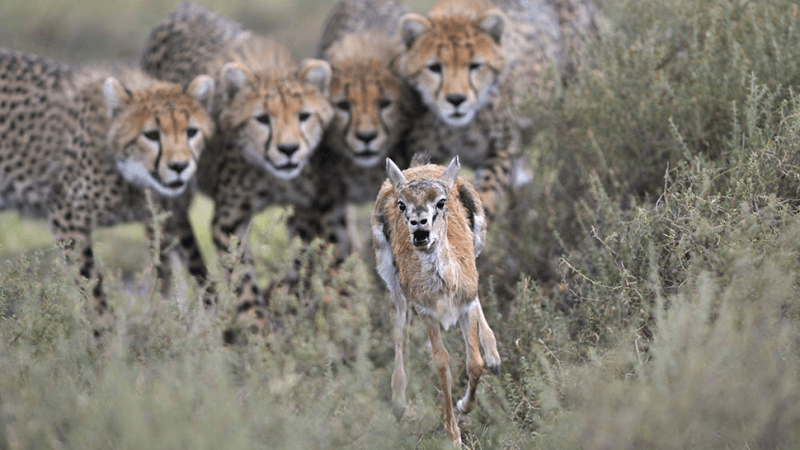
Hawks and owls eat the same type of food and struggle with one another to get their food. What is this an example of?
Competition
Biotic factor
Symbiosis
Population

A student wants to investigate competition between two organisms. For the investigation, it is most important that the student should choose organisms that –
reproduce at a faster rate.
are both active during the night.
have the different adaptations.
require the same resources.
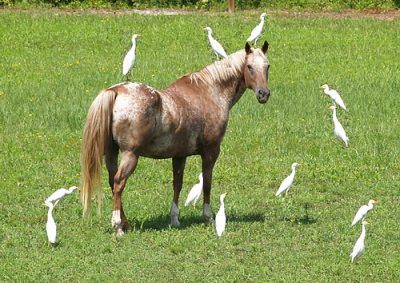
Competition becomes more important as the number of individuals ______ or the availability of resources _________.
increases, decreases
increases, increases
decreases, increases
decreases, decreases
Two species of fish live in the same pond. Which of the following would increase competition between these two species of fish?
Habitat temperature increases.
Population of birds that eat the fish increases.
Number of food plants the fish eat increases.
Water level in the pond decreases.

