
 Worksheets
Exam 1 Review
Total questions: 22
Worksheet time: 17mins
What is an ATOM?
The smallest unit of matter that retains the properties of an element.
) A type of molecule
A form of energy.
A subatomic particle
What are the three subatomic particles that make up an atom?
Electrons, positrons, and neutrons.
Protons, neutrons, and electrons
Protons, electrons, and photons.
Neutrons, electrons, and photons.
What is the law of conservation of matter?
Matter cannot be created or destroyed in a chemical reaction.
Energy cannot be created or destroyed in a chemical reaction
Atoms cannot be created or destroyed in a chemical reaction.
The mass of an object remains constant regardless of its location.
What is the difference between potential energy and kinetic energy?
Potential energy is the energy of motion, while kinetic energy is stored energy.
Potential energy is stored energy, while kinetic energy is the energy of motion
Potential energy and kinetic energy are the same thing
What is the law of conservation of energy?
Energy is always conserved in chemical reactions, but not in physical reactions
Energy can only be transferred, not transformed.
Energy can be created or destroyed in any process.
Energy cannot be created or destroyed, only transferred or transformed.
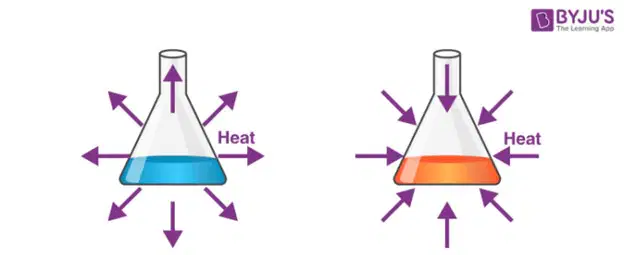
What is the difference between an exothermic and endothermic reaction?
) An exothermic reaction absorbs energy from the surroundings, while an endothermic reaction releases energy to the surroundings.
An exothermic reaction releases energy to the surroundings, while an endothermic reaction absorbs energy from the surroundings.
An exothermic reaction involves the formation of a compound, while an endothermic reaction involves the breaking of a compound.
An exothermic reaction occurs at high temperatures, while an endothermic reaction occurs at low temperatures.
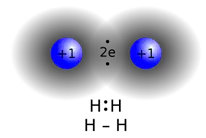
what is this?
Ionic bond
Covalent bond
James bond
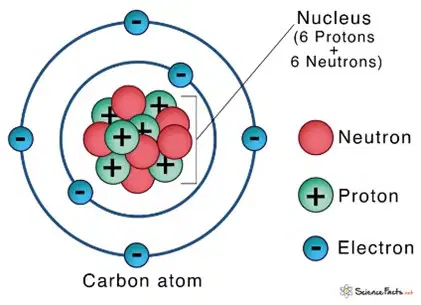
the subatomic particle(s) that takes up the MOST ROOM here are....
the protons
the neutrons
the electrons
the jimmy neutrons
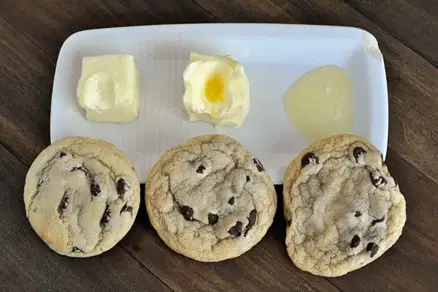
A baker wants to make larger cookies. She experiments with her recipe by changing the temperature of the butter. What was the independent variable?
oof. wasn't in class that day, never went back to watch the recordings or accessed the PPT lessons.
temperature of the butter
size of the cookie
the chocolate chips
POTENTIAL energy is.....
stored energy
the energy of motion
the energy of rest
um
In an experiment, a student investigates the effect of different fertilizers on plant growth. What is the dependent variable here?
the student
different fertilizers
plant growth
don't choose this one, ok? ok
In a solid, the atoms have the...
most amount of energy
least amount of energy
mid-range amount of energy
no energy
I am going to.....
ace this test!
don't pick this
don't you dare choose this one
believe in yourself, pick the top one
In an atom, what has a (+) positive charge?
proton
neutron
electron
In an atom, what has a (-) negative charge?
proton
neutron
electron
In an atom, what has a neutral (0) charge?
proton
neutron
electron
what is the metric unit for measuring length?
inches
feet
meters
kilograms
What does the law of conservation of energy mean? (pick 2!)
It means that energy cannot be created
it means that energy cannot be destroyed
It means that energy can disappear
It just means that energy is very conservative
If a chemical reaction occurs, you can actually calculate the mass of the reactants (what you start with) and see that it equals the mass of the products (what you end up with). What LAW explains this phenomenon?
the law of conservation of energy
the law of conservation of mass
Endothermic reactions...
release energy into their surroundings
absorb energy from their surroundings
The reaction between ammonium nitrate and water absorbs heat from the environment. It's commonly used in instant ice packs.
exothermic
endothermic
The reaction between sodium hydroxide and hydrochloric acid, which releases heat and forms water and sodium chloride.
exothermic
endothermic

