
Font size
 Worksheets
Checkpoint: Adaptation
Total questions: 26
Worksheet time: 19mins
A characteristic or trait that helps an organism survive in its environment is a/an (a)
Variation in (a) would best help bison survive a harsh winter
The gills have allowed a fish to adapt to living underwater because gills allow the fish to (a)

Beak shape depends on...
where birds live
who they hang out with
diet (fish or seeds)
exercise

which is the learned behavior?
shape of beak
monkey riding bicycle
horse eating hay
snake eating mice
Which of the following is an inherited trait?
swimming
eye color
skateboarding
callused fingers

Determine if the traits are structural or behavioral.
Migration
Behavioral because it makes animals move away and find better resources
Hibernation
Behavioral because it allows animals to save energy
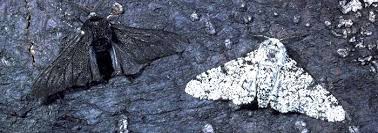
Camouflage
Structural because it allows organisms to hide in plain sight
Venom
Structural because it is a chemical defense
Storage of food in bulb
Structural because it allows plants to save energy for later use
The enviroment in which an animal lives is called its
adaptation
habitat
hibernation
migration
Lions, bears, and owls all hunt other animals for their food. They are examples of
prey
predators
children
enemies
What are some things that can cause an animal to become extinct?
habitat loss
disease
climate change
all of the above
What are the 4 things that living things need to survive?
air, food, protection, love
food, water, space, air
love, protection, air, space
protection, water, meat, plants
What is camouflage?
Colors or markings to make it look like something else
A chemical that is used to defend itself
A hard shell or covering
Body patterns or coloring that make it hard to see
A resting state through the winter.
Adaptation: Bear sleeping in a cave during the winter months
Migration
Locomotion
Adaptation
Hibernation
What is MIMICRY?
when a weak animal copies stronger animals to warn predators
when you are the prey
when the animal hides in the cold winter and sleeps until the warm spring
Why would a bunnies fur be brown in the summer and white in the winter?
The rabbit likes to change fur color
The bunny learned it from his parents
The changing of fur color help the bunny blend in with it's surrounding
A chameleon lies next to a large blue flower so predators cannot find it. This is an example of
camouflage
migration
mimicry
hibernation
What is Migration?
When animals eat what they want
When animals travel from one place to another to eat or get away from the cold weather.
When animals are taught how to do something.
Choose a physical adaptation examples listed below
Birds fly south for the winter
A bird has a sharp beak
A bear hibernates in the winter
Birds migrate to find food and warmer temperatures.
physical adaptation
behavior adaptation
A polar bear has white fur to make it harder to see.
physical adaptation
behavior adaptation
Black bears hibernate during the winter months.
physical adaptation
behavior adaptation

