
 Worksheets
World History Ancient Civilization
Total questions: 40
Worksheet time: 20mins
Who is Budda?
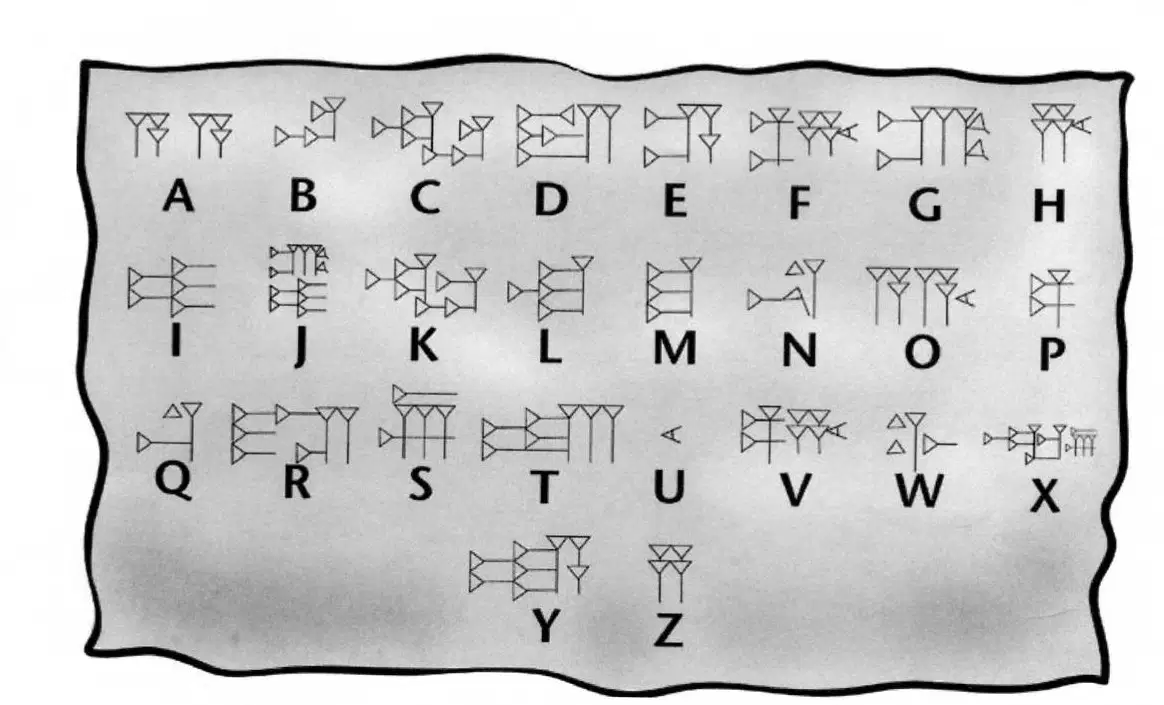
What is Cuneiform?
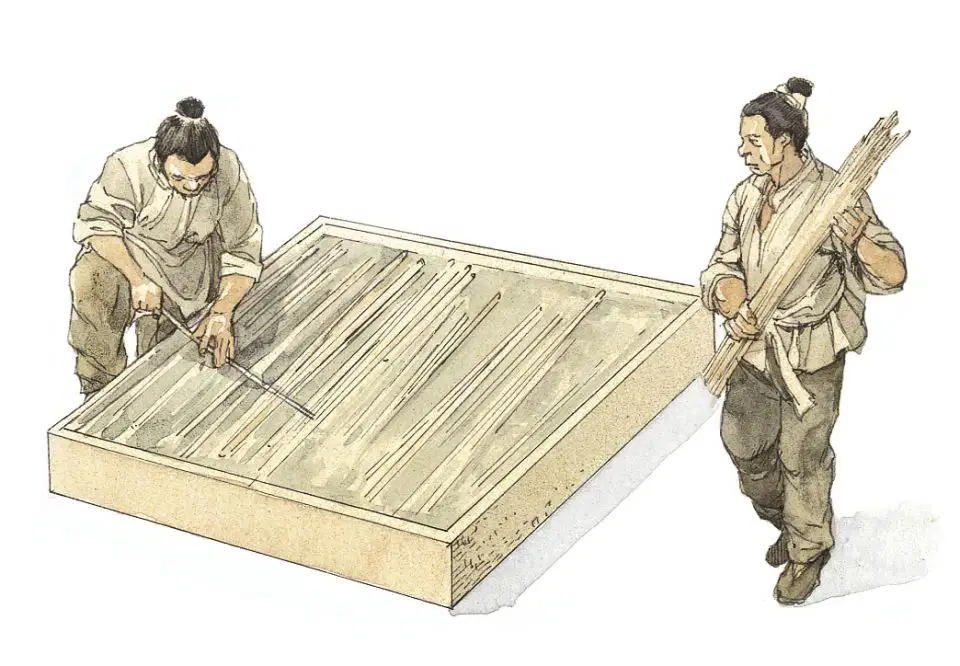
The Han Dynasty of China contributed which invention to society that is still used today?

The Sumerians built pyramid shaped temples in each city-state dedicated to the gods and goddesses that were known as ______________.

The Ten Commandments were the basic guidelines for Ancient Hebrew, and they later became an important part of Christianity. What did the Israelites believe about how these guidelines came to be?

Why did the Qin begin to construct a wall that became known as the Great Wall of China?
Why did Buddhism appeal to many people in ancient India and China?
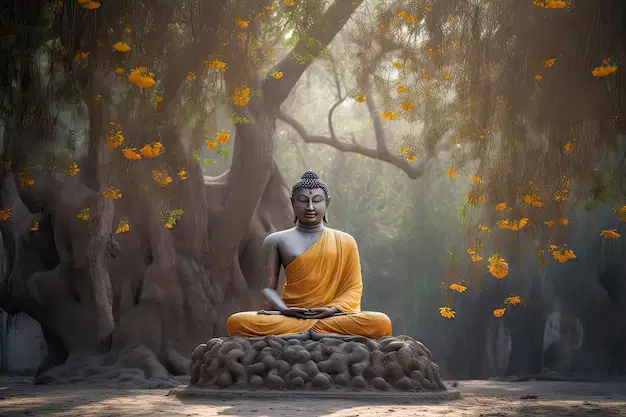
Who was Siddhartha Gautama?

What was the MAIN reason for the construction of the Egyptian pyramids?
Let's dive into Buddha's mind! How would he explain the concept of suffering?
Buddha would say that suffering is an inherent part of existence, caused by desire and attachment, and can be ended by following the Eightfold Path
Buddha would say that suffering is a punishment for past sins
Buddha would say that suffering is unavoidable and has no particular cause or solution
Buddha would say that suffering is a test from the gods
Ready for a trip back in time? Can you tell us what a Mesopotamian ziggurat is?
Is it a type of ancient Egyptian pyramid?
Could it be a type of ancient Roman architecture?
Maybe it's a type of ancient Greek temple?
Or is it a type of ancient Mesopotamian temple tower?
Ready for a time travel? Let's go back to ancient China! Can you guess the 'Four Great Inventions' that they gifted to the world?
Gunpowder, Printing, Compass, Papermaking
The Great Wall, Terracotta Army, Forbidden City, Potala Palace
Confucianism, Taoism, Buddhism, Legalism
Silk, Tea, Porcelain, Rice
Imagine you're a time-traveling historian! How would you say the Silk Road impacted the growth of classical civilizations like China, Persia, India, and Arabia?
It was like a giant marketplace, swapping goods, ideas, and technologies, sparking cultural diffusion and growth of these civilizations
It was a catalyst for wars and conflicts among these civilizations
It was the secret map that led these civilizations to discover America
It was responsible for the extinction of certain animal species in these regions

Let's take a trip back in time! Who do you think was the big boss, handling both the government and religious affairs in Ancient Egypt?
Pharaoh
Priest
Scribe
Soldier
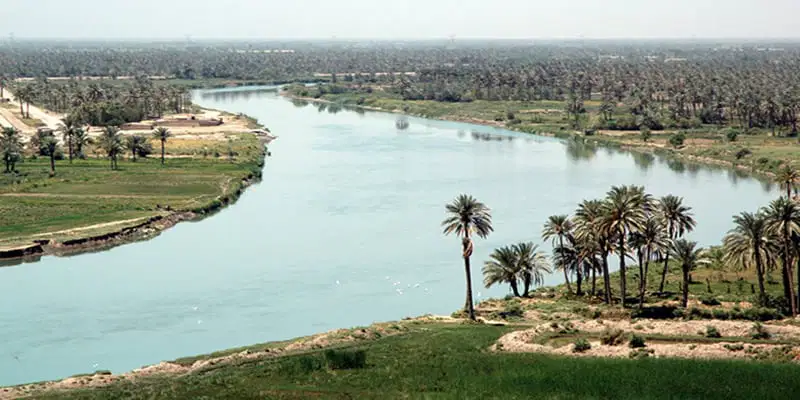
Ready for a journey back in time? Let's go! Can you tell me which two rivers cradle the ancient land known as "Mesopotamia"?
Nile and Jordan
Amazon and Orinoco
Ganges and Brahmaputra
Tigris and Euphrates
Imagine you're an archaeologist and you've just discovered some cuneiform! Which ancient civilization should you thank for this find?
Egyptian Civilization
Roman Civilization
Greek Civilization
Mesopotamian Civilization
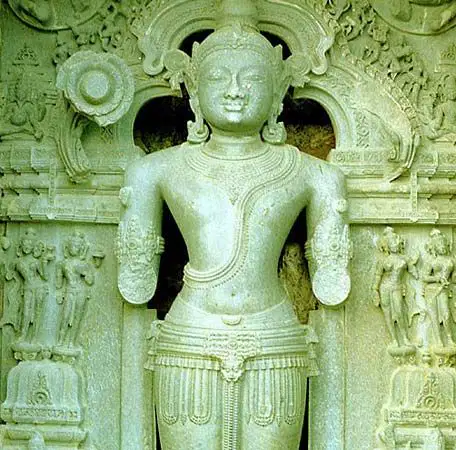
Can you guess the dominant religion that most people in India follow?
Christianity
Islam
Hinduism
Buddhism
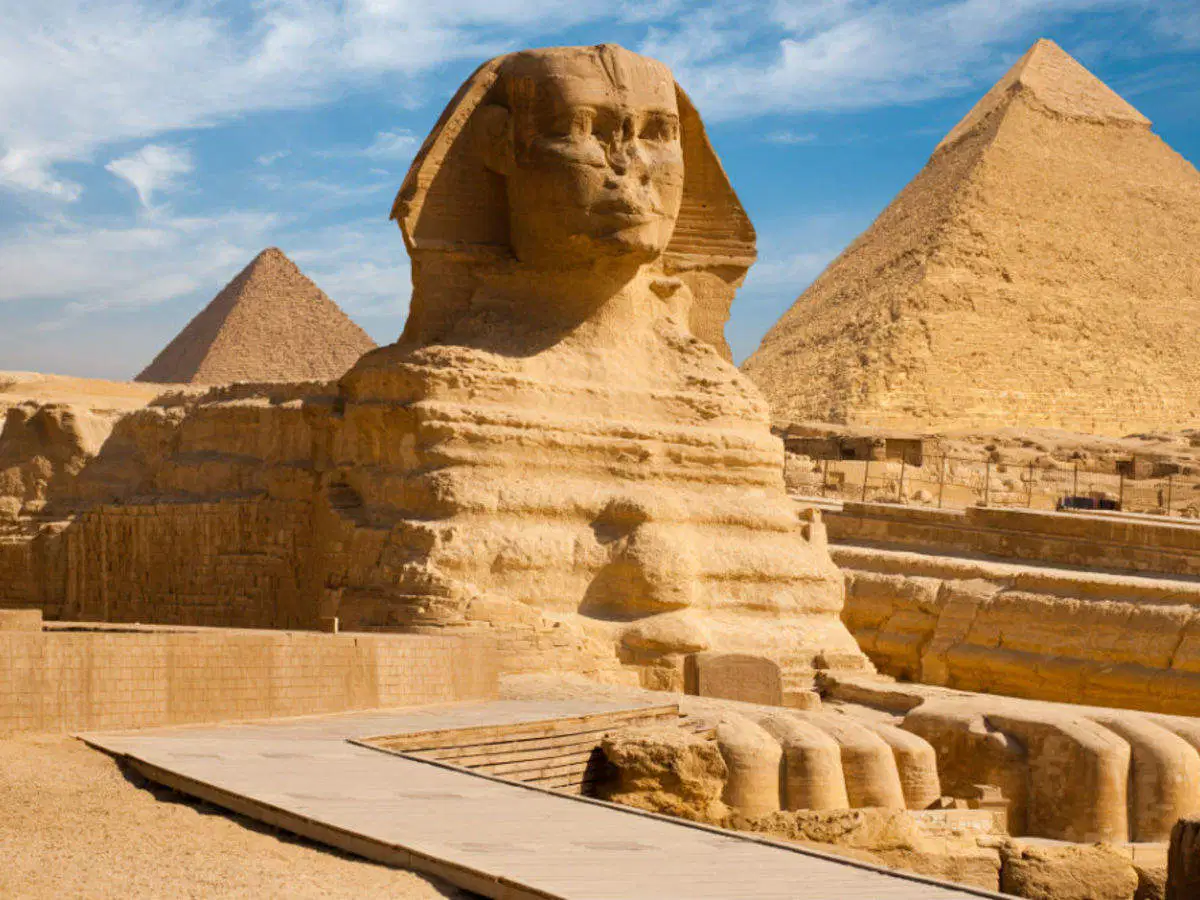
Ready for a trip back in time? Can you tell me where the ancient, mysterious Sphinx is located and what exactly it is?
The Sphinx is a fascinating creature from Greek mythology, tucked away in Greece
The Sphinx is an awe-inspiring ancient statue standing tall in Rome, Italy
The Sphinx is an enigmatic ancient statue, silently guarding the pyramids in Giza, Egypt
The Sphinx is a mythical creature from the captivating tales of Egyptian mythology, found in Egypt
Ready for a brain teaser? Can you tell us what Judaism, Christianity, and Islam all have in common?
Do they believe in multiple gods?
Do they believe in reincarnation?
Do they believe in the Four Noble Truths?
Or, do they believe in monotheism?
Ready for a trip back in time? Can you tell me what the Silk Road was?
Is it a type of silk fabric?
Could it be a famous road in Rome?
Or was it a network of trade routes connecting China and the Far East with the Middle East and Europe?
Maybe it's a popular song from the 1960s?
Which river was essential to the development of ancient Egyptian civilization?
Nile River
Amazon River
Mississippi River
Yangtze River
What was the main purpose of Hammurabi's Code in ancient Mesopotamia?
To keep track of trade routes
To describe farming techniques
To establish a set of laws and justice
To record religious hymns
Which ancient civilization is credited with the invention of the wheel?
Ancient Greece
Ancient Mesopotamia
Ancient Egypt
Ancient India
Which ancient civilization is known for developing a system of writing called hieroglyphics?
Ancient Greece
Ancient Egypt
Ancient China
Ancient India
What was the main purpose of the caste system in ancient India?
To divide land among farmers
To organize society into different social groups based on occupation and birth
To create a military hierarchy
To determine trade routes
Which river valley civilization is considered one of the earliest in world history?
Roman Civilization
Viking Civilization
Mayan Civilization
Indus Valley Civilization
What was the main reason the Indus Valley Civilization is considered advanced for its time?
They invented the compass
They built large armies
They developed a system of writing called cuneiform
They had well-planned cities with drainage and sewage systems
What was the main writing material used by ancient Egyptians for recording important information?
Bamboo strips
Animal skins
Clay tablets
Papyrus
Which of the following best describes the role of a scribe in ancient civilizations?
A merchant trading goods
A person who could read and write, keeping records for the government or temples
A professional soldier
A religious leader
Which philosophy, founded by Confucius, greatly influenced the government and society of ancient China?
Taoism
Legalism
Confucianism
Buddhism
Which river is often called the "cradle of Chinese civilization" because of its importance to early Chinese societies?
Yangtze River
Yellow River (Huang He)
Mekong River
Ganges River
What is the name of the ancient Indian collection of hymns and religious texts composed in Sanskrit?
Vedas
Tripitaka
Torah
Analects
Who was the famous Mauryan emperor known for spreading Buddhism across Asia?
Ashoka
Akbar
Harsha
Chandragupta Maurya
Who is considered the founder of the Gupta Empire?
Chandragupta Maurya
Samudragupta
Chandragupta I
Harsha
Which of the following was a major reason for the decline of the Gupta Empire?
Invasion by the Huns
Discovery of America
Rise of Buddhism
Construction of the Taj Mahal
During the Gupta Empire, which field saw significant advancements, earning the period the title of 'Golden Age of India'?
Oil drilling
Shipbuilding
Space exploration
Science and mathematics
Which of the following best describes the political system established by the Zhou dynasty in ancient China?
A feudal system where land was granted to nobles in exchange for loyalty
A centralized bureaucracy with strict laws
A democracy with elected officials
A theocracy ruled by religious leaders
What major change did the Qin dynasty introduce to unify Chinese civilization after the Zhou period?
They promoted Confucianism as the state philosophy
They encouraged local rulers to govern independently
They standardized weights, measures, currency, and writing systems
They abolished all forms of taxation
How did the Zhou dynasty justify their rule over China?
By establishing a direct democracy
By conquering all neighboring kingdoms through military force alone
By inventing new technologies
By claiming the Mandate of Heaven, which stated that the right to rule was granted by the gods
Which concept from ancient Chinese philosophy describes the balance of opposite forces in the universe?
Mandate of Heaven
Yin and Yang
Ancestor Worship
Legalism

