
 Worksheets
Ecology Part 2 - Relationships
Total questions: 18
Worksheet time: 18mins

A pearlfish spends the day inside the alimentary tract, or intestines, of a sea cucumber. The fish emerges from the sea cucumber at night to feed on small crustaceans. The pearlfish gets a safe place to live. The sea cucumber does not gain anything from the relationship, nor is it harmed.
(a)

A cymothoid isopod lives inside the mouth of a snapper fish. The isopod severs blood vessels in the fish’s tongue, causing the tongue to atrophy and degenerate. The isopod then hooks its pereopods, or legs, to the base of the fish’s tongue, essentially replacing the tongue. The isopod stays there for the rest of its life, feeding on blood, mucus, and stray pieces of food from the fish.
(a)

A boxer crab carries a pair of small anemones in its chelipeds, or claws. When approached by a predator, the crab waves the stinging tentacles of the anemones to deter the predator. The anemones benefit from the small particles of food dropped by the crab during feeding.
(a)
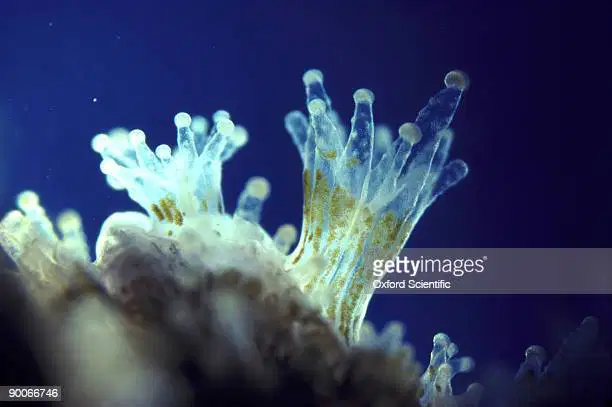
Corals feed off the byproducts of a microscopic algae living within their own tissue, called zooxanthellae. The photosynthetic activity of the algae is vital to the survival of the coral animals, which use the energy to extract calcium from the seawater and build their calcareous skeletons. The zooxanthellae are protected by the hard coral and obtain plant nutrients from the coral.
(a)

Imperial shrimp attach themselves to sea cucumbers and get transported by their host to a large area of potential food with only a minimal expenditure of energy. They have been observed getting off their host cucumber to feed in productive areas and then getting back on for a ride to the next spot.
(a)

The siboglinid tube worm, found at deep-sea hydrothermal vents and cold seeps, has no digestive tract. It relies on symbiotic bacteria that live in the tube worm’s tissues. The bacteria oxidize hydrogen sulfide or methane for the worm.
(a)
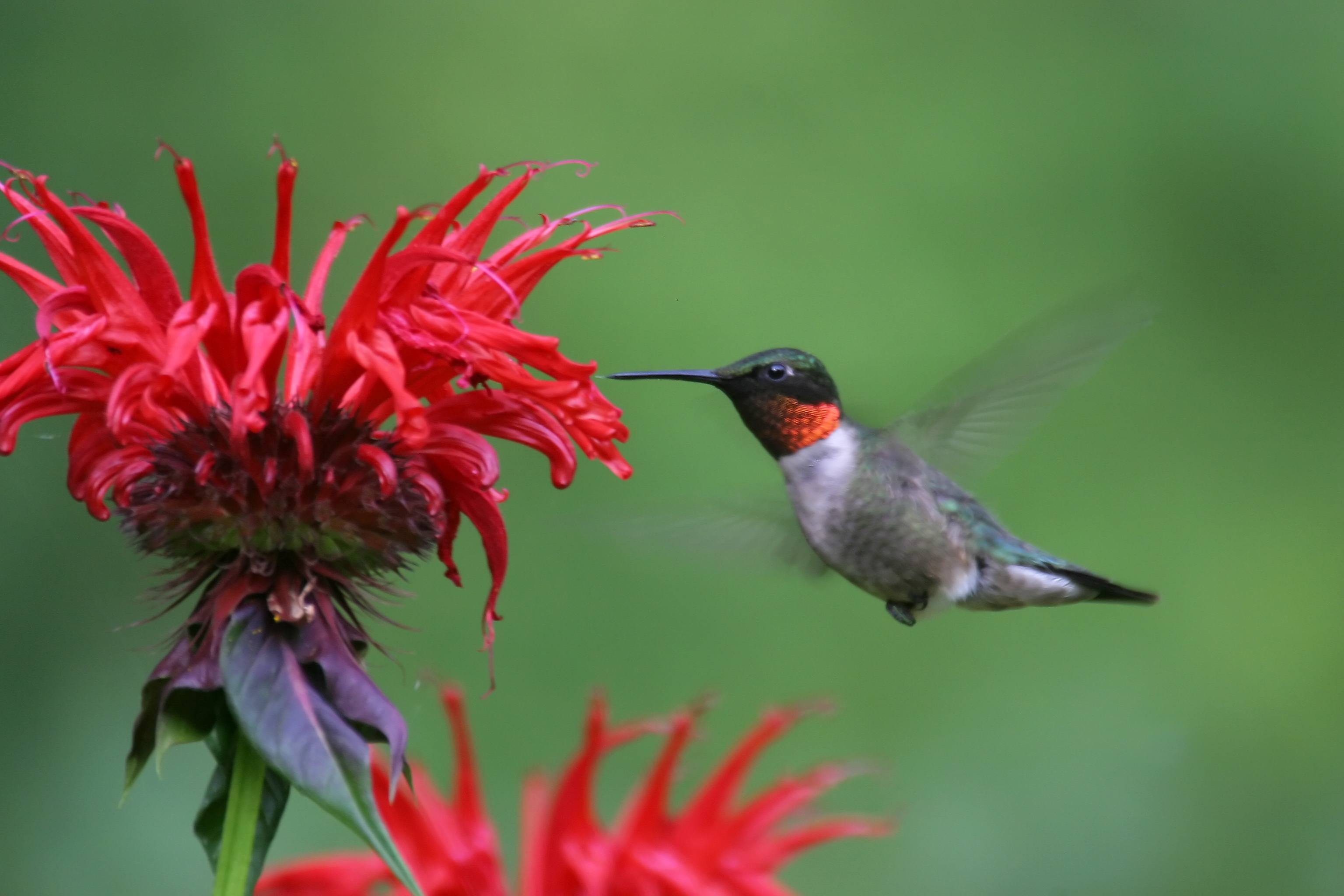
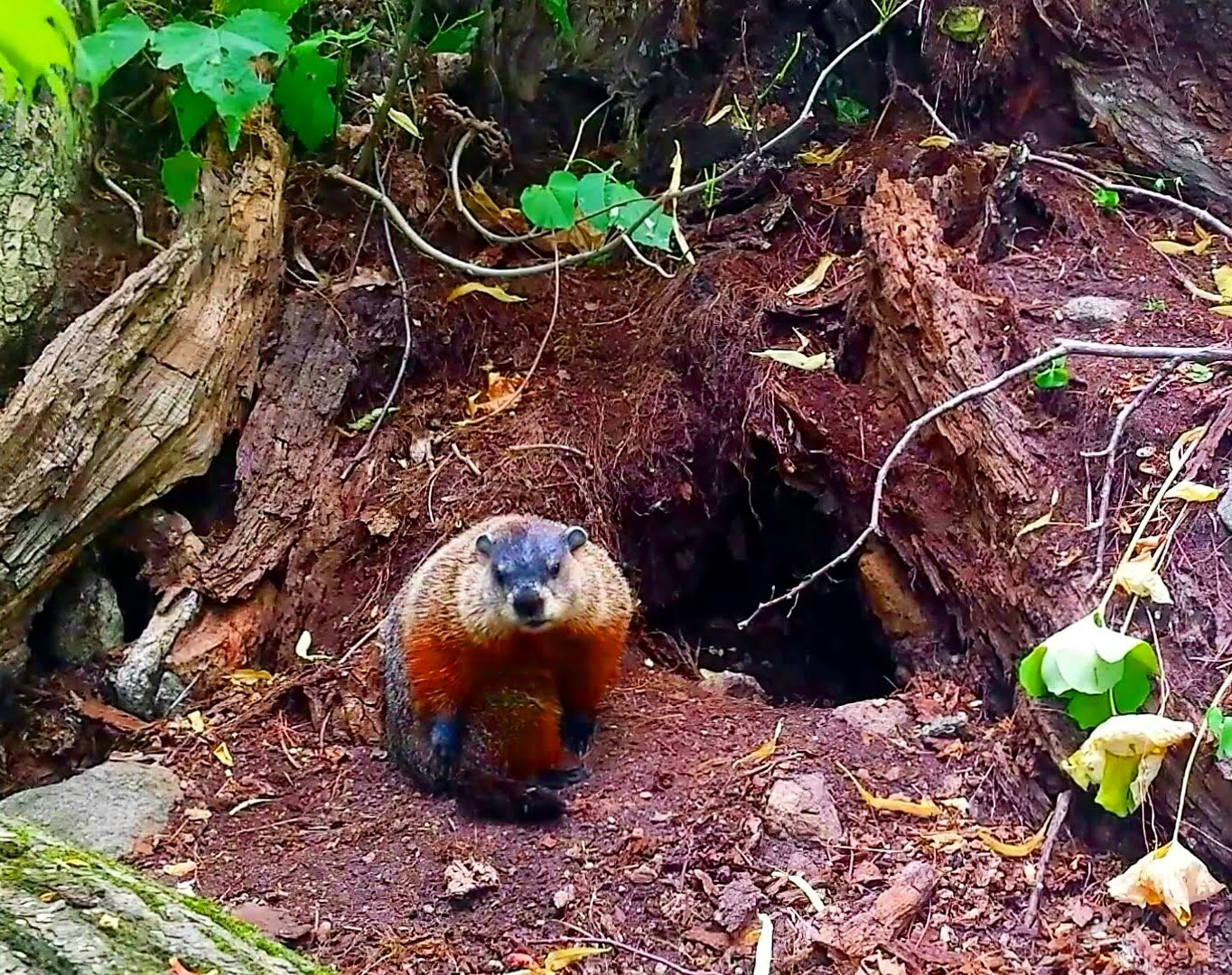
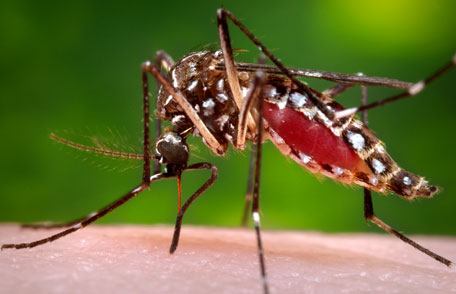
When a mosquito bites you, you are the (a) , and the mosquito is the parasite.
When a mosquito bites you, you are the host, and the mosquito is the (a) .

Aphids are tiny insects that live on and eat the leaves of plants, removing vital nutrients from the plants.
Predation
Parasitism
Commensalism
Mutualism
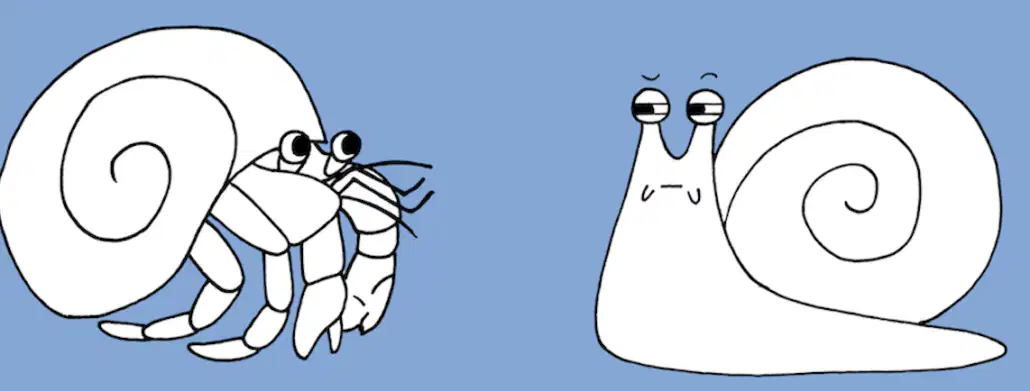
What type of symbiosis is this?
*Hermit crabs find shells left by snails that have died and move in.
* Snails die and leave behind their shells.


_______ occurs when two organisms are trying to acquire or get the same resources.
Symbiosis
Competition
Predation
Collaboration
_______ occurs when 1 organisms kills and eats another for food.
Symbiosis
Competition
Predation
Collaboration

