
NEW
Font size
 Worksheets
! History Basics Notes 1 - 3 QUIZ
Total questions: 33
Worksheet time: 21mins

The original painting of the Mona Lisa created by Leonardo de Vinci in Paris would be considered a _________________.
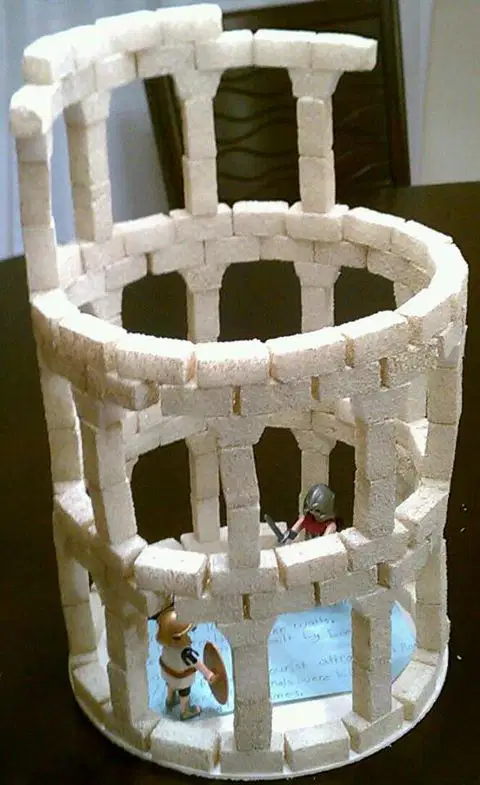
A scale model of the Roman Colosseum made by a student would be a ____________ source.
primary
secondary

Fill in the blanks: Historical events are linked by __________ (what makes an event happen) and _________ (the things that occur as a result of an event).
cause, effect
effect, cause
primary sources, secondary sources
secondary sources, primary sources

A "smart person" is known as a _____________.
slacker
shiner
scholar
smoler

What is the job of an Archaeologist?
To study the past by analyzing artifacts that were carefully dug up.
To study only fossils from dinosaurs and sea creatures
To find sea shells and sell them to make a profit
To study geography and relate it to ancient peoples
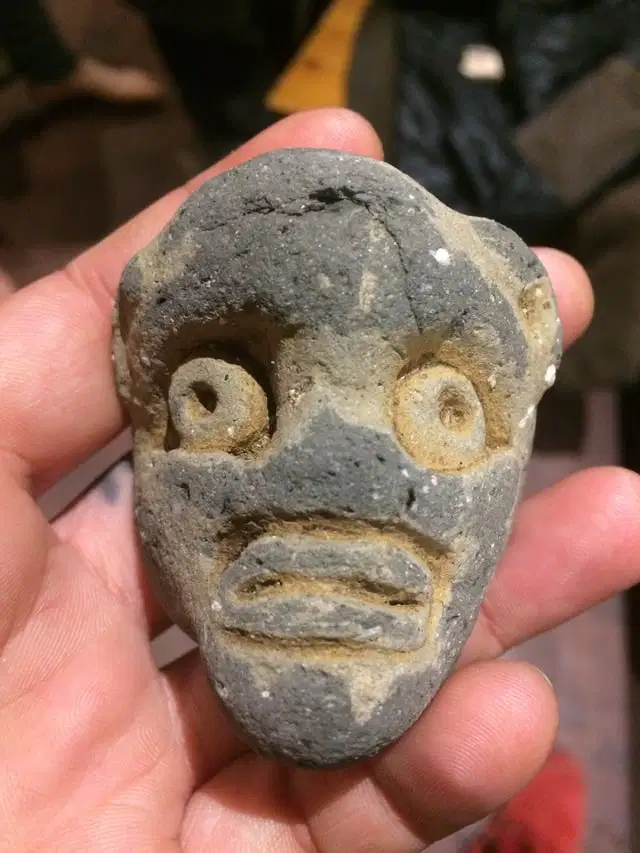
A way to observe and study data
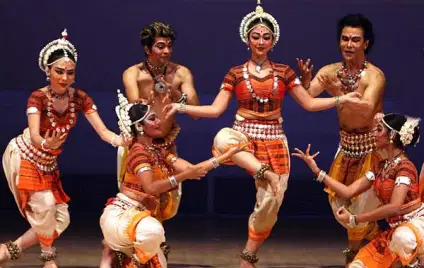
The customs, art, music and clothing of a group of people are examples of their
artifacts
bias
culture
credibility
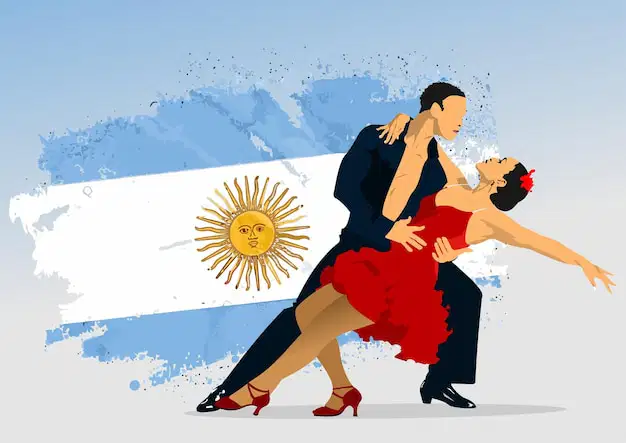
The Tango is a famous dance created in Argentina in the early 1900's. It is an excellent example of Argentina's _____________.
bias
scholars
culture

These statues on Easter Island were created by ancient people and are called Moai. What are they an example of?
Artifacts
cause and effect
Fossils
Rewriting history to reflect new discoveries of fact, evidence, and interpretation (explanation) is known as _________________
Archaeology
Revisionist History
Anthropology
If someone says you are "credible" or have "credibility," what do they mean? You are ____________.
a biased person
truthful
an anthropologist
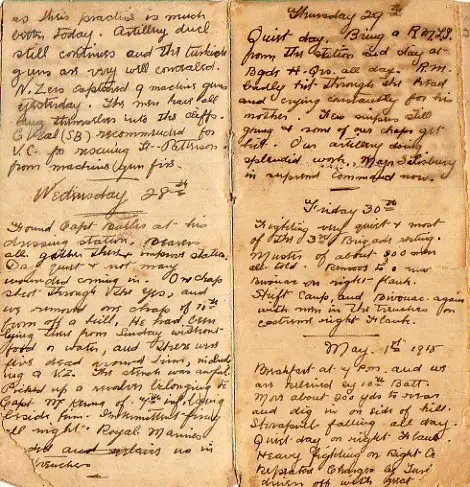
Fill in the blanks: Historians rely on ___________, mostly from ___________.
the internet, prehistory
their point of view, bias
evidence, primary sources
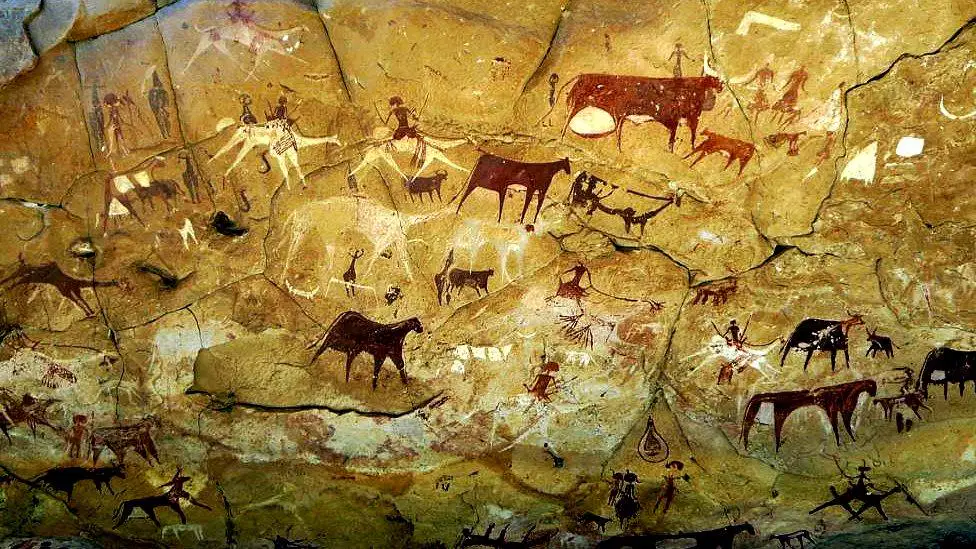
What is Prehistory?
History before written records
Mesopotamian writing, also called "cuneiform"
An unreasonable, emotional opinion
Many history classes learn by using textbooks. What kind of source would that be?
Primary
Secondary
Third

Which document is an example of a primary source?
the diary of a survivor of a soldier in World War II
a textbook on Russian history
an encyclopedia article on religions of the Middle East
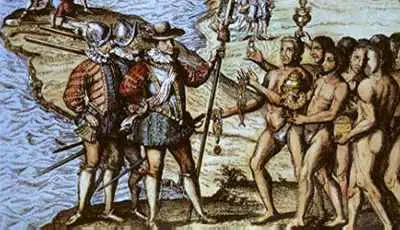
Christopher Columbus was celebrated by many as the explorer who discovered the American continents. He was seen as a hero. Years later, many historians discovered new primary sources stating that he was cruel to the peaceful natives. In today's culture, some people do not want to celebrate him.
This is a great example of _____________.
revisionist history
prehistory
scholars digging up artifacts

A biography about Abraham Lincoln (who lived in the 1800's) written by a teacher in 1960 is a ______________.

An autobiography is a book about a person's life written by that person. An autobiography is considered a ____________.

A document created about an event, but not experienced by the person themselves is a...
Primary Source
Secondary Source
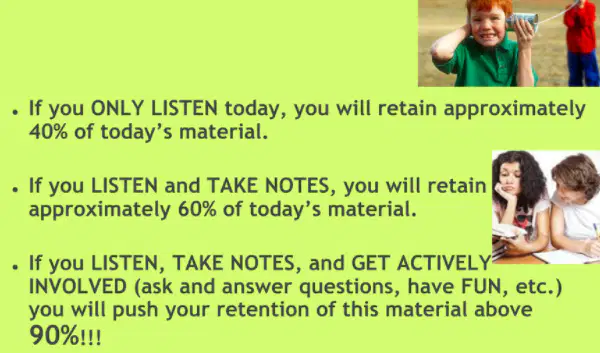
Read and examine the bullet points in green.
If you take notes, think about the notes, ask questions, etc., what percentage of the information could you possibly remember?
100%
50%
90%
75%
Note-taking is a procedure for recording information from anything that is read, said, or done. Taking notes enhances understanding as you process, organize, and restate the information in your own words. It also encourages critical thinking and problem solving as you must actively search for main topics and key supporting details.
How does taking notes help you remember? Read all of the answers before you choose.
Notes do not really help you learn.
Your brain must talk to your hand to write the words. This helps you remember.
Hearing the teacher talk is the best way to learn.
**Students: If a question is long, you may need to scroll down to see the entire thing.**
The two-column note format makes it easy to review and study notes!
Students can review the details in the right column, cover that column, and use the big ideas from the left column as a study guide for those details. Similarly, students can review the big ideas in the left column, cover that column, and use the details from the right column as a study guide for those big ideas.
Which statement is true?
Two-column notes make it easier to study!
Two-column notes are not very helpful.
"Those who cannot remember the past are condemned to repeat it."
-George Santayana
What could this statement mean?
Studying history can help you make decisions today.
Things that happened in the past stay in the past. Past events don't matter.
History is super boring and does not make a difference in my life.

HERODOTUS
“The Father of History”
He was the leading source of
original historical information
from Greece, western Asia,
and Egypt. He lived around 550 BCE.
**According to this information, why may he be important?
He was very athletic and was an amazing painter.
He was an actor on the stage in ancient Greece.
He was the first person to write down many events from the past, which we can now learn about.

What does this picture show?
(If you click on the picture, it will get bigger
so that you may better examine it.)
An archaeological dig site that could be uncovering evidence of ancient life.
Most likely a future playground that they will open at an amusement park.
This is a group of tourists buying souveniers (keep-sakes) at the end of a vacation.
Why are strikes important?
Please read ALL of the answers before you choose!
If the teacher has all of the students used to and following rules, eventually hardly any class time is wasted reteaching rules and giving strikes.
If a teacher loses control of the class, not many kids can learn. Also, things can get awkward, loud, and distracting.
Sometimes, a gentle reminder of a rule is necessary for even the most responsible students.
All of the choices are correct.

A person who is there to see something happen.
Witness
Bias
Opinion
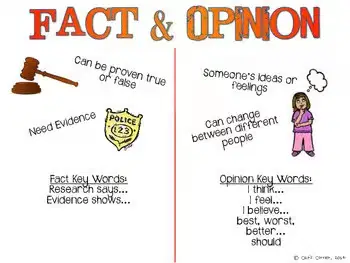
Something real or true.
Any paper that looks like it is old.
Fact
Bias
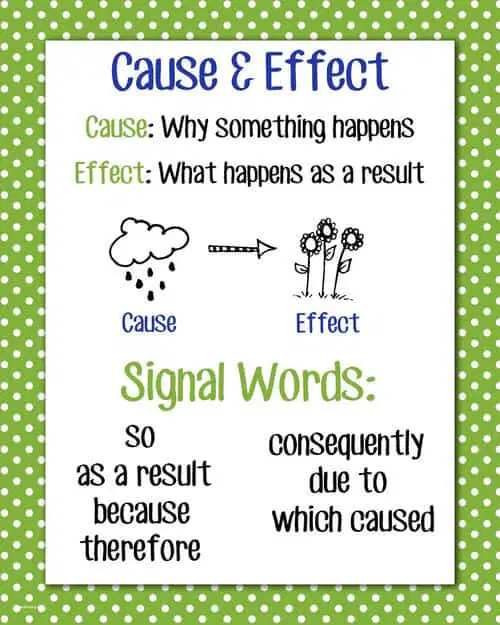
A ___________ is WHY something happens, and an ____________ is WHAT occurs as a result.
cause, effect
effect, cause
history, artifact

In a history class, Daniel read an account of a historical event written by someone who DID NOT witness the event. What is this called?
a bystander
an accountant
primary source
secondary source
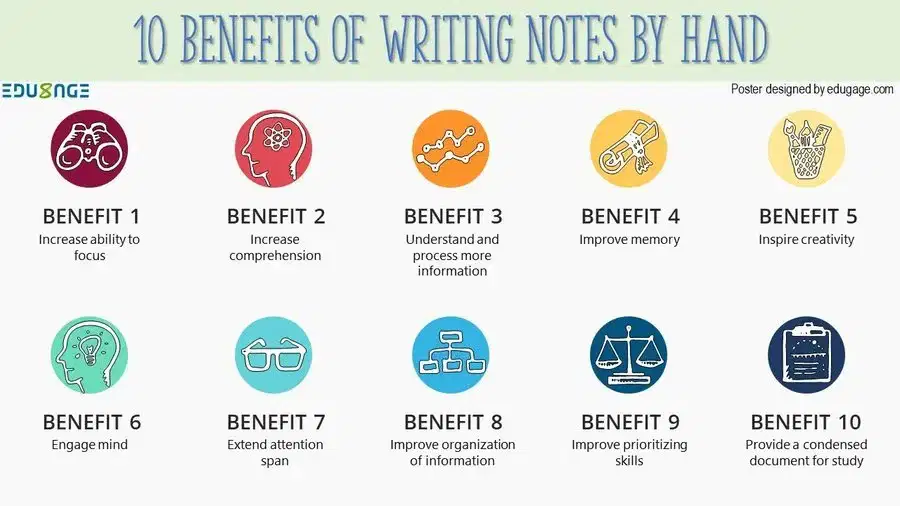
Which of the following are benefits when writing notes by hand? (Click on the image to enlarge it.)
*READ ALL OF THE ANSWERS BEFORE YOU CHOOSE ONE!*
Increases your ability to focus.
Improves organization of information
Engages your mind
Improves your memory
All of the answers here are correct!
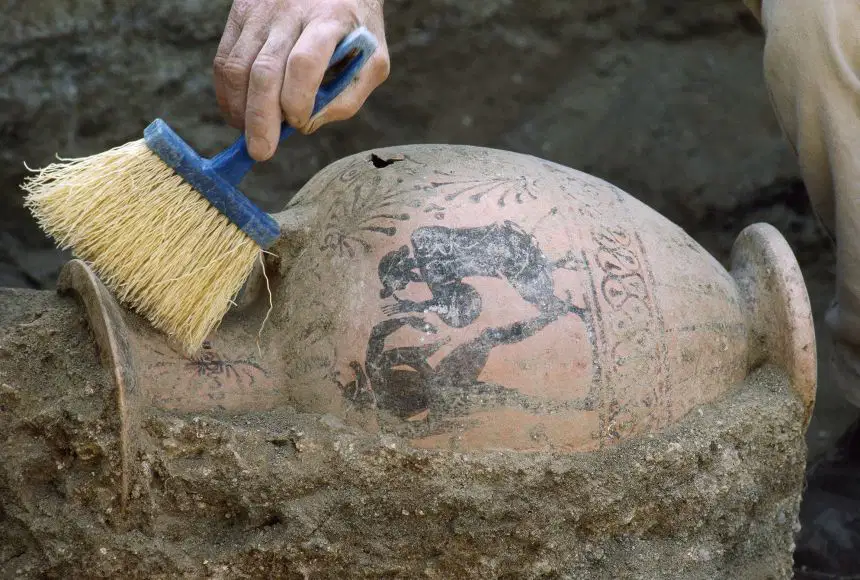
An artifact is an object made by a human being. Artifacts include art, tools, and clothing made by people of any time and place. Artifacts are very useful to scholars who want to learn about a culture. Archaeologists EXCAVATE areas in which ancient cultures lived and use the artifacts found there to learn about the past. Many ancient cultures did not have a written language, so artifacts sometimes provide the only clues about how the people lived.
In the paragraph above, what do you think the word "excavate" means?
to estimate (guess) the age of an item
an enclosed burial place, a tomb
to expose by digging

Based on the fact that Mrs. Fedo drinks coffee, dances with her coffee cup, sings to her coffee cup, and takes her coffee cup to the movies, I can infer (take an educated guess) that her favorite drink is coffee.
True
False
(Don't pick this)

