
 Worksheets
Modules 1, 2, 3 & 4 NSW Yr 11Biology Syllabus Revision Questions
Total questions: 180
Worksheet time: 6hrs 0mins
active transport
DNA
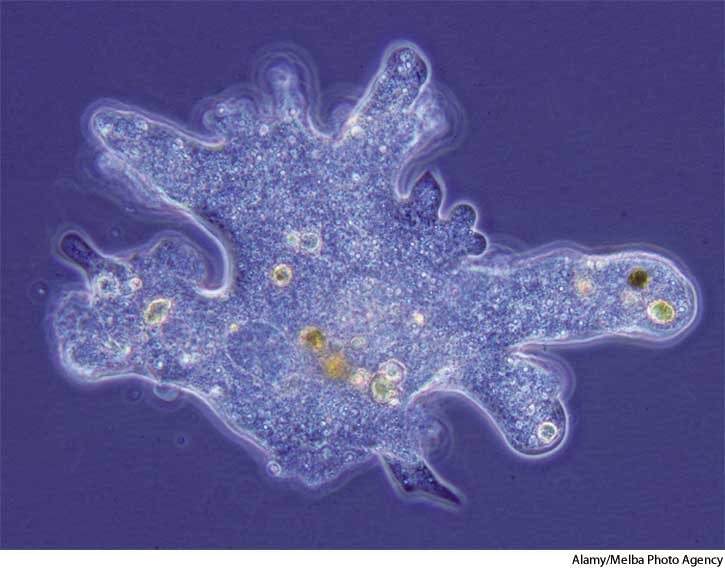
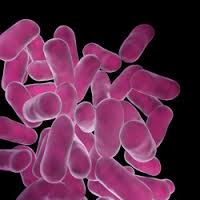
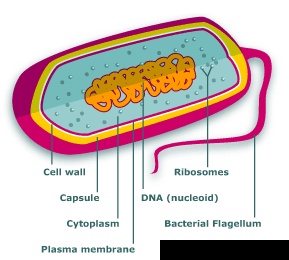
cells can have different numbers or organelles because of the cell's function.


Which of the following statements about unicellular organisms is NOT correct?
They have a complex structure.
They include Archaea and Bacteria.
They have a high SA:V ratio and rely on diffusion to obtain nutrients and remove wastes.
They are thought to be the earliest organisms to inhabit Earth.
Which of the following is NOT an advantage of a multicellular organism?
These organisms can grow to a large size.
Each cell is incapable of surviving on its own.
Multicellular organisms can carry out complex activities far beyond the capabilities of single cells.
Multicellular organisms have well developed communication systems.
The shape of the root hair cell is a small protrusion from the root and it advantage for the plant is:
provides a much greater surface area to anchor the plant in the soil.
increases the surface area for the oxygen to diffuse out of the root.
increases the surface area to absorb the glucose required by the plant.
provides a much greater surface area for the absorption of water.
Which of the following lists the levels of organisation in a multicellular organism, from the simplest level to the most complex level?
Organism, organ system, organ, tissue, cell, organelle
Organelle, cell, organ, tissue, organ system, organism
Organism, organ system, tissue, organ, cell, organelle
Organelle, cell, tissue, organ, organ system, organism
The lowest level of organisation that is able to perform all of the activities required for life is:
the cell; for example, a muscle cell.
the organelle; for example, a mitochondrion.
the organ; for example, the heart.
the tissue; for example, heart muscle tissue.
Select the option that correctly fills in the gaps in the following sentence. The skin is a(n) (i)__ that is mainly made up of (ii)__ tissue.
(i) tissue, (ii) epithelial
(i) organ, (ii) connective
(i) tissue, (ii) connective
(i) organ, (ii) epithelial

This microscope image has to be a living thing because it is
green.
moving.
made of cells.
round throughout.
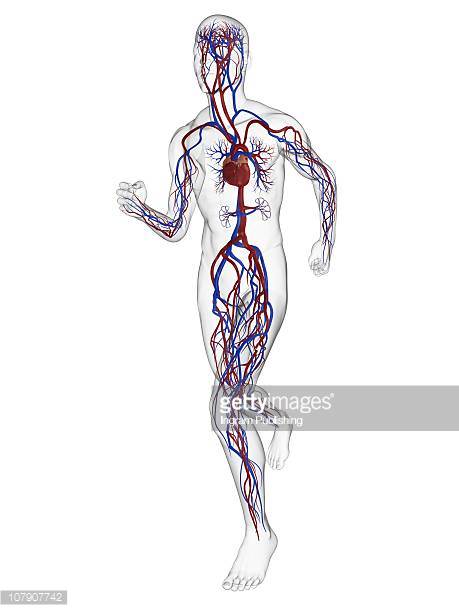
What is the main organ of the circulatory system?
small intestine
bone
lungs
heart
This particular blood vessel carries deoxygenated blood from the lower half of the body to the right atrium
super vena cava
inferior vena cava
pulmonary artery
pulmonary vein
How does most of the water needed by the plant get into its leaves?
It enters via osmosis through the stomata
The roots absorb it via osmosis and then it travels up the xylem
It's made during a chemical reaction in the stem
The flowers capture water and deliver it to the leaves through the xylem

Where in the cell does cellular respiration (also called aerobic respiration) take place?
The main driving force for the movement of water from the roots to the top of the plant is:
the negative gravitational pull from Earth.
the atmospheric pressure on roots.
osmosis in the roots.
the tension caused by the evaporation of water through the stomata.
The term given to (i) the movement of the products of photosynthesis throughout the plant and (ii) the main model for the way it travels is:
(i) translocation and (ii) only one direction
(i) transpiration and (ii) cohesion-tension theory
(i) transpiration and (ii) transpiration
(i) translocation and (ii) source to sink

Which of the following types of tissue are represented by the diagram below?
Xylem
Xylem and phloem
Vascular bundle
Phloem
The movement of substances in the phloem is caused by:
the formation of high pressure areas at the sink and low pressure areas at the source.
the movement of water in the xylem.
the formation of high pressure areas at the source and low pressure areas at the sink.
the formation of equal areas of pressure at both the source and the sink.
Which of the following best describes how a region of high pressure is formed in the phloem tissue?
Water is actively pumped into the phloem tissue, which creates a dilute solution, which in turn causes sugars to move by diffusion into the phloem.
Sugars are actively pumped into the phloem tissue, which creates a concentrated solution, which in turn causes water to move by osmosis into the phloem.
Sugars move by diffusion into the phloem tissue, which creates a concentrated solution, which in turn causes water to be actively pumped into the phloem.
Water moves by osmosis into the phloem tissue, which creates a dilute solution, which in turn causes sugars to be actively pumped into the phloem.
The composition of blood changes as it moves through the circulatory system. After blood has passed through a particular organ in mammalian body it was found to have less oxygen, more carbon dioxide, more glucose and more amino acids.
The organ that the blood has passed through is most likely:
the lungs.
the kidney.
the large intestine.
the small intestine.
What is the main function of the leaf?
To absorb sunlight and carry out photosynthesis
To provide shade for the plant
To provide food for animals
To carry out respiration
The leaves of plants are adapted to absorb the maximum amount of sunlight possible.
Which of the following options is NOT an adaptation of the leaf to absorb the maximum amount of sunlight?
Thin, flat structure
Palisade mesophyll cells packed with chloroplasts
Cuticle covering the upper and lower surface of the leaf
Vertical, elongated palisade cells
In an experiment, two leaves were taken from the same plant and examined under a light microscope. In leaf 1 most of the stomata were closed; in leaf 2, most of the stomata were open.
What is the most likely explanation for this difference?
Leaf 1 was removed when the plant was still growing; leaf 2 was removed when the plant was mature.
Leaf 1 was removed when the plant was water stressed; leaf 2 was removed when the plant was not water stressed.
Leaf 1 was removed on a cold day; leaf 2 was removed on a very hot day.
Leaf 1 was removed during the day; leaf 2 was removed at night.
The alveoli situated within the lungs is the gaseous exchange surface in mammals.
Which of the following is NOT a characteristic that would ensure efficient gas exchange?
The large number of small alveoli provides a large surface area.
Each alveolus has a single layer of flattened cells.
The surface of all parts of the respiratory system is moist.
A small number of capillaries surround each alveolus.
A terrestrial animal has a respiratory system that has openings, called spiracles, that contain valves to regulate their opening and closing. Air enters the spiracle and moves into tracheal tubes which branch into tracheoles that bring the air directly to the cells.
Which of the following correctly identifies the terrestrial animal that possesses this system for gaseous exchange?
Fish
Birds
Insects
Reptiles
We chew food in order to break it down from large pieces into small pieces to increase its surface area.
This is an example of:
chemical digestion.
initial digestion.
physical digestion.
mechanical digestion.
Which of the following organs in the digestive system are lined with villi?
Oesophagus
Stomach
Small intestine
Large intestine

The air sacs that are covered with capillaries where gas exchange takes place.
Bronchi
Trachea
Oxygen
Alveoli

What adaptations does the alveoli have for efficient gas exchange?
thick walls
thin walls
small surface area

The diagram shows the structure of the human gas exchange system. Name organ P.
alveolus
trachea
bronchus
diaphragm
In this word equation for cellular respiration, what do x and y represent? What is the form that energy is created in?
Glucose + x --> y + water + energy
x: carbon dioxide
y: methane
energy: joules
x: carbon dioxide
y: oxygen
energy: ATP
x: oxygen
y: carbon dioxide
energy: ATP
x: sugar
y: oxygen
energy: joules
Colonial organisms are
composed of more than one cell, with groups of cells differentiating to take on specialized functions.
composed of many physically connected, interdependent individuals. Only unicellular organisms can form a colonial structure.
A group of the same kind of animals or plants, living or growing together.
composed of many physically connected, interdependent individuals. Both unicellular or multicellular organisms can form a colonial structure.
Autotrophic eukaryotic organism could be recognised by
Having an organelle such as a chloroplast
Having the photosynthetic patch
Having a cell wall
Having no organelles but a way to produce their own food
The organ that changes the chest capacity thus driving the pressure changes in respiration is called the
(a)
Radioactive carbon-14 (¹⁴C) is often used to study carbon movement in plants. Which process does the use of ¹⁴C help scientists investigate?
Transpiration
Respiration
Photosynthesis
Germination

Variety of different kinds of organisms that make up a community.
species diversity
genetic diversity
ecosystem diversity
biome diversity

The variety of genes within a given species
species diversity
genetic diversity
ecosystem diversity
biome diversity

Variety of habitats, communities, and ecological processes in the biosphere
species diversity
genetic diversity
ecosystem diversity
biome diversity

Place where an organism lives
ecological niche
habitat
home
area
All the organisms of the same species living in the same area
Community
Population
Habitat
Ecosystem
The non-living parts of the environment such as rocks, air, temperature, sunlight, and water
Abiotic
Biotic
Habitat
Community
A group of very similar organisms that can mate and reproduce offspring of the same type
Community
Population
Species
Niche
This group of organisms are made up of predominately autotrophs, either photoautotrophs or chemoautotrophs
producers
primary consumers
tertiary consumers
decomposers
These organisms must eat to obtain their energy
autotrophs
heterotrophs
producers
niche
All the living and nonliving things in an area (biotic & abiotic)
population
community
ecosystem
biome
A gene pool is
the sum of all genes within a population
the sum of all genes within a community
the sum of all genes within an individual
the sum of all genes within an ecosystem
Members of a community will stay in the same area
false
true
A symbiotic relationship in which one organism is harmed and another benefits is
mutualism
parasitism.
commensalism.
predation.
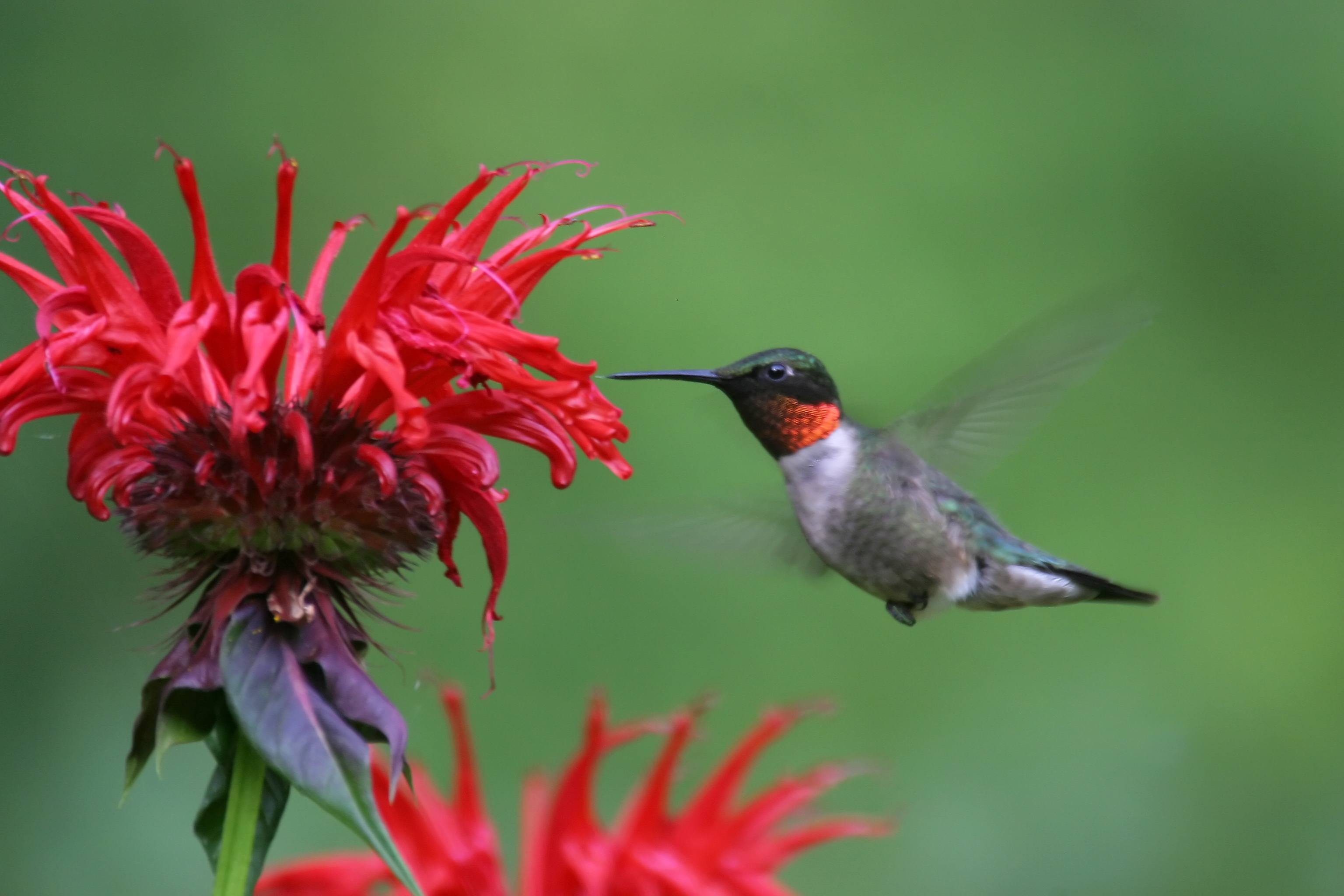

What is a habitat?
The natural home or environment of an animal, plant, or other organism.
The interrelationship of a species with all the biotic and abiotic factors affecting it.
A biological community of interacting organisms and their physical environment.
The natural home or environment of non-living organisms.

What is a niche?
The place or function of a given object within its ecosystem.
The place or function of a given organism within its ecosystem.
The natural home or environment of an animal, plant, or other organism.
The natural home or environment of an object.
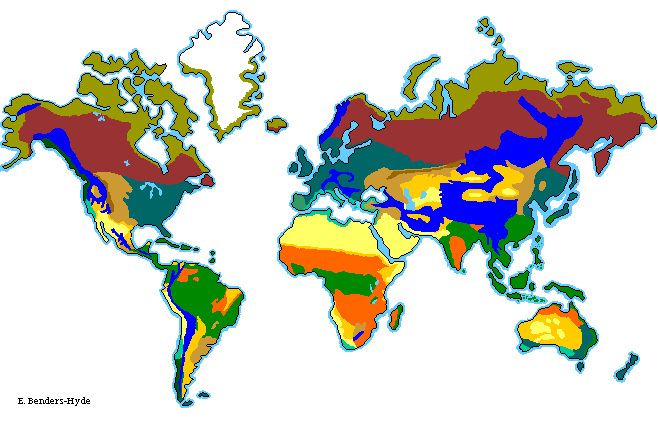
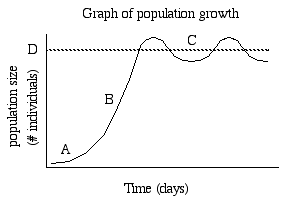

The diagram shows the impact of birds feeding on a population of beetles over time.
Which of the following accounts for the change in the beetle population?
Mutation
Gene flow
Genetic drift
Environmental pressure
Which of the following is a physiological adaptation?
Thick waxy cuticle on the leaves of Eucalyptus trees.
Large spikes and specialised water catching scales of the Thorny Devil lizard.
Accumulation of salt in old leaves and bark of mangrove trees that can be dropped and so removed from the tree.
Living and feeding in communities or groups, as practised by meerkats, to make themselves less vulnerable to predators.

The image above depicts four of the Galapagos finches that Charles Darwin observed during the voyage of the HMS Beagle. These finches helped Darwin develop his Theory of Evolution.
What type of evolution do the finches represent?
Divergent Evolution
Transverse Evolution
Subvergent Evolution
Convergent Evolution
Darwin and Wallace proposed the theory of evolution by natural selection.
Punctuated equilibrium differs from this theory in that punctuated equilibrium:
requires genetic variation to exist in a population.
is driven by selection pressures in the environment.
discounts the idea that living organisms share a common ancestor.
occurs in relatively short bursts of rapid change.


Gas analysis of ice cores in Antarctica has shown which trend over the last 100 years?
Atmospheric concentrations of greenhouse gases have increased
There has been no change in atmospheric concentrations of greenhouse gases
Atmospheric concentrations of greenhouse gases have decreased
Global temperatures have decreased
What type of environment are sclerophyll plants adapted to?
tropical climates with nutrient rich soils
wetlands and estuaries
harsh, dry climates and nutrient-deficient soils
mangrove swamps

What is the highest number trophic level in this food web?
4
3
2
5
Students wanted to investigate the distribution patterns of periwinkles and brown algae at various distances from the high tide mark on a rock platform. The best sampling technique would be:
Point Sampling
Transect
Quadrats and Transect
Capture-Recapture




A placental squirrel in North America resembles a marsupial squirrel in Australia. They are genetically and geographically separated. This is best explained by ___.
convergent evolution
divergent evolution
spontaneous generation
vestigial structures
The average individuals in a population are favored in _____ selection.
directional
stabilizing
disruptive
natural
In _____ selection, individuals with both extreme forms of the trait are at a selective advantage.
directional
stabilizing
disruptive
natural
_____ selection favors one extreme form of trait in a population.
directional
stabilizing
disruptive
natural
What is the movement of genes into and out of a gene pool called?
random mating
nonrandom mating
gene flow
direct evolution
A clear fish imprint in a rock indicates the rock is _____.
volcanic
sedimentary
metamorphic
igneous
A species of frog, over time and through mutations, becomes two species as it spreads from swamp to swamp. This is an example of:
Adaptive radiation
Coevolution
Convergent evolution

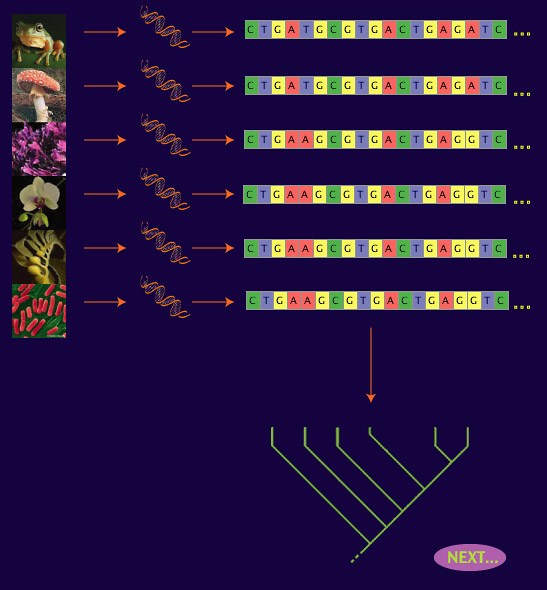
The science of grouping and naming organisms
Phylogeny
Dichotomy
Taxonomy
Genetics
Which of the following is the CORRECT form of a scientific name?
canis lupus
Canis Lupus
Canis lupus
canis lupus
Which taxonomic level would include the LEAST number of organisms?
species
genus
order
phylum
A ________ can be used to classify organisms based on characteristics.
punnet square
phylogenetic chart
trophic pyramid
dichotomous key
The scientist who came up with the current classification system
Darwin
Newton
Mendel
Linnaeus
Adaption can mean several things. Please select the correct ways it is used.
Process that occurs over time and generations to allow organisms to adapt to their environment.
A trait (gene) that developed over time and generations
The amount of fitness an organism has inherited to fill a niche
A trait gained after birth in a single organism which is not genetically linked.
A monkey has a long tail to help it swing from branch to branch in a dense forest.
Behavioral Adaptation
Structural Adaptation
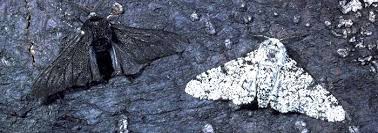
Hummingbirds have a beak just the right length to reach the nectar in a cardinal flower and as they feed their foreheads bump into the pollen structure. Cardinal flowers are red which hummingbirds can see but bees can’t. Cardinal flower’s pollen structure is just the right length for the hummingbird to pick up pollen as it feeds. This is an example of which type of Evolution
Convergent
Divergent
Co-evolution
In the ocean surrounding Antarctica, there are fish that survive the cold water by using a molecule made of glycoproteins that circulates the blood and keeps it from freezing. Certain kinds of worms that live in the Arctic ocean also make antifreeze proteins that help them live in icy water. This is an example of which type of evolution?
Convergent Evolution
Divergent Evolution
Coevolution
The beaver in North America and the capybara in South America share a common ancestor, but have evolved over time to look different. This is an example of which type of evolution?
Convergent Evolution
Divergent
Coevolution
Whales, sharks, and penguins all have streamlined bodies and fins/flippers for moving in water even though they belong in different classes of animals (mammals, fish, and birds) and are not closely related. This is an example of which type of structure?
Analogous
Homologous
Vestigial
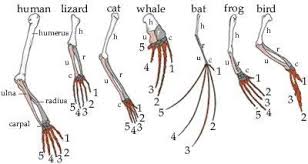
Humans, birds, whales, and lizards all have similar arm bones. Their genetics show they are closely related. What kind of structure is this?
Analogous
Homologous
Vestigial
Homologous structure
Analogous structure
Vestigial Structure
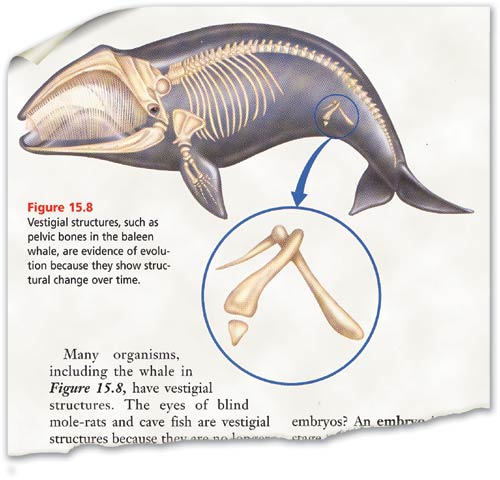
The hind leg bones in a whale are examples of which kind of structures? Human wisdom teeth and appendix are other examples of this.
homologous structures
analogous structures
fossils
vestigal structures
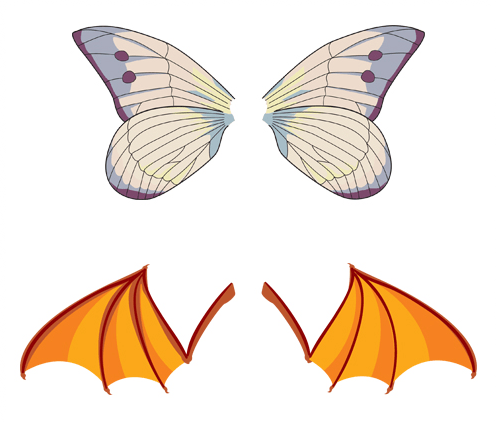
How would you describe the type of evolution resulting in this structure of two distantly related organisms?
Convergent
Divergent
Coevolution
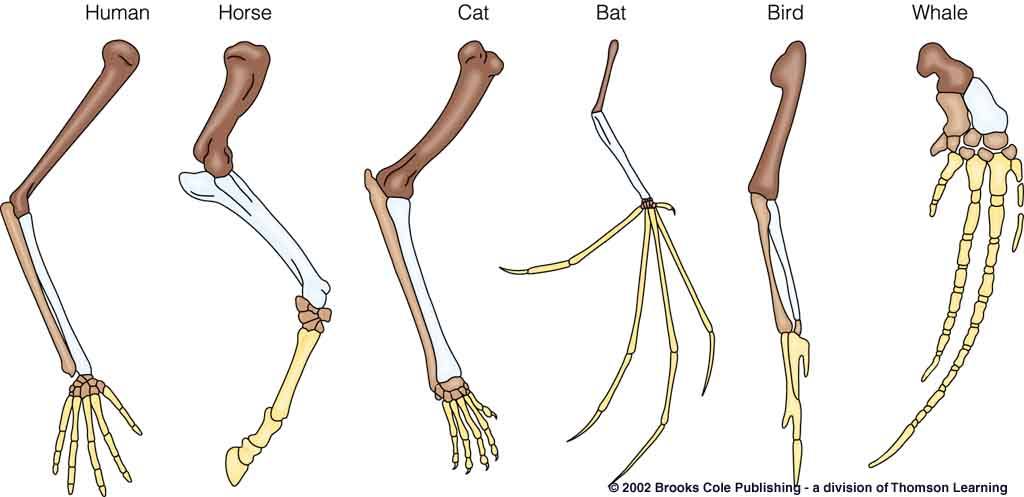
The structures shown are from closely related organisms which resulted from divergent evolution. What kind of structures are these?
homologous
analogous
vestigial

This biological structure resulted from convergent evolution. What type of structure would this be?
Homologous
Analogous
Vestigial
Which type of symbiosis involves both species benefitting? +/+
Mutualism
Commensalism
Parasitism
Which type of symbiosis involves one species benefitting while the other is harmed? +/-
Mutualism
Commensalism
Parasitism
Which type of symbiosis involves one species benefitting while the other is unaffected? +/0
Mutualism
Commensalism
Parasitism
Which of the following is NOT a threat to biodiversity?
Overhunting
Invasive species
Water purification
All of the different species of living things in a given area is called:
Population
Community
Ecosystem
biome

Coyote populations have been increasing in recent years. Which would not be a reason for their increase?
More food is available
Less competition from other predators
Less available habitat to live in.
Less threat of being hunted by humans

If the populations of grasshoppers would decrease, what affect would that have on the population of lizards?
Increase
Stay the same
Decrease
Unable to determine

If the population of rattlesnakes were to decrease, why would that help to increase the population of hawks?
Rattlesnakes eat hawks
Hawks eat rattlesnakes
Rattlesnakes and hawks both eat kangaroo rats.
It would not help the hawk population.
Rats were introduced to Australia and the rat population exploded over several years. Which would not be a reason for their population growing?
Large amounts of available food
Increase in the number of predators.
More water available
Large habitats to live in
Which is an abiotic factor that influences the population of the rats?
The amount of food available
The amount of water available
The number of predators available
The amount of competition in the ecosystem
Which would be a limiting factor on the rats
The availability of food.
The number of predators
The availability of abiotic resources
All are limiting factors.

What is the original source of energy for this ecosystem?
Plants
Animals
Air
Sun

Both the lion and the cheetah eat some of the same prey in this ecosystem. Two organisms going after the same resource is known as
Mutualism
Parasitism
Competition
Commensalism

What niche do the bacteria have that return the nutrients of dead and decaying matter back to the ecosystem
Producer
Primary Consumer
Secondary Consumer
Decomposer
In the woods, there are hawks and robins. They both try to occupy the same niche by competing for worms as the only source of food in that same area at that same time. The hawks outcompete the robins, and the robins are forced to leave that area. This is an example of:
Mutualism
The competitive exclusion principle
Commensalism
Neutralism
Barnacles are animals that cannot move. In order to get food, they attach to whales and catch any floating plankton in the water. The whale is neither helped nor harmed in the interaction. What type of symbiosis is this?
Mutualism
Commensalism
Parasitism
Amensalism

In this photo, two lions are fighting for a resource. What type of competition is this?
Interspecific competition
Intraspecific competition
Machismo
Competitive exclusion principle

A community consists of all the organisms in an ecosystem that belong to the same species.
True
False
What is the difference between a population and a community?
A population is made up of all species in an area. A community is made up only of one species.
A population is made up of only one species. A community is made up of all species in an area.
A population is made up of all the species and nonliving things in an area. A community is made up of all species in an area.
The words mean the same thing.
What is the difference between a community and an ecosystem?
An ecosystem consists of living and nonliving things in an area. A community is all the members of one species in the area.
An ecosystem consists of living and nonliving things in an area. A community is all the populations in the area.
An ecosystem consists of nonliving things in an area. A community is all the living things in the area.
An ecosystem consists of all the populations in an area. A community is all the nonliving things in the area.

