
 Worksheets
Formwork Fundamentals
Total questions: 17
Worksheet time: 17mins

Which perimeter system would work best with this arrangement?
Barrier
Cefco Tables
Trusses
Handset
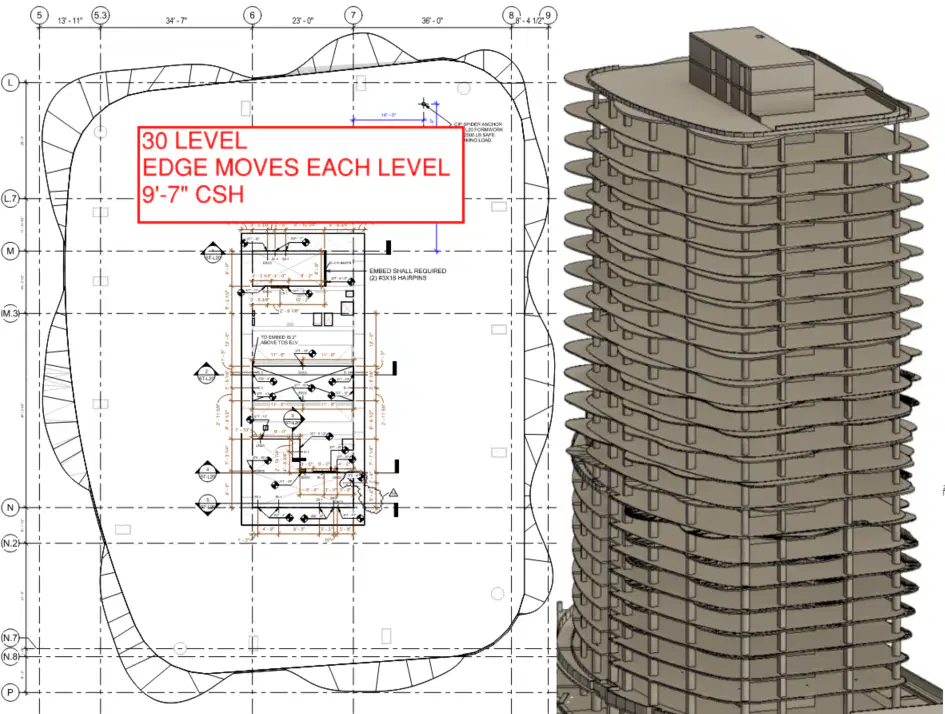
Which perimeter system would work best with this arrangement?
Barrier
Cefco Tables
Trusses
Handset
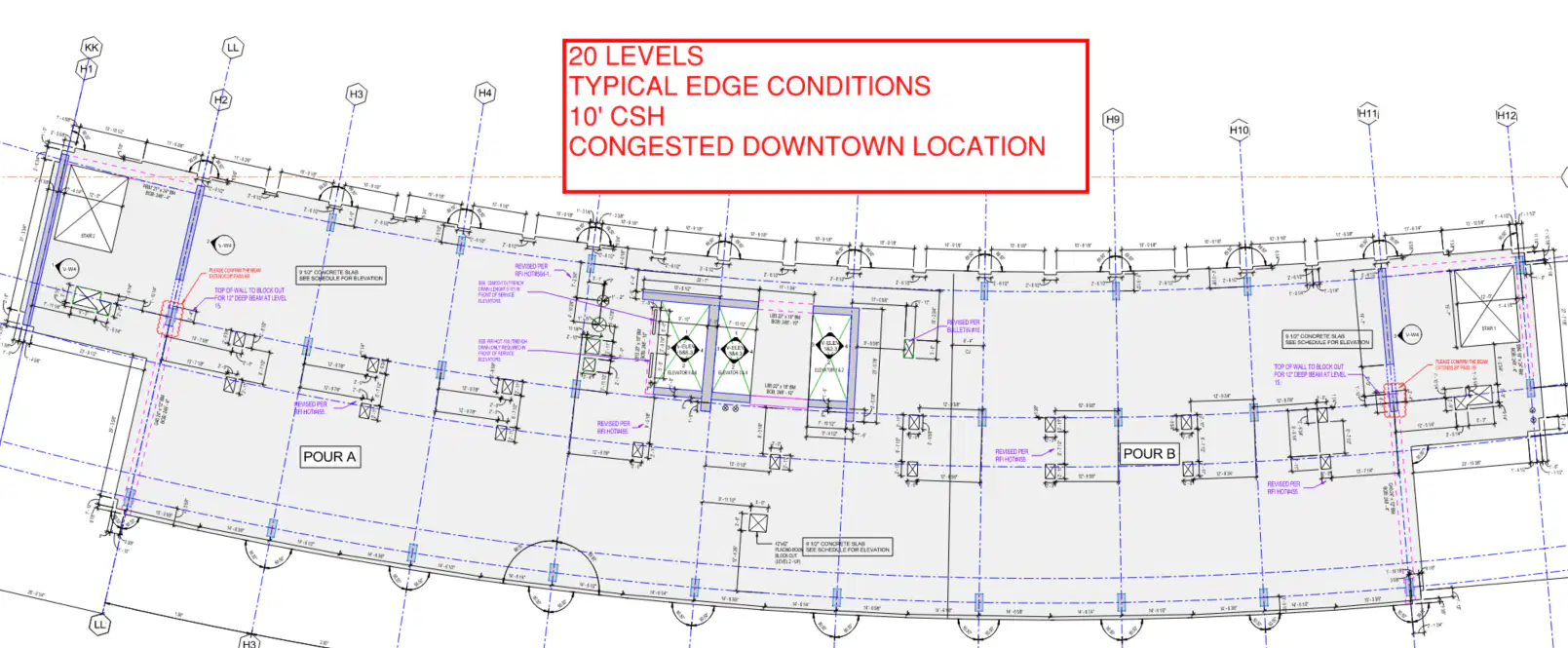
Which perimeter system would work best with this arrangement?
Barrier
Cefco Tables
Trusses
Handset

Which pan type would best work with this arrangement?
Longform
Flange form
Long Flange form
Wood boxes
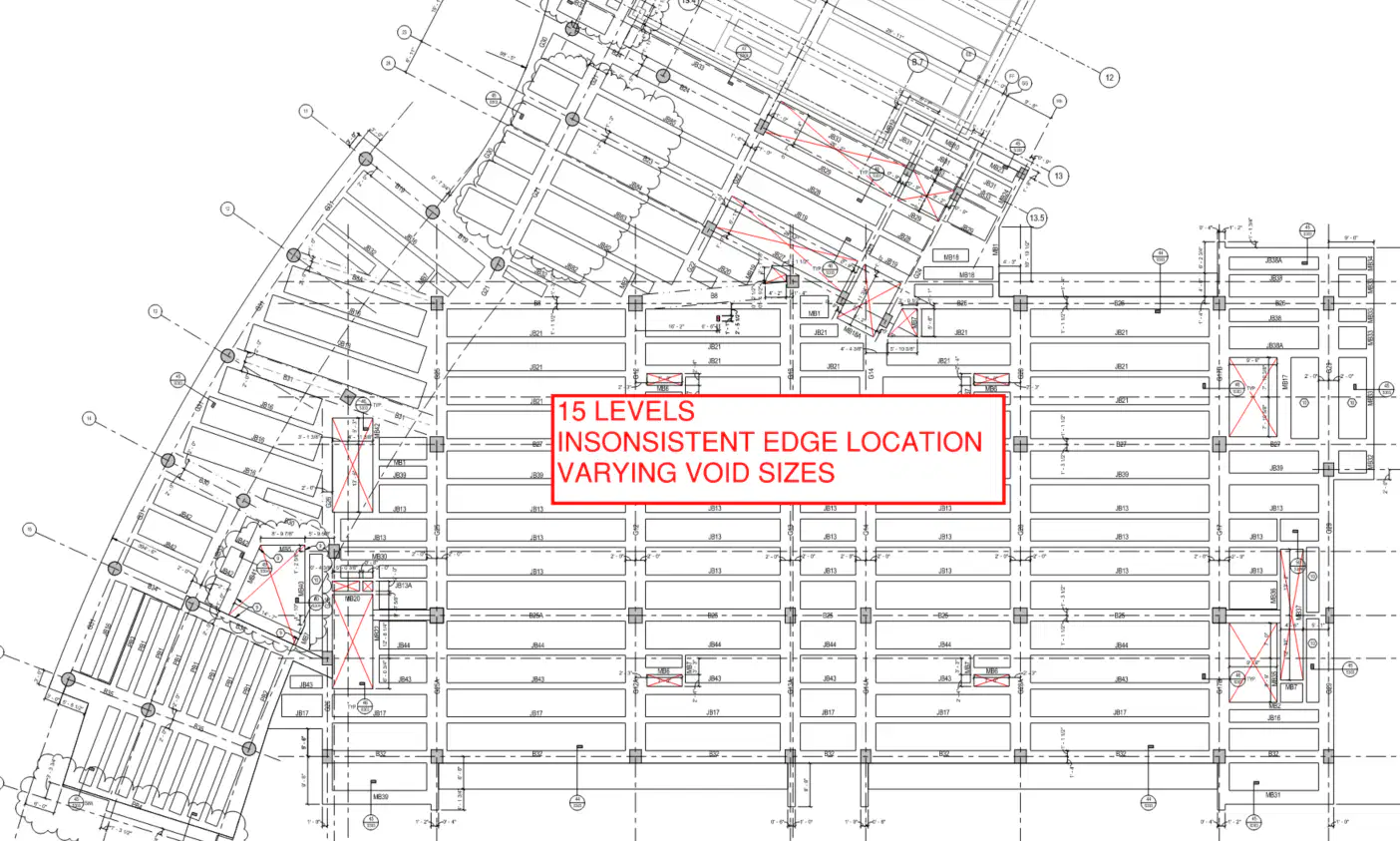
Which pan type would best work with this arrangement?
Longform
Flange form
Long Flange form
Wood boxes
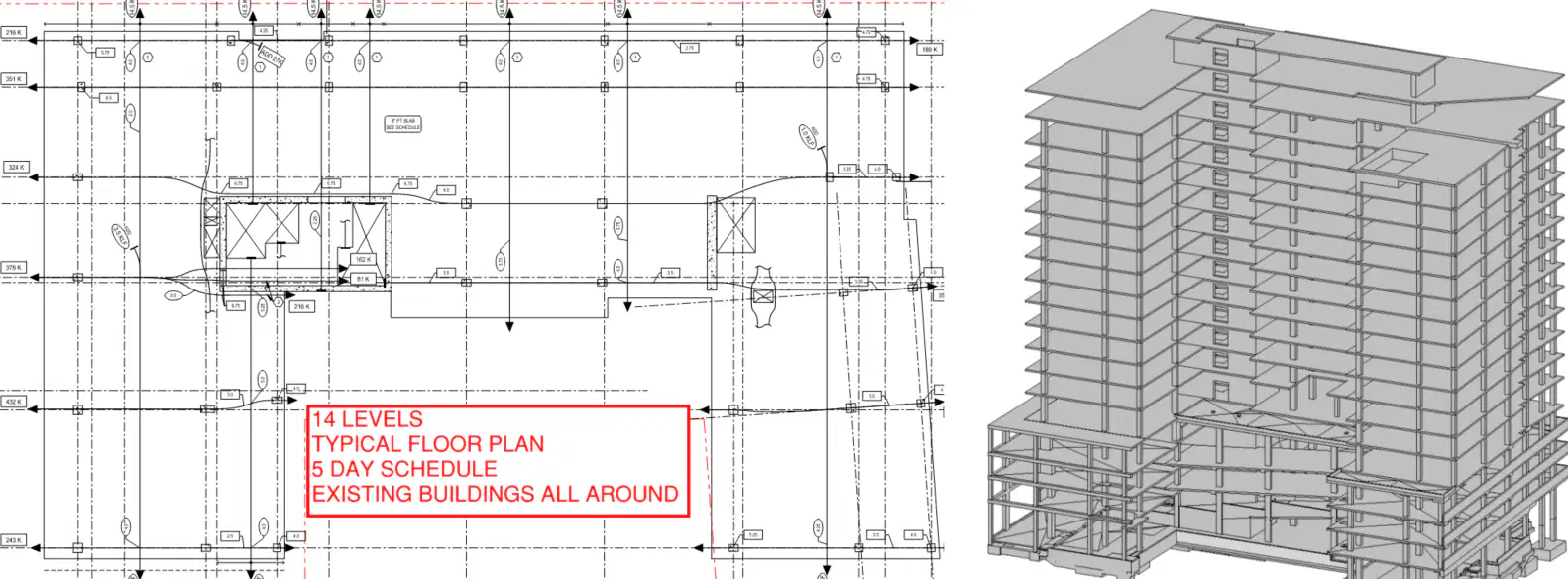
Which type of barrier would work best with this arrangement?
Super Barrier
Barrier Lite
Barrier Lite for PT
Don’t use barrier

Which type of barrier would work best with this arrangement?
Super Barrier
Barrier Lite
Barrier Lite for PT
Don’t use barrier
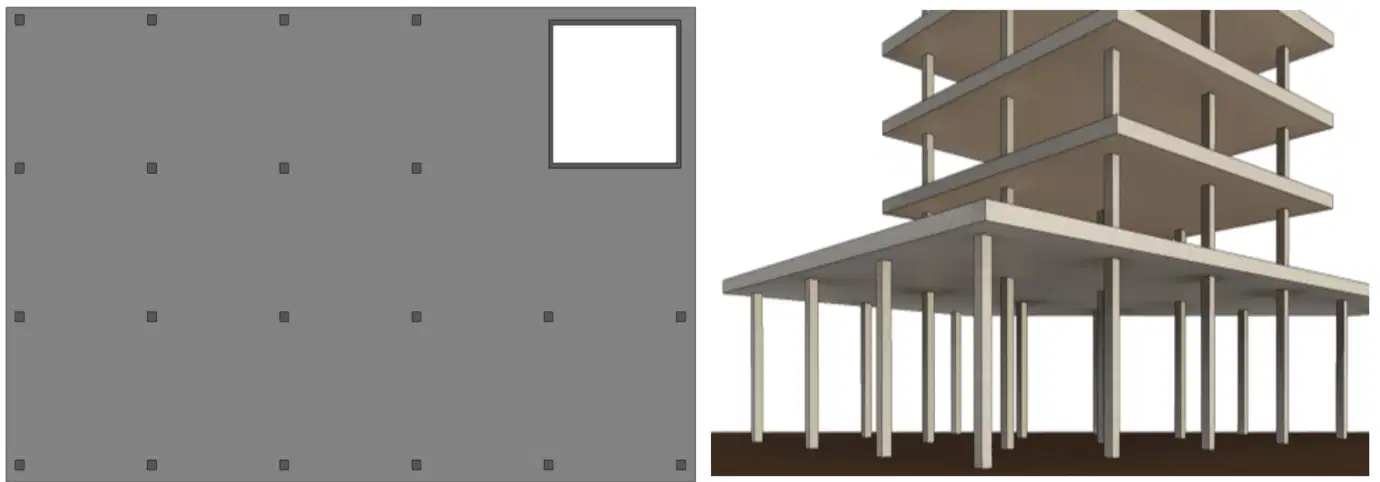
On a 26’ high first level off of grade, with a tower using Cefco with HV above, which system would you use?
HV on XL shores
Loose framing on green scaffold
Loose framing on EZ towers
P1 tables on EZ towers

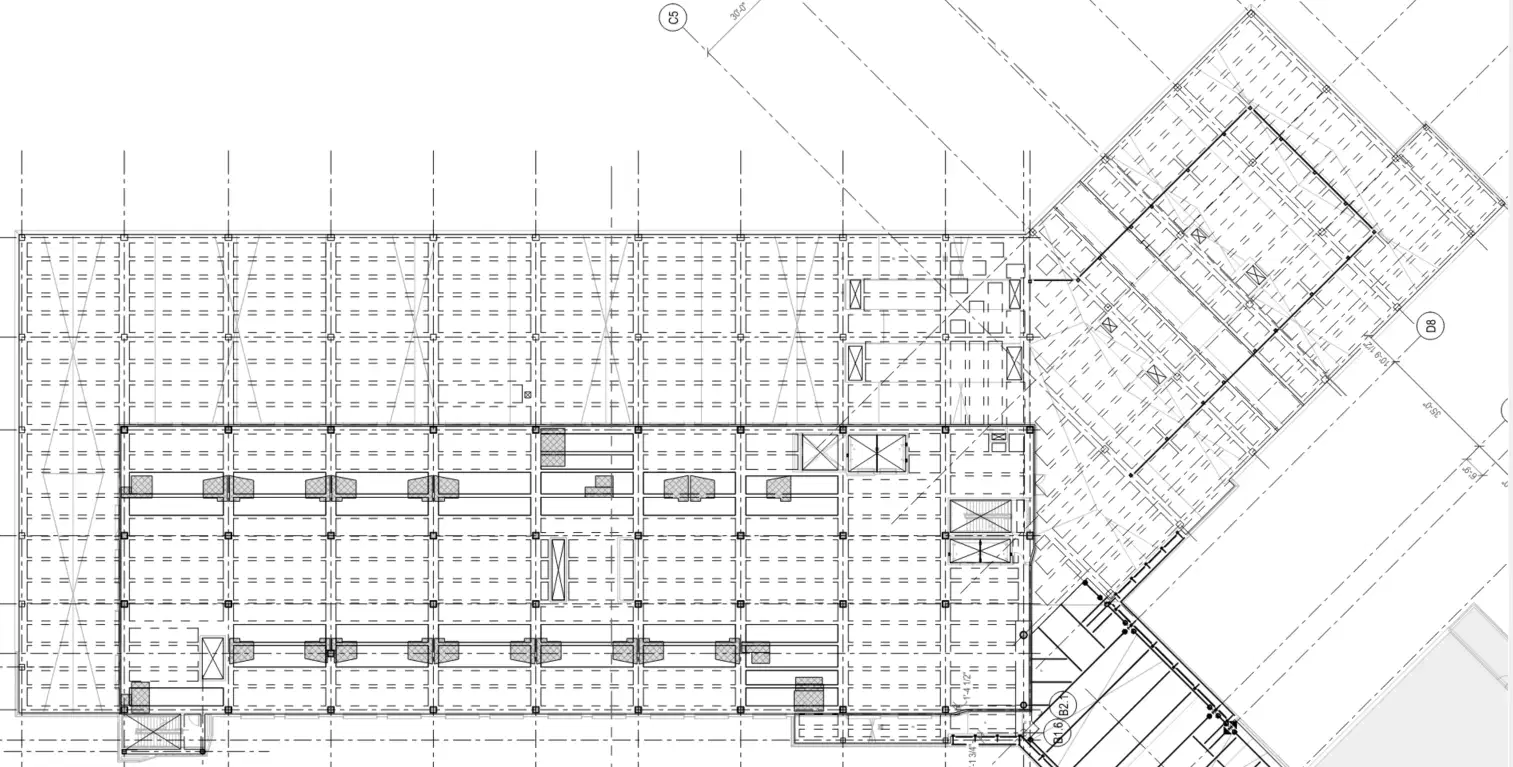
On a- 4 level large floor plate, with regularly spaced 16x30 beams at 10’-4” o.c. (108” between beams) with a 6” slab, which system would work best?
Steel Beam Forms
Super Wide Longform pans
HV Beam & Slab framing
HV flat deck with Plywood false deck
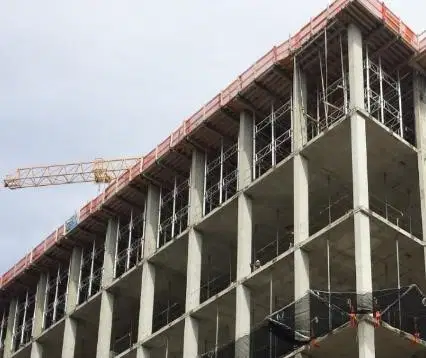
Cefco tables are to be used as the perimeter system on a 12 story structure. The equipment costs of using only EZ towers to support the tables is greater than the cost of half EZ and half steel shores. Do you go with all EZ or the option using shores?
Always go with the less expensive equipment.
If the labor saved in the time it takes to set the table isn’t greater than the equipment cost difference, go with the cheaper equipment option.
Consider the whole process, all the costs, quality, and safety issues. What are the costs of dropping a shore off the edge? Time utilizing the crane to fly up all the shores?
Use which ever method the Project Superintendent prefers.
On a large footprint 4 level structure in the Midwest in spring, what perimeter framing system would work best?
Loose Framing
Cefco Tables
Barrier Screens
Other

A large elevator core changes wall size and arrangement several times over the 35 lifts of the building. Which is the best option?
For that many uses a self-climber is a must.
Use Framax forms ganged together. They can change arrangement since they are modular.
Use Ceco Gangform walls. Changes can be made in-place or by flying in new panels.
Use what the numbers are saying in the estimate. Don’t discount a wall system based on material cost, or perceived simplicity.
On a company average, what is the ratio of labor + burden dollars to formwork equipment dollars spent on a project?
2:1
20:1
9:1
5:1
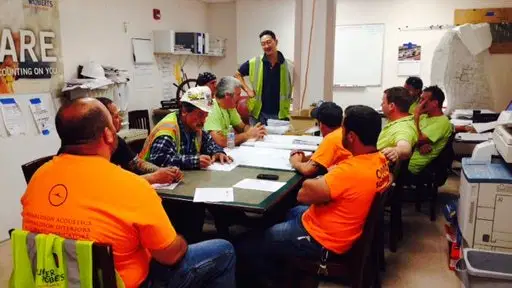
The estimate shows two different systems have the same total cost and will work with the schedule. Which system do you use?
The one with the lower equipment costs
Project Superintendent’s choice
District Manager’s choice
Flip a coin
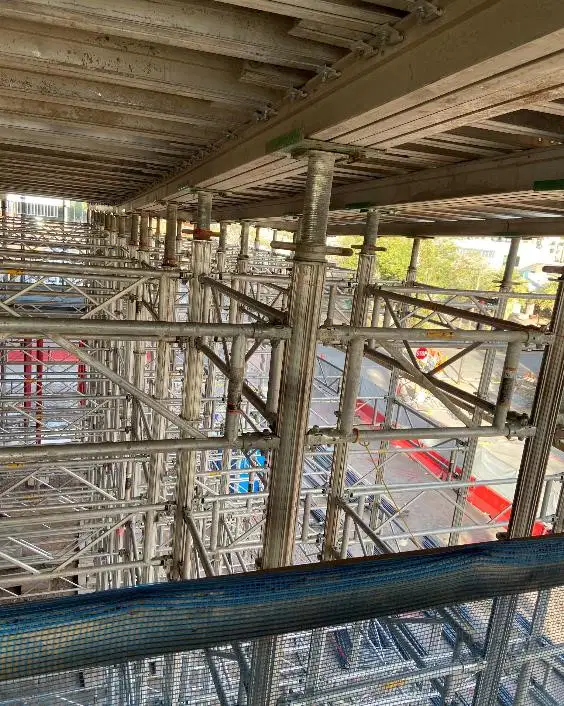
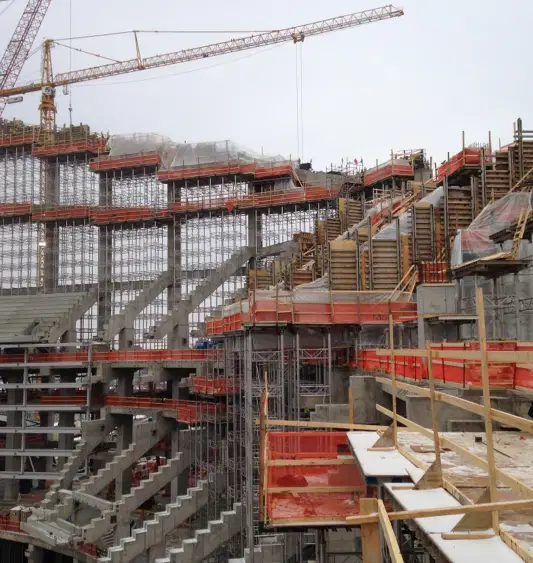
What would have been a better solution for this high area?
Use Green Scaffold so they can climb it and access the framing.
Use slab tables with connections to transfer the load instead of windows between the towers.
Using the same EZ towers, but don’t clip the purlins to the stringers at each connection. That will save labor.
Build a lower formwork deck at the level below and frame off of that.
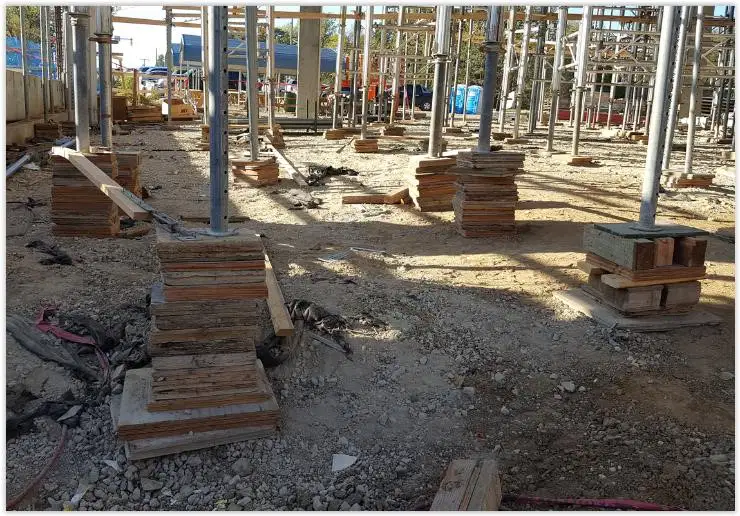
There is a several foot height difference between the grade elevation and first elevated level and the other CSHs. This prevents the same shore from being used on the first lift and would be best for the upper lifts. What do you do?
Provide one type of shore for the first level framing and reshoring and switch out shore types above.
Use the same shorter shore type for all floors. Stack up mudsills to make up the difference in height.
Have the grade built up higher to make up the difference so that the same shore can be used.
Use the taller shore for the entire structure.
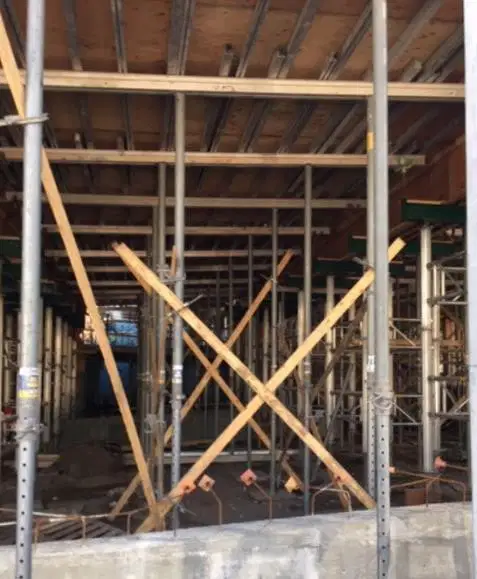
You are out on a jobsite visit and you see formwork installed that doesn’t look quite right. What do you do?
Ignore it. That’s not your job.
When you get back to the office, tell the district manager what a bad job the field is doing.
Grab the nearest worker and yell at them for doing things wrong. Assume that solved the problem and move on.
Find the nearest crew leader or the Project Superintendent and ask them to tell you about the things you are seeing. If they don’t see an issue and you are still concerned, go to the Project Superintendent, or call the General Superintendent.

