
NEW
Font size
 Worksheets
U.S. History, Imperialism Era, Vocabulary Pre-Test
Total questions: 37
Worksheet time: 28mins

Period during the late 19th and early 20th centuries when the United States joined the rest of the world annexing other areas - ______
intervention
Age of Imperialism
Progressive Era
expansionism

The action of stronger countries dominating weaker ones mostly to the benefit of the stronger nations; military force is used when necessary - _______
isolationism
interventionism
imperialism
domination
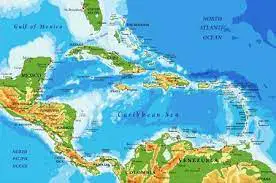
The imperialistic idea that the United States should expand into the Caribbean and the Pacific - ________
dictatorship
expansionism
imperialism
annexation
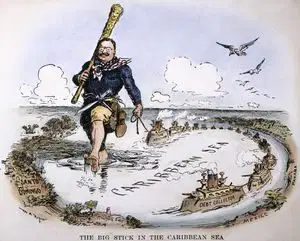
A policy of interfering in the affairs of other countries for political or economic benefit - _______
imperialism
progressive
interventionism
annexation
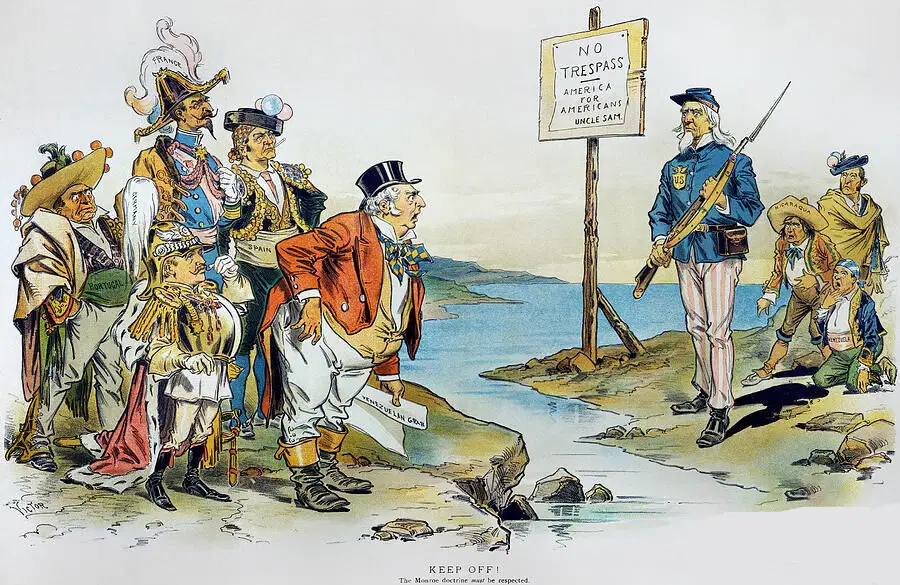
A policy of avoiding foreign alliances or involvement in the affairs of other nations - _______
joint resolutin
expansionism
social gospel
isolationism
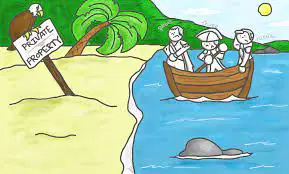
U.S. policy that warned Europe not to extend their influence in the Western Hemisphere - _______-
Monroe Doctrine, 1823
Manifest Destiny
Second Organic Act
The Expansion Act
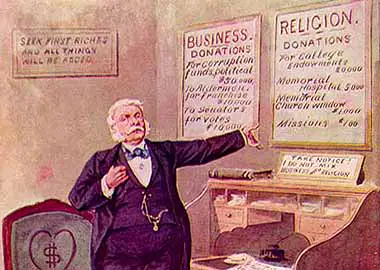
A movement within the Protestant Christian church to solve social problems - ______
imperialism
Open Door Policy
Christianism
Social Gospel

The act of an existing country adding a territory that had been outside its control - ________
annexation
territorial claim
protectorate
interventionism
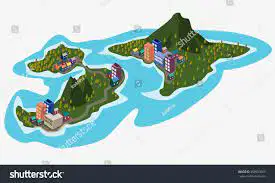
A string of islands - _______
land mass
archipelago
imperialism
annexation

Legislation passed by both houses of Congress by a simple majority in each house - _______
expansionism
interventionism
joint resolution
archipelago
A geographic area belonging to or under the rule of a government - ________
territory
annexation
protectorate
Open Door Policy
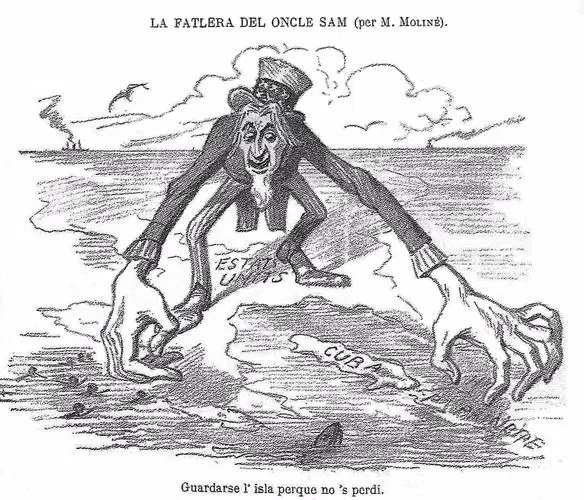
Legislation that promised not to annex Cuba - ______
Imperial Act
Teller Amendment
Annexation Act
yellow journalism
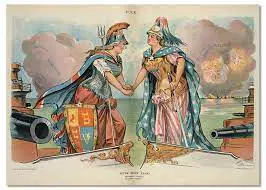
The treaty between the United States and Spain to end the Spanish-American War - _____
Rough Rider Treaty
Treaty of Paris, 1898
The Imperial Treaty
Treaty of Spanish-American
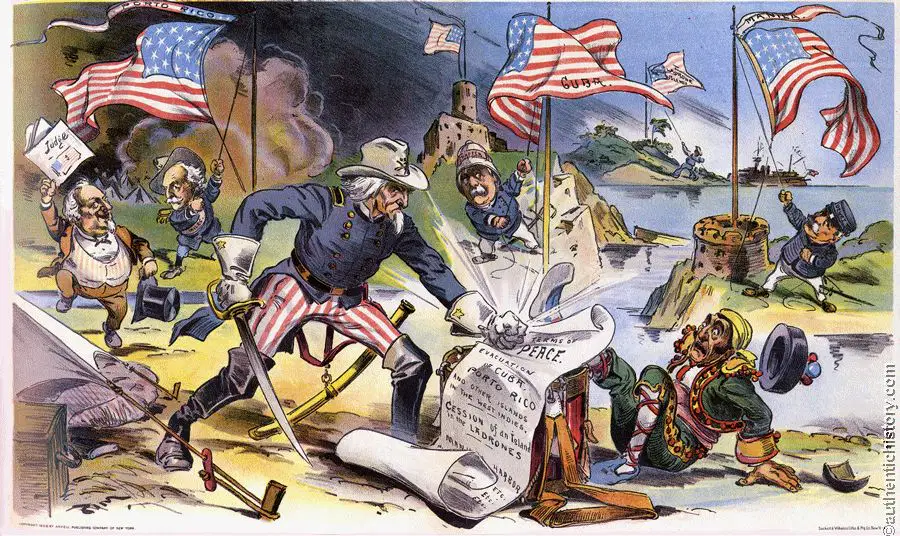
War with Spain in 1898 over the treatment of the Cuban people - ________
Spanish-American War (War of 1898)
Cuban-American War
Guerilla Warfare
Sino-Japanese War
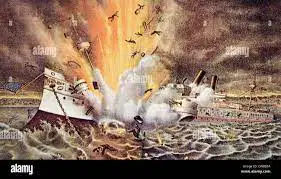
An American warship that blew up in Havana Harbor; the Spanish in Cuba were blamed -_______
U.S.S. Maine
Titanic
U.S.S. Roosevelt
Mahan Ship

Sensational reporting to achieve an emotional response rather than report facts - ______
WDAM news
yellow journalism (yellow news)
Teller Amendment
yellow reporting
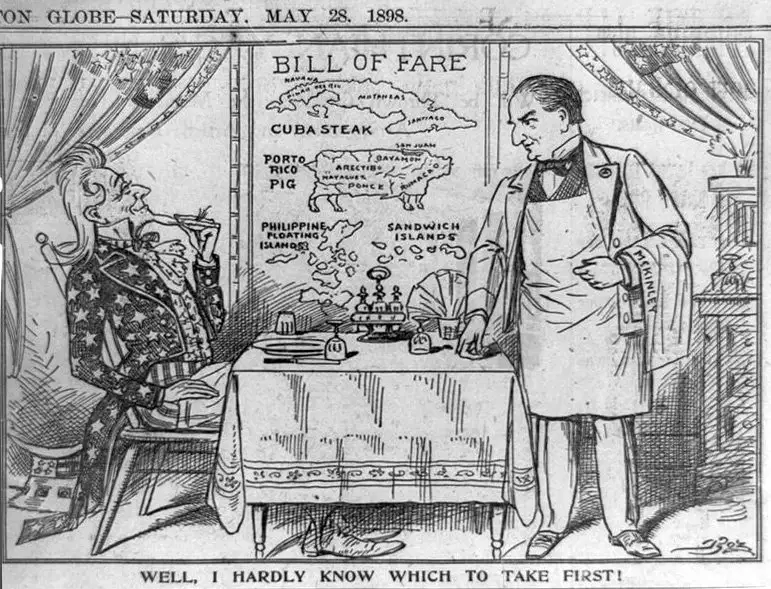
A group who did not want the United States involved in territorial expansion - _______
Guerilla warfare
protectorate
Anti-Imperialist League
Boxer Rebellion
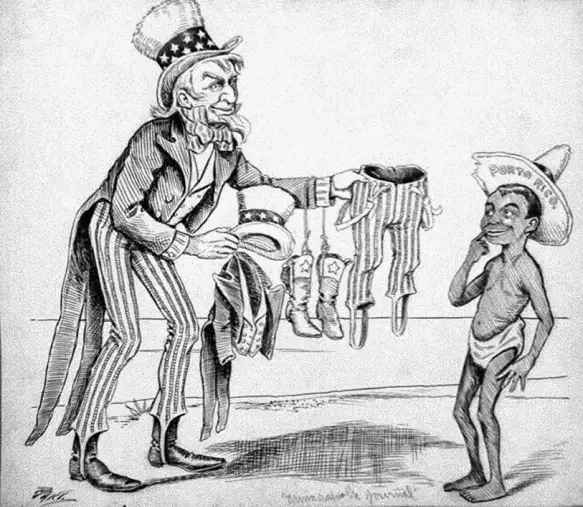
A law that established a limited local government in Puerto Rico - _________
Platt Amendment
Local Act
Guerilla Warfare
Foraker Act, 1900

A fighting tactic where small groups of fighters (such as local civilians) engage in ambushes, sabotage, and surprise attacks to engage a superior force - ______
Guerilla Warfare
Open-Door Policy
Boxer Rebellion
Spheres of Influence
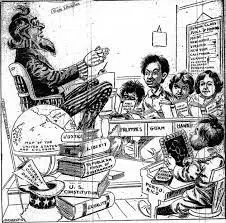
Supreme Court decision in 1901 that gave Congress the power to decide how to govern newly-acquired territories - _______
Platt Amendment
protectorate
Foraker Act, 1900
insular cases
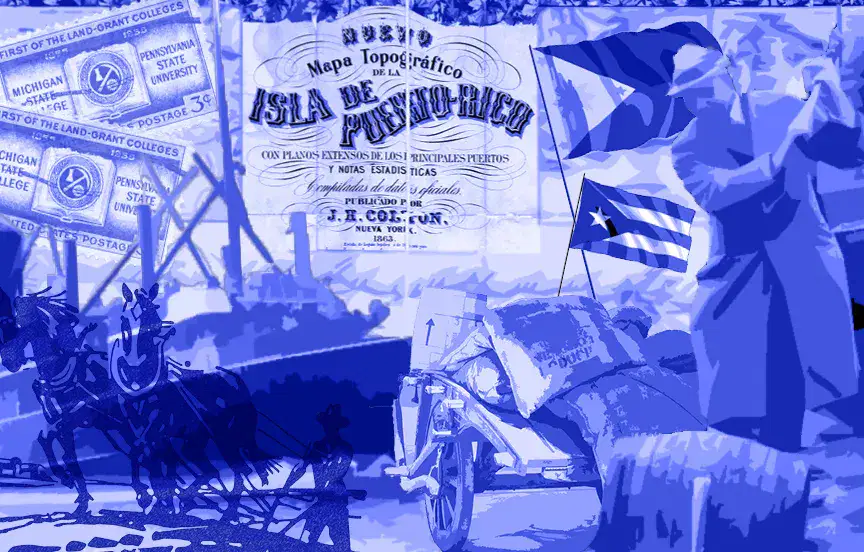
Law that expanded local government in Puerto Rico and granted Puerto Ricans U.S. citizenship - _____
Jones-Shafroth Act, 1917
Philippines Insurrection
Puerto Rican Act
Foraker Act, 1900
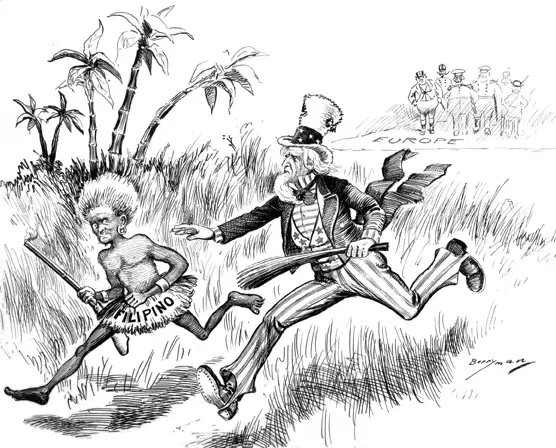
An armed Filipino rebellion against U.S. rule in the Philippines - _______
Anti-Imperialist League
Philippine Insurrection
guerilla warfare
protectorate
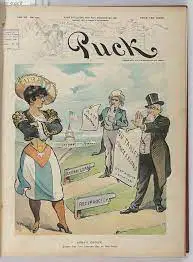
Conditions the United States demanded of Cuba in order to withdraw American troops and to allow the Cubans to govern themselves- ______
Foraker Act, 1900
Platt Amendment
protectorate
archipelago
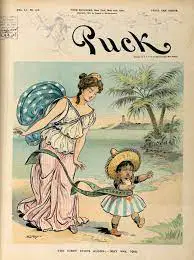
A territory that is protected and partly controlled by a stronger country - ____
guerilla warfar
protectorate
Open Door Policy
joint resolution
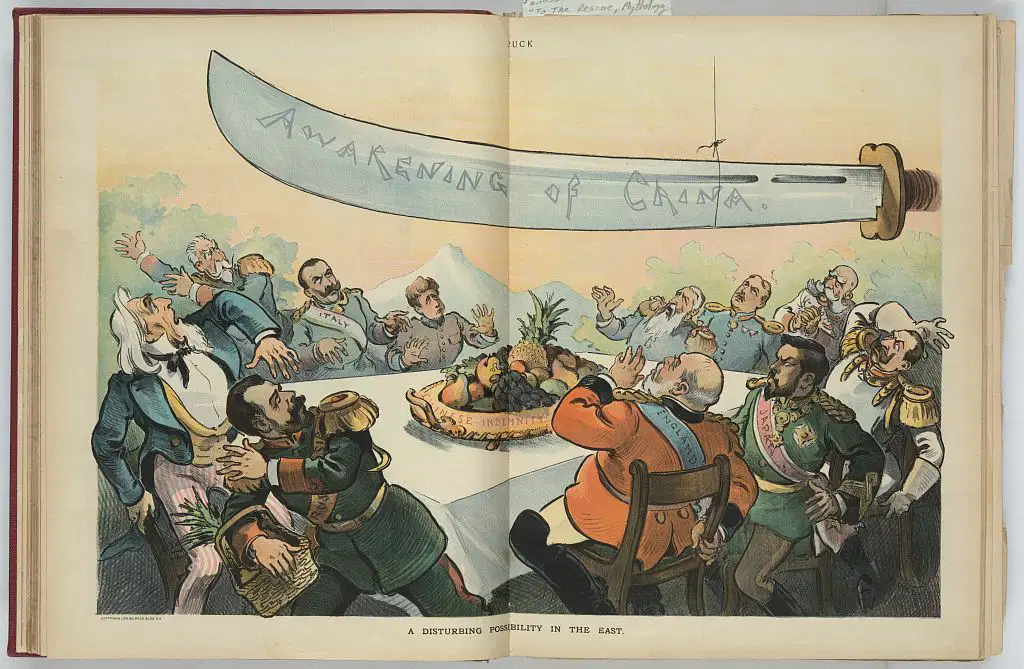
Uprising against foreign influence in China that resulted in the murder of foreign diplomats, missionaries, and Chinese converts to Christianity by the rebels - _____
spheres of influence
isolationism
social gospel
Boxer Rebellion
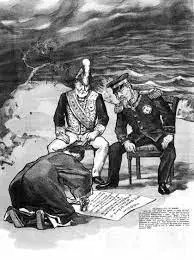
Compromise with the government of Japan to limit Japanese immigration to the United States rather than to outright ban it - ______
Gentleman's Agreement
Monroe Doctrine, 1823
annexation
spheres of influence
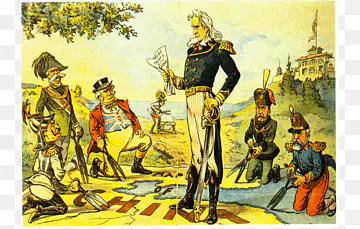
Proposal by the United States that all nations be allowed to trade with China in spite of the spheres of influence - _______
Boxer Rebellion
spheres of influence
Open Door Policy
Gentleman's Agreement

War between Russia and Japan over control of Manchuria ______
Spanish-American War
Manchuria War
Russo-Japanese War
None of these are correct

War between China and Japan over the control of Korea - ______
Sino-Japanese War
Russo-Japanese War
Korean War
The China Wars

Areas of China where foreign nations controlled trading rights and influences on local governments - ______
Trade lands
spheres of influence
Open Door Policy
Panama Canal
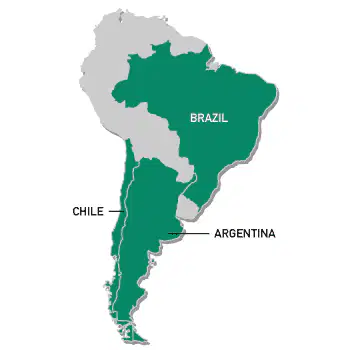
The South American nations of Argentina, Brazil, and Chile who mediated a settlement between the United States and Mexico in 1917 - ______
Big Stick Diplomacy
Dollar Diplomacy
The South American Settlement
ABC Powers
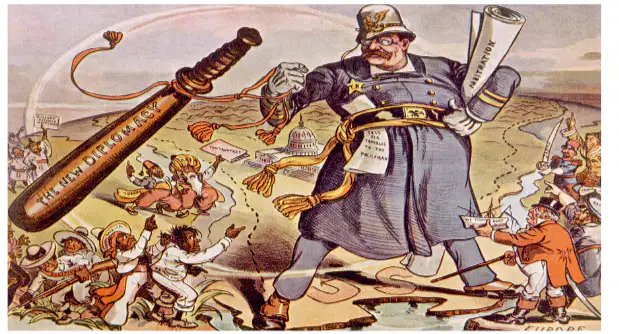
President Roosevelt's foreign policy that used force, if necessary, to get nations to do what the United States wanted - ______
Big Stick Diplomacy
Dollar Diplomacy
Dollar Diplomacy
Moral Diplomacy
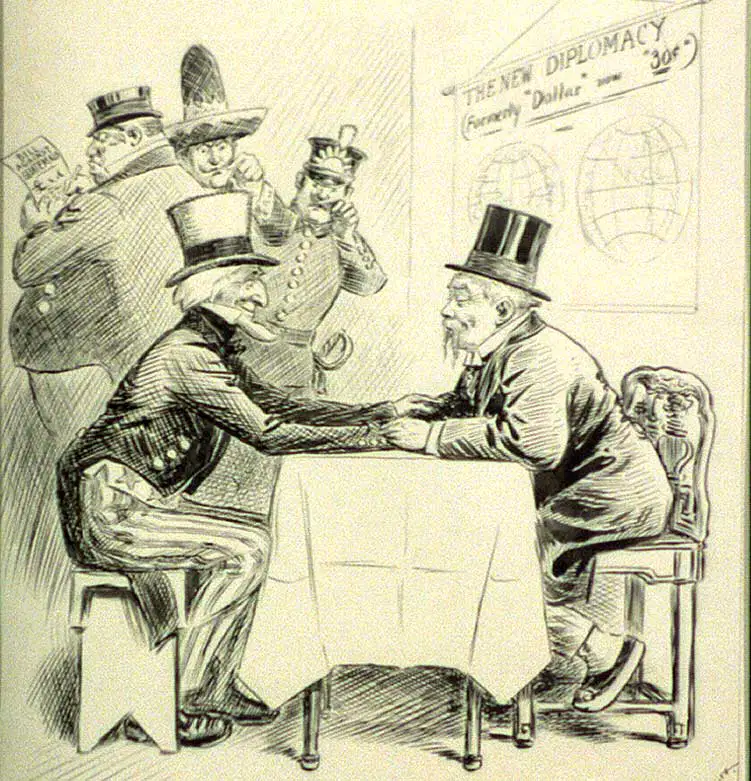
President Taft's foreign policy that encouraged U.S. business investments in countries to stabilize them instead of using force - _____
The Taft Diplomacy
Dollar Diplomacy
Big Stick Diplomacy
Missionary Diplomacy

Generally, the countries south of the United States (including Mexico, Central and South America, and the Caribbean) where Spanish, Portuguese, or French is spoken - _____
Latin America
Panama Canal
South America
Philippines

President Wilson's foreign policy that attempted to reward countries who did what we wanted but to punish those who didn't - _______
Big Stick Diplomacy
Moral or Missionary Diplomacy
Dollar Diplomacy
Wilson's Diplomacy

The canal built across Panama and controlled by the United States - _______
The U.S. Canal
Latin America Canal
Panama Canal
U.S.S. Maine
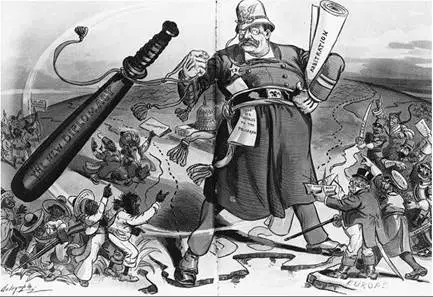
The expansion of the Monroe Doctrine in 1904 that extended America's role as a policeman to Latin American countries to protect them from European aggression or internal unrest - _____
Roosevelt Corollary
Boxer Rebellion
ABC Powers
Rough Riders

