
 Worksheets
Unit 2 Bio 10A/B Adaptations to Hot/Cold
Total questions: 14
Worksheet time: 7mins
Biotic factors
are not considered when describing an environment
describe the effect of other living things on an individual
include only the effects of bacterial, protozoan, and archean life forms
describe the effects of temperature, water, and nutrient availability on an organism
A structural adaptation
refers to evolved changes in the shape and size of an animal to environmental factors
can only be an adaptation to abiotic factors and not biotic factors
would not describe the thickness of a mammal’s fur
Categorise the adaptation
A modification to red blood cells which enables a resistance to the malarial parasite
Structual
Physiological
Behavioural
Categorise the adaptation
Wombats have evolved long claws which are necessary to dig burrows
Structual
Physiological
Behavioural
Categorise the adaptation
Possums have a fine-tuned flight response, and will often flee at the first sign of danger
Structual
Physiological
Behavioural
Categorise the adaptation
When hot, many birds will begin to pant, which reduces their temperature via evaporative cooling
Structual
Physiological
Behavioural
Susan was attempting to characterise the environmental conditions which may affect amphibians living in a tropical rainforest. She identified high humidity as a potential influence. High humidity is
a biotic influence
an abiotic influence
a symbiotic influence
an aerobiotic influence
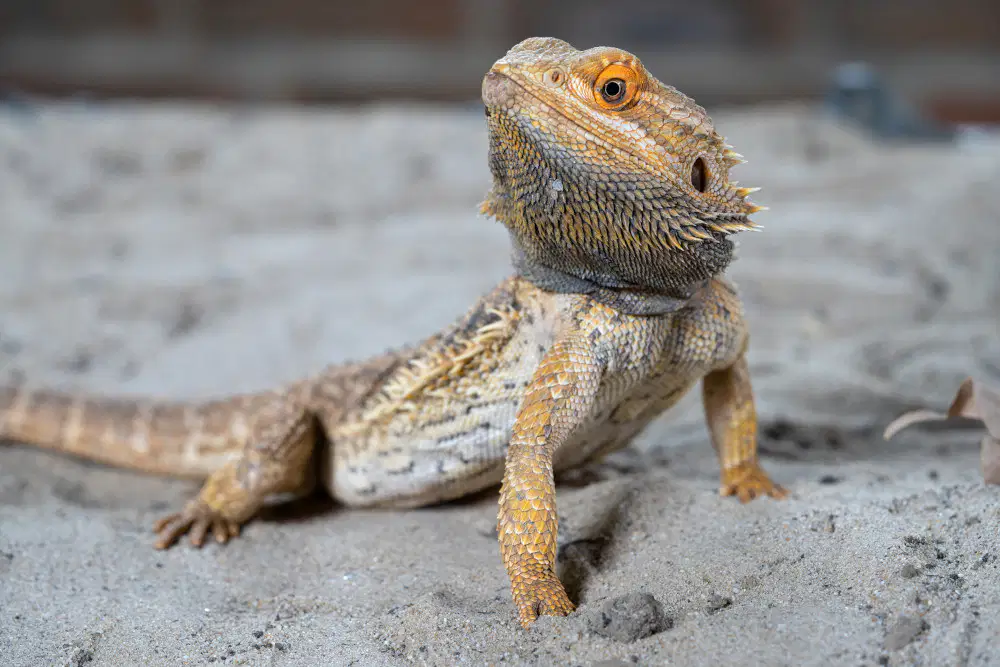
Which of the following provides the strongest evidence that the bearded dragon is adapted to a hot and arid environment?
a spiky epidermis
sharp claws on toes
light coloured scales
a frill that makes the lizard appear larger
A lower SA:V in a cold environment would
increase heat released to the environment
decrease heat released to the environment.
An animal curling up to reduce its exposed surface area is an example of a
physiological adaptation
behavioural adaptation
structural adaptation
An adaptation of plants to cold environments includes
the production of antifreeze proteins which increases the freezing point of water
the production of seeds which sprout only during warmer months
decreasing the concentration of solutes in the cytosol
An abiotic factor in an alpine region during winter would include
low competition for resources
strong predation by wolves
high temperatures
strong winds
Which of the following is NOT an advantage of torpor?
Torpor allows an animal to avoid harsh conditions for long periods of time
Torpor lowers an animal’s metabolic rate, meaning it requires less food for survival
Torpor increases the allocation of resources to insulation, meaning an animal will lose heat slower
Torpor enables an animal to lower its body temperature, reducing the energy required to maintain its body temperature
Mammals that live in very cold environments have evolved behavioural adaptations that help reduce the rate at which they lose heat. One behavioural adaptation in a cold environment would be
laying out flat in the snow
digging a burrow into the snow
having a thick layer of insulating fat
eating large amounts of snow for hydration

