
 Worksheets
Cultural Diversity
Total questions: 34
Worksheet time: 26mins

What can we learn from other cultures?
(a)

You are a manager at a multinational company. How would you define diversity in your team?
(a)

John, a manager at a multinational company, believes that understanding and respecting the diverse cultures and perspectives of his team members can enhance his attitudes and values.
True
False

Match the following...
Beauty Ideals
Not easy to See

Cultural Iceberg
Language
Easy to See

In a human services class, students are learning about human diversity. The teacher explains that humans can be classified based on physical or biological characteristics. What is this classification called?
Race
Ethnicity
Food is a BIG part of culture. Draw a cultural dish you love.


Every year, during Christmas, John's family gathers around the tree to open presents. This is an example of a...
Tradition
Custom
Promise
Diversity

What is an example of a custom?
Waving to say hello
Sleeping
Running
Playing
Check on all that apply. Choose the picture or pictures that represents diversity...


True or False: The environment does not affect culture...
(a)

What holidays do you celebrate? List your favorite one and add an image.

What are some unique things about your culture? Add an image...

What does culture refer to?
The shared beliefs, values, practices, and traditions of a group of people.
Customs, laws, dress, architectural style, social standards, and traditions are all examples of cultural elements.
Race, ethnicity, gender, religion, language, and ability.
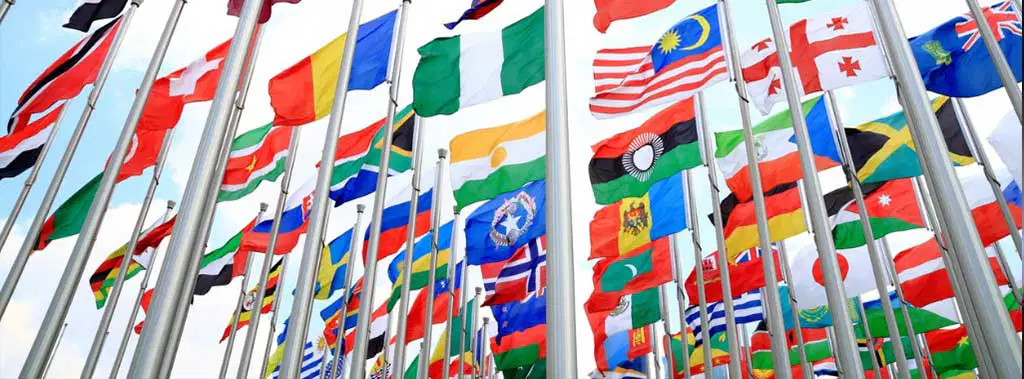
Culture determines the way each person...
Thinks, feels, and behaves.
Spends their time.
Spends their money.

In the context of society, is the belief that their culture never changes true or false?
True
False

What does diversity refer to?
The shared beliefs, values, practices, and traditions of a group of people.
Customs, laws, dress, architectural style, social standards, and traditions are all examples of cultural elements.
Race, ethnicity, gender, religion, language, and ability.

"Cultural Diversity" can also refer to having different cultures and respecting each other's differences...
False
True

John, a manager, assumes that all his employees from the same ethnic group share the same work ethics and attitudes. What is this process called?
Stereotyping
Ethnicity
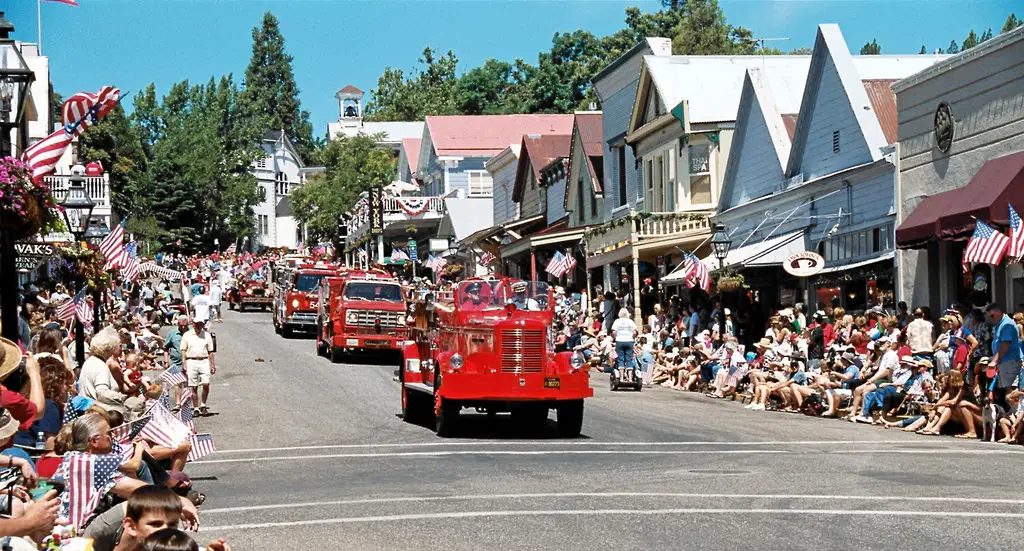
In a small town, the practice of gathering in the town square every Sunday is an example of a...
Tradition
Custom
Ancestor
Holiday

During a school field trip to a museum, students are exposed to various forms of storytelling, music, painting, sculptures, and dancing. This exposure is an element of culture known as...
Tradition
Diversity
Hobbies
Art

In a biodiversity conference, a speaker used a word to describe a species that is unique or different. What was that word?
Odd
Divided
Diversity
Culture
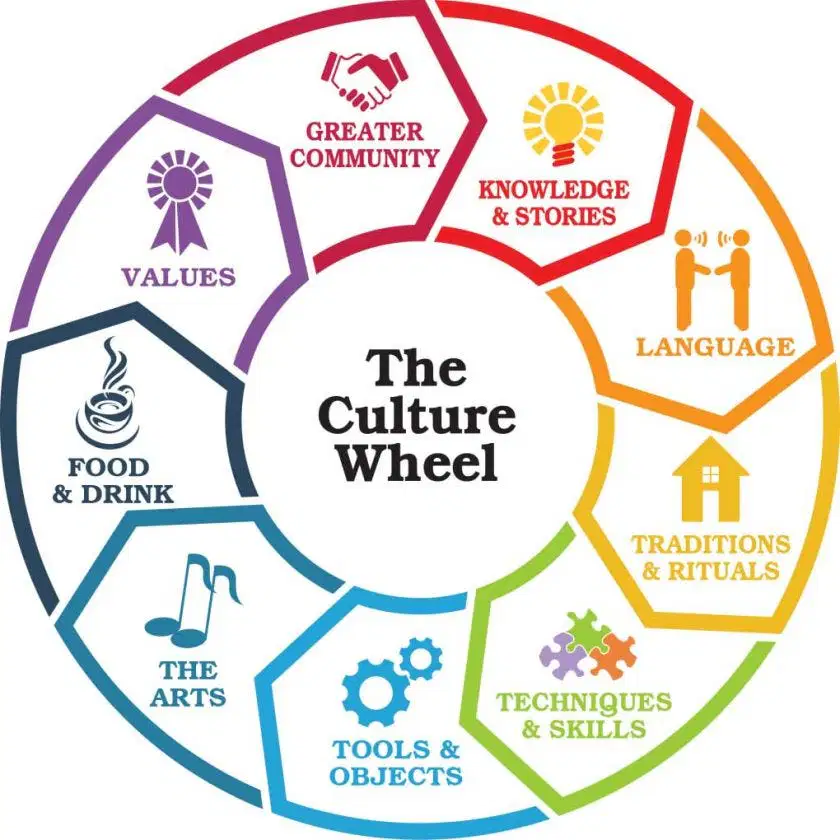
During a cultural exchange program, John was asked to demonstrate an element of his culture that involves both writing and speaking. What did he demonstrate?
His Religion
His Art
His Language
His Diversity

John is having a debate with his friends about what _______________ means. He argues that it is something one believes in and is devoted to following.
Language
Religion
Diversity
Culture

Imagine you are studying a community where everyone greets each other by bowing. What is this an example of?
Cultural norms
Cultural shock
Cultural diversity
Cultural gaps

A city is considered diverse if ________ .
all its inhabitants follow similar traditions
everyone speaks the same language
all citizens celebrate the same holidays
it is home to different types of people and cultures

In a small town, local artists sometimes create murals and sculptures to ______ .
express themselves
inform others
make change
all of the above

How does a region's climate affect the lifestyle of its inhabitants?
It influences the type of crops they grow, hence affecting their diet.
It determines the kind of clothes they wear.
It influences the type of houses they build, hence determining their living conditions.
All of the above

Consider a situation where you are working in a multinational company with colleagues from different countries. What does Cultural Diversity/Awareness mean in this context?
A.) Recognizing the different beliefs, values, and customs that your colleagues have, based on their origins or upbringing.
B.) Everyone in the company is the same, regardless of where they come from.
C.) Everyone in the company is different, but they share the same beliefs and values.
D.) Everyone in the company is the same, but they have different value systems.

During a school project, students are asked to share about their language, dress, stories, food, music, and dance. These elements are part of everyone's _____.
A.) Culture
B.) Government
C.) Education system
D.) Social interaction
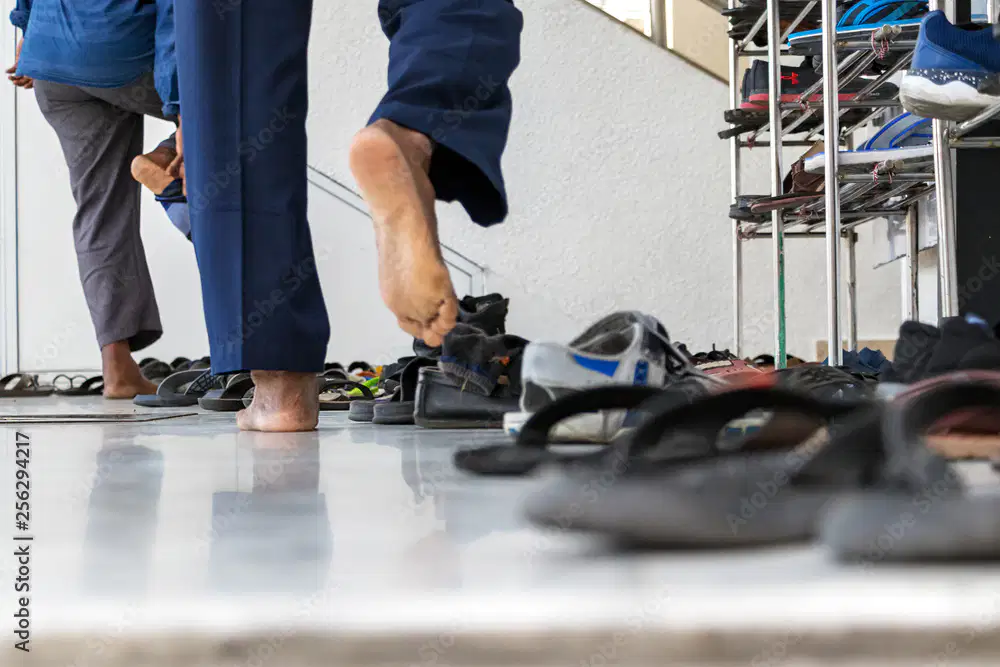
A man comes in with a shaved head, wearing a robe-like covering, and takes off his sandals before entering.
You would notice his cultural ___________.
Beliefs
Norms
Adaptation
Diversity

In a community, people can share:
Religious beliefs
Cultural values
Social behaviors
All of the above

John is studying different cultures and is trying to identify the features of each. He came across a feature which is NOT typically considered a feature of culture. Which one is it?
Language
Architecture
Music
Health care

In a multinational company, employees who have cultural awareness are likely to be more successful in their professional relationships with colleagues from different cultures.
less successful
more successful

Did you like this activity?
Yes, let's do more of this!
Not really, let's do less of this.

