
 Worksheets
Kluster Morphology
Total questions: 15
Worksheet time: 1hrs 11mins
Which of the following is a feature of dysplasia in platelets?
Platelets clumping
Platelets Satellitism
Platelets anisocytosis
Smudge cells
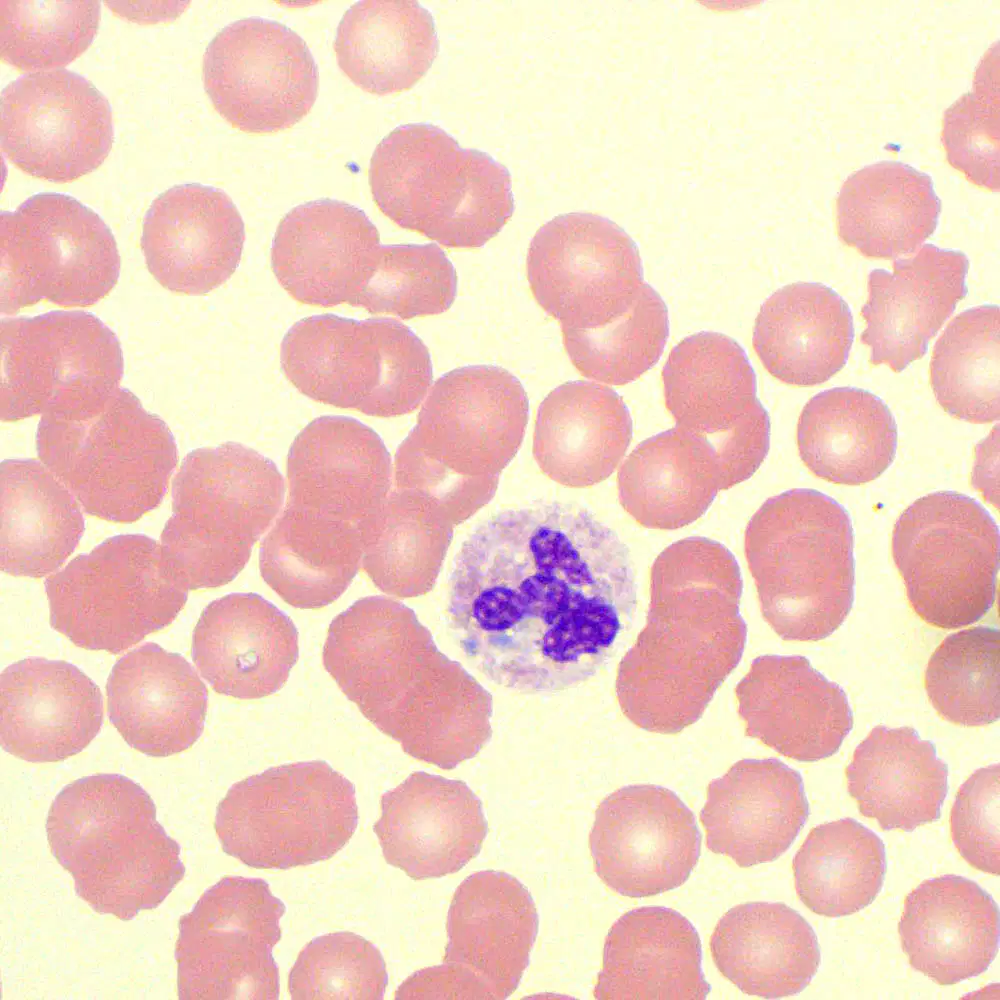
What is the name of the basophilic inclusions seen in this neutrophil?
Chediak higashi body
blue crystal of death
Dohle bodies
Barr bodies
Which of the following causes lymphocytosis?
Aplastic anemia
Acute viral/ bacterial infection
Malnutrition
Corticosteroids
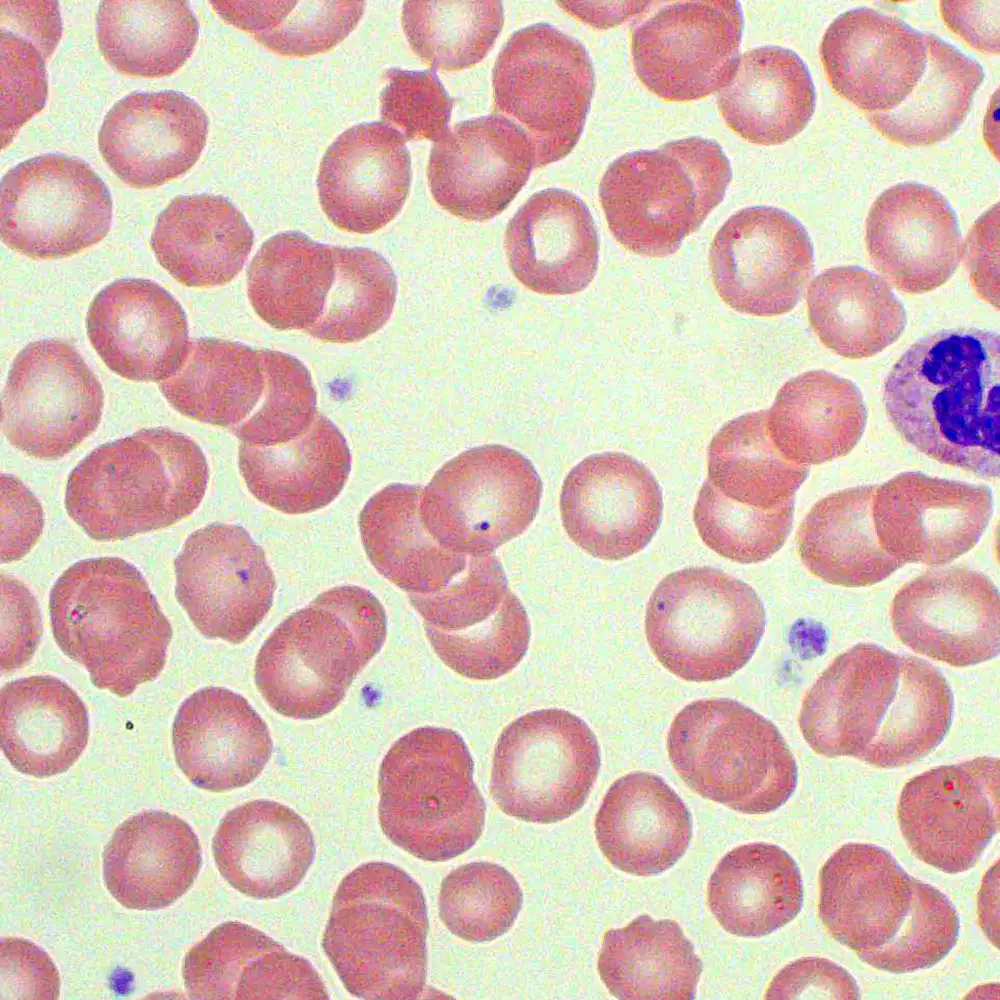
What is the likely cause of these red cell inclusions?
Oxidative hemolysis
Autoimmune hemolysis
Microangiopathic hemolysis
Splenectomy
Which of the following is NOT a cause of increased reticulocytes?
Hemolytic anemia
Aplastic anemia
Pregnancy
High altitude

What type of red cell is indicated by the arrow?
Plasma cells
Nucleated red cells
Polychromatic red cells
Spherocytes
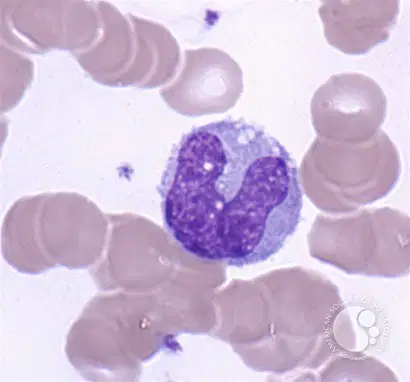
What type of cell is this?
Blast
Myelocytes
Reactive lymphocytes
Monocytes
What broad type of anaemia does thalassaemia fit into?
Microcytic hypochromic anemia
Macrocytic anemia
Normocytic anemia
Megaloblastic anemia
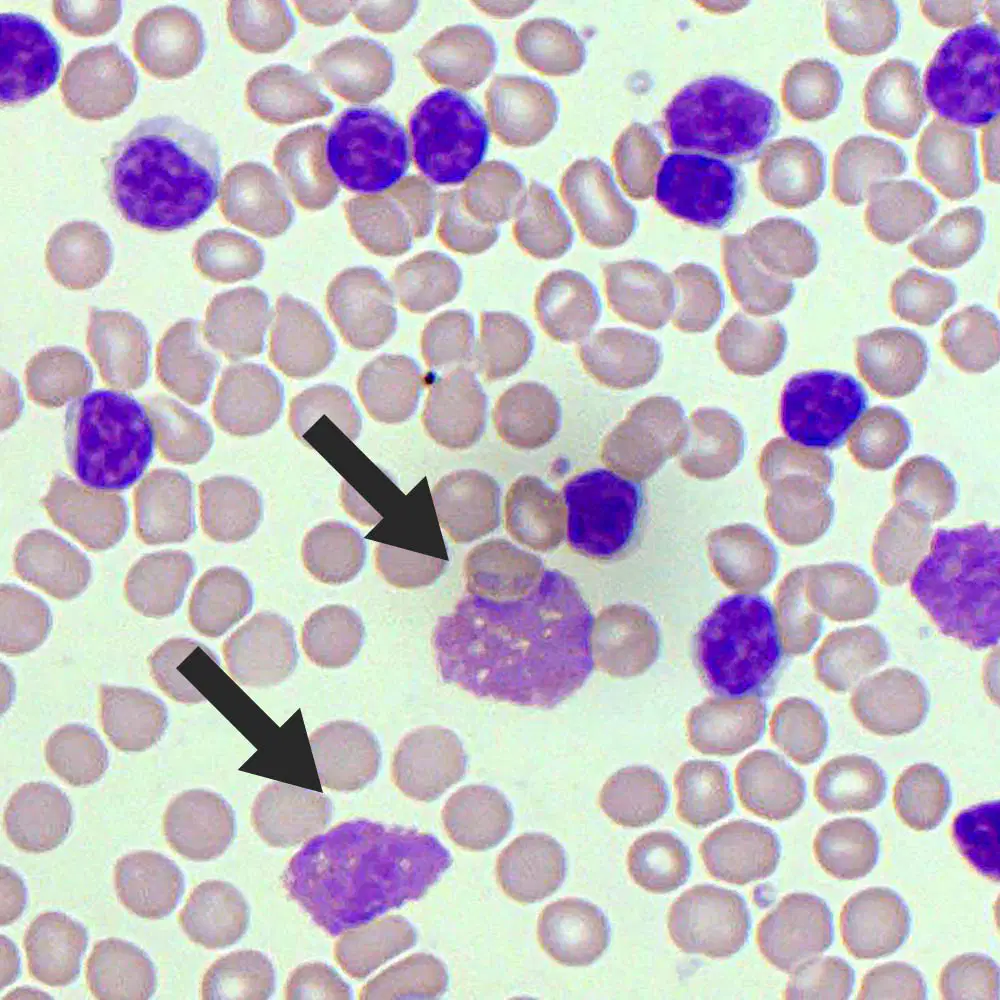
What is indicated by the arrows in this image?
Monocytes
Reticulocytes
Smudge cells
Blast
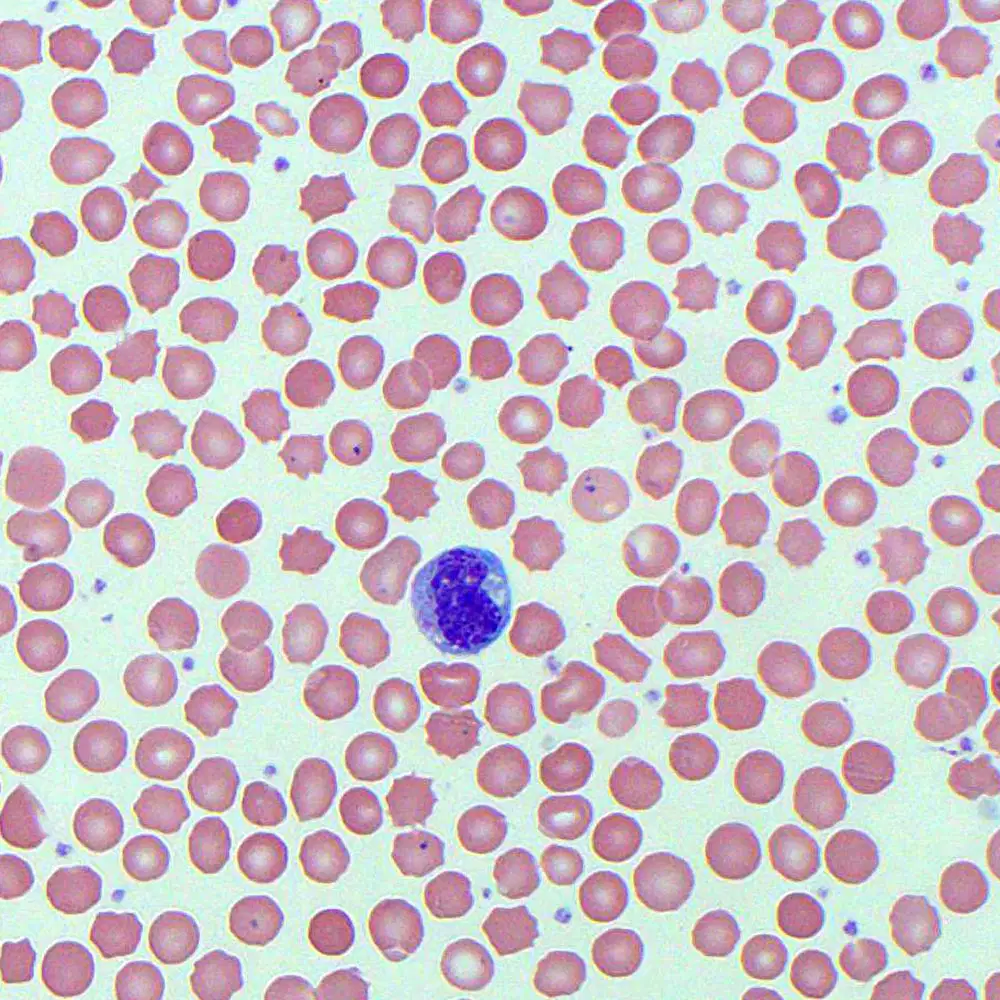
What type of cell is seen in abundance on this blood film ?
Acanthocytes
Schistocytes
Spherocytes
Target cells
Which of the following presents with a normocytic anaemia?
Iron deficiency anemia
Myelodysplastic syndrome
Anemia of chronic illness
Megaloblastic anemia

What is the term used to describe the finding seen on this blood film?
Neutrophilia
Basophilia
Monocytosis
Eosinophilia
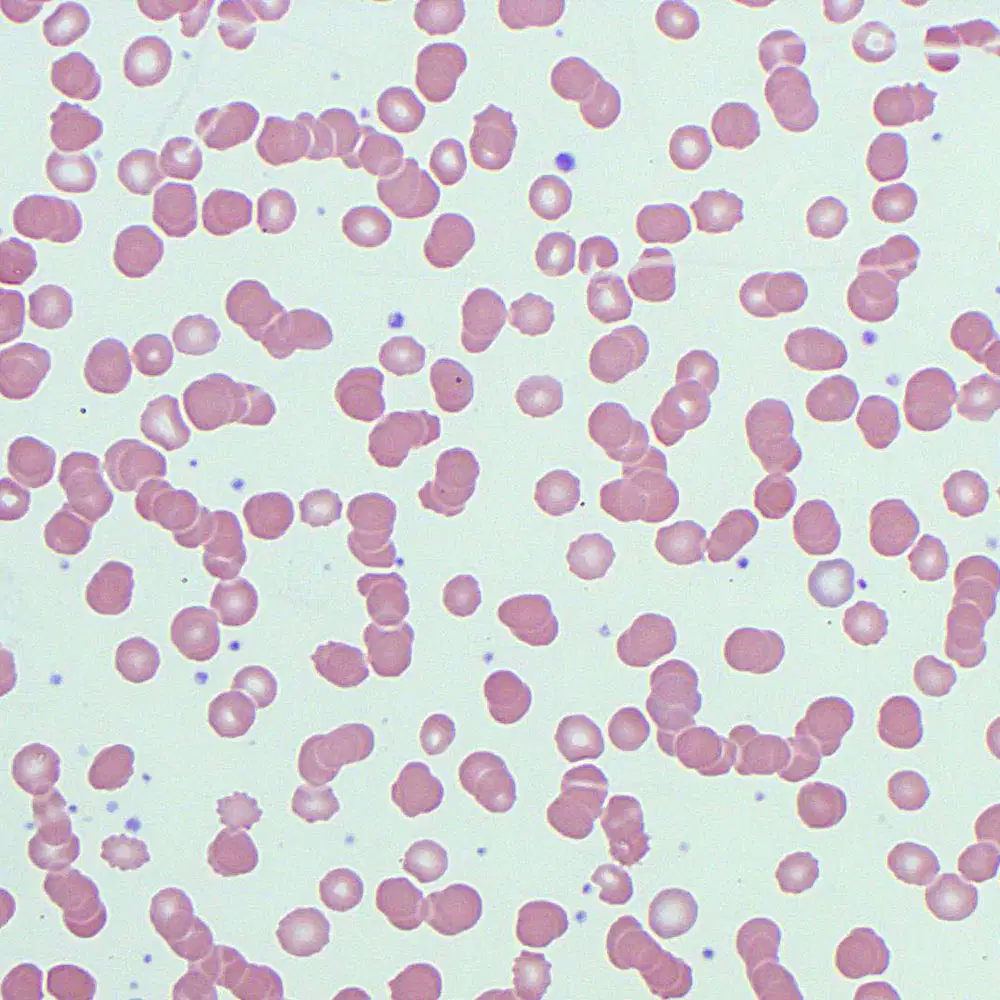
Which of the following is a cause of the key finding in this image?
Acute leukemia
Multiple myeloma
Myelodysplastic syndrome
Iron deficiency anemia
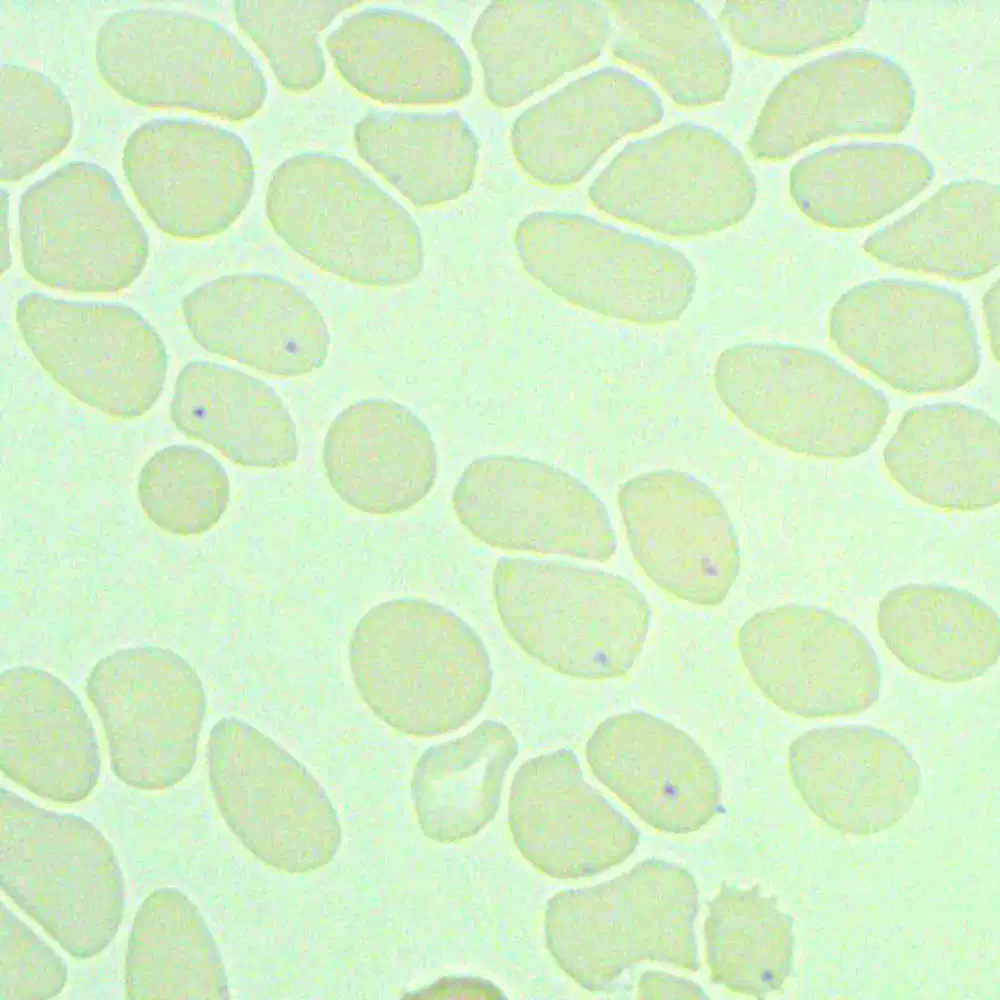
Heinz bodies are red cell inclusions that may only be seen with supravital staining. What do Heinz bodies contain, and what do they suggest?
DNA -hyposplenism
RNA- Thalassemia
Haemoglobin- oxidative hemolysis
Ferritin -hyposplenism

What is indicated by the large arrow?
Extracellular parasite
Lymphocytes
Giant platelets
Large platelets

