
 Worksheets
Biological Molecules
Total questions: 20
Worksheet time: 11mins

Which one is it?
A
B
C
D
Basic units of cabohydrates.
simple sugars
amino acids
fatty acids and glycerol
nucleotides
Basic units of lipids.
nucleotides
amino acids
simple sugars
fatty acids and glycerol
What element is not in carbohydrates, proteins and fats.
Oxygen
Nitrogen
Carbon
Hydrogen
Which test turns cloudy white?
Benedicts+Sugars
Ethanol+Protein
Sudan III+Lipids
Ethanol+Lipids
What molecule makes up proteins?
Carbon
Glycogen
Amino acids
Nitrogen
What does a deficiency in Vitamin D cause?
(a)
What one is not a symptom of rickets?
Bowed legs
Soft spot on head
Teeth deformities
Constant shortness of breath
What causes scurvy?
Lack of iron
Lack of Vitamin A
Lack of Vitamin C
Mosquito disease
What do both carbohydrates and lipids/oils provide to the body?
Growth and repair
Warmth
Energy
Health benefits
Protein has one extra molecule than carbohydrates and fats. What is it?
(a)

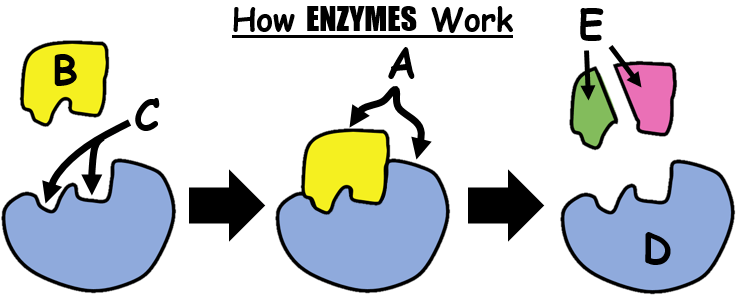
Where is the active site?
A
B
C
Identify the correct statement(s) about Optimum Temperature of Enzymes
Optimum temperature is the temperature at which enzymes are inactive
Different enzymes have different optimum temperatures
As temperature increases, the rate of reaction increases
Beyond optimum temperature, the structure of enzyme changes
When an enzyme has permanently lost its function due to high temperatures or extreme pH we say it has been...?
(a)
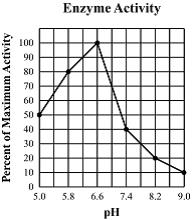
What can affect enzyme ability? (select all that apply)
temperature
inhibitors
pH
enzyme potential
Identify the true statement(s) between enzymes and catalysts
Enzymes combine temporarily with substrate while Catalysts combine permanently
Enzymes can be easily inactivated but not so in the case of catalysts
Enzymes reduce activation energy while catalysts increase activation energy
Both Enzymes and Catalysts catalyse biological reactions

What is C?
Substrate
Enzyme
Dust particle
Lock and Key

