
NEW
Font size
 Worksheets
Week 4 Vocabulary Practice : Cell
Total questions: 15
Worksheet time: 7mins
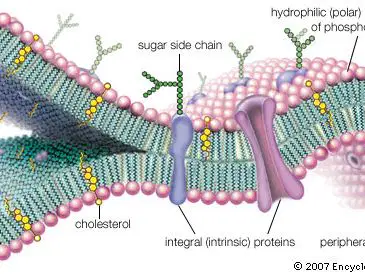
A selectively permeable membrane of the cells, which is composed of a lipid bilayer and proteins. Controls the movement of molecules between the inside of the cell with its surroundings.
Cell Membrane
nuclear membrane
Golgi Apparatus
Ribosomes
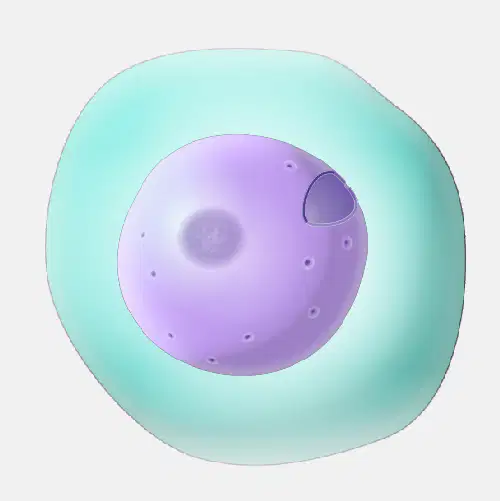
Jelly-like substance, found between the cell membrane and the nucleus. It holds most of the organelles in the cell
Cell Membrane
vacuole
Cytoplasm
Ribosomes
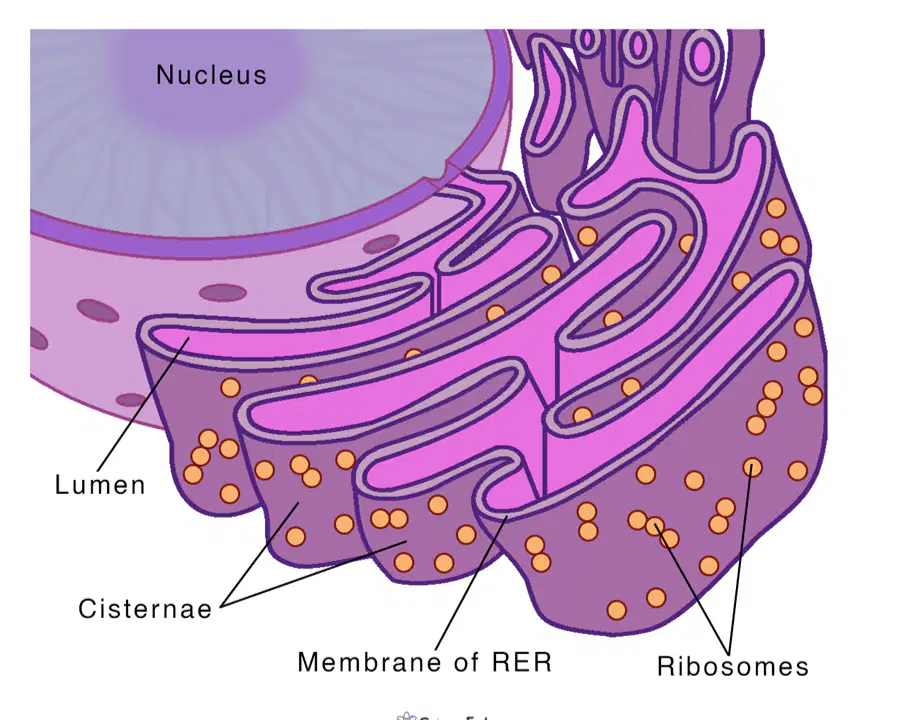
Network of membranous canals filled with fluid. They are the transport system of the cell and are involved in protein manufacture.
Smooth Endoplasmic Reticulum
vacuole
Cytoplasm
Rough Endoplasmic Reticulum
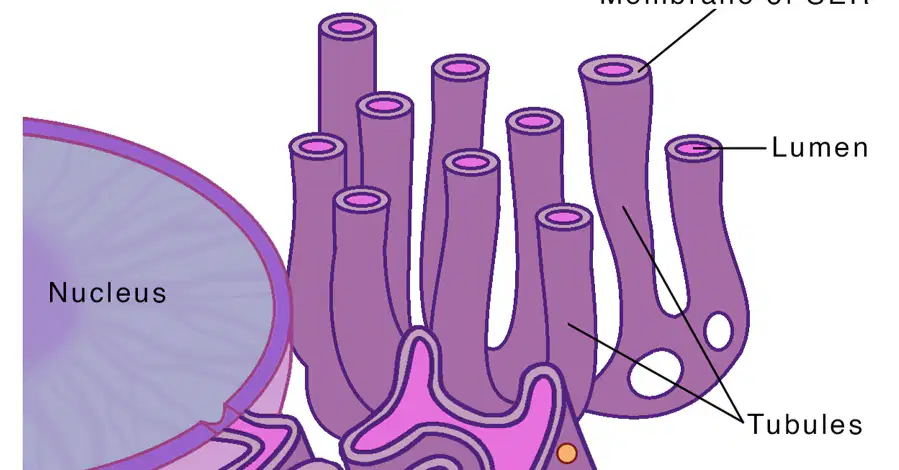
Network of membranous canals filled with fluid. They are the storage organelle, associated with the production of lipids, and steroids, and are also responsible for detoxifying the cell.
Smooth Endoplasmic Reticulum
vacuole
Cytoplasm
Rough Endoplasmic Reticulum

A double membrane-bound, sausage-shaped organelle, found in almost all eukaryotic cells. This is also called the "powerhouse of the cell" because it is where the majority of the energy (ATP) is produced.
Smooth Endoplasmic Reticulum
mitochondria
Chloroplast
Rough Endoplasmic Reticulum
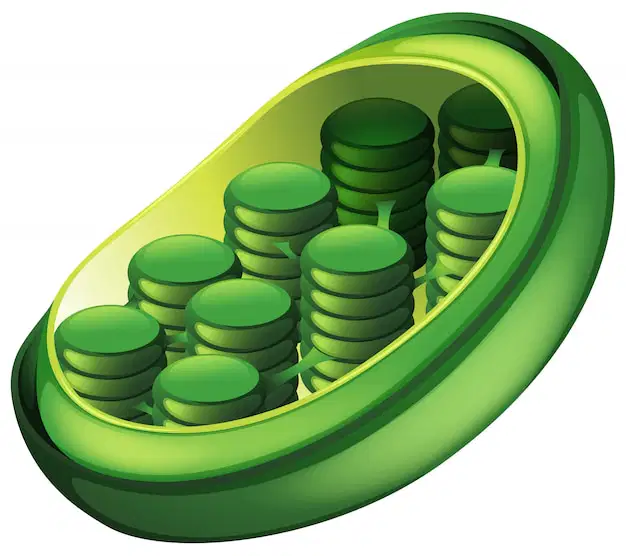
Double membrane-bound organelles that are present in the mesophyll cells of leaves, which store chlorophyll and other carotenoid pigments. These pigments are responsible for trapping light energy for photosynthesis.
Smooth Endoplasmic Reticulum
mitochondria
Chloroplast
Rough Endoplasmic Reticulum

Non-membrane-bound and are found in close association with the endoplasmic reticulum. Its primary function is protein synthesis,
lysosome
mitochondria
Chloroplast
Ribosome

A membrane-bound organelle, which is mainly composed of a series of flattened, stacked pouches called cisternae. This cell organelle is primarily responsible for transporting, modifying, and packaging proteins and lipids to targeted destinations.
lysosome
Golgi Apparatus
Chloroplast
Ribosome

Made up of two mutually perpendicular structures. It gives rise to spindle fibers during mitosis in animal cells.
lysosome
Golgi Apparatus
Centrioles
Ribosome

The largest, double membrane-bound organelles, contains all the cell’s genetic information. Controls the activity of the cell, helps in cell division, and controls hereditary characteristics.
lysosome
nucleus
Centrioles
Ribosome
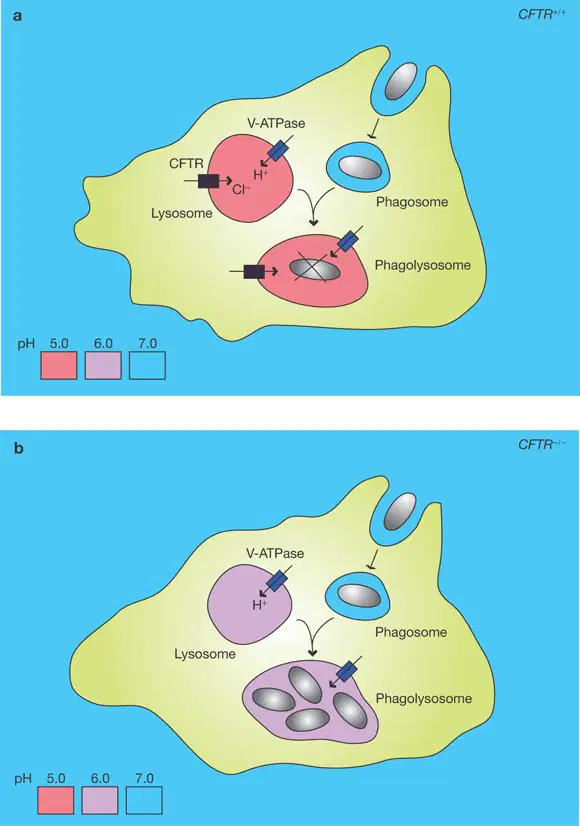
A tiny, circular-shaped, single membrane-bound organelles, filled with digestive enzymes. Helps in digestion removes wastes and digests dead and damaged cells.
lysosome
nucleus
Centrioles
Ribosome
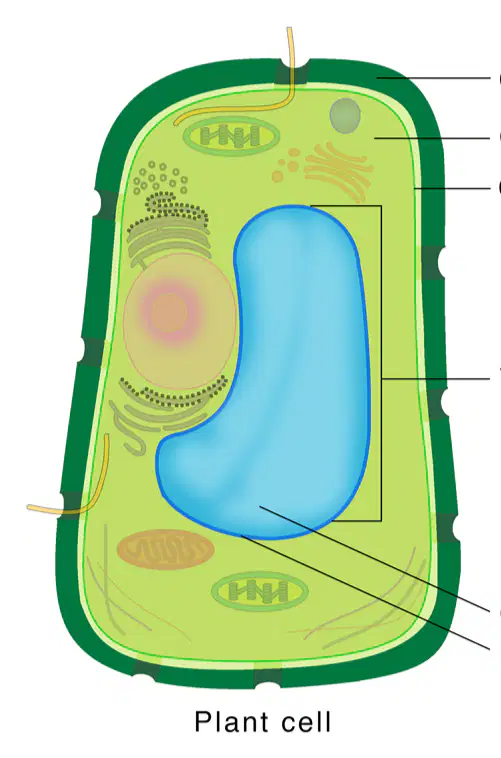
A membrane-bound, fluid-filled organelle found within the cytoplasm.
Provide shape and rigidity to the plant cell and help in digestion, excretion, and storage of substances.
lysosome
nucleus
vacuole
Ribosome

A spherical structure found in the cell's nucleus whose primary function is to produce and assemble the cell's ribosomes.
nucleolus
lysosome
centrioles
peroxisome
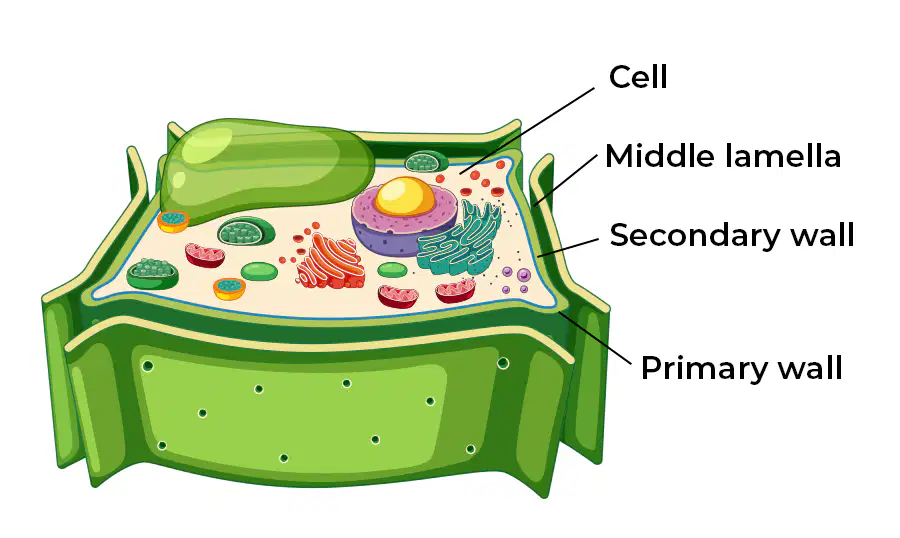
a rigid layer of polysaccharides lying outside the plasma membrane of the cells of plants, fungi, and bacteria. It provides structural strength and support, and also provide a semi-permeable surface for molecules to pass in and out of the plant cell.
cell wall
cell membrane
nuclear membrane
mitochondria

A threadlike structure of nucleic acids and proteins found in the nucleus of most living cells, carrying genetic information in the form of genes.
chromosomes
cell membrane
nuclear membrane
mitochondria

