
 Worksheets
classification
Total questions: 20
Worksheet time: 17mins
Name
Class
Date
1.
Scientists place organisms into domains and kingdoms based on cell type, number of cells, and
a)
if they are able to grow.
b)
if they drink water.
c)
if they have the ability to make food.
d)
if they are able to move.
2.
All living things are made of
a)
cells
b)
prokaryotes
c)
autotrophs
d)
heterotrophs
3.
The _________ levels that 2 organisms share, the more similar they are to each other.
a)
fewer
b)
more
4.
What level comes before class?
a)
phylum
b)
domain
c)
order
d)
family
5.
What level comes after order?
a)
genus
b)
kingdom
c)
family
d)
species
6.
What two levels make up a scientific name?
a)
genus and order
b)
genus and species
c)
domain and kingdom
d)
family and genus
7.
The 3 domains are Eukarya, Archaea, and
a)
Fungi
b)
Plantae
c)
Animalia
d)
Bacteria
8.
In a properly written scientific name, which part is capitalized?
a)
species
b)
genus
9.
In a properly written scientific name, which part is lowercase?
a)
species
b)
genus
10.
What is the most specific level of classification?
a)
Family
b)
Domain
c)
Species
d)
Carolus Linnaeus
11.
Who first proposed binomial nomenclature as a way of classifying organisms?
a)
Carolus Linnaeus
b)
Carl's Jr.
c)
Charles Darwin
d)
Henry Groseclose
12.
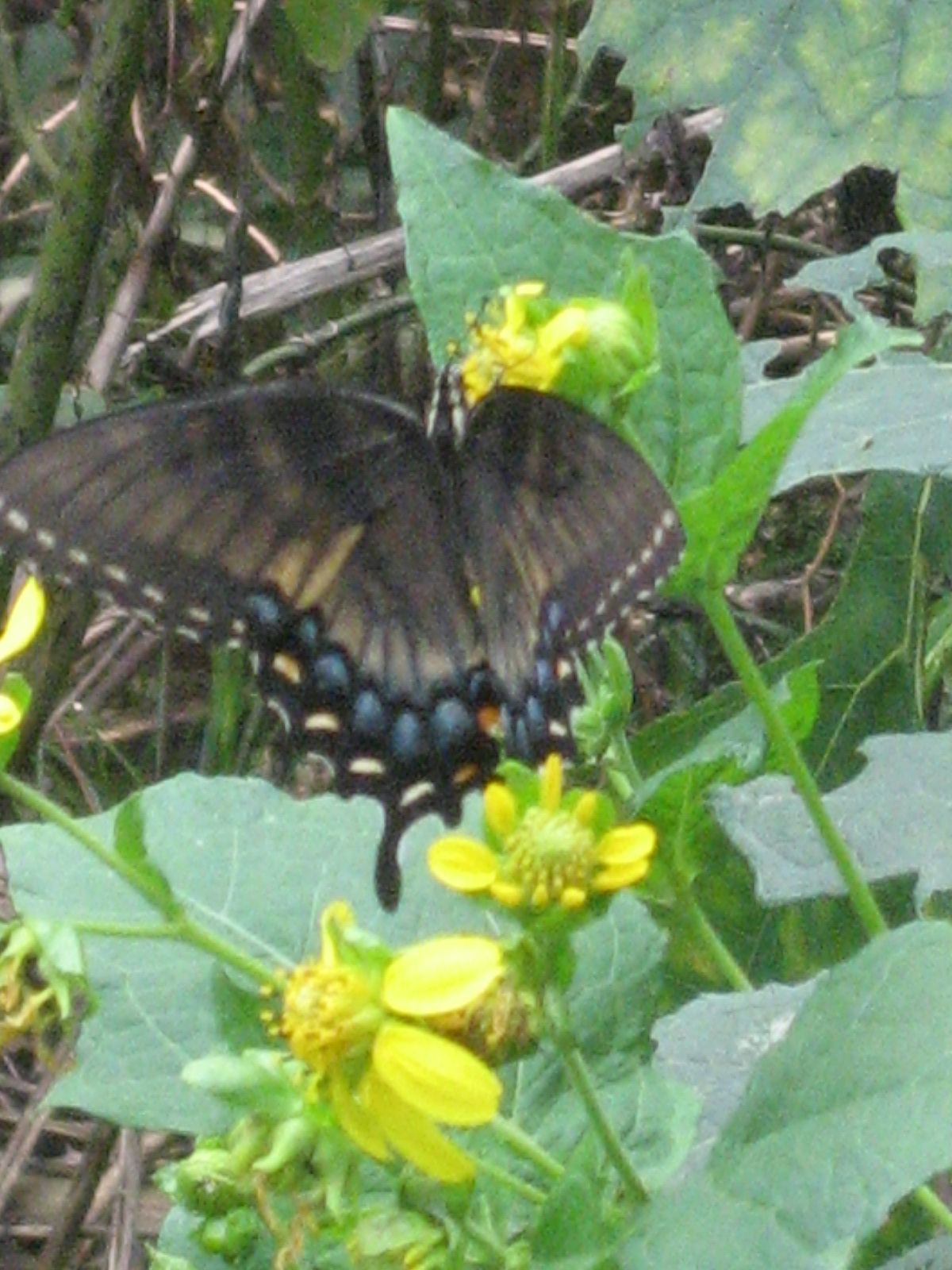
The 8 levels of classification, most broad to most specific.
a)
Domain, Genus, Family, Order, Class, Phylum, Kingdom, Species
b)
Domain, Species, Kingdom, Genus, Phylum, Family, Class, Order
c)
Domain, Kingdom, Phylum, Class, Order, Family, Genus, Species
d)
Order, Kingdom, Species, Domain, Phylum, Family, Class, Genus
13.
If two species share the same class, they also share the same______.
a)
phylum
b)
order
c)
genus
d)
species
14.
What is the science of organizing, classifying and naming living things.
a)
taxonomy
b)
taxadermy
c)
taxicab
d)
toxicology
15.
Term given to describe the 2 name naming system is:
a)
dichotmous key
b)
binomial nomenclature
c)
2 scientific names
d)
binomial key
16.
How do scientists organize living things?
a)
by looks
b)
by shared characteristics
c)
by size
d)
by differences
17.

The scientific name for water bear is Hypsibius dujardini. What is its species?
a)
Hypsibius
b)
dujardini
c)
water
d)
tardigrade
18.

The scientific name for water bear is Hypsibius dujardini. What is its genus?
a)
Hypsibius
b)
dujardini
c)
water
d)
tardigrade
19.
What are the 8 levels of classification of living things from most general to most specific?
a)
domain, kingdom, phylum, class, order, family, genus, species
b)
domain, kingdom, phylum, class, order, family, genius, species
c)
domain, kingdom, phamily, class, order, family, genus, species
d)
domain, king, phillip, class, order, family, genus, species
20.
Who organized living things by creating binomial nomenclature?
a)
Carolus Linnaeus
b)
Robert Hooke
c)
Anton van Leeuwenhoek
d)
James Watson
100 %

