
Font size
 Worksheets
Cell Transport & Osmosis Temperature Check
Total questions: 10
Worksheet time: 5mins
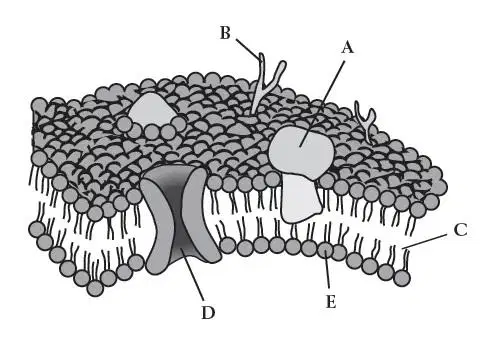
E+ C together is the ________
phospholipid
protein channel
hydrophilic head
hydrophobic tail
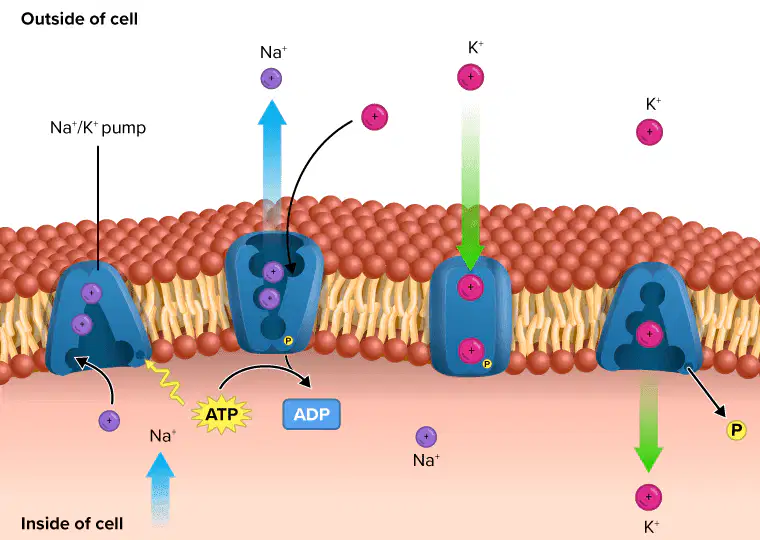
The image demonstrates what type of transport?
passive transport
active transport
simple diffusion
osmosis
The diffusion of water through a membrane from an area of high concentration to an area of low concentration.
active transport
osmosis
simple diffusion
endocytosis
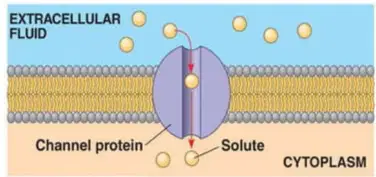
The image demonstrates what process?
osmosis
endocytosis
exocytosis
facilitated diffusion
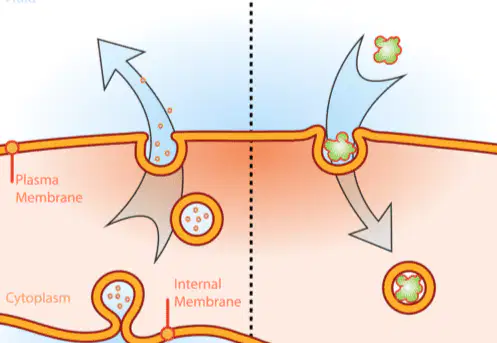
This image demonstrates what type of transport?
passive transport
active transport
osmosis
lipid carrier
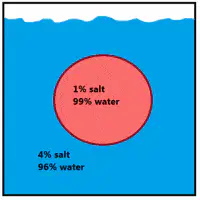
Where will the water go?
Into the cell because the solution is hypotonic
Equally in & out - it's isotonic
There is no water
Out of the cell because the solution is hypertonic
Which statements below is TRUE about simple diffusion? Select THREE answers.
It is a form of passive transport
Molecules travel with/down the concentration gradient.
It is how glucose travels across the cell membrane.
This transport is typical for large molecules.
It is how small molecules (oxygen and carbon dioxide) travel across the membrane
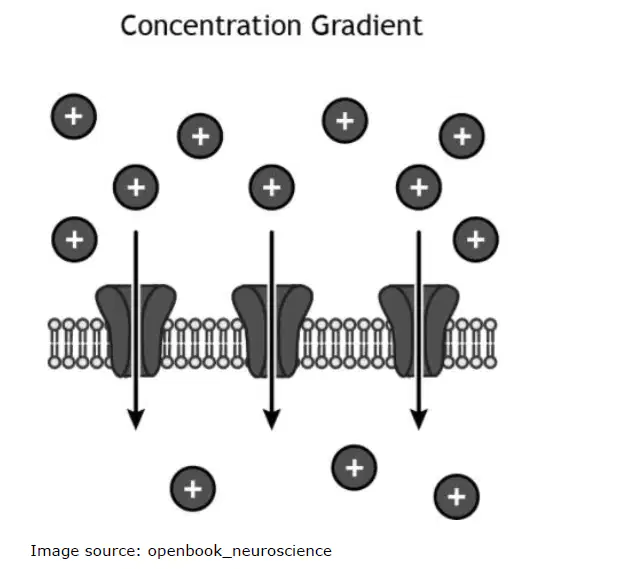
Use the image to answer the following question. Choose TWO answers, which statements accurately describe how molecules are being transported in this model?
Ions diffuse from regions of low concentration to high concentration.
Facilitated diffusion using channel proteins is a form of passive transport.
Molecules diffuse down the concentration gradient.
Diffusion requires energy.
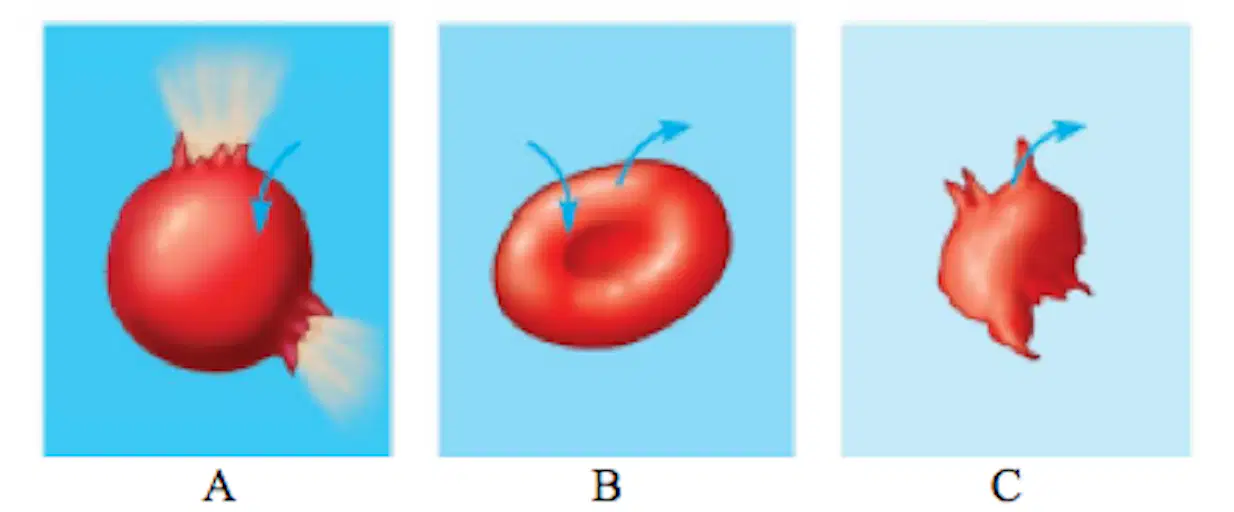
Which of the following statements correctly describe what are occurring in these cells (select 2 answers)
Cell A gains water causing it to burst. Cell A is in a Hypotonic solution.
Cell C loses water causing it to shrink (shrivel). Cell C is in a Hypotonic solution.
Cell B stays the same. Cell B is in an Isotonic solution.
Cell A and C are both losing water because they are in an Isotonic solution.
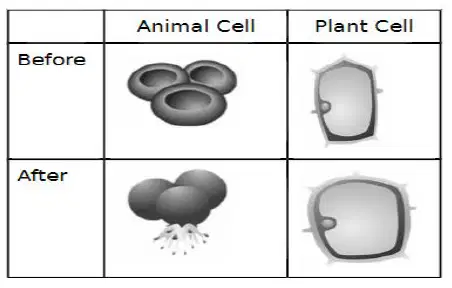
Students are observing both plant and animal cells when placed in a solution. Based on the table, which question BEST explains the student’s observations?
Did the animal cell burst because it was placed in a hypertonic solution?
Did the animal cell shrivel because it was placed in a hypotonic solution?
Did the cell wall prevent the plant cell from bursting in a hypotonic solution?
Did the cell wall prevent the plant cell from bursting in a hypertonic solution?

