
 Worksheets
Photosynthesis
Total questions: 18
Worksheet time: 13mins

Light-absorbing compounds such as chlorophyll are called:
thylakoids
stomata
pigments
stroma

Which color of light is NOT absorbed by the chlorophyll, causing many plants to look this color?
blue
green
orange
red

The organelles found inside of plant and algae cells, where the photosynthesis reactions take place:
vascular tissue
mitochondria
endoplasmic reticulum
chloroplasts

Plant cells have both mitochondria for cellular respiration and chloroplasts for photosynthesis.
True
False
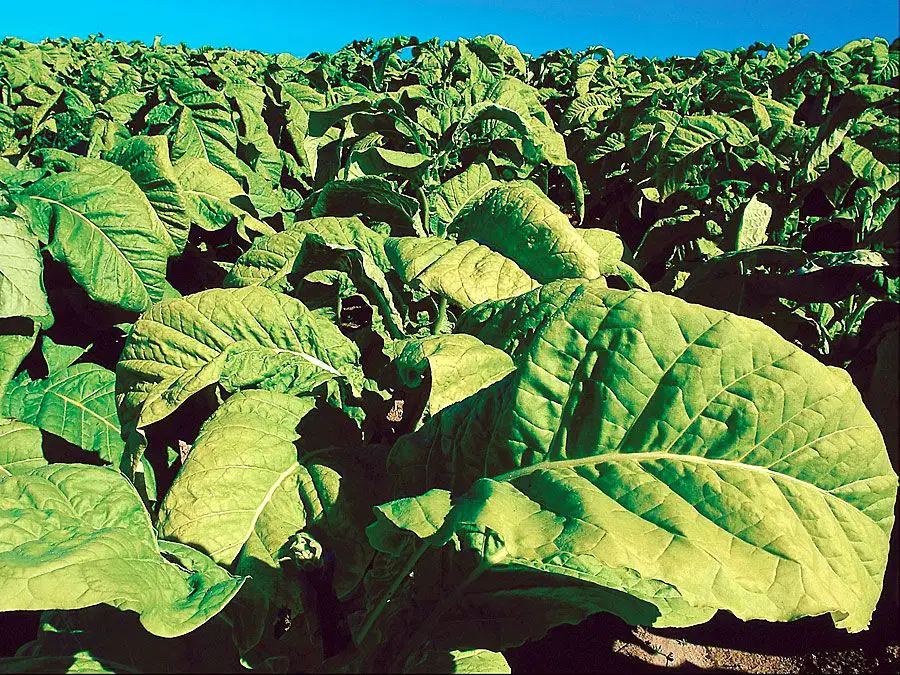
Plants, algae, and cyanobacteria produce their own food (carbohydrates) by photosynthesis. This can then become food for other organisms that eat plants. What is another name for a producer?
autotroph
heterotroph
decomposer
nutrient
Match the following pictures to their description

allow CO2 to go in, and H2O & oxygen out

organelle containing thylakoids & stoma

absorb water and nutrients for the plant

attracts pollinators to disperse pollen

two parts of photosynthesis
Which of the following is the correct description of photosynthesis?
oxygen and water are the reactants, and CO2 and carbohydrates are the products
CO2 and water are the reactants, and carbohydrates and oxygen are the products
CO2 and carbohydrates are the reactants, and water and oxygen are the products
Match the following

this process produces ATP (cell energy)

this process makes glucose and oxygen

this works like a rechargeable battery

this carries an electron (-) to reaction
How many reactions are involved in the process of photosynthesis?
1
2
3
4
Water and carbon dioxide are required by plants for photosynthesis.
true
false
Photosynthesis is a process that produces glucose (sugar) and oxygen.
True
False

Both plants and animals have chloroplasts.
True
False

The is known as the energy molecule and has three phosphates. When the bond holding the third phosphate is broken it releases a burst of energy for the cell to use.
ATP
ADP
NADP+
NADPH

Animals, fungi, and most types of bacteria cannot make their own food by photosynthesis. What are these organisms called?
autotrophs/producers
heterotrophs/consumers
Match the following
CO2
Carbon dioxide
O2
Oxygen gas
H2O
Water molecule
C6H12O6
Glucose molecule
ATP
Energy molecule
(adenosine triphosphate)
Match the following
Water goes into the thylakoid and O2 comes out
Light-dependent reaction
CO2 goes into the stroma (fluid around thylakoid) and sugars come out
Light-independent reaction
ATP loses a phosphate
ADP is formed (adenosine diphosphate)

This image of the two reactions in photosynthesis shows which of the following?
ADP and NADP+ from the light-independent reaction power the light-dependent reaction
ATP and NADPH from the light-dependent reaction power the light-independent reaction
ADP and NADPH from the light independent-reaction power the light-dependent reaction

Which of the following are examples of primary productivity (producing food)? Choose all that apply.
photosynthesis
cellular respiration
fermentation (anaerobic cellular respiration)
chemosynthesis

