
 Worksheets
Cell Parts
Total questions: 20
Worksheet time: 15mins
Which organelle controls most cell processes and contains genetic material?
Endoplasmic Reticulum
Golgi Complex
Nucleolus
Nucleus
What organelle uses chemical energy from glucose to produce ATP?
Which describes the structure and function of the vacuole?
Stack of membranes that package materials
Which organelle converts light energy to chemical energy during photosynthesis?
cytoplasm
centrioles
Which organelles can be found in plant cells but not animal cells?
Cell wall
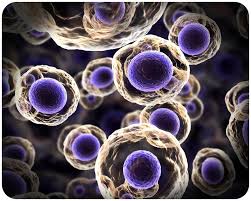
Prokaryotes have a nucleus to hold DNA.
Eukaryotes have a nucleus to hold DNA.
Prokaryotes are multicellular.
Prokaryotes contain membrane bound organelles.
What cell part helps to package, sort, and distribute proteins and lipids?
Golgi apparatus
Endoplasmic reticulum
Ribosomes
Where are proteins assembled?
Mitochondria
Nucleolus
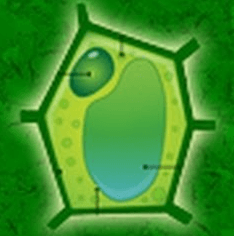
A rigid layer that provides extra support and shape
Cell membrane

The fluid inside a cell where chemical reactions occur.
Lysosome
Centrioles
Stroma
Organelle containing digestive enzymes used for intracellular digestion in animal cells
Vesicle
A double layer of phospholipids that creates a selectively permeable barrier between the cell's internal and external environments
Nuclear membrane
Cell wall
Plants, animals, fungi and protists are made of what type of cells?
single cells
Organelles made of microtubules used during animal cell division
Cilia
Centrioles
Lysosomes
Nucleolus

What is C?
chloroplast
vacuole
lysosome
mitochondria
What is G?
nucleus
lysosome
chloroplast
mitochondria

What is G?
cell membrane
lysosome
cell wall
cytoplasm
What is B?
cytoplasm
mitochondria
nucleus
chloroplast
A researcher is studying the movement of a protein that is secreted from a eukaryotic cell.
Which of the following pathways best represents the movement they could expect
for production, processing and packaging of the secretory protein?
Nucleus --> Golgi --> Rough ER --> Cytoplasm
Golgi --> Rough ER --> secretory vesicles --> Plasma Membrane
Rough ER --> Golgi --> secretory vesicle --> Plasma Membrane
Secretory vesicle --> Golgi --> Rough ER --> Cytoplasm
Which of the following structures is ALWAYS found in both eukaryotic and prokaryotic cells?
nucleus
mitochondria
ribosomes
cell wall

