
 Worksheets
02 Test Review: Biomolecules and Enzymes
Total questions: 36
Worksheet time: 38mins

The diagram represents one way an enzyme can be inhibited. Which statement explains the effect of an inhibitor on an enzyme?
A substrate will be able to bond with the enzyme.
The enzyme will likely be attacked by immune cells
The enzyme will be unable to produce more enzymes.
A substrate will be unable to attach to the enzyme.

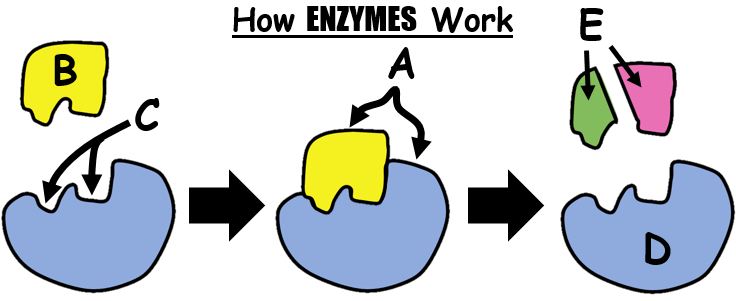

In the diagram, what is letter D...
active site
enzyme
substrate
products
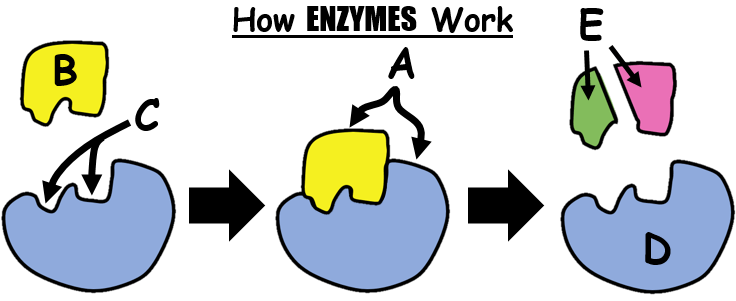
In the diagram, what is letter B...
active site
enzyme
substrate
products
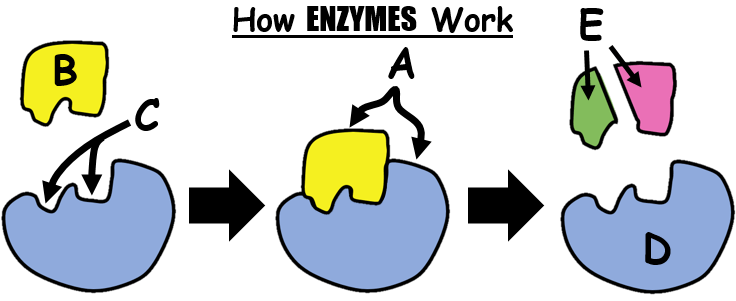
In the diagram, what is letter C...
active site
enzymes
substrate
products
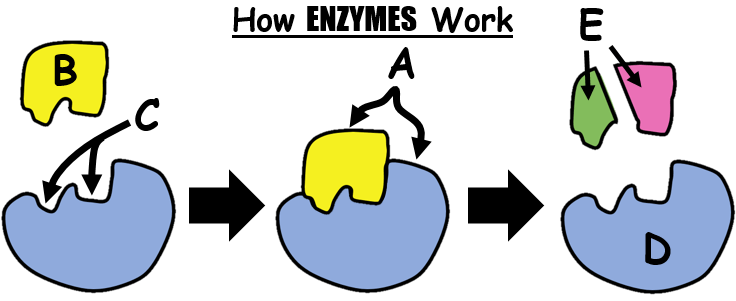
In the diagram, what is letter E...
active site
enzyme
substrate
products
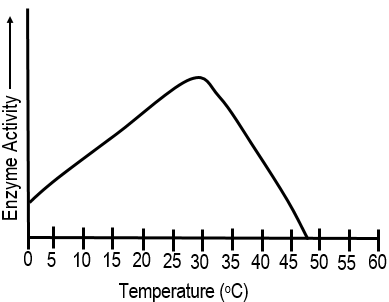
Enzymes are proteins that have a three-dimensional shape that is specific to a particular substrate. Environmental conditions can change the shape of the protein. What is the most likely result if the shape of the enzyme changes?
The substrate will change its shape to match the enzyme.
The enzyme structure change will result in the function to not be carried out.
The products made from the enzyme and the substrate will be changed.
The enzyme will be able to bind to more diverse substrates than before.
Fireflies emit light. The production of light by an organism is called bioluminescence. To generate visible light, cells in a firefly’s tail produce thousands of luciferase enzymes. Luciferase binds to a chemical called luciferin. Once bound, the luciferase enzyme speeds up a chemical reaction that combines an oxygen molecule and luciferin to produce oxyluciferin. This reaction requires energy and releases light. Which of the following best describes how the luciferase enzyme speeds up the chemical reaction?
Luciferase increases the amount of time the light is visible.
Luciferase decreases the amount of energy required for the reaction to start.
Luciferase increases the number of sites on luciferin that must bind to oxygen.
Luciferase decreases the temperature of the environment inside the body of the
firefly.

Two biomolecules are shown.
Molecule X and Molecule Y are both carbohydrates.
Molecule X is a nucleic acid, and Molecule Y is a carbohydrate
Molecule X and Molecule Y are both nucleic acids.
Molecule X is a carbohydrate, and Molecule Y is a nucleic acid.

Each of these represents a different biomolecule. Which of the following is a carbohydrate?
A
B
C
D
Which statement explains why an enzyme is highly specific to a particular substrate?
The density of the enzyme matches the density of the substrate.
The enzyme is made up of the same substance as that of the substrate.
The temperature of the enzyme matches the temperature of the substrate.
The shape of the enzyme's active site matches the shape of the substrate.
Changes in pH and temperature can ___________________ an enzyme which causes it to lose its shape and affects its function.
puncture
denature
double
delete
Which of the following is the monomer of carbohydrates?
monosaccharides
amino acids
glycerol
nucleotides
What does the word monosaccharide mean?
one sugar
two sugars
many sugars
some sugars
Monomer is to Macrocolecule like ___ is to ____
Building is to Bricks.
Brick is to Building.
Carpenter is to Building.
Building is to Carpenter.
(a) are the (b) (also called MONOMERS) of (c) .
Lock and (a) is a model of the (b) ; the (c) fits perfectly into the active site.
A (a) enzyme is an enzyme that doesn’t (b) because its (c) has been changed.
Match the following macromolecules to their monomers:
Carbohydrates
Monosaccharides
Lipids
Fatty acids
Proteins
Amino acids
Nucleic acids
Nucleotides
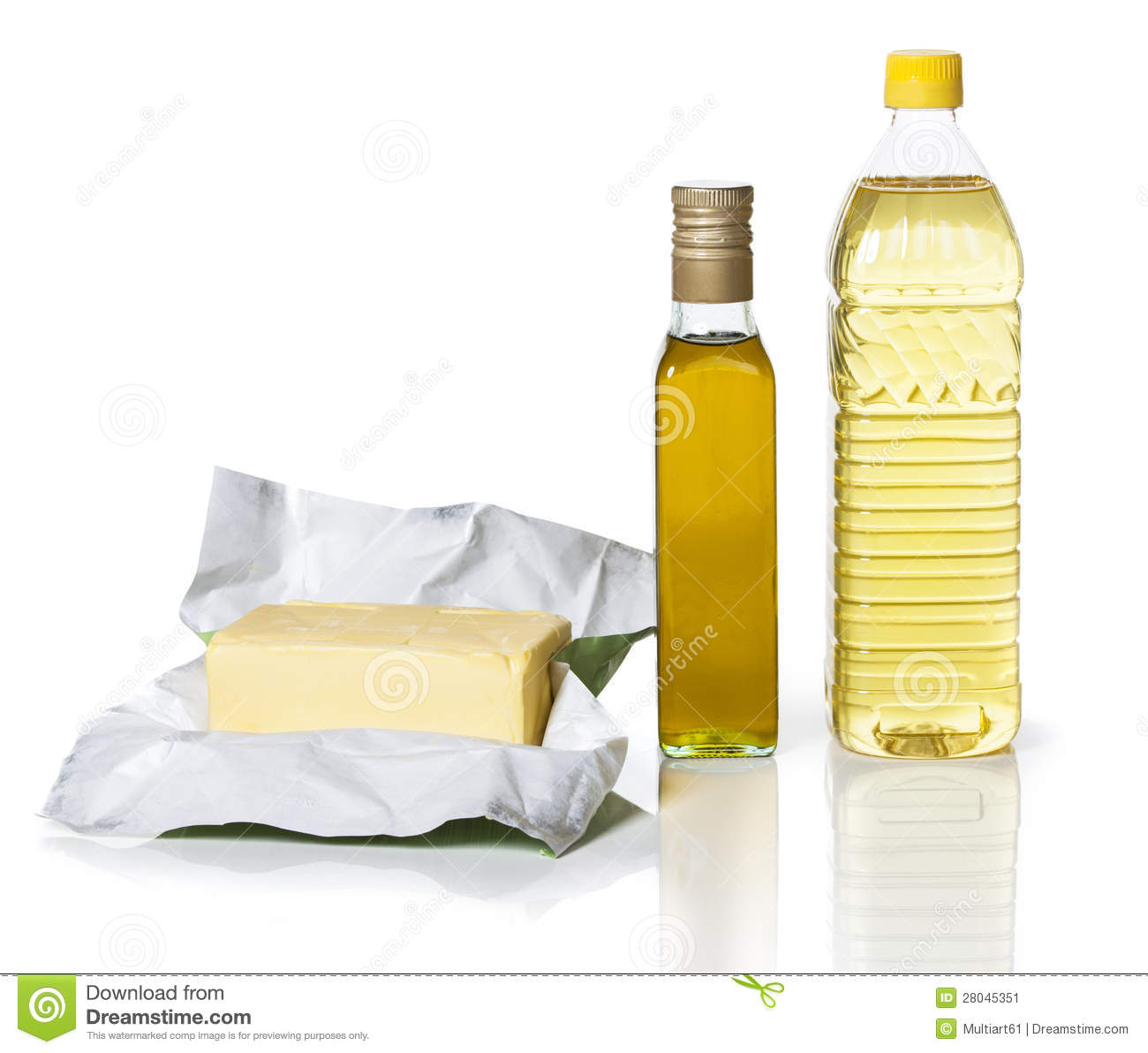
An advertisement for a health supplement for dogs claims to build lean muscle and strength tendons and ligaments, as well as provide energy. Which two biomolecules must the supplement contain to provide these benefits?
Carbohydrates and lipids
Proteins and carbohydrates
Nucleic acids and carbohydrates
Lipids and nucleic acids

The complex carbohydrates pictured below are made by linking molecules of glucose.
In all three complex carbohydrates, the subunits of glucose are bonded together differently. Because they have different structures, they most likely —
contain different chemical elements
form different proteins
carry different nucleotides
perform different functions
A student preparing for a hike wants to pack a snack that has biomolecules that provide quickly available energy but few excess calories. Which nutrition label lists the best combination of biomolecules that provide quickly available energy while providing the fewest calories from other types of biomolecules.


A student used poster board to construct this model of a section of DNA. Which statement describes this model of DNA?
The model is inaccurate because some typical bases in DNA are missing
The model is accurate because it contains correctly paired bases
The model is accurate because it shows each base splitting to form a double helix
the model is inaccurate because the base pairs are incorrect
If a molecule of DNA is 18% adenine, what is the percentage of guanine in the molecule?
(a)
If a molecule of DNA is 32% guanine, what is the percentage of cytosine in the molecule?
(a)

