
 Worksheets
EL Poetry & Figurative Language Terms
Total questions: 95
Worksheet time: 55mins
What is the definition of rhyme scheme in poetry?
The definition of rhyme scheme in poetry is the use of similar sounding words in a poem.
The definition of rhyme scheme in poetry is the pattern of rhymes at the end of each line.
The definition of rhyme scheme in poetry is the arrangement of words in a specific order.
The definition of rhyme scheme in poetry is the repetition of words at the beginning of each line.
Why is figurative language used in poetry?
To distract the reader from the main theme of the poem.
To create vivid imagery, evoke emotions, and add depth and complexity to the meaning of the poem.
To make the poem longer and more detailed.
To confuse the reader and make the poem difficult to understand.
What is the difference between a metaphor and a simile?
A metaphor compares two similar things, while a simile compares two different things.
A metaphor uses 'like' or 'as' to compare two unrelated things, while a simile directly compares two unrelated things.
A metaphor is a figure of speech, while a simile is a type of analogy.
A metaphor directly compares two unrelated things, while a simile uses 'like' or 'as' to compare two unrelated things.
What is alliteration?
The use of similes and metaphors in a poem.
The repetition of the same (often consonant) sound at the beginning of neighboring words.
The repetition of the same vowel sound at the beginning of neighboring words.
The use of rhyming words at the end of each line.
What is the definition of personification?
Using metaphors to describe human emotions.
Creating vivid imagery through descriptive language.
Using rhyme and rhythm to convey meaning.
Giving human qualities to non-human things or abstract ideas.
What is the purpose of using imagery in poetry?
To confuse the reader.
To provide historical context.
To emphasize the rhyme scheme.
To create vivid and sensory experiences for the reader.
What is the purpose of using alliteration in poetry?
To create a musical effect.
To confuse the reader.
To provide historical context.
To emphasize the rhyme scheme.
What is the effect of using alliteration in poetry?
It creates a musical effect and emphasizes certain words or themes.
It makes the poem difficult to read and understand.
It changes the meaning of the poem completely.
It has no effect on the poem.
What is an example of a metaphor?
'She is as brave as a lion.'
'He runs like a cheetah.'
'Life is a highway.'
'Her eyes are brown.'
Which are examples of simile?
'The world is a stage.'
'Life is like a box of chocolates.'
'She is as cunning as a fox.'
'Time is money.'
What is the purpose of using alliteration in poetry?
To create a musical effect.
To provide historical context.
To confuse the reader.
To emphasize the rhyme scheme.
What is the definition of consonance ?
The comparison of two unlike things using 'like' or 'as'.
The use of similar sounding words at the end of each line.
The repetition of the same consonant sound at the beginning, middle, or end of neighboring words.
The use of rhyming words at the beginning of each line.
"It's raining cats and dogs" is an example of a/an...?
Personification
Simile
Onomatopoeia
Idiom
"Crunch," "pop," "bang," and "pow" are examples of __________________?
Simile
Metaphor
Onomatopoeia
Symbolism
He is as skinny as a stick. Is a...?
Simile
Metaphor
Personification
Sensory Imagery
The snow is a white blanket is an example of a.......?
Simile
Metaphor
Personification
Onomatopoeia
"As she walked into the dark forest, she could hear the leaves crunching under her feet and smell the dark, damp dirt." (This writing has ___________ ___________ in it that helps the reader visualize the scene.
Sensory Imagery
Simile language
Metaphor words
Personification phrases
"Sally sells seashells by the seashore" is an example of?
Simile
Metaphor
Alliteration
Personification
Complete the analogy: A paragraph is to prose as a _________ is to poetry.
Line
Stanza
Rhyme
Alliteration
The fact that the Bible is one of the most shoplifted books is an example of ________________?
Irony
Idiom
Metaphor
Simile
A wedding ring is an example of _____________________?
Irony
Sensory Imagery
Symbolism
Idiom
The fact that duct tape should never be used to seal ducts is an example of ____________?
Idiom
Alliteration
Irony
Personification
A four-leaf clover is a/an ______________________ of good luck.
Symbol
Irony
Idiom
Sensory Imagry
"He could hear the howling of the approaching storm and see the debris thrown around the farm." This is an example of _____________ ___________________?
Irony
Idiom
Metaphor
Sensory Imagery
an extreme exaggeration not meant to be taken literally
simile
metaphor
hyperbole
connotation
the writer's attitude toward or feelings about the subject matter and audience
mood
voice
shift
tone
The atmosphere of a literary piece, or how the reader feels when reading it is called:
mood
tone
voice
simile
The dictionary definition of a word is:
connotation
denotation
mood
tone
a long, often book-length, narrative in verse form that retells the heroic journey of a single person or a group of persons
humorous poem
lyrical poem
epic poem
free verse poem
a poem in which the poet either expresses their feelings or emotions
humorous poem
lyric poem
epic poem
free verse poem
a combination of contradictory or incongruous words (such as cruel kindness)
alliteration
imagery
hyperbole
oxymoron

A combination of contradictory or incongruous words (such as cruel kindness) is:
alliteration
imagery
hyperbole
oxymoron
an open form of poetry which does not use consistent meter patterns, rhyme, or any musical pattern. It thus tends to follow the rhythm of natural speech.
humorous poem
lyric poem
epic poem
free verse poem
(a) includes figurative and metaphorical language to improve the reader's experience through their senses.

(a) includes figurative and metaphorical language to improve the reader's experience through their senses.

the pattern of rhymes at the end of each line of a poem or song
alliteration
rhyme scheme
meter
assonance
the repetition of vowel sounds in nearby words
imagery
denotation
assonance
consonance
The repetition of the same consonant sounds in a line of text. These alike sounds can appear anywhere in the word, but will usually be found at its end or middle, or at the end of the stressed syllable.
alliteration
imagery
assonance
consonnance
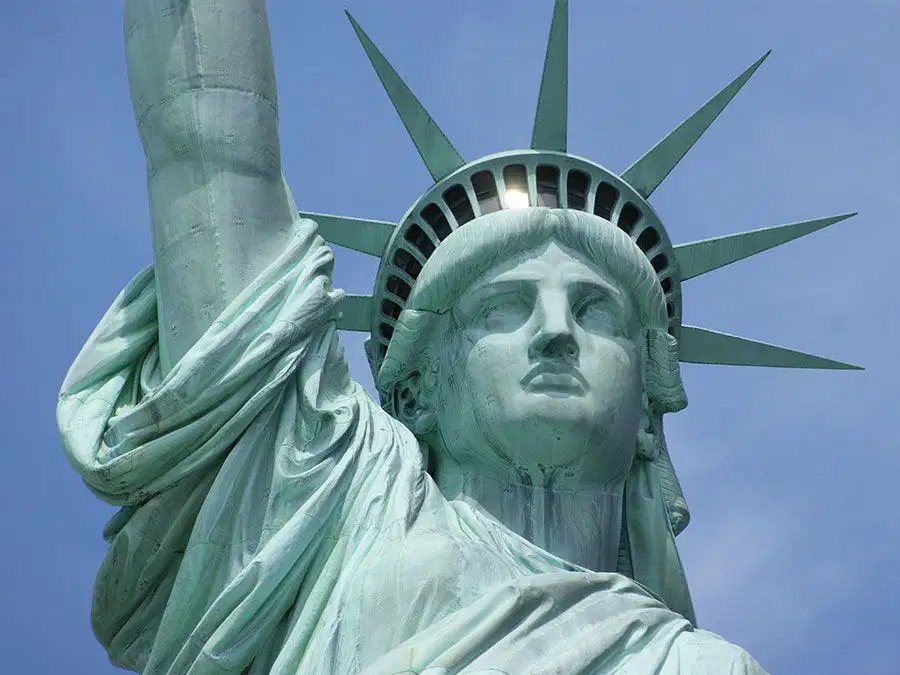

An expression that means something other than the literal meanings of its individual words. They are very commonly used expressions particular to one language/culture.

Poems are arranged in lines. Lines can be ___________.
A single word
A sentence
A part of sentence
All of the above

Groups of lines are called ______________.
Sentences
Stanzas
Tony Danzas
Line groupings

What figurative language is used in this sentence?
"The sun was calling my name with its glowing, warm rays of light"
Metaphor
Personification
Refrain
Hyperbole

What figurative language is used in this sentence?
"The boy was as fast as a rocket as he sped by on his bicycle"
Simile
Metaphor
Hyperbole
Personification

How is poetry written? (structure)
a) Sentences & paragraphs
b) Sentences
c) Lines & paragraphs
d) Lines & stanzas

George could never do anything right. He was usually late for school, and throughout the day, he was late for every activity. If the teacher said it was time for reading, he took out his math book. When it was time for math, he took out his independent reading book.
What is the TONE of this passage?
disapproving
encouraging
angry

The sky was dark with heavy rain clouds, and a cold wind blew in from the lake. The trees shivered, losing the last of their leaves, and people ran from their cars to their houses, avoiding spending any time outside.
What is the MOOD of this passage?
whimsical
dreary
cheerful

What does an author use to create imagery?
facts and opinions
main ideas
five senses
exaggerated text

When an author gives human characteristics to non-human objects, this is an example of:
alliteration
hyperbole
metaphor
personification

A comparison between two unlike things using the words like or as:
simile
metaphor
personification
alliteration

A comparison between two unlike things without using the words like or as:
simile
metaphor
personification
imagery

Words that represent sounds are known as:
imagery
hyperbole
idiom
onomatopoeia

When the beginning sound of words is repeated, this is an example of:
personification
imagery
alliteration
hyperbole

When the author uses exaggerated text, this is an example of:
alliteration
imagery
personification
hyperbole

A symbol is:
a thing that represents or stands for something else
a word whose sound suggests its meaning
using words to create a mental picture for the reader
What is usually the purpose of a poem?
Inform
Entertain
Confuse
Persuade
How many stanzas does this poem have?
Archery
It’s like touching without touching,
except when there is, also, touching.
We pull the bowstrings back
and parallel together,
aiming a handsbreadth higher
than we believe we intend,
and let the glove move where we draw the wire,
scared that the machinery
will misinterpret us,
that we may not stop trembling, that we may lose
our belief in ourselves
before anything is released, or shared, or sent.
5
2
4
3
What is the title of this poem?
Archery
It’s like touching without touching,
except when there is, also, touching.
We pull the bowstrings back
and parallel together,
aiming a handsbreadth higher
than we believe we intend,
and let the glove move where we draw the wire,
scared that the machinery
will misinterpret us,
that we may not stop trembling, that we may lose
our belief in ourselves
before anything is released, or shared, or sent.
(a)
"Piper played the piano perfectly" is an example of ...
Imagery
Hyperbole
Alliteration
Idiom
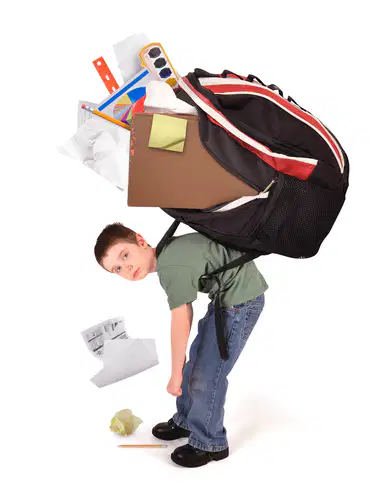
"My backpack weighs a ton" is an example of ...
alliteration
hyperbole
personification
idiom
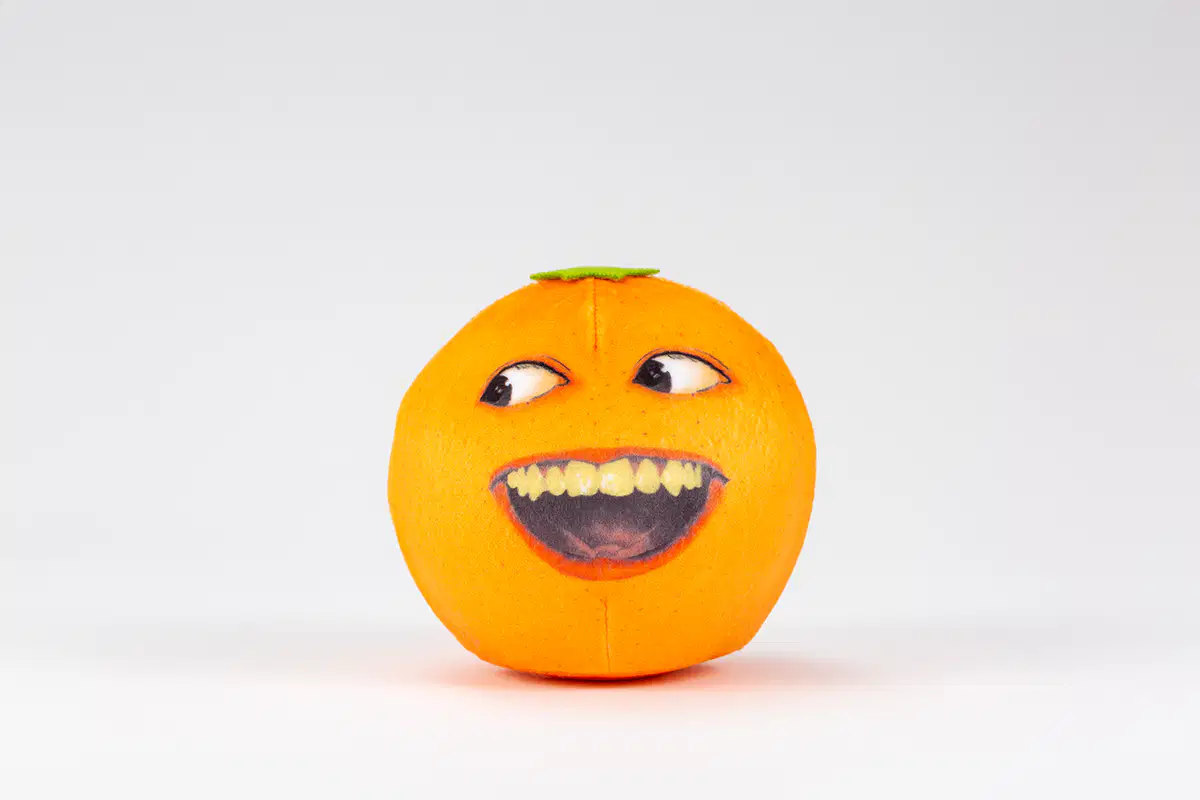
"The fresh, juicy, orange is tangy and sweet" is an example of...
imagery
idiom
hyperbole
simile
"But when the trees bowed down their heads" is an example of
hyperbole
metaphor
irony
personification
Literal language is different from figurative language because
it is unclear.
it can have more than one meaning.
it means exactly what is said or written.
it gives directions.
Literal language is different from figurative language because literal language
is unclear.
can have more than one meaning.
means exactly what is said or written.
gives directions.
This sentence is an example of what type of figurative language? "The icy winds teetered trash cans and turned my cheeks to marble."
idiom
alliteration
metaphor
symbolism
Which of the following is an example of symbolism in literature?
a white dove representing peace
a unicorn representing a princess
happiness representing joy
an idea becoming a reality
Which of these sentences contains an allusion?
The smaller brother was like a pitbull; he was so fierce.
The team's victory was a real Cinderella story.
He drove to the office every day, but on the way home he dreamed of becoming an executive chef.
The linebacker was a freight train barreling down the field on a collision course.
The idiom "That was a piece of cake!" means
That was delicious!
That was unexpected!
That had frosting all over it!
That was easy!
Rhyme scheme tells us which lines will
make the most sense
have the same ending sound
get together with the other lines to hatch secret plots
contain figurative language

This picture is an example of
onomatopoeia
personification
allusion
irony
Which of the these lines contains INTERNAL rhyme.
How do I love thee? Let me count the wys.
I had a cat who wore a hat.
The sky was a clear, rich shiny blue
It's too hot to handle!
Which one of these is NOT a sound device used in poetry?
onomatopoeia
alliteration
assonance
allusion

This lyric by Cardi B contains what kind of figurative language?
allusion
hyperbole
personification
What is verbal irony?
what is said is different than what is meant
the audience knows something a character doesn't know.
what happens is the opposite of what is expected
Dramatic irony is when
what is said is different than what is meant
the audience knows something the character doesn't
what happens is the opposite of what is expected
Situational irony is when
what is said is the opposite of what is meant
the audience knows something the character doesn't
what happens is the opposite of what is expected
Match the following types of irony with the prompt:
Dramatic
The reader knows that the wife survived the plane crash, but his wife thinks he didn't.
Situational
The winner of the spelling bee fails their spelling quiz.
Verbal
Someone states during a rainstorm, " It's such a beautiful day!"
A pun ...
is a form of poetry
is when words with the same sounding beginning are used
is a word that mimics the sound of the object or action it refers to
is the creation of humor by using words that have multiple meanings or sound alike

What rhetorical device is being used in the image?
Understatement
Satire
Irony
Overstatement
True or false: a satire uses humor to critique something that is wrong with society
True
False

Which of the following is NOT an example of irony?
A tall man is nicknamed “Shorty.”
A best-selling author tells boring stories at dinner parties.
The school valedictorian ends up homeless.
A left-handed person is nicknamed “Lefty.”

Writing that imitates a literary work in order to illustrate its shortcomings
contradiction
paradox
subtlety
parody

How many lines are in this stanza from "The Cloud"?
4
12
1
16

Of the following pairs of words, which one is NOT an example of INTERNAL RHYME found in the poem?
showers/flowers
under/thunder
shaken/waken
flail/hail
Rhyming words need to LOOK alike as well as SOUND alike.
TRUE
FALSE
Internal rhymes may be found in which places in the poem?
inside the same line only
at the ends of lines only
inside the lines WITH an end of the lines
--inside with inside
--inside with end rhyme
--inside in separate lines

What is the rhyme scheme of this poem?
ABABA
AABBC
ABCBA
AABBA

What is the rhyme scheme of this poem?
AABC
ABCB
AABB
ABAB
butterfly
shy
multiply
Mary had a little poodle
All day long she ate a __________



