wayground logo

Free Printable Worksheets

NEW

Font size

S
M
L
XL
Worksheets

Element and Principle of arts and design

Total questions: 30

Worksheet time: 14mins

Name
Class
Date
1.

Which element of art is best described as a 2 dimensional line with no form or thickness which are flat and can be grouped into two categories, geometric or organic?

a)

LIne

b)

Shape

c)

Form

d)

Texture

2.

Which element of art can best be described as a 3 - dimensional object having volume and thickness and the illusion of a 3-D effect can be implied with the use of light?

a)

Pencils

b)

Balance

c)

Form

d)

Values

3.

Area enclosed when both sides of a line meet (2-D objects)

a)

shape

b)

color

c)

value

d)

texture

4.
Line, color, value, texture, shape, form, and space are considered...
a)
elements of design
b)
principles of design
5.
Balance, pattern, movement, emphasis, rhythm, unity, and contrast are considered...
a)
principles of design
b)
elements of design
6.
Rhythm is the __________ of visual movement--colors, shapes, or lines.  Fill in the missing word.
a)
repetition
b)
stopping
c)
replacing
7.
The principle of emphasis is used by artists to create dominance & focus in their work.  Your eye is drawn to which color?
a)
red 
b)
green
8.
The element of texture refers to the surface quality, both simulated & actual, of artwork.  Texture describes how something...
a)
feels
b)
smells
c)
sounds like
9.
Which is NOT a principle of design?
a)
Line
b)
Balance
c)
Rhythm
d)
Scale
10.
What are the elements of design?
a)
The basic tools a designer works with
b)
The basic rules that a designer uses
11.
What are the principles of design?
a)
the basic tools a designer works with
b)
the basic rules that a designer uses
12.
What is NOT an element of design?
a)
Space
b)
Harmony
c)
Shape
d)
Color
13.
Which is NOT a principle of design?
a)
Line
b)
Balance
c)
Rhythm
d)
Scale
14.

This element is represented by a 3-D object having depth. Examples include cube, cylinder, or sphere.

a)

Shape

b)

Value

c)

Form

d)

Texture

15.

This element represents the area around (negative) and inside of an object (positive). Also refers to distance in an artwork (objects further away appear smaller).

a)

Shape

b)

Color

c)

Space

d)

Texture

16.

This principle of design is referred to as a sense of motion in an artwork. Often described as jazzy, flowing, etc.

a)

Contrast

b)

Color

c)

Rhythm

d)

Balance

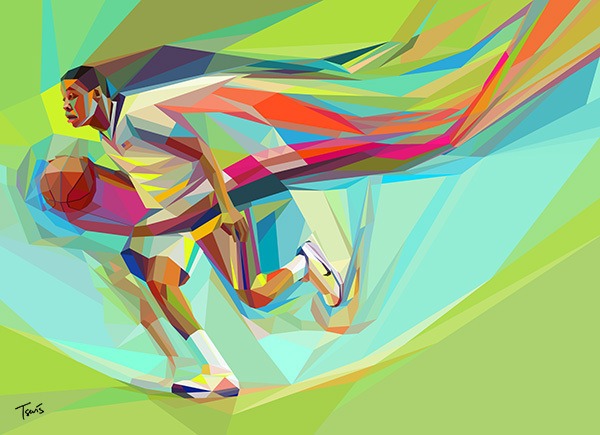
17.

What Principle of Design is being highlighted in this artwork?

a)

Movement

b)

Balance

c)

Pattern

d)

Unity

18.

These are examples of

a)

geometric shapes

b)

geometric forms

c)

diamonds

d)

gem shapes

19.

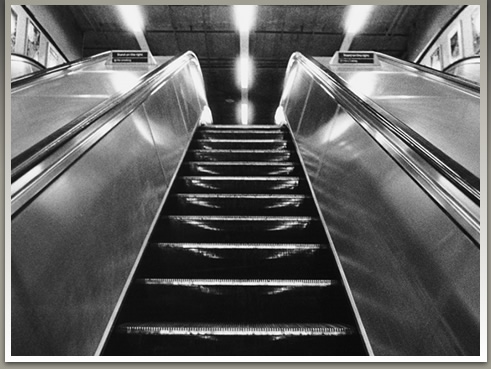
What kind of line is being shown in the image?

a)

Vertical Line

b)

Horizontal Line

c)

Continuous Line

d)

Diagonal Line

20.

These are examples of what kind of shapes?

a)

Geometric shapes

b)

Patterned Shapes

c)

Unusual Shapes

d)

Organic Shapes

21.

2D or 3D?

a)

2D

b)

3D

22.

Which color is not a primary color?

a)

White

b)

Blue

c)

Red

d)

Yellow

23.

What is the Principle of Design in this image?

a)

Radial Balance

b)

Asymmetrical Balance

c)

Symmetrical Balance

d)

Chaos

24.

This terrace paddy field shows ______ of curvy lines.

a)

Emphasis

b)

Repetition

c)

Contrast

d)

Scale

25.

The red sculpture becomes ______ because of the contract of color.

a)

Unity

b)

Order

c)

Radial Balance

d)

Emphasis

26.
This image is a good example of which element?
a)
movement
b)
pattern
c)
line
d)
form
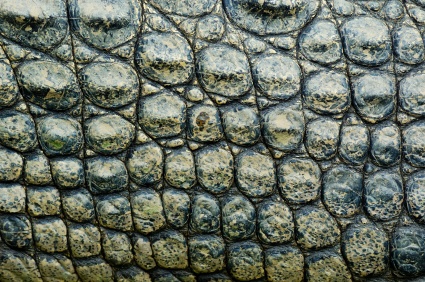
27.
The image is a good example of which element?
a)
pattern
b)
texture
c)
shape
d)
emphasis
28.
This image is a good example of which principle?
a)
space
b)
movement
c)
form
d)
value
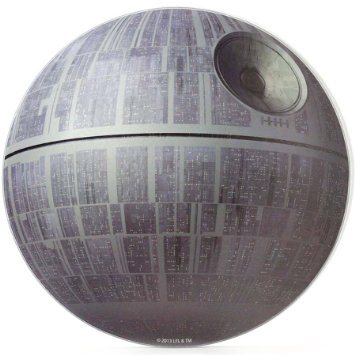
29.
This image is a good example of which element?
*hint- three dimensional
a)
rhythm
b)
contrast
c)
form
d)
shape
30.
This image is a good example of which element?
a)
value
b)
balance
c)
emphasis
d)
color