
 Worksheets
2-1 Newton's Second Law - Standard Quiz (SQ)
Total questions: 12
Worksheet time: 6mins
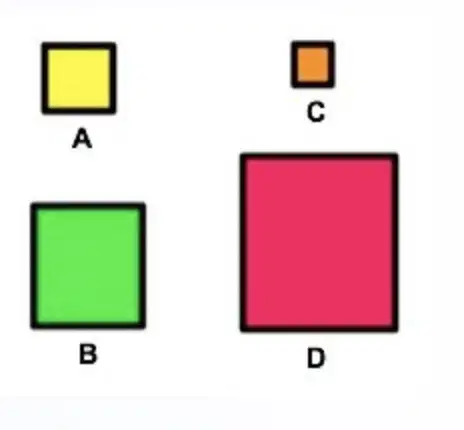
Four boxes of increasing size and weight must be pushed up a ramp. To push the boxes at the same speed, what must you do?
Push the boxes with the same force, smoothly up the ramp..
The larger and heavier the box, the more force you must use when pushing.
Push the boxes with the same force, at exactly the same speed, up the ramp.
Push the largest box with the most force; push the others with about the same force.
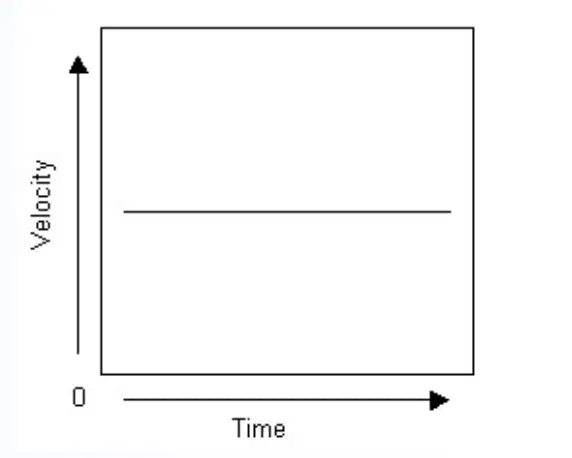
Based on the graph, how would you describe the net forces acting on the moving object?
Net force equals zero.
Net force is greater to the right.
There is no way to determine net force.
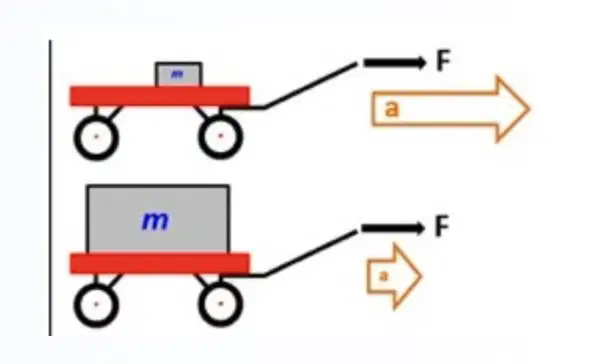
Liz puts a 1 kg weight and a 10 kg weight on identical sleds. She then applies a 10N force to each sled. Explain why the smaller weight has a larger acceleration.
The same amount force is applied to both sleds.
The acceleration is directly proportional to the force.
It indicates the extent of the unbalanced forces present.
Acceleration depends indirectly on the mass of the object.
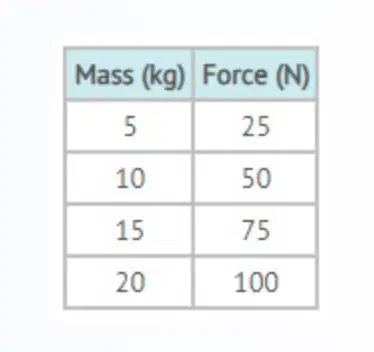
Consider the data collected in science class. Different masses were thrown with varied amounts of force. The data table reflects Newton's 2nd Law of Motion, or F = ma. Based on the data collected, what conclusion can be stated about the objects acceleration?
In all cases, the acceleration was the same.
The acceleration decreased as the mass increased.
The acceleration increased as the force increased.
The greater the force, the greater the acceleration.
To accelerate an object, what has to increase?
the weight of the object
the mass of the object
the force applied to the object
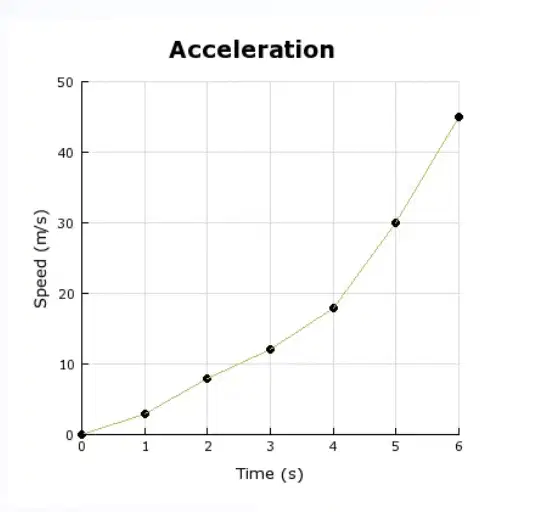
This graph illustrates the change in velocity over time of an object. What conclusion can you draw about the force acting on the object?
The force is unbalanced, but generally consistent over time.
The force is unbalanced, and generally increasing over time.
The force is unbalanced, but it is impossible to determine whether it is changing over time.
The force is balanced.
If you know the amount of the unbalanced force acting upon an object and the mass of the object, using Newton's 2nd Law what could you calculate about the object?
inertia
friction
velocity
acceleration

Does this show the relationship between force, mass, and acceleration?
True
False
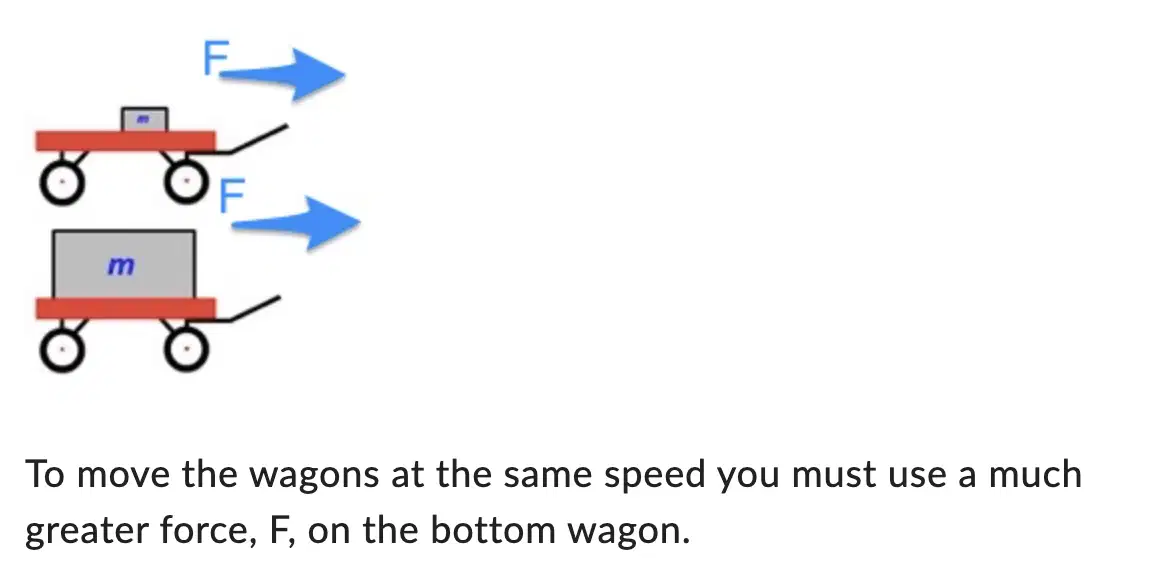
Does this show the relationship between force, mass, and acceleration (Newton's Second Law)
True
False
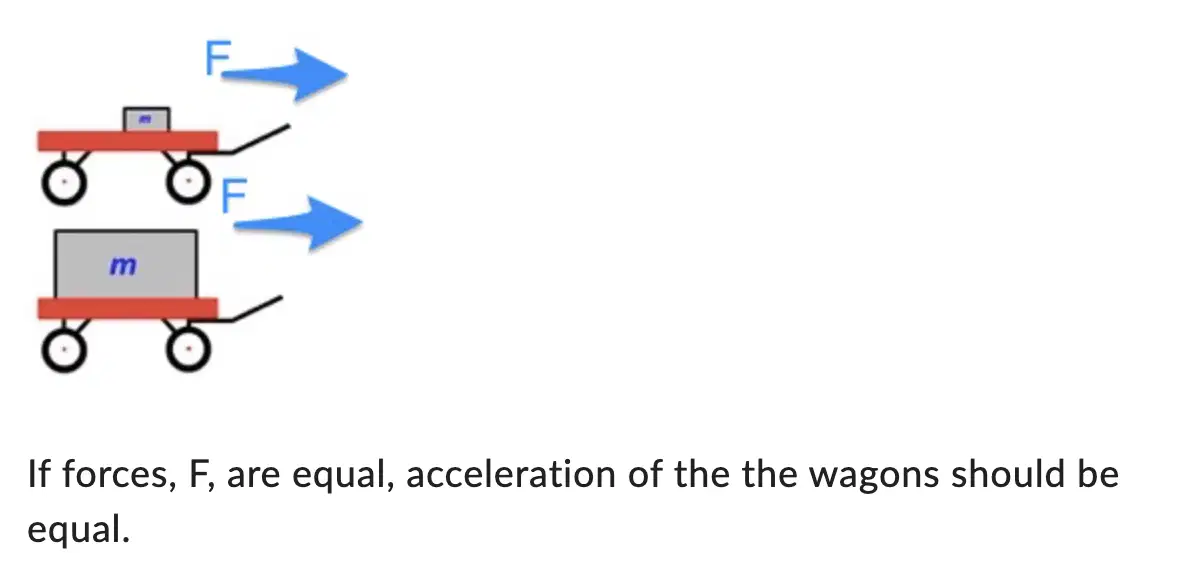
Does this show the relationship between force, mass, and acceleration (Newton's Second Law)
True
False
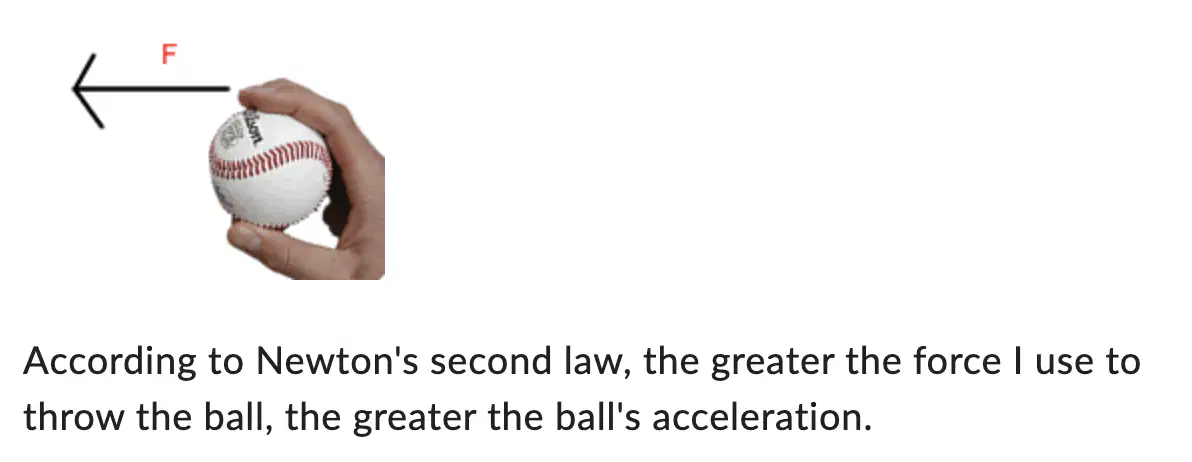
Does this show the relationship between force, mass, and acceleration (Newton's Second Law)
True
False
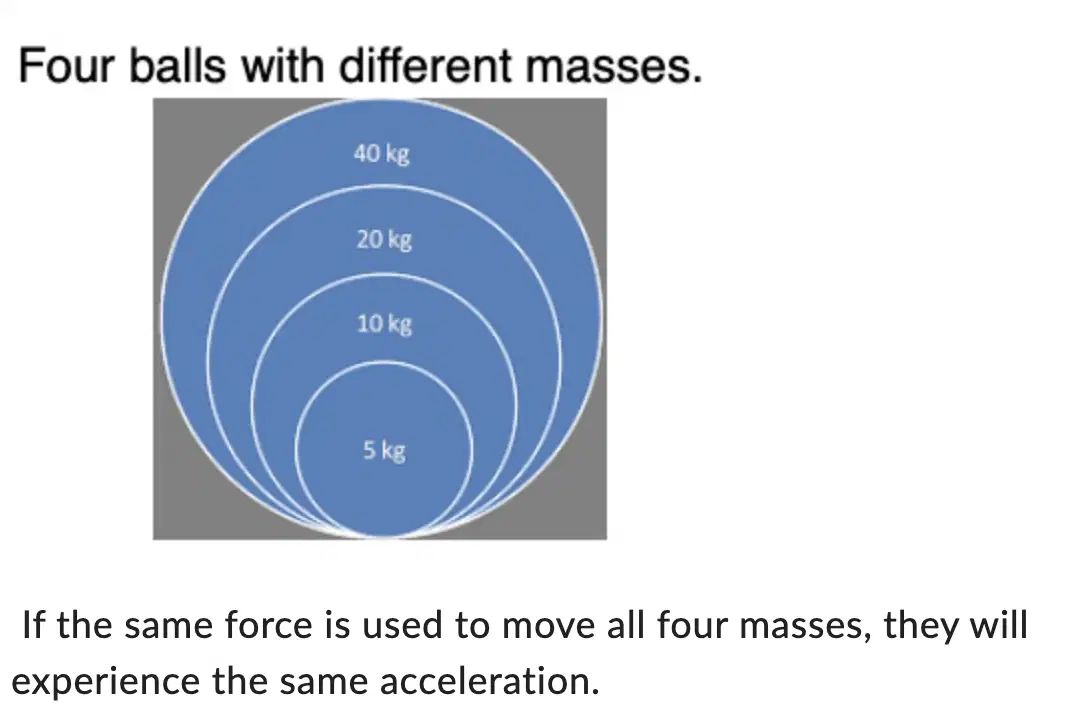
Does this show the relationship between force, mass, and acceleration (Newton's Second Law)
True
False

