
 Worksheets
First Six weeks exam
Total questions: 40
Worksheet time: 3hrs 11mins
What does geography mean? (select the most accurate)
The study of physics and the various effects it has on the earth
The study of physical features of the earth
The study of physical features of the earth
the study of the physical features of the earth, atmosphere, and of humans
What is absolute location?
location in relation to a place
location measured in time distance
location described in coordinates
location measured in linear distance
What is the solid rock portion of the earth’s surface called?
The Crust
The mantle
Biosphere
Continents
What is an imaginary line that separates the north and south halves?
Equator
Prime meridian
Tropic of cancer
latitude
What is the imaginary line that separates the east and west?
Equator
Tropic of cancer
longitude
Prime Meridian
What type of lines are imaginary that run parallel to the equator?
Parallels
Meridians
Tropics
Convergent parallels
What are a set of imaginary lines that go around the earth over the poles?
Parallels
Tropics
Meridians
Equator
What are the 5 themes of geography?
Landmarks, Geographers' tools, GIS, GPS, Photographs
Movement, Regions, Human-environment, location, place
Physical, Human, Biomes, Climate, weather
Biosphere, Movement, location, Landmarks, weather
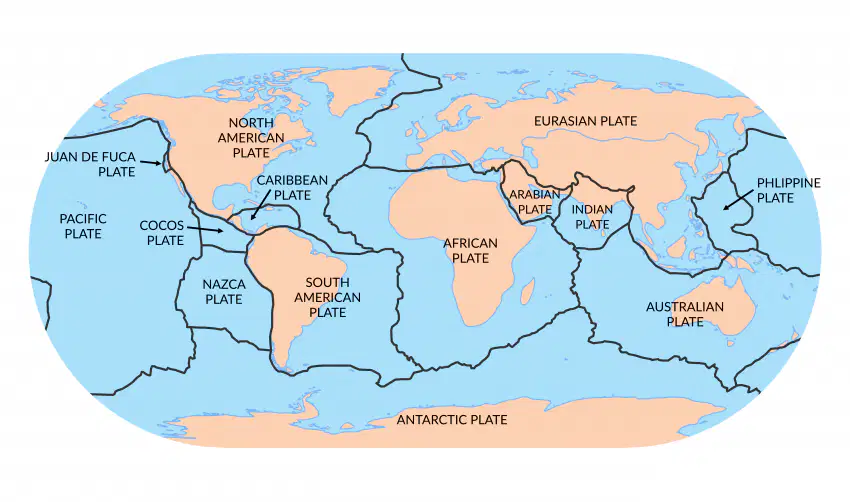
The theory of __________ explains how continents were formed and why they move.
magma formation
erosion
plate tectonics
mantle disbursement
Areas that have similar patterns of temperature and precipitation are known as ____________.
climate zones
biomes
El Nino
currents
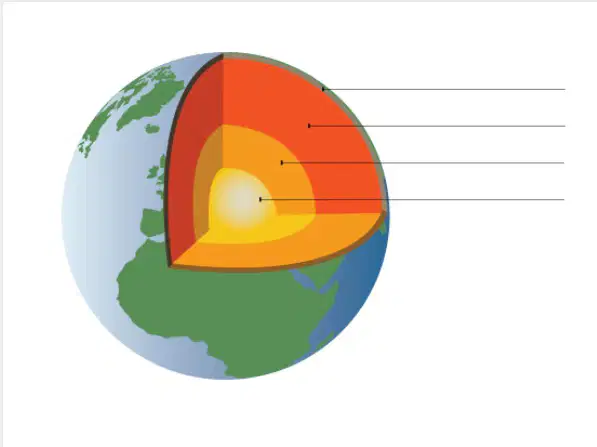
Surrounding Earth's core is a layer of hot, dense rock called the __________.
mantle
crust
magma
core
The usual, predictable patterns of weather in an area over many years are called ____________.
climate
current
El Nino
biome
What causes volcanoes and earthquakes?
weathering
Earth's tilt
tectonic movement
ocean currents
Condensation occurs when water __________.
changes from a liquid to a gas
collects in rivers, lakes, and oceans
evaporates
changes from gas to a liquid
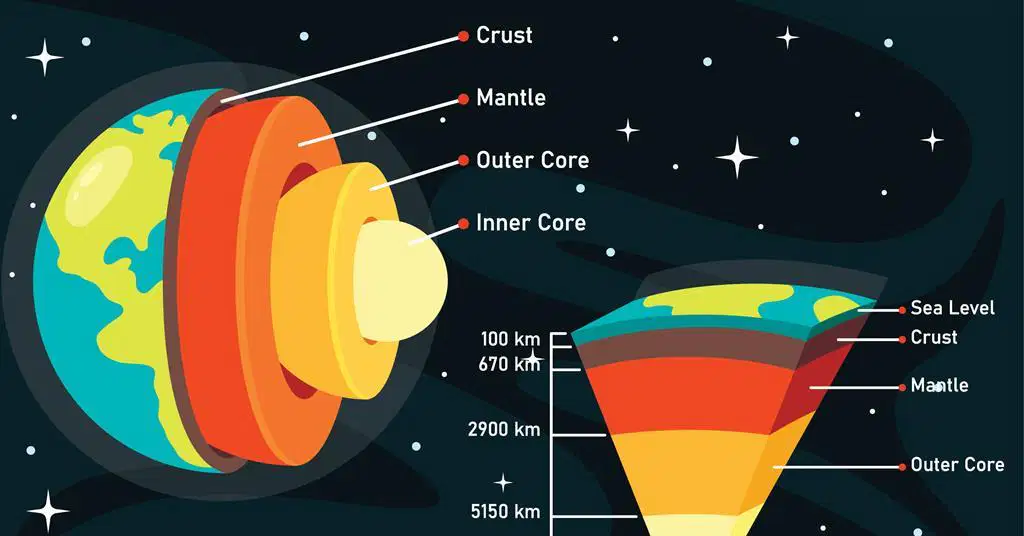
Where does magma originate?
the inner core
the crust
the outer core
the outer mantle
Which of the following is directly linked to Earth's climate?
the moon
the tides
the sun
prevailing winds
Which contains the solid rock portion of Earth's surface, forms ocean floor?
Lithosphere
Hydrosphere
Biosphere
Atmosphere
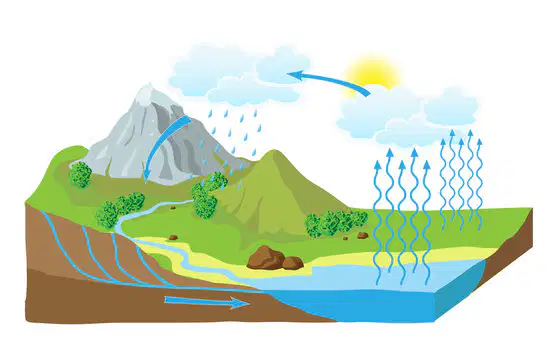
What is the subject of this diagram?
types of precipitation
the water cycle
how rivers are formed
how erosion occurs
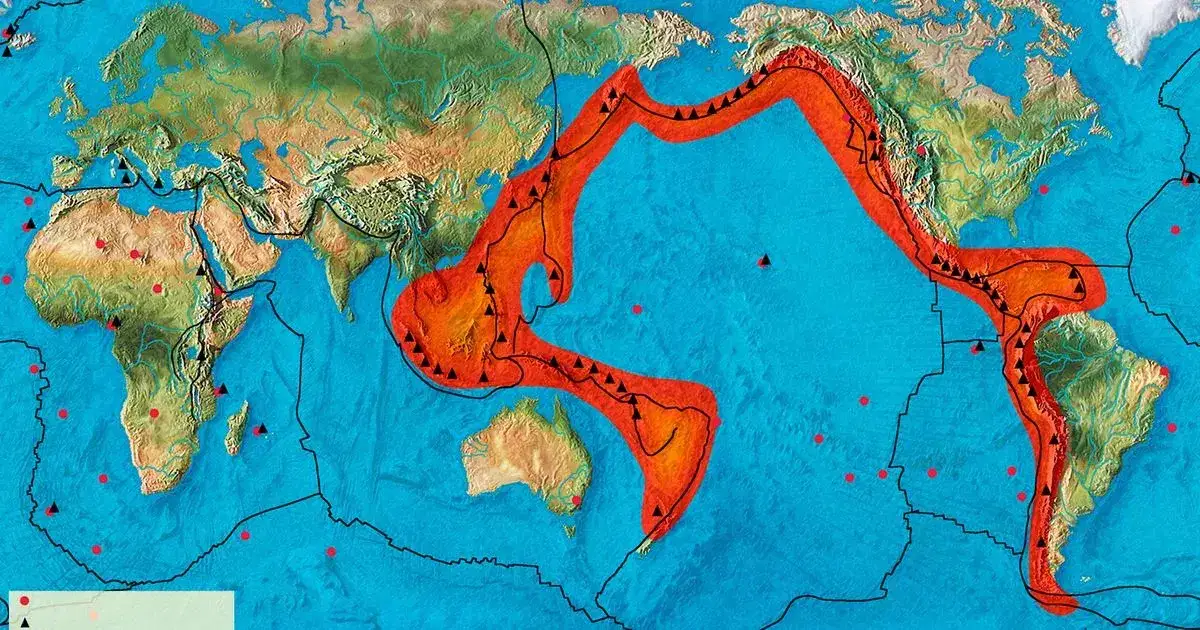
The Ring of Fire surrounds the __________.
inner core
San Andreas Fault
Pacific Ocean
Tropics
All of the following are biomes EXCEPT __________.
rain forest
desert
rain shadow
tundra
What is the process that alter rock on or near the earth’s surface?
Weathering
Sediment
Mechanical Weathering
Chemical Weathering
The solar system includes:
the sun and nine known planets
the sun and eight known planets
the sun and 16 moons
the sun and 11 planets
is the condition of the atmosphere at a particular location and time
Blizzard
weather
Climate
Precipitation
The weather conditions prevailing in an area in general or over a long period
weather
climate
precipitation
equinox
flat treeless land forming A ring around the Arctic Ocean; climate region of the Arctic Ocean
Tundra
Solstice
Equinox
Deciduous
Permanently frozen soil
Permafrost
Tundra
Equinox
Solstice
Broad-leaf forests are dominated by trees that lost their leaves each year
Deciduous Forests
Coniferous Forests
Rain Forest
Savanna
Dense forest rich in biodiversity, found typically in tropic areas with consistent rainfall
Rain Forest
Coniferous Forest
Deciduous Forest
Steppe
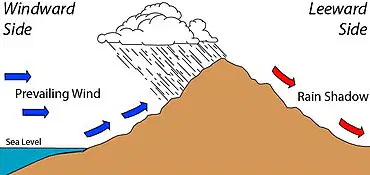
Where does a rain shadow form?
on the side of the mountain where the rain falls
on both sides of the mountain
near the top of the mountain where the clouds form
on the side of the mountain opposite the ocean
A convergent boundary is where the plates are
moving apart
sliding past each other
colliding together
None of the above
Spheres of the Earth
Atmosphere, Biosphere, Geosphere and Hydrosphere
Sphere, Natural sphere, Sea sphere and Water sphere
Gasphere, Landsphere and Oceansphere
Atrosphere, Biosphere, vaporshepere and climatesphere
What is the Biosphere?
The layer of water on earth.
The rocky surface of our planet.
The layer of air and gases on our planet
All the living things on our planet.
Who studies the Geosphere?
Biologists
Geodes
Geologists
Scientists
Which of the following is a part of the geosphere?
a cloud
a daisy
an elk
a cliff
What is the Hydrosphere?
The layer of water on our planet.
The rocky layer of our planet.
The layer of air and gases in our planet.
All the living things in our planet.
The hydrosphere shapes and sometimes moves _____
the atmosphere
the geosphere
the biosphere
the troposphere
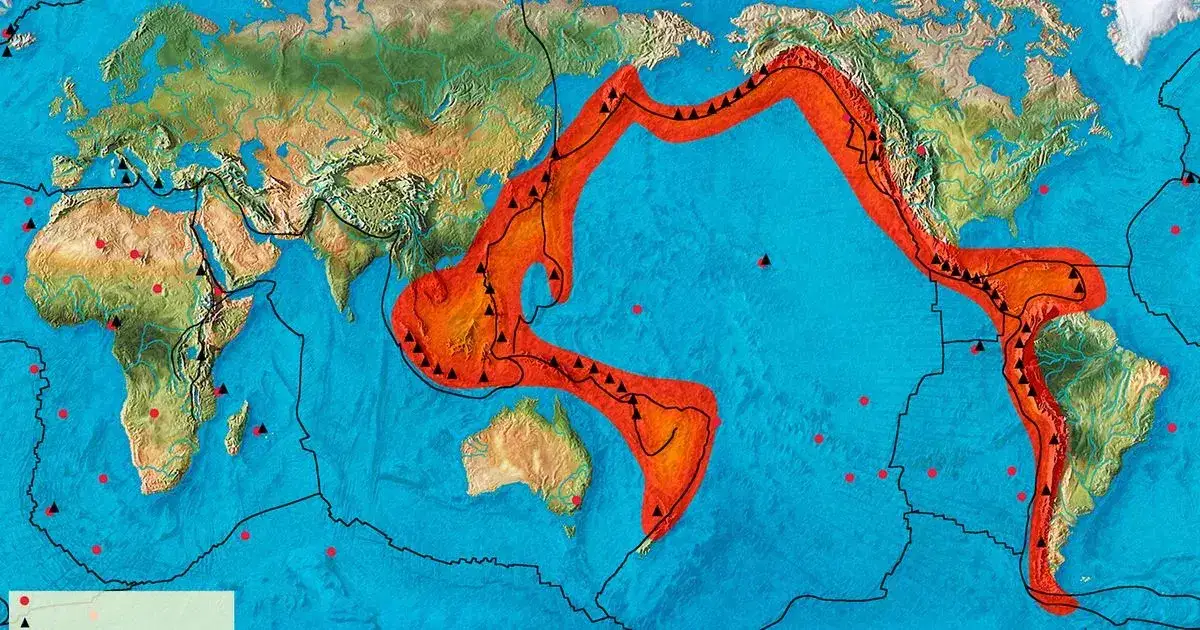
Why do most earthquakes and volcanos occur in areas of the Pacific Ocean called Ring of Fire?
A lot of people live in this area.
That area of the earth is the hottest.
Lithospheric plate boundaries are found in that area.
The ocean water forces the magma to the surface.
What is the tilt of the Earth's axis in degrees?
12.6°
48.4°
23.5°
53.2
The Earth revolves around the Sun, tilting away or toward the Sun's direct rays which causes:
tides on the Earth.
seasons on the Earth.
phases of the Moon.
an eclipse of the Earth.
Long period without rain or with very minimal rainfall
Drought
Blizzard
Equinox
Solstice

