
 Worksheets
Populations: Growth, Limiting Factors & Symbiosis
Total questions: 20
Worksheet time: 7mins
A collection of living organisms that interact with one another in an ecosystem.

What type of graph is displayed below?
logistic
exponential
predation
density

What type of graph is displayed below?
Predation
Exponential
Logistic
Climate change

Below is a graph of male seal births for a period of time. Based on the graph what is the carrying capacity for this population?
7000
8000
10000
9000
Which of the following is a density dependent factor?
volcanic eruption
earthquake
disease
hurricane
Population density can be best described as:
The amount of deaths that occur in a population
The amount of births that occur in a population
The amount of individuals in a given space.
The amount of available nutrients in an ecosystem
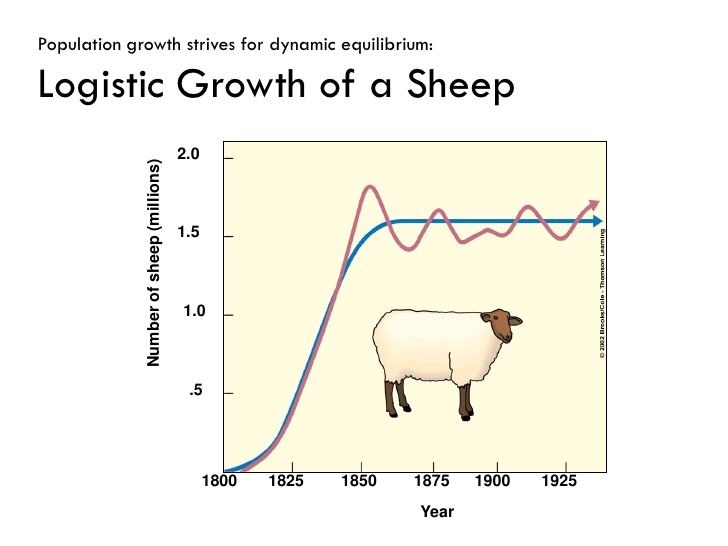
What is the carrying capacity for this sheep population?
2.0 million
1.0 million
1.6 million
0.5 million

If a disease destroying wheat plants in a field swept through an ecosystem, what would happen to the bird population that feed off of the wheat in the the field ?
The bird population would stay the same
The bird population would increase
The bird population would decrease

When a population grows past the ecosystem's carrying capacity, what most likley happens to the population?
Continues to grow
The population starts to die off to return to carrying capcity
The population will go completely extinct due to lack of resources
Food, water, sunlight, shelter, and space are resources that are called
limiting factors
species
biotic
none of the above

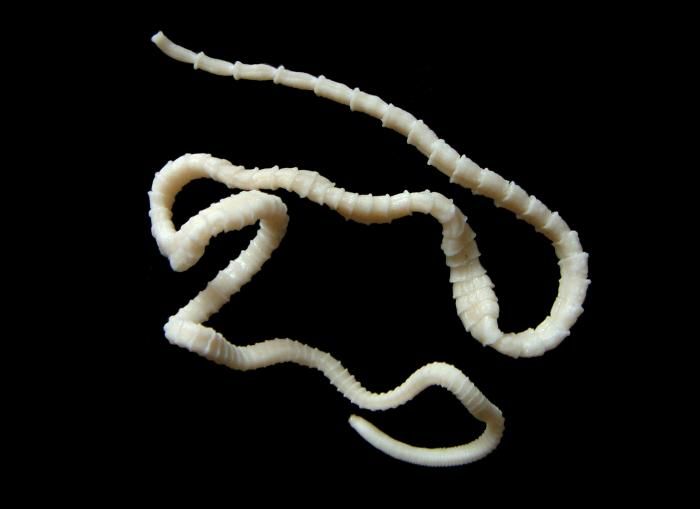
A tapeworm lives in the intestine of a cat absorbing nutrients through its skin. A tapeworm and a cat have this type of relationship.
mutualism
parasitism
commensalism
competition
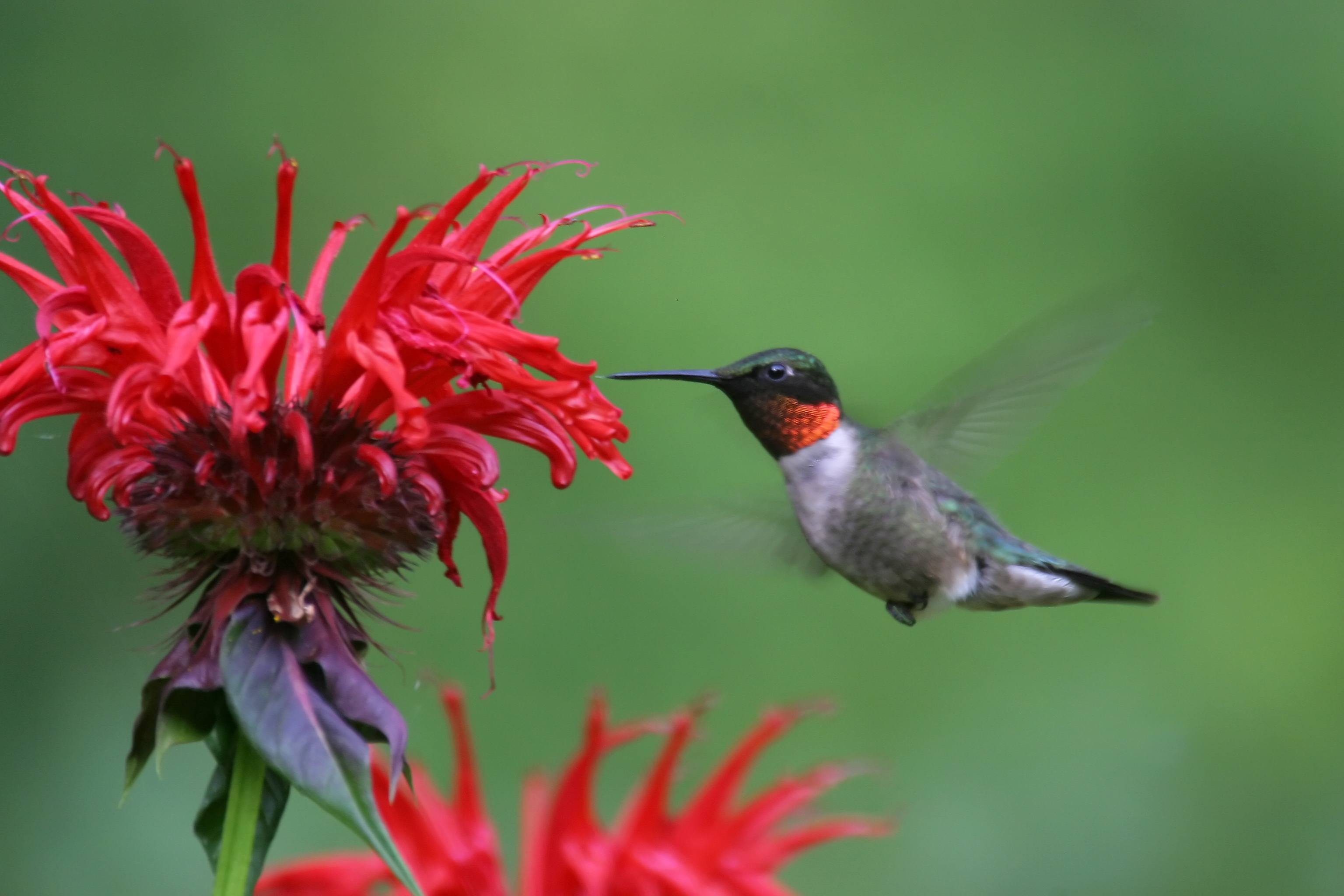
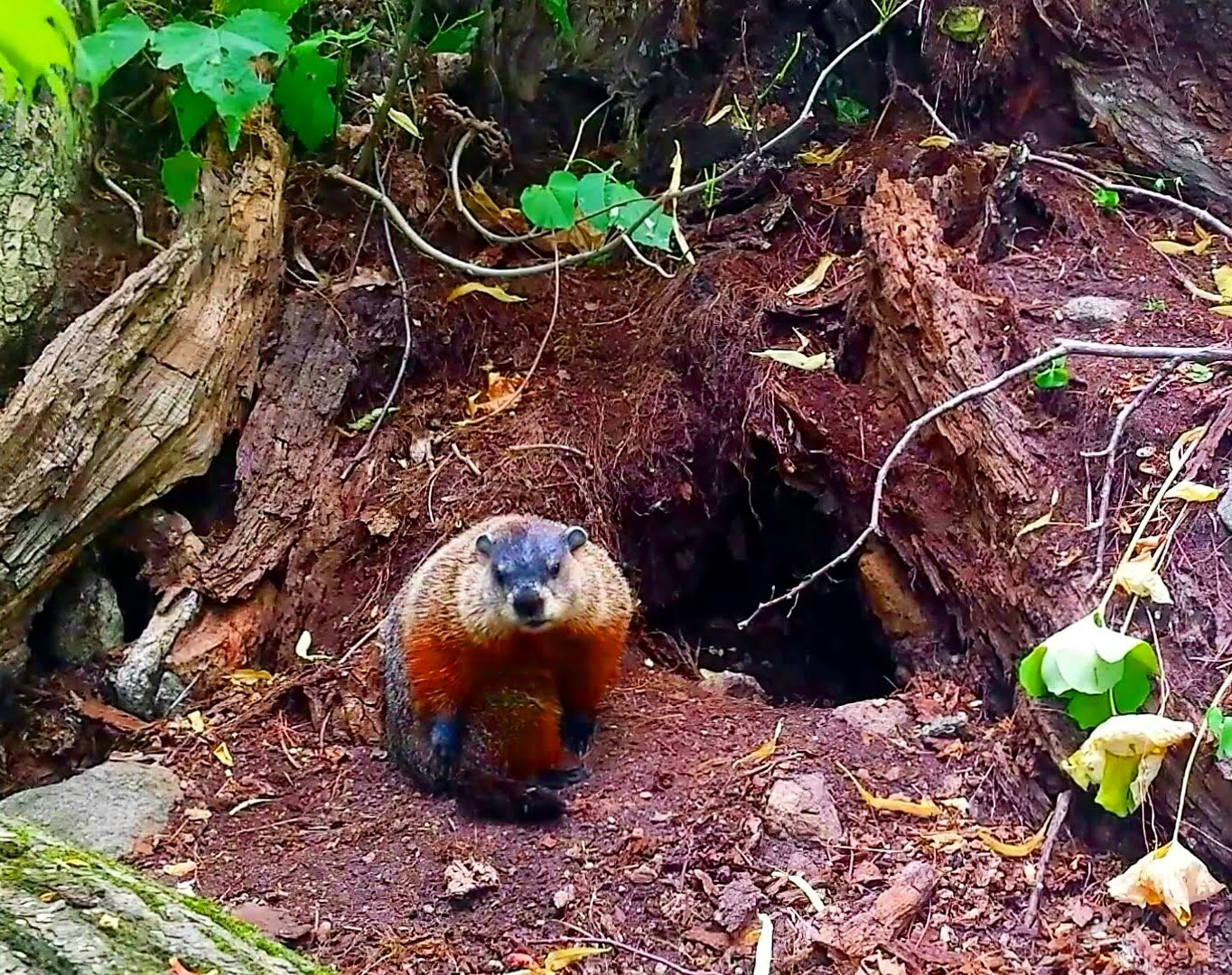
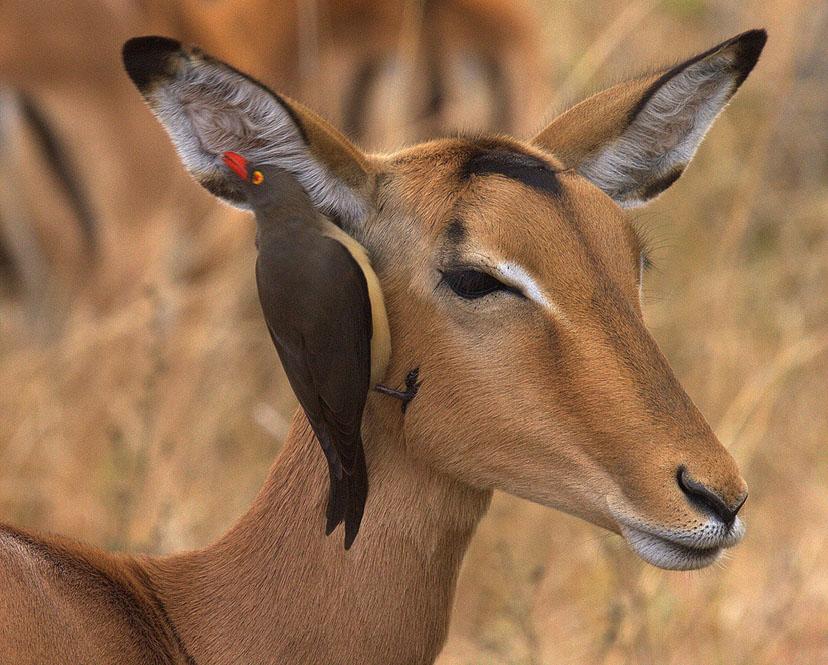

Aphids are tiny insects that live on and eat the leaves of plants, removing vital nutrients from the plants.
Predation
Parasitism
Commensalism
Mutualism

Term for when a certain species that helps to keep the entire ecosystem balanced is reduced or removed. When their numbers are changed it leads to an ecological imbalance.
trophic level
trophic cascade
food web
food chain
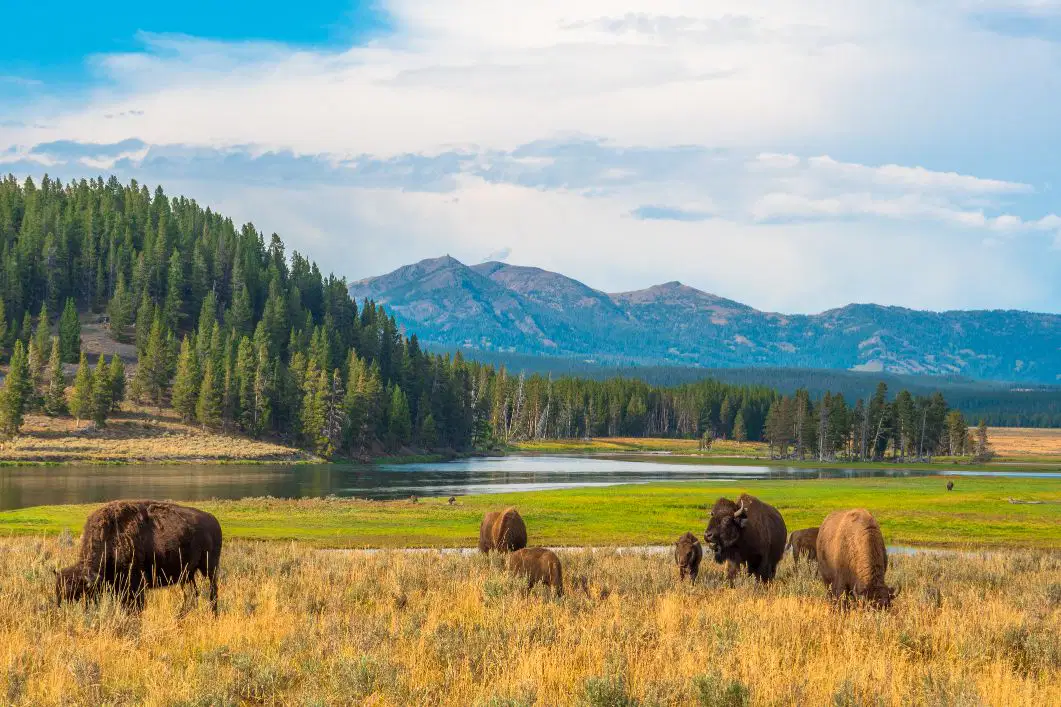
Which statement is false regarding the reintroduction of wolves in Yellowstone National Park?
The reintroduction of wolves led to increasing number of small mammals because they had more grasses to hide in.
The reintroduction of wolves led to cleaner drinking water for the animals at the park and the residents.
The reintroduction of wolves positively impacted the biodiversity of Yellowstone by reducing the number of elk.
The reintroduction of wolves negatively impacted the biodiversity because elk numbers decreased causing a collapse of the ecosystem.

