
 Worksheets
AP03 Chemistry Basics
Total questions: 130
Worksheet time: 2hrs 33mins
A(n) (a) is an atom or molecule that carries a charge
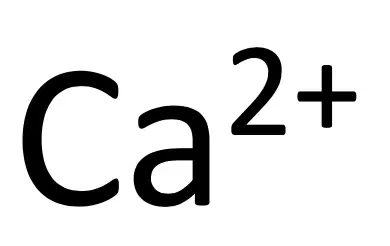
This is an example of a(n) (a)
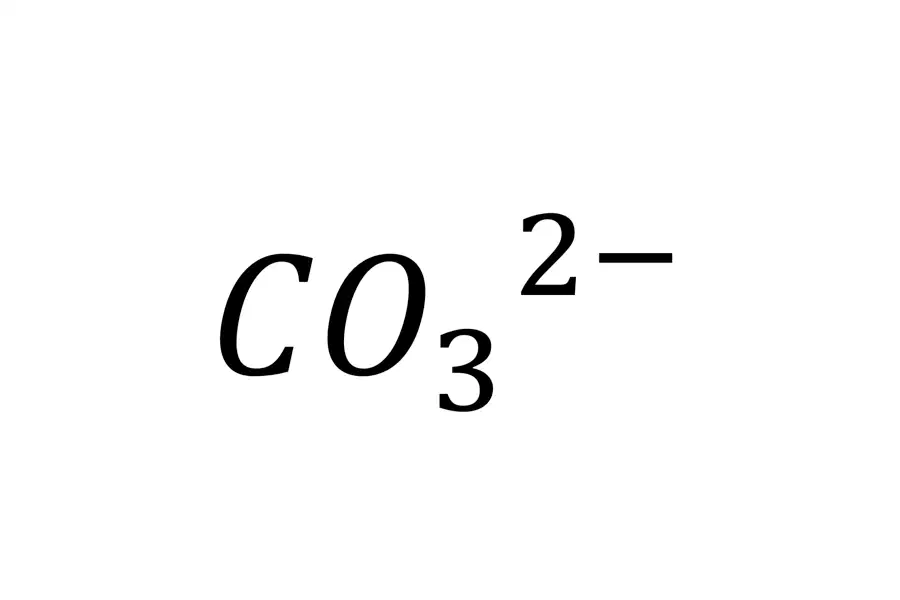
This is an example of a(n) (a)
Match the following
a charged atom or molecule
ion

a charged molecule

a charged atom
an ion has lost or gained
electrons
has nothing to do with ions
protons
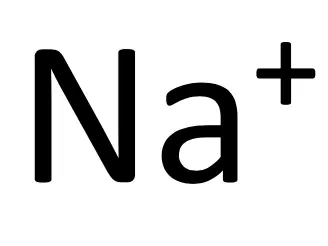
Will be attracted to...
Mark all that apply.

A strong force

Cannot determine the correct answer without options.

A magnet

Gravity
Match the ions that will be attracted to each other and the phrases that go together.

OH–

NH4+
Opposite charges
attract
like charges
repel
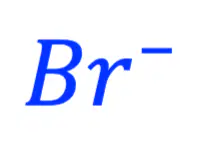
Will be attracted to...
Mark all that apply.
A strong force
Cannot determine the correct answer without options.
A magnet
Gravity
Like charges (a) .
Opposite charges (a) .
A(n) (a) is an atom or molecule that has lost or gained electrons
An ion is formed when an atom or molecule gains or loses (a)
Appropriate intracellular and extracellular concentrations of (a) (one word) are required for nerve impulses, heart beats, cell-to-cell communication, and initiation of some cellular processes
Which of these are required to be in the necessary concentrations in order for nerve signals, heart contractions, and communication between cells to function?
ions
isotopes
electrons
atoms
oxygen and carbon dioxide
ion pump
ion channel
diffusion
Match the following
Substance moves from an are high concentration to an area of low concentration across a membrane
passive diffusion
A pore-forming membrane protein that allows certain substances to pass through from an area of high concentration to low concentration
ion channel
membrane protein that requires energy to move a substance across a membrane
ion pump
Match the following
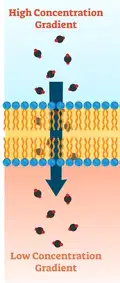
passive diffusion
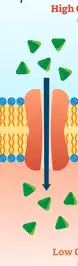
ion channel
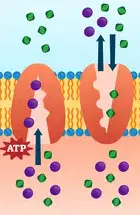
ion pump
Which of these are forms of passive transport?
diffusion
ion channel
ion pump
Which of these are forms of active transport?
diffusion
ion channel
ion pump
Which of these are forms of transport that move substances across a membrane?
diffusion
ion channel
ion pump
Which of these are forms of transport that use a protein embedded in the membrane of a cell?
diffusion
ion channel
ion pump
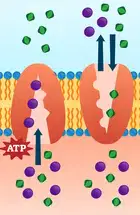
Which one?
diffusion
ion channel
ion pump
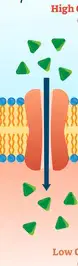
Which one?
diffusion
ion channel
ion pump
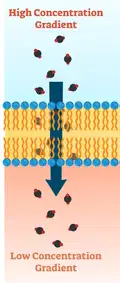
Which one?
diffusion
ion channel
ion pump
Which of these is/are caused by a defective protein?
Sickle Cell
Cystic Fibrosis
Epilepsy (genetic)
Which of these is/are caused by a defective subunit of the hemoglobin (β-globin) protein?
Sickle Cell
Cystic Fibrosis
Epilepsy (genetic)
Which of these is/are caused by a defective ion pore or ion pump protein?
Sickle Cell
Cystic Fibrosis
Epilepsy (genetic)
Match the following
simplest form of matter
element
particle of an element
atom
particle of a covalent compound
molecule
two or more different elements bonded together
compound
anything that has mass and volume
matter
Match the following
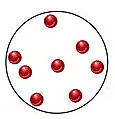
atoms of an element
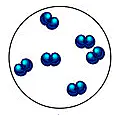
molecules of an element
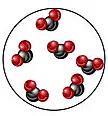
molecules of a compound
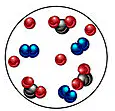
mixture of atoms and molecules
Which of these represents
atoms of an element?
Which of these represents
molecules of an element?
Which of these represents
molecules of a compound?
Which of these represents a
mixture?
Which element is the most abundant in nearly all biological molecules?
(a)
Which element is the major component in nearly all biological molecules?
nitrogen
oxygen
phosphorous
sulfur
Which of these are Key Biologically relavent elements that make up 95% of the mass of a cell? (Mark all that apply.)
hydrogen
oxygen
potassium
chlorine
Name one of the six key biologically relevant elements (EXCEPT carbon, hydrogen, nor oxygen) that are discussed in this chapter
(a)
Which of these are Key Biologically relavent elements that make up 95% of the mass of a cell? (Mark all that apply.)
nitrogen
phosphorous
sulfur
helium
sodium
Which subatomic particles are the most involved in chemical bond and what happens to them determines the type of bond?
valence electrons
neutrons
protons
octet rule
core electrons
Which subatomic particles are at the outer portion of the atom?
valence electrons
neutrons
protons
octet rule
core electrons
Label the atom.
neutron
proton
core electron
Nucleus
Valence electron
The outermost electrons are called the (a) electrons.
The rule that states atoms react to get a full valence shell is known as the (a) rule.
Ionic bonding involves the (a) of electrons
In an ionic bond oppositely charge (a) are bonded to each other.
Covalent bonding involves the (a) of electrons
Match the following
ionic bonding
transfer of electrons
covalent bonding
sharing of electrons
oppositely charged ions bonded to each other
ionic bonding
atoms react to get a full outer shell
octet rule
outer most subatomic particles
valance electrons
Match the following
12.0 Daltons
carbon atom
16.0 Daltons
oxygen atom
14.0 Daltons
nitrogen atom
1.0 Dalton
hydrogen atom
32.1 Daltons
sulfur atom
Match the following
35.5 Daltons
chlorine atom
23.0 Daltons
sodium atom
14.0 Daltons
nitrogen atom
31.0 Dalton
phosphorus atom
32.1 Daltons
sulfur atom
What is the molecular mass in Daltons, for carbon dioxide, CO2? (include units)
(a)
What is the molecular mass in Daltons, for carbon monoxide, CO? (include units)
(a)
What is the molecular mass in Daltons, for ammonium hydroxide, NH4OH? (include units)
(a)
What is the molecular mass in Daltons, for ammonia, NH3? (include units)
(a)

What is the molecular mass in Daltons, for the amino acid, alanine? (include units)
(a)

What is the molecular mass in Daltons, for the amino acid, cysteine? (include units)
(a)

What is the molecular mass in Daltons, for the amino acid, cysteine? (include units)
(a)

What is the molecular mass in Daltons, for the amino acid, serine? (include units)
(a)

What is the molecular mass in Daltons, for the amino acid, threonine? (include units)
(a)
The degree to which an atom will attract electrons in a chemical bond.
(a)
Which atom will attract electrons more in a chemical bond?
C or O
(a)
Which atom will attract electrons more in a chemical bond?
C or N
(a)
Which atom will attract electrons more in a chemical bond?
C or H
(a)
Which atom will attract electrons more in a chemical bond?
O or H
(a)
Which atom will attract electrons more in a chemical bond?
N or H
(a)
Which atom will attract electrons more in a chemical bond?
N or O
(a)
Which atom will attract electrons more in a chemical bond?
P or O
(a)
Which atom has the highest electronegativity of all the elements?
(a)
Attractions between molecules are called (a) attractions.
Match the following
equal sharing of electrons
nonpolar covalent bond
unequal sharing of electrons
polar covalent bond
attractions between molecules
intermolecular attraction
very strong attraction between atoms
chemical bond
very strong attraction between oppositely charged ions
ionic bond
high ∆EN
low or no ∆EN
very high ∆EN
electrons unequally shared
electrons equally shared
electrons transferred
partial charges on the ends of the bonds
no charges on the ends
full charges
two different nonmetals
two of the same nonmetal atoms
usually a metal and a nonmetal
can cause molecules to have charges and stick to each other.
hydrogen bonding
attraction between molecules
Match the following
nonpolar covalent bond
low or no electronegativity difference
polar covalent bond
high electronegativity difference
ionic bond
very high electronegativity difference
Match the following
nonpolar covalent bond
two of the same nonmetals
polar covalent bond
two different nonmetals
ionic bond
metal and nonmetal
Match the following
nonpolar covalent bond
no charges
polar covalent bond
partial charges
ionic bond
full charges
How many covalent bonds can these elements typically form?
H
1
O
2
N
3
C
4
Na
0
How many covalent bonds can
Hydrogen, H
form?
(a)
How many covalent bonds can
Oxygen, O
form?
(a)
How many covalent bonds can
Nitrogen, N
form?
(a)
How many covalent bonds can
Carbon, C
form?
(a)
How many covalent bonds can
chlorine, Cl
typically form?
(a)
How many covalent bonds can
Sulfur, S
typically form?
(a)
How many covalent bonds can
Phosphorous, P
typically form?
(a)
How many covalent bonds can
Silicon, Si
typically form?
(a)
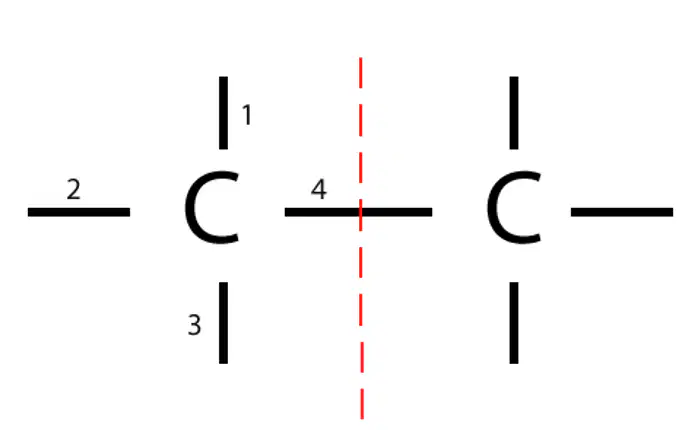
How many covalent bonds are shown between the two carbon atoms?
(a)
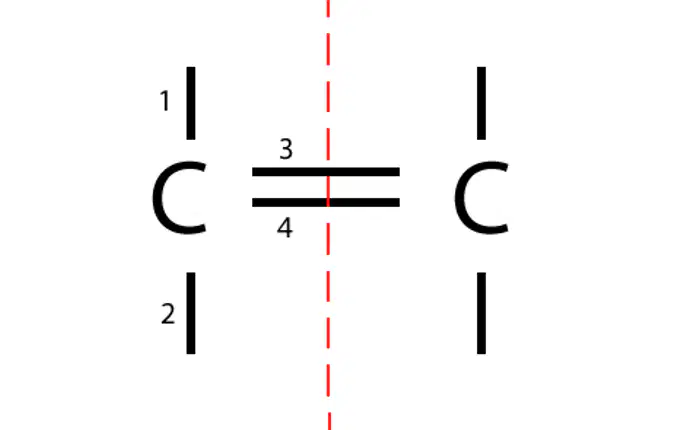
How many covalent bonds are shown between the two carbon atoms?
(a)
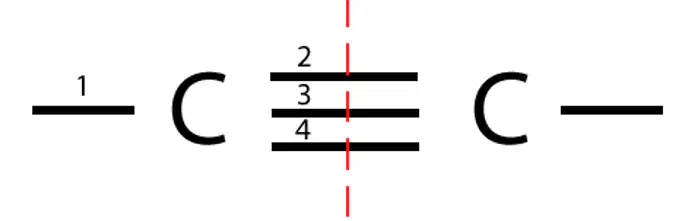
How many covalent bonds are shown between the two carbon atoms?
(a)

How many covalent bonds are shown between the two chlorine atoms?
(a)
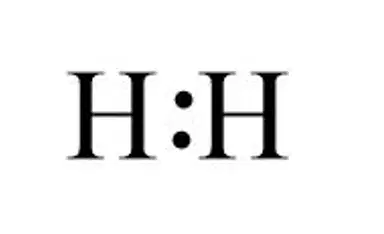
How many covalent bonds are shown between the two hydrogen atoms?
(a)
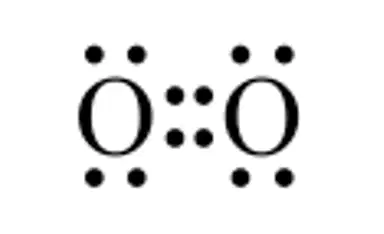
How many covalent bonds are shown between the two oxygen atoms?
(a)
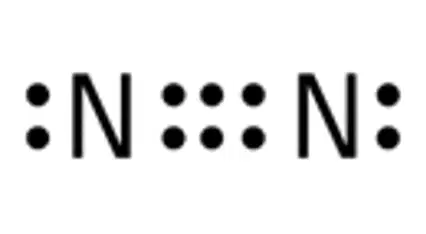
How many covalent bonds are shown between the two nitrogen atoms?
(a)
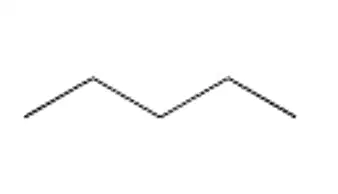
How many carbon atoms does this molecule have?
(a)

How many carbon atoms does this molecule have?
(a)

How many carbon atoms does this molecule have?
(a)
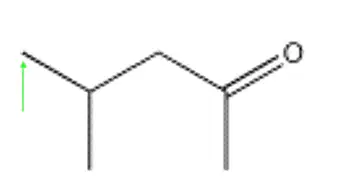
How many hydrogen atoms are on the carbon marked by the green arrow?
(a)
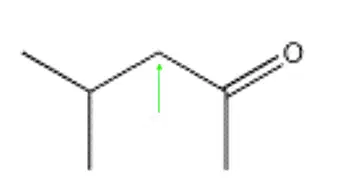
How many hydrogen atoms are on the carbon marked by the green arrow?
(a)
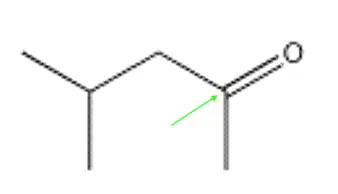
How many hydrogen atoms are on the carbon marked by the green arrow?
(a)
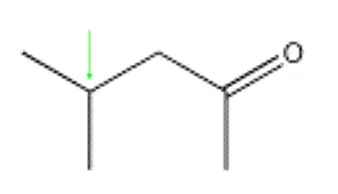
How many hydrogen atoms are on the carbon marked by the green arrow?
(a)
Organize these options into the right categories based on the type of bond indicated by the green circle.
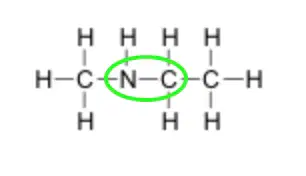
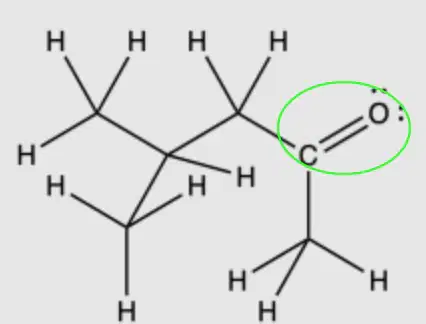
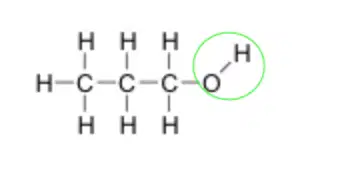
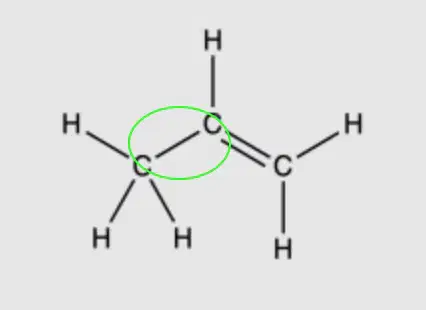
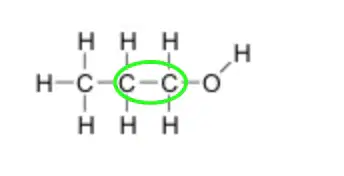
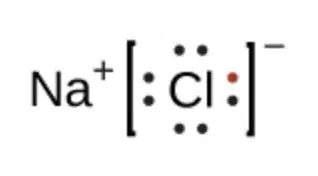
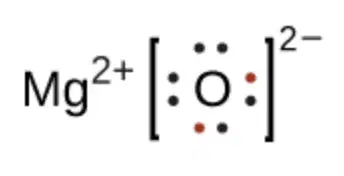
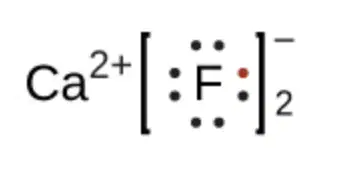
Organize these options into the right categories
two different nonmetals
two of the same nonmetals
metal & nonmetal
partial charges
no charges
full charges
electrons are NOT equally shared
electrons are equally shared
electrons are transferred
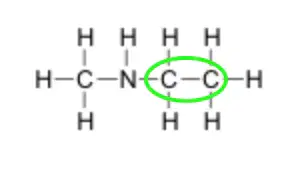
What type of chemical bond is indicated by the green circle?
polar covalent bond
nonpolar covalent bond
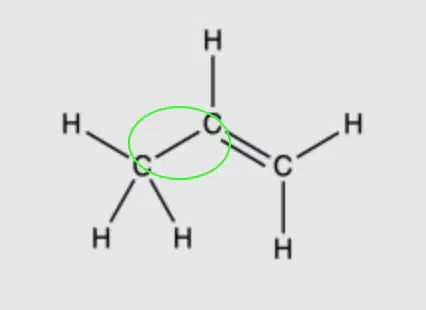
What type of chemical bond is indicated by the green circle?
polar covalent bond
nonpolar covalent bond
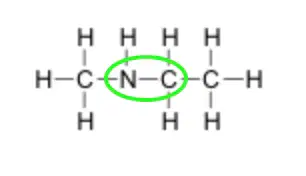
What type of chemical bond is indicated by the green circle?
polar covalent bond
nonpolar covalent bond
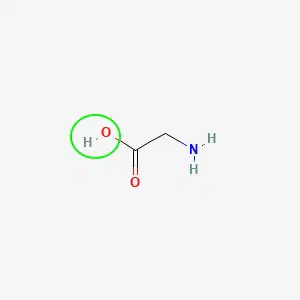
What type of chemical bond is indicated by the green circle?
polar covalent bond
nonpolar covalent bond
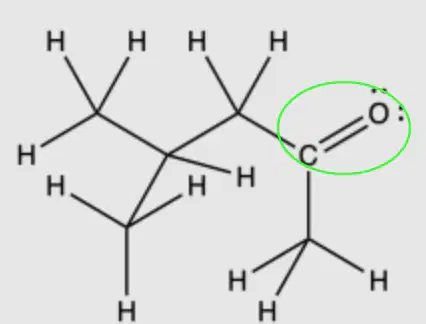
What type of chemical bond is indicated by the green circle?
polar covalent bond
nonpolar covalent bond

What type of chemical bond is indicated by the green circle?
polar covalent bond
nonpolar covalent bond
The chemical bond indicated by the green circle will have
no charges
partial charges
full charges
no badges, we don't need no stinkin' badges.
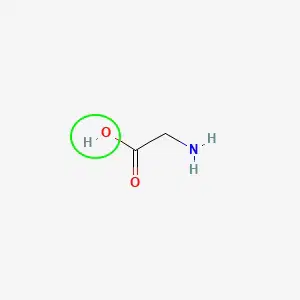
The chemical bond indicated by the green circle will have
no charges
partial charges
full charges
no badges, we don't need no stinkin' badges.
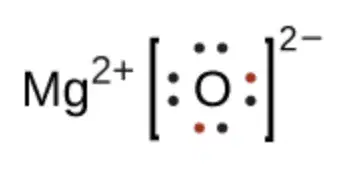
The chemical bond indicated by the green circle will have
no charges
partial charges
full charges
no badges, we don't need no stinkin' badges.
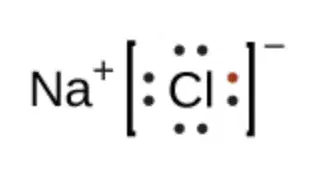
What type of chemical bond is indicated by the green circle?
polar covalent bond
nonpolar covalent bond
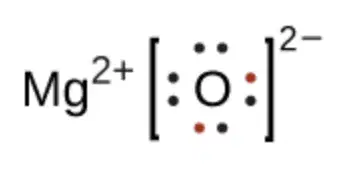
What type of chemical bond is indicated by the green circle?
polar covalent bond
nonpolar covalent bond
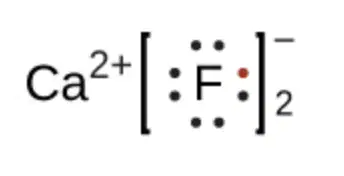
What type of chemical bond is indicated by the green circle?
polar covalent bond
nonpolar covalent bond
Label the ends of the C=O bond:
Partially negative
partially positive end
Label the ends of the O–H bond:
Partially negative end
partially positive end
Label the ends of the O–H bond:
Partially negative end
partially positive end
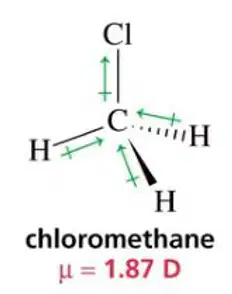
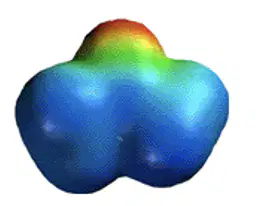
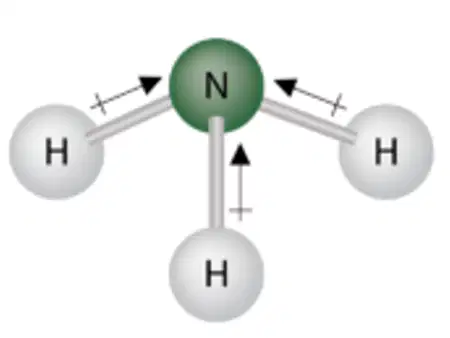
has a molecular dipole
molecule has exposed partial charges
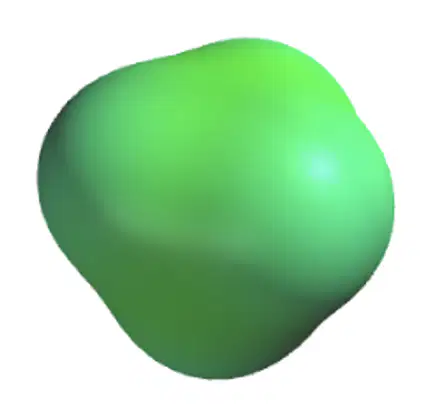
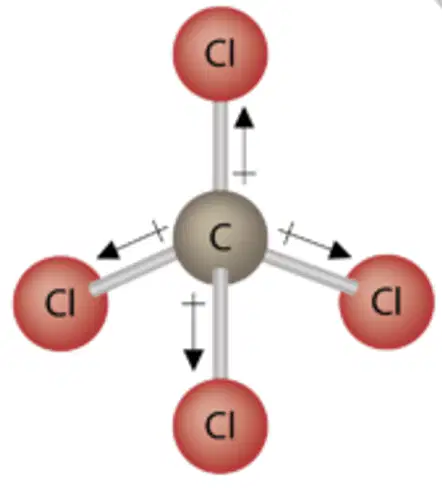

NO molecular dipole
NO partial charges
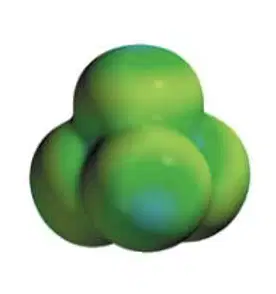
What type of molecule?
polar molecule
nonpolar molecule
ionic molecule
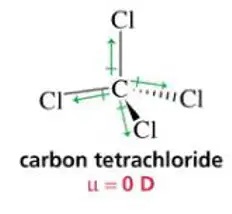
What type of molecule?
polar molecule
nonpolar molecule
ionic molecule
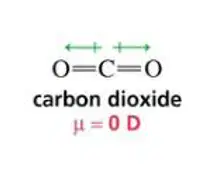
What type of molecule?
polar molecule
nonpolar molecule
ionic molecule
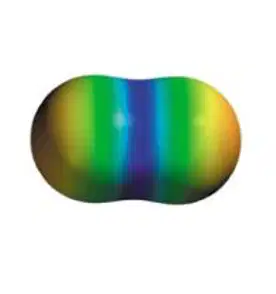
What type of molecule?
polar molecule
nonpolar molecule
ionic molecule
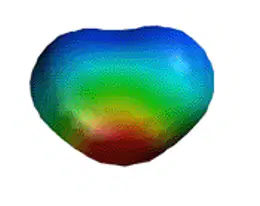
What type of molecule?
polar molecule
nonpolar molecule
ionic molecule
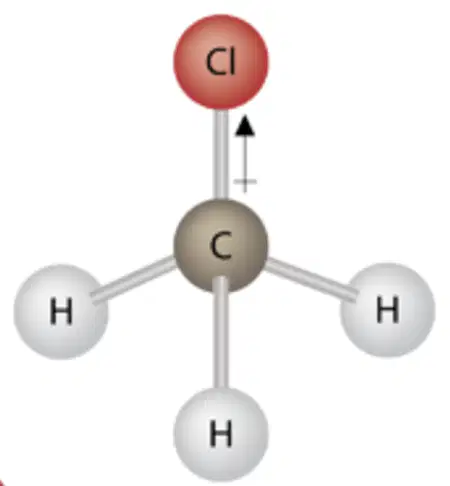
What type of molecule?
polar molecule
nonpolar molecule
ionic molecule
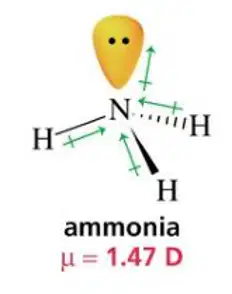
What type of molecule?
polar molecule
nonpolar molecule
ionic molecule
Which of these will dissolve in water and which in vegatable oil?
polar molecules
nonpolar molecules
acetone, µ = 2.88 D
hexane, µ = 0.00 D
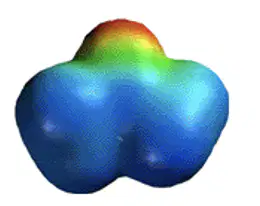
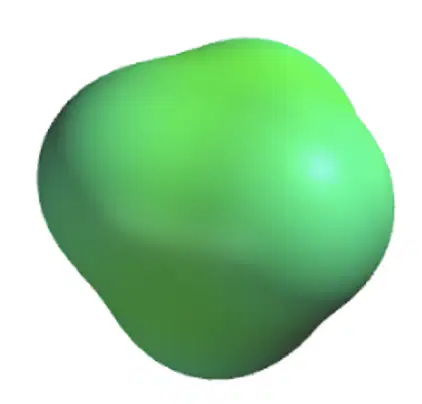
Which of these will probably dissolve in hexane?
benzene, µ = 0.00D
toluene, µ = 0.36 D
Ethanol, EtOH µ = 1.69 D
DMF, µ = 3.82 D
Which of these will probably dissolve in methanol, MeOH?
benzene, µ = 0.00D
toluene, µ = 0.36 D
Ethanol, EtOH µ = 1.69 D
DMF, µ = 3.82 D
"_____ _____ _____" means polar solvents dissolve polar compounds and nonpolar solvents dissolve nonpolar solvents.
(a)
Water and oil will NOT dissolve is each other. This is an example of "____ ____ ____"
(a)
Oil and water do NOT dissolve in each other because... and... Pick two.
oil is polar
oil is nonpolar
water is polar
water is nonpolar
Methanol (MeOH) and ethanol (EtOH) will dissolve in each other because... and... Pick two.
EtOH is nonpolar
EtOH is polar
MeOH is polar
MeOH is nonpolar
Hexane and benzene will dissolve in each other because... and... Pick two.
hexane is nonpolar
hexane is polar
benzene is polar
benzene is nonpolar
Polar molecules will be dissolved by
polar solvents
nonpolar solvents
molecular solvents
ionic solvents
chemical solvents
Nonpolar molecules will be dissolved by
polar solvents
nonpolar solvents
molecular solvents
ionic solvents
chemical solvents

