wayground logo

Free Printable Worksheets

Font size

S
M
L
XL
Worksheets

Ecology

Total questions: 45

Worksheet time: 31mins

Name
Class
Date
1.

Two male Giraffes are fighting over the last green leaf of a tree that is dying.

a)

Intraspecific Competition

b)

Mutualsim

c)

Predation

d)

Commensalism

e)

Interspecific Competition

2.
What does the graph represent?
a)
Emigration
b)
Exponential growth
c)
Immigration
d)
Logistic Growth
3.

The exponential graph is a graph that shows us population size increasing quickly, which one below shows us that

a)
b)
c)
d)
4.

Emigration is

a)

the movement out of an area

b)

the movement into an area

c)

movement in and out of an area

d)

migration

5.
What does biodiversity mean?
a)
Only one species in an area.
b)
The different amount of species in an area
c)
All abiotic life
d)
Nitrogen fixation
6.
Ticks will feed on a deer’s blood and harm the deer.
a)
parasitism
b)
commensalism
c)
mutualism
7.
Ostriches and gazelles feed next to each other. They both watch for predators and alert each other to danger. Because their visual abilities are different, they can identify threats that the other animal would not see as readily. 
a)
parasitism
b)
commensalism
c)
mutualism
8.
 Hermit crabs live in shells made and then abandoned by snails. This relationship neither helps nor harms the snails.
a)
parasitism
b)
commensalism
c)
mutualism
9.
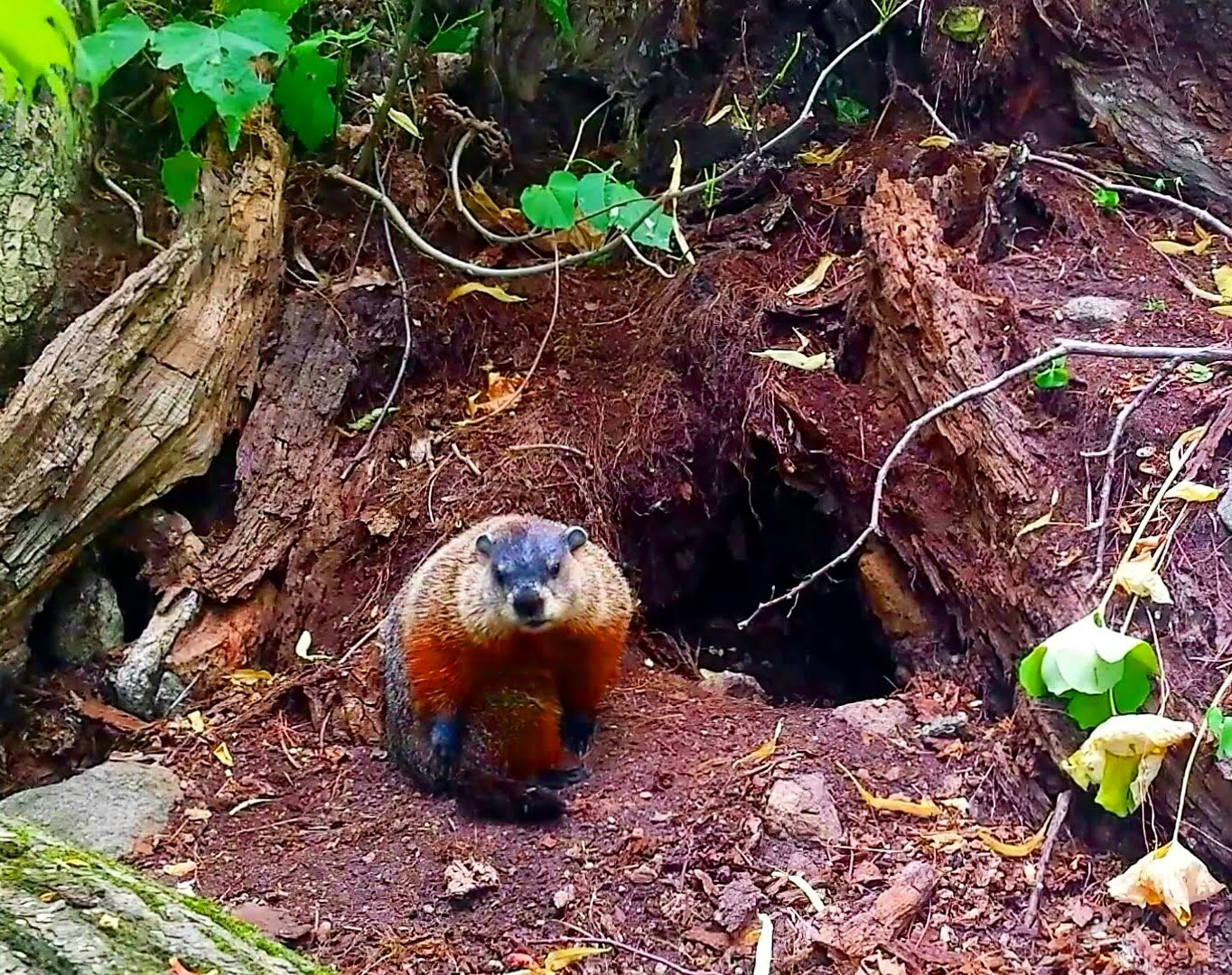
What type of symbiosis?  Skunks often live in burrows that have been dug and abandoned by woodchucks.  
a)
commensalism
b)
mutualism
c)
parasitism
d)
predation
10.
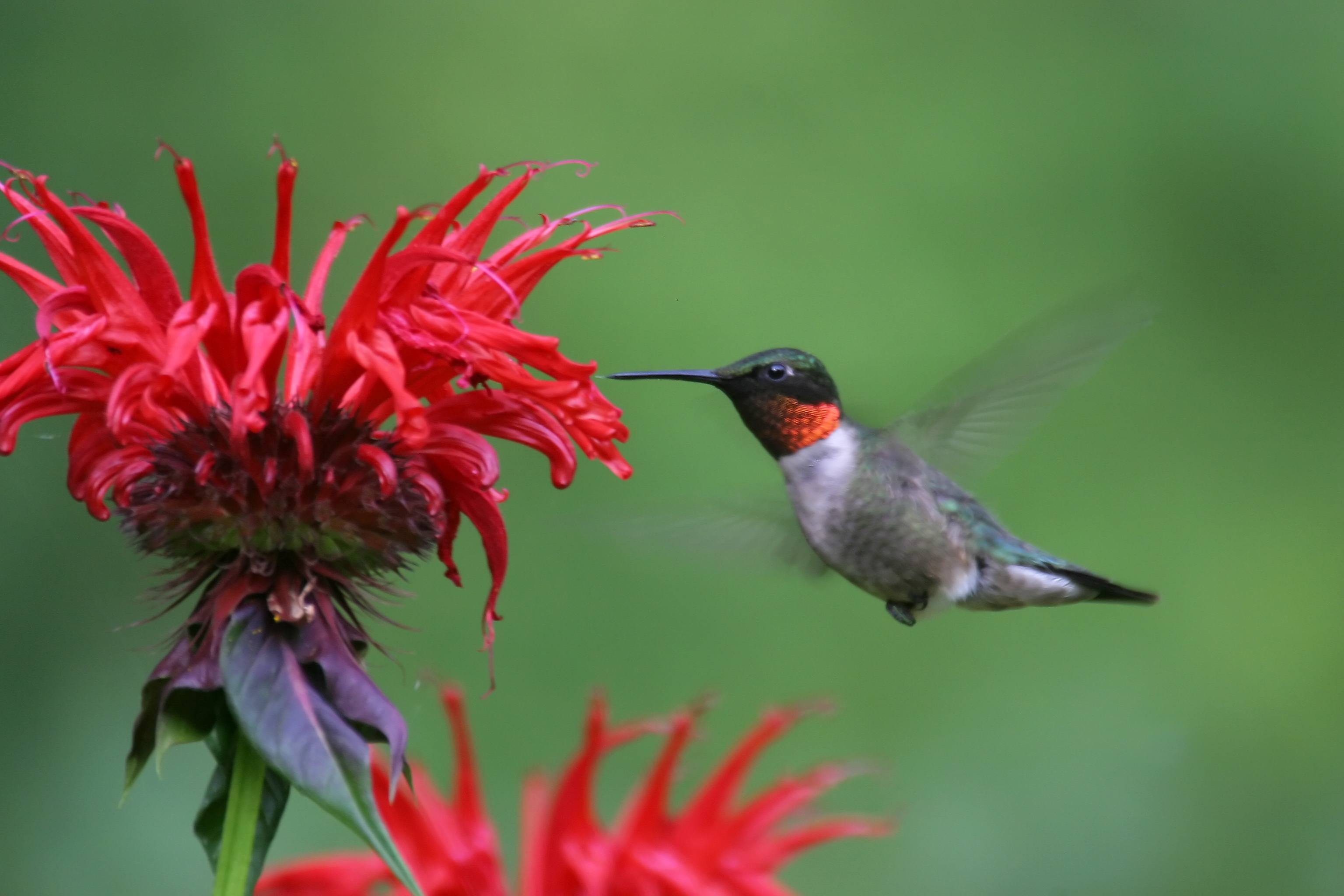
What type of symbiosis?  Hummingbirds feed on nectar from flowers.  The flowers are pollinated by hummingbirds as they move from flower to flower.
a)
commensalism
b)
mutualism
c)
parasitism
d)
predation
11.
A relationship between two organisms in which one organism benefits and the other is unharmed...
a)
Mutualism 
b)
Competition
c)
Parasitsm 
d)
Commensalism 
12.
A collection of organisms that make up a community as well as all of the nonliving aspects of the environment.
a)
Population
b)
Community
c)
Habitat
d)
Ecosystem
13.
A collection of organisms that belong to different populations but all live in the same area and interact with one another.
a)
Population
b)
Ecosystem
c)
Community
d)
Ecosphere
14.
A group of the same type of organisms living in the same place at the same time.
a)
threatened species
b)
populations
c)
community
d)
limiting factor
15.
Is sunlight an abiotic or biotic factor? 
a)
abiotic
b)
biotic
16.

Is weather an abiotic or biotic factor?

a)

abiotic

b)

biotic

17.
Which of the following is not a biotic factor?
a)
mushroom
b)
air
c)
elephant
d)
coyote
18.
Is a deer an abiotic or biotic factor? 
a)
abiotic
b)
biotic
19.

Select the three things plants need to do photosynthesis.

a)

Water

b)

Glucose

c)

Carbon dioxide

d)

Light energy

20.

Abiotic means:

a)

living organisms and the remains of living organisms

b)

non-living

21.

Biotic means:

a)

living organisms and the remains of living organisms

b)

non-living

22.

What is the definition of a community?

a)

any living thing

b)

one single individual

c)

all the individuals of one kind in one area

d)

all of the populations living in one area

23.
which statement sounds accurate based on the graph data. 
a)
The zebra and lions do not affect each other
b)
when lions population increases, so does the zebra population
c)
When the zebra population increases, it causes the lion population to also increase
d)
when zebra populations go down, the zebra population goes up. 
24.
In a forest ecosystem, which of the following is the best example of a limiting factor for a rabbit population?
a)
Squirrel Population
b)
Sunlight
c)
Grass available
25.
Any thing or organism that regulates the size of a population of another organism is known as __________.
a)
a limiting measure
b)
a limiting factor
c)
factorization
d)
materialization of precipitation
26.
Food, water, sunlight, shelter, and space are resources that are often __________.
a)
limiting factors
b)
wet
c)
messy
d)
found in rocks
27.
When a population grows past the ecosystem's carrying capacity, what happens to the population?
a)
Continues to grow
b)
The population starts to die off to return to carrying capcity
c)
The population will go extinct due to lack of resources
d)
The population grows then finds a new carrying capacity
28.
Largest number of individuals of a population that the environment can support...  
a)
carrying capacity
b)
population crash
c)
lag phase
d)
mutualism
29.
If the number of births in a population is the same as the number of deaths in a population, what will happen to the growth of the population?
a)
It will increase.
b)
It will decrease.
c)
It will stay the same.
d)
It will fluctuate.
30.

Which of these is an autotroph?

a)

Consumer

b)

Producer

c)

Decomposer

31.

How much energy is transferred between trophic levels?

a)

25%

b)

20%

c)

10%

d)

90%

32.

What is the correct order for this food chain?

a)

Owl, Mouse, Grasshopper, Grass

b)

Grass, Mouse, Owl, Grasshopper

c)

Grass, Owl, Grasshopper, Mouse

d)

Grass, Grasshopper, Mouse, Owl

33.

what is an organism's niche

a)

their food

b)

thier home

c)

their job or role in the ecosystem

d)

their family

34.

What type of relationship is: Frogs hunt flies

a)

mutualism: both benefit

b)

commensalism: one benefits, one is unaffected

c)

parasitism: one benefits, one is harmed

d)

predation: predator and prey

35.

What type of relationship is: Frogs hide in plants

a)

mutualism: both benefit

b)

commensalism: one benefits, one is unaffected

c)

parasitism: one benefits, one is harmed

d)

predation: predator and prey

36.

What type of relationship is: Bees get nectar from flowers and help flowers reproduce.

a)

mutualism: both benefit

b)

commensalism: one benefits, one is unaffected

c)

parasitism: one benefits, one is harmed

d)

predation: predator and prey

37.
An organism that helps to recycle nutrients within an ecosystem by eating dead or decaying organisms is a:
a)

Predator

b)

Autotroph

c)

Producer

d)

Decomposer

38.

Vines grow on a tree. The vines get light but the tree is not affected. What kind of relationship is this?

a)

Competition

b)

Mutualism

c)

Commensalism

d)

Parasitism

39.

Tapeworms reside in human intestine and take nutrients from the human

a)

symbiosis

b)

parasitism

c)

mutualism

d)

commensalism

40.

Honey guide birds alert and direct badgers to bee hives. The badgers then expose the hives and feed on the honey first. Then, the honey guide birds eat as well.

a)

symbiosis

b)

parasitism

c)

mutualism

d)

commensalism

41.

One species benefits, the other is unaffected

a)

symbiosis

b)

parasitism

c)

mutualism

d)

commensalism

42.

Desert, tropical rain forest, deciduous forest, and tundra are types of

a)

ecosystems

b)

biomes

c)

communities

d)

biospheres

43.

Organisms that break down decaying material are

a)

consumers

b)

producers

c)

decomposers

44.
An organism that needs to eat other organisms to obtain energy is known as a:
a)
Autotroph
b)
Producer
c)
Consumer
d)
Mutualist
45.
What is the original source of almost all energy in most ecosystems?
a)
carbohydrates
b)
sunlight
c)
water
d)
carbon