
NEW
Font size
S
M
L
XL
 Worksheets
Cell Mechanics Practice
Total questions: 20
Worksheet time: 1hrs 15mins
Name
Class
Date
1.
There are three tenets of the Cell Theory. Which of the following is NOT a tenet?
a)
Cells are the basic structure and function of life.
b)
All living things are made of one or more cells.
c)
The cell is the basic unit of matter.
d)
All cells come from preexisting cells.
2.
____ is credited with being the first scientist to observe cork cells.
a)
Leewenhoek
b)
Shleidon
c)
Hooke
3.
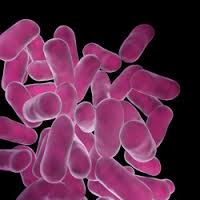
How are unicellular organisms different from multicellular organisms?
a)
There are no differences.
b)
They are made of many cells.
c)
They are only classified as prokaryotes.
d)
They are made of only one cell.
4.
Which is NOT part of the Cell Theory
a)
New cells are produced from existing cells
b)
All living things are composed of cells
c)
Only eukaryotic cells have a nucleus
d)
Cells are the basic unit of structure & function in living things
5.
In order to sustain life, all cells must...
a)
digest nutrients and water
b)
excrete waste and fluids
c)
must be able to maintain a homeostasis environment (aka cellular respiration and regulation)
d)
All of the above
6.
what is a cell classified as?
a)
a basic unit of structure and function of all living organisms
b)
a unit based on only plants and animals that are living
7.

Which of the following scientists was the first to observe bacteria under a microscope?
a)
Anton van Leuwenhoek
b)
Matthais Schleiden
c)
Robert Hooke
d)
Theodor Schwann
8.
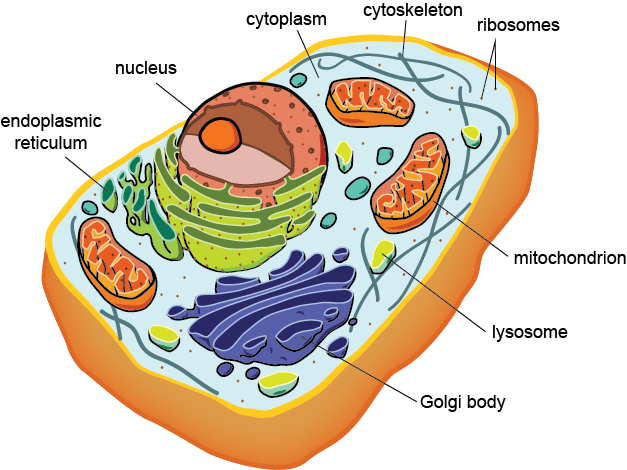
Which of the following statements is not part of the cell theory?
a)
Cells are the basic unit of structure and function in all living things.
b)
All cells are produced from other cells.
c)
Only animal cells are composed of cells.
d)
All living things are composed of cells.
9.

What is one way in which all living things on Earth are alike?
a)
All living things have hair.
b)
All living things are made of cells and come from other cells.
c)
The cells of all living things have chloroplast.
d)
All living things can move.
10.
An organism made of one cell is called
a)
unicellular organism
b)
multicellular organism
11.
All cells are produced ____________.
a)
From pre-existing and deceased cells
b)
from other pre-existing cells
c)
Cells can come from anywhere, as long as there is the sun.
12.
What is the basic structural and functional unit of all living things?
a)
atom
b)
cell
c)
molecule
d)
human
13.
Rocks are not living because
a)
they never move
b)
they aren't needed for humans
c)
they are not made of cells
d)
they don't break down
14.
All cells come from___________ cells.
a)
pregnant
b)
pre-existing
c)
paternal
d)
pin size
15.
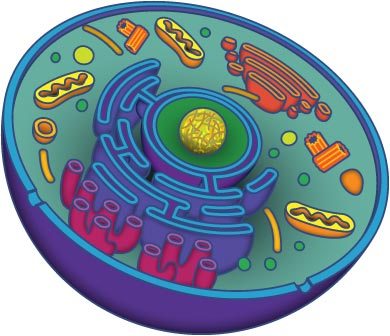
All living things are made up of...
a)
cells
b)
cell tissues
c)
organ
d)
organ systems
16.

Which of the following is NOT a cell theory.
a)
All non-living things are made of cells
b)
All cells come from pre-existing cells
c)
Cells are the basic unit of structure and function of all living things
17.

What tool do you use to view the cells?
a)
metric ruler
b)
centrifuge
c)
microscope
d)
telescope
18.
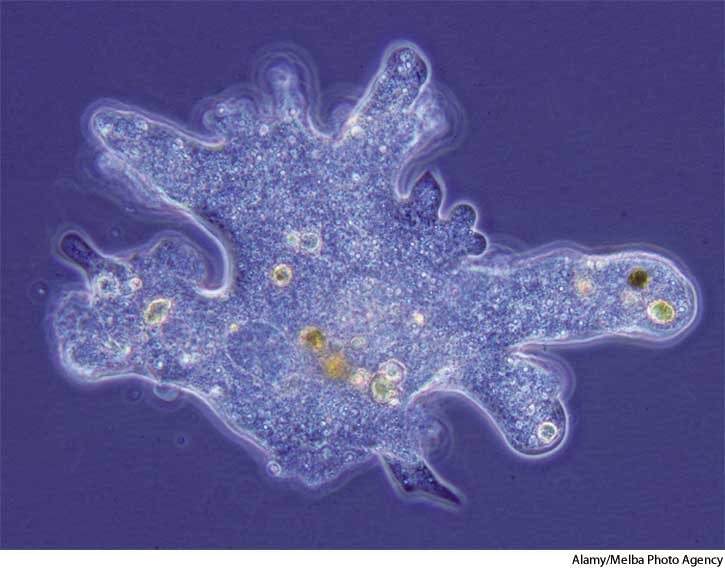
An Amoeba is a unicellular, animal-like protist that lives in ponds and streams. According to cell theory, where did this cell come from?
a)
another pre-existing amoeba cell.
b)
energy from sun that allowed the protist to reproduce.
c)
a multicellular organism.
d)
the nonliving environment.
19.

Robert Hooke, Anton van Leeuwenhoek, Theodor Schwann, Rudolf Virchow, and Matthias Schliden were all responsible for what theory?
a)
The Theory of Gravity
b)
The Theory of Relativity
c)
The Cell Theory
d)
The Theory of Continental Drift
20.

What is NOT a part of cell theory:
a)
all cells come from existing cells
b)
all cells have a nucleus
c)
all living things are made of cells
d)
cells are basic unit of structure and function in living things
Reset

