
Font size
 Worksheets
ARLH 206 Quiz 2
Total questions: 67
Worksheet time: 1hrs 7mins
- who was as Italian architect, designed Villa Rotunda, most influential figures in western architecture
Wrote: Four Books of Architecture, 1570
(a)
what book is about:
-1st book is about: building materials, techniques, and five orders of arch.: tuscan, doric, ionic, corinthian, and composite
-2nd book is about: town houses, country estates
-3rd book is about: streets, bridges, piazzas, basilicas, etc.
-4th book is about: roman temples, including the pantheon -
(a)
-who was a French architect, draftsman, and antiquary;
-became a leading authority on ancient Roman architecture and Roman ruins in Italy and France.
(a)
what is
-Located: Nimes, France
-What: well preserved ancient roman building that represents textbook definition of a roman temple
(a)
what style was
-When: Dominated american architecture: 1780-1840
-What: principal design of the colonial period, evolved from the Georgian Style
(a)
-Who: was an engineer, architect, and city planner who served in the Continental Army during the American Revolution and subsequently designed the spatial plan for Washington, D.C.
(a)
-Who: Architect, 3rd president of the US, and founding father
Built: State capitol, Washington D.C
Best Known: for homes such as Monticello, and Popular Forest (became laboratories for his design interests)
(a)
-Who: 1st american architect who gained fame as a designer of government buildings
Built:
- Massachusetts State House (1795-98)
- Connecticut State House
- Maine Capitol
(a)
- Who: British born architect, and civil engineer who established architecture as a profession in the United States.
-was the most original proponent of the Greek Revival style in American building.
Built:
-US Capitol
-Decatur House
(a)
Who: Irish-American architect, best known for designing the White House
(a)
American physician, inventor, painter and architect who designed the United States Capitol.
(a)
What: inspired by the symmetry, proportion, simplicity, and elegance of the ancient Greek temples of 5th century B.C.
- During: 1825-1855
(a)
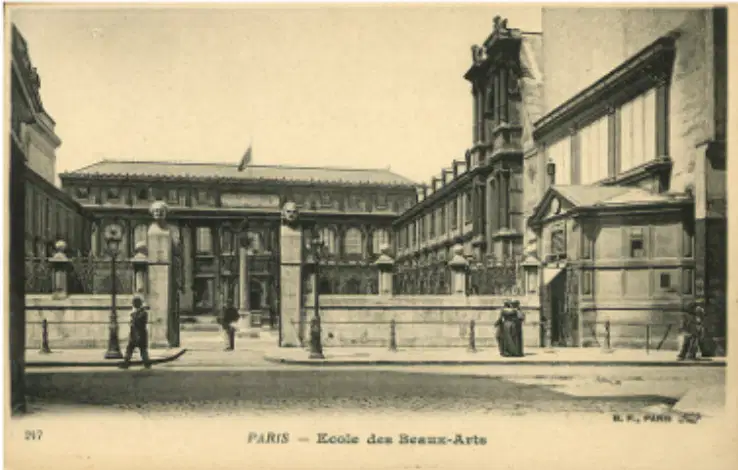
Founded: 1803
French for “School of Fine Arts”
Refers to a number of influential art schools in France.
The term is associated with the Beaux-Arts style in architecture and city planning that thrived in France and other countries during the late nineteenth century and the first quarter of the twentieth century.[1]
Elements of the Baroque architectural tradition were an essential part of the curriculum
(a)
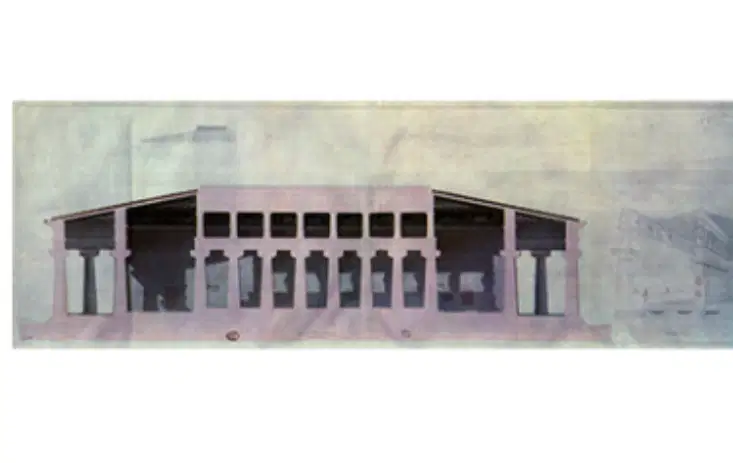
- was a major ancient Greek city on the coast of the Tyrrhenian Sea in Magna Graecia.
- The ruins of Paestum are notable for their three ancient Greek temples which are in a very good state of preservation.
(a)
What empire:
- Under the rule of Napoloen III
- the empire was authoritarian but enjoyed economic growth and pursued a favourable foreign policy.
- Architecture featured mansard roof, a four-sided gambrel roof with a shallow or flat top usually pierced by dormer windows.
- Featured neo baroque
- 1852–70
(a)
what phase has elements of baroque but not the original baroque style
(a)
- one of the first American-born professional architects.
- A Neoclassical architect that followed Jeffersons form
(a)
- U.S. architect and engineer who was one of the leaders of the Greek Revival in the first half of the 19th century.
- first became known as a scene painter
- Studied under Latrobe
(a)
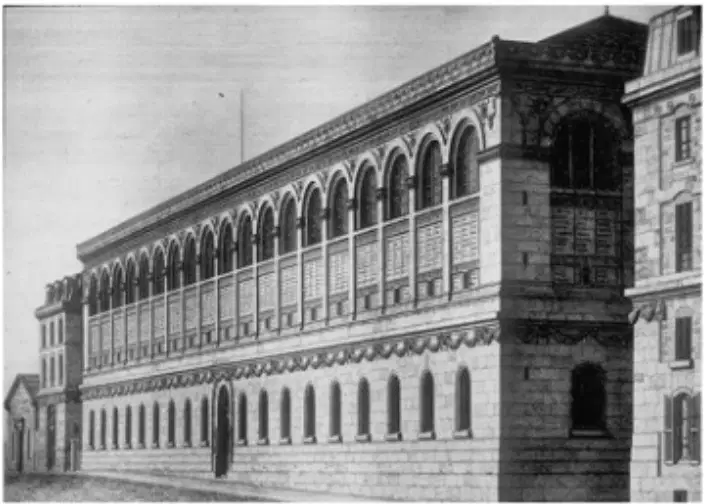
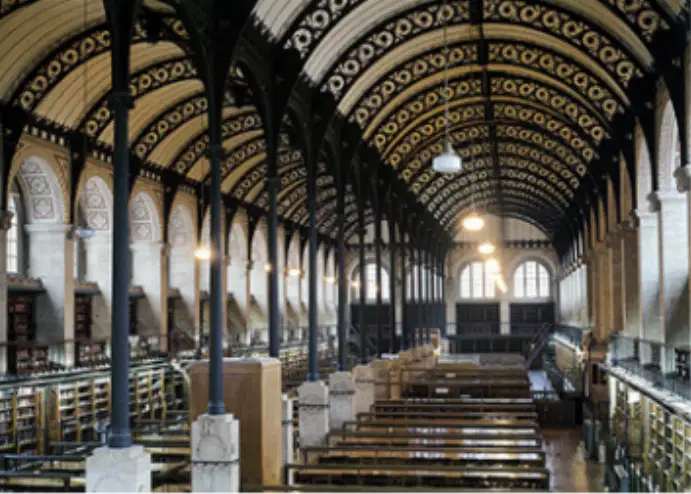
- French architect important for his early use of iron frame construction.
- primarily remembered for the two Parisian libraries he designed.
- Bibliothèque Sainte-Geneviève, and the Bibliothèque Nationale
(a)

What, who, where, when, why?
(a)

What, who, where, when, why?
(a)

what, who, where, when, why?
(a)

What, who, where, when, why?
(a)

what, who, where, when, why?
(a)

what, who, where, when, why?
(a)

What is it?
(a)

What, who, where, when, why?
(a)
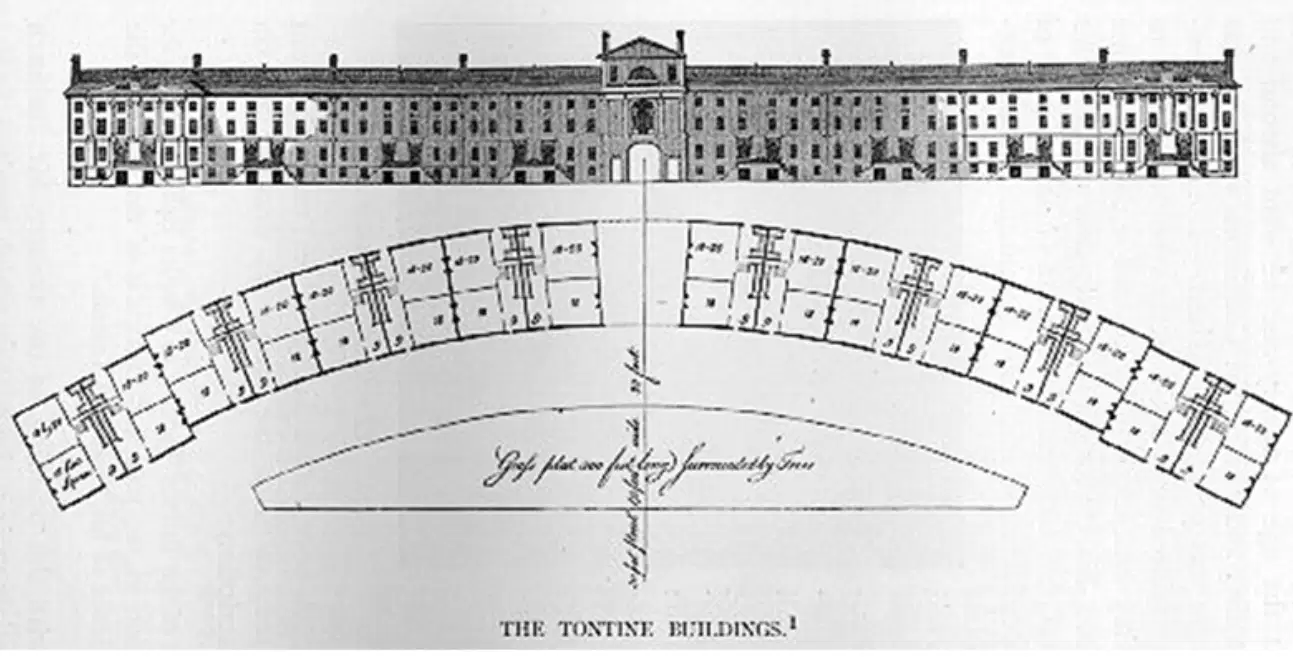
what, who, when, where, why?
(a)

what, who, where, when, why?
(a)

what, who, where, when, why?
(a)
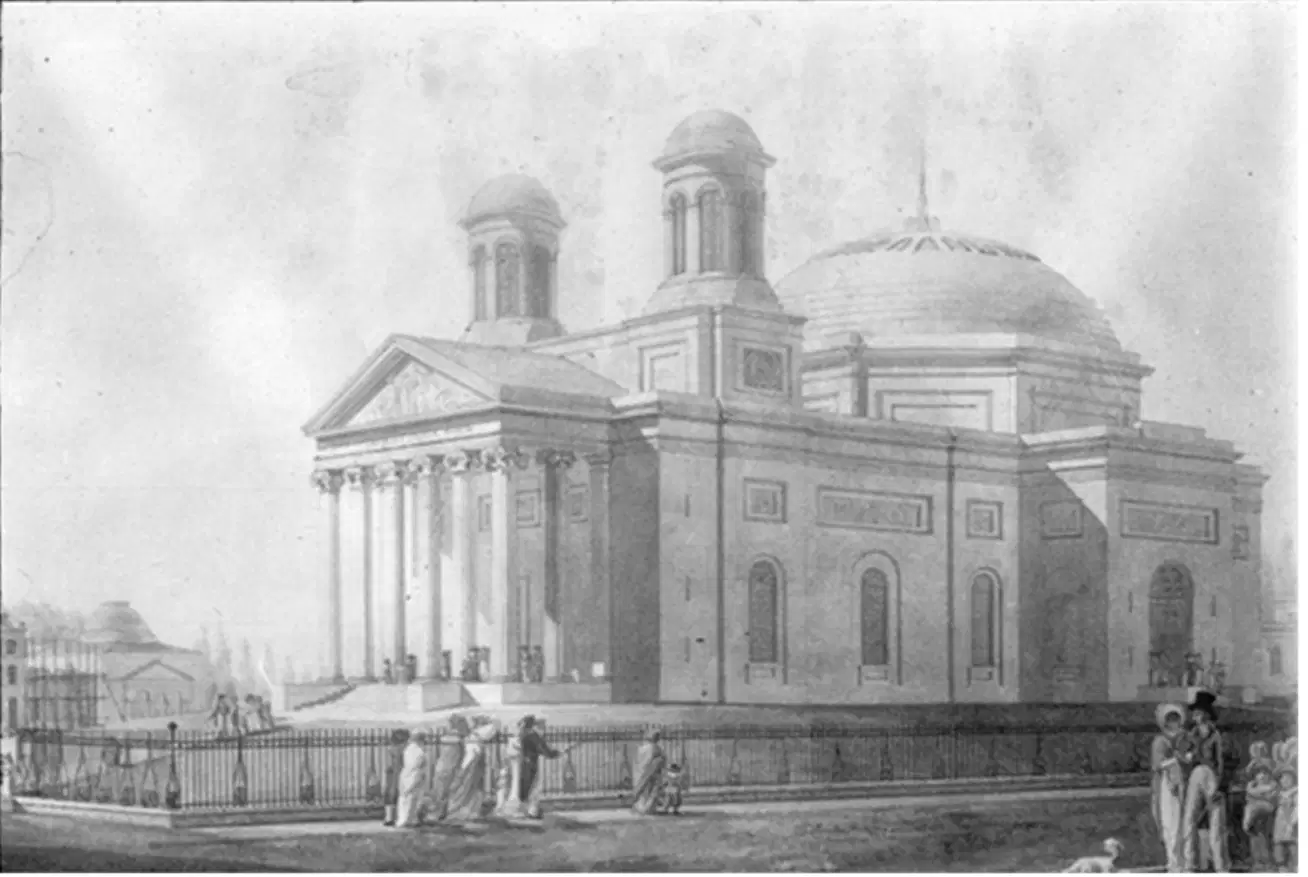
what, who, where, when, why?
(a)
The pseudo archaic spelling of gothic in the sense of dark ages, gloomy or horrifying
(a)
International exhibition in Hyde Park London. First in the series of world fairs
(a)
English writer, connoisseur, and collector known for his novel The Castle of Otranto (first gothic novel in the english language)
(a)
- French architect
- Expert on gothic architecture
(a)
-Known for gothic revival style
-Contrasts, 1836
His critique of architecture and society of his time
- True Principles of Pointed, or Christian Architecture, 1841
He laid down the firm principles for Victorian Gothic Revival
-An Apology, 1843
He urged his fellow architects to build an architecture that was both Christian and English
(a)
Designed the first cast iron bridge in the world
(a)
He popularized cast iron construction
(a)
English landscape gardener and designer of hothouses, architect of Crystal Palace for the Great Exhibition
(a)
Built many bridges, most being in South America, Australia, and India
Jointly responsible for designing the London Bridge railway station
(a)
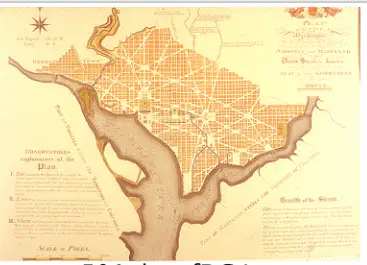
what, who, where, when, why
(a)
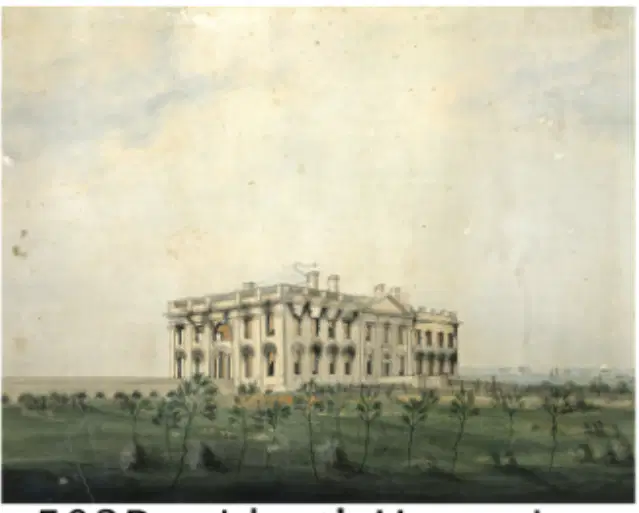
what, who, when, where, why
(a)
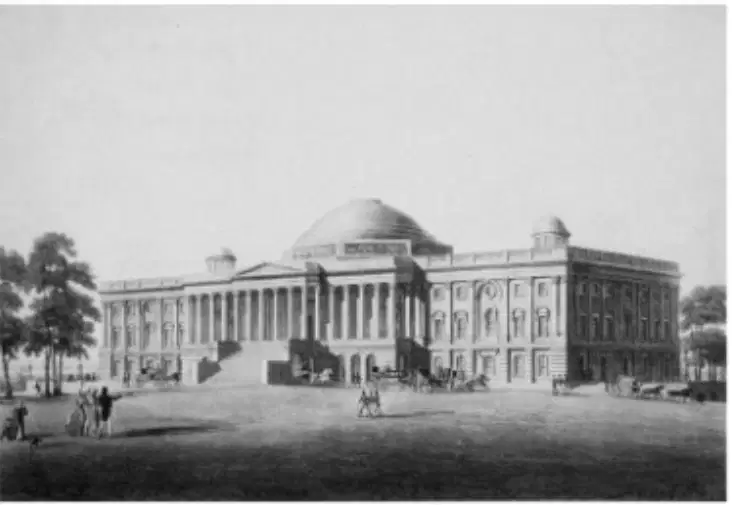
what, who, where, when, why
(a)
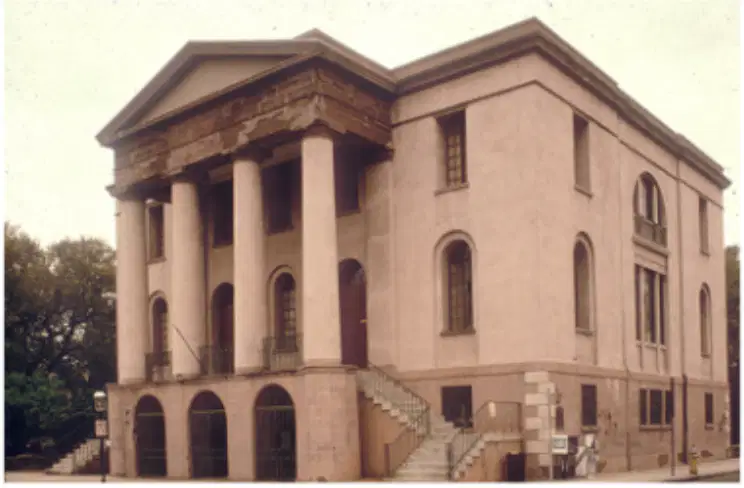
what, who, where, when, why
(a)
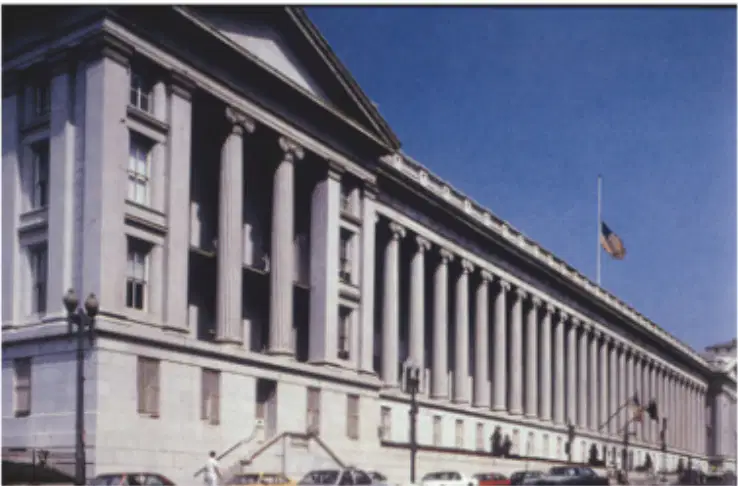
what, who, when, where, why
(a)
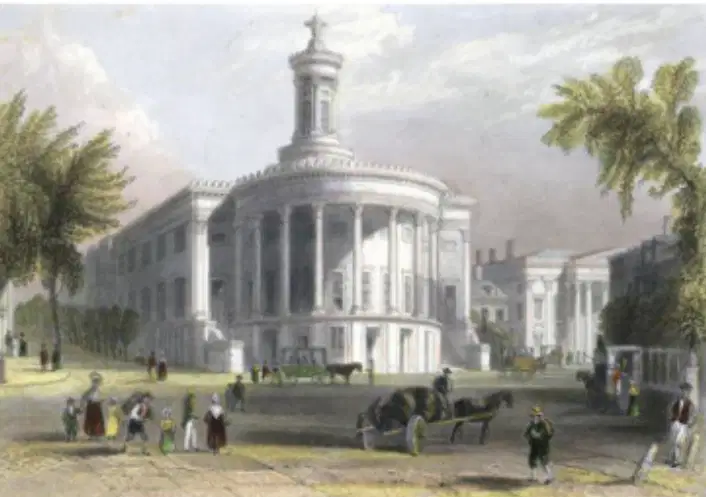
what, who, where, when, why
(a)
what, who, where, when, why
(a)
what, who, where, when, why
(a)
what, who, where, when, why
(a)
what, who, where, when, why
(a)
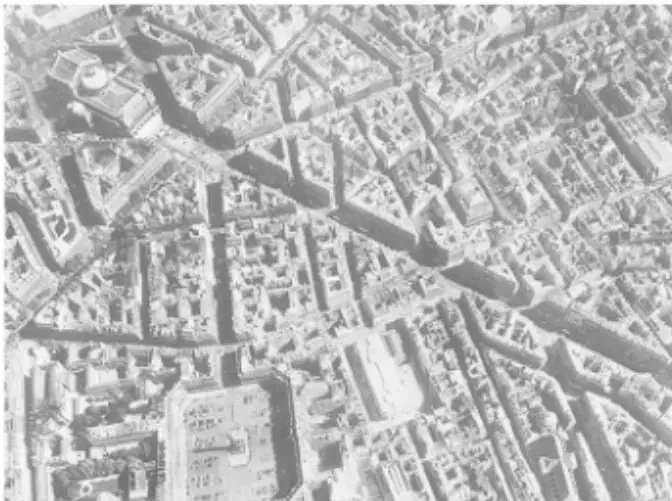
what, who, where, when, why
(a)
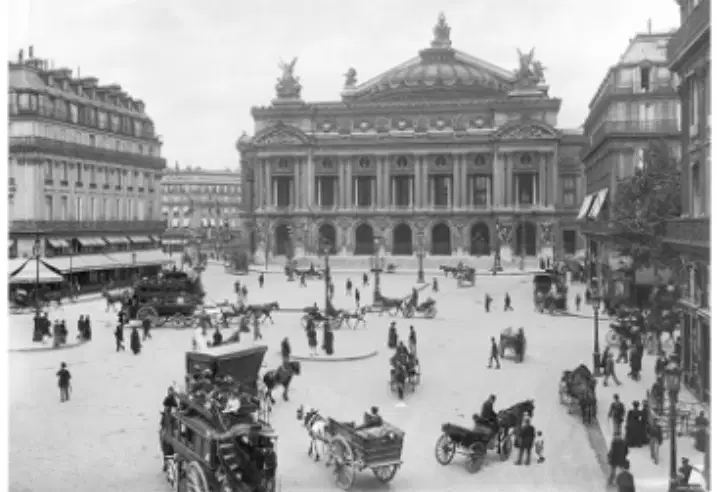
what, who, where, when, why
(a)
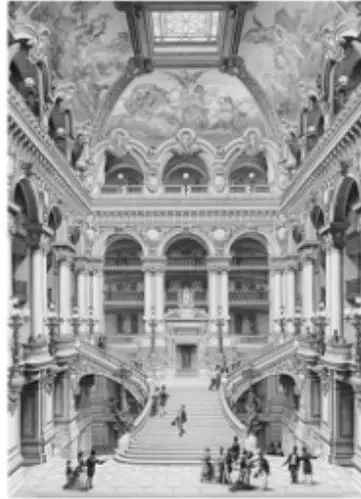
what, who, where, when, why
(a)
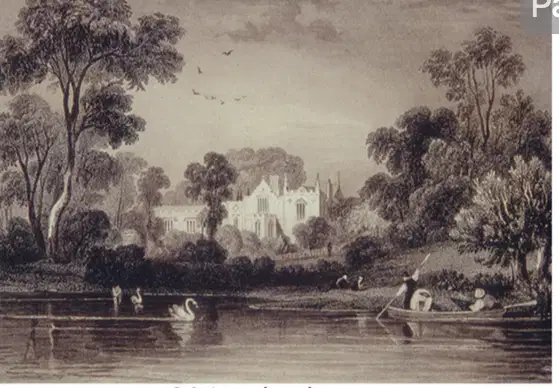
what, who, when, where, why
(a)
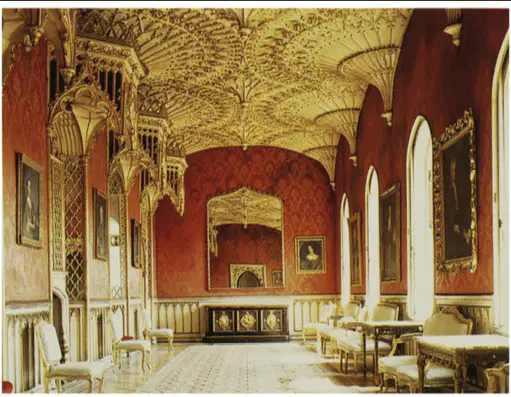
what, who, when, where, why
(a)
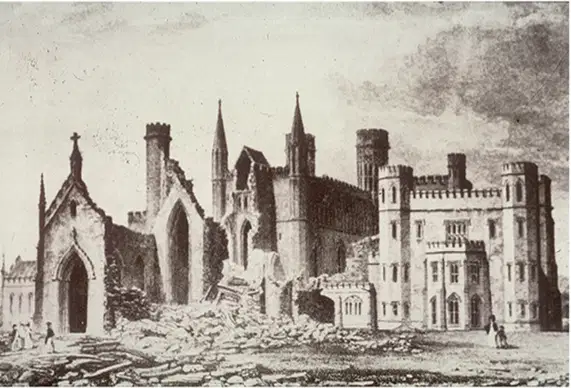
what. who, when, where, why?
(a)
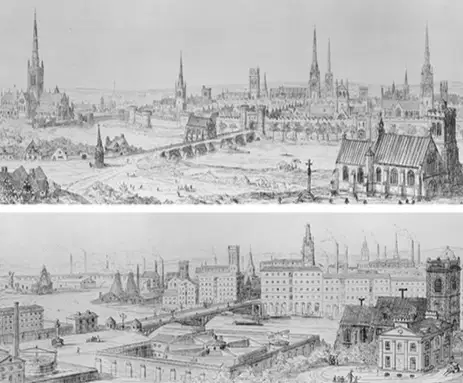
what, who, when, where, why?
(a)
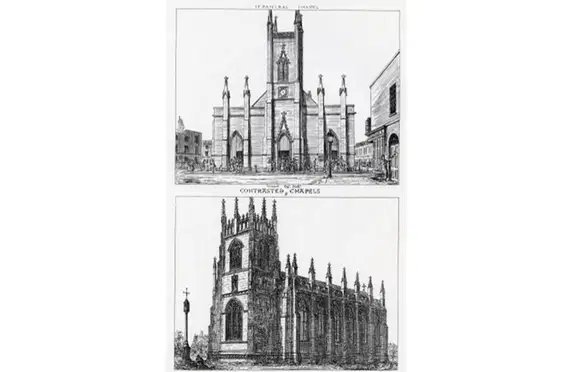
who, what, where, when, why?
(a)
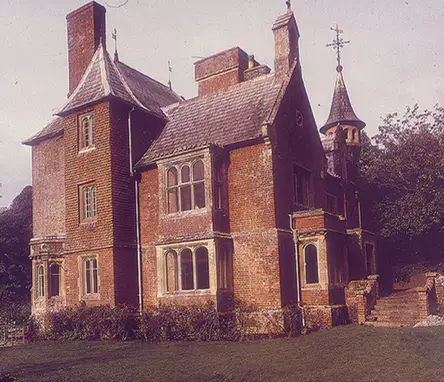
what, who, where, when, why?
(a)
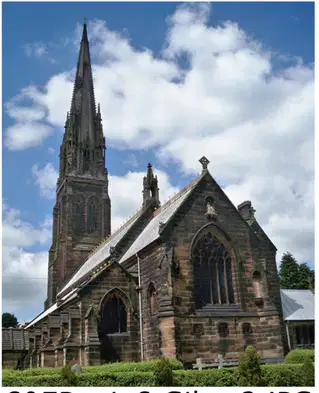
what, who, where, when, why?
(a)
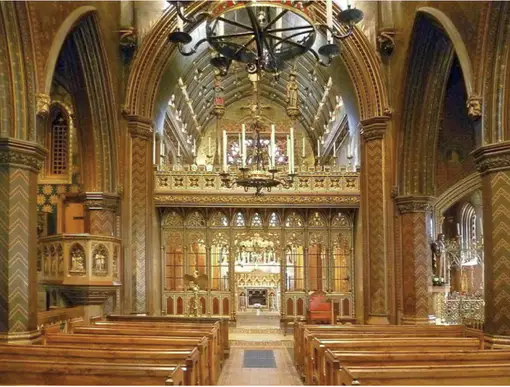
what, who, where, when, why?
(a)
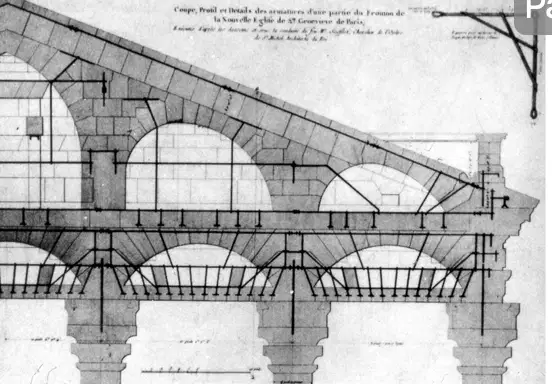
what, who, where, when, why?
(a)
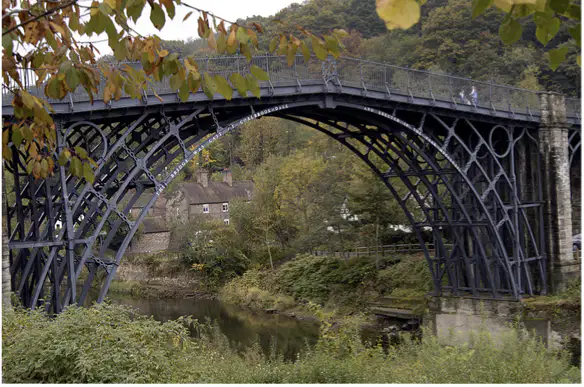
who, what, where, when, why
(a)
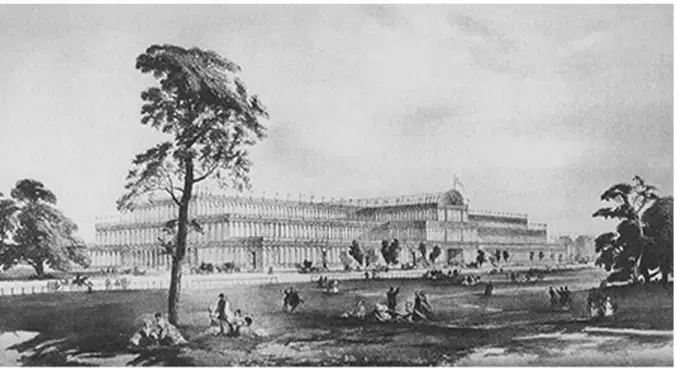
what, who, where, when, why?
(a)
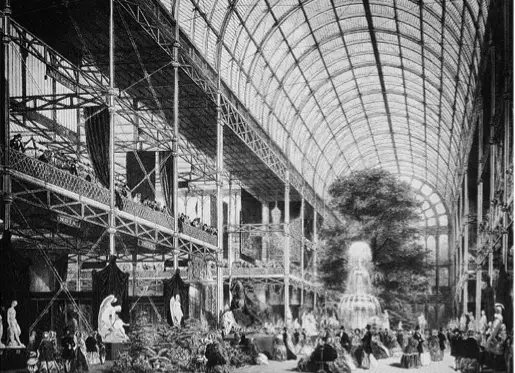
what, who, where, when, why
(a)
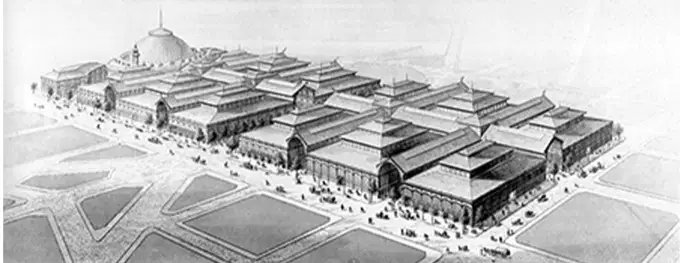
what, who, where, when, why?
(a)

