
 Worksheets
STF1093 LU1
Total questions: 15
Worksheet time: 11mins

Statistics is the study of how to collect, organize, analyze and interpret numerical information from data.
TRUE
FALSE
We use inference about population parameters to estimate the sample statistics.
TRUE
FALSE

Qualitative data represent categorical or attributive or classified information.
TRUE
FALSE
Quantitative variables are measured on an ordinal, interval, or ratio scale.
TRUE
FALSE
Discrete data refers to numerical values over an interval resulting from measurement process.
TRUE
FALSE
Inferential statistics involves methods of organizing, picturing, and summarizing information from a sample of a population.
TRUE
FALSE
Descriptive statistics involves methods of using information obtained from a sample of a populations to draw conclusion regarding the populations.
TRUE
FALSE
Parametric tests does not require background information about the population distributions.
TRUE
FALSE
Non-parametric tests are useful when the data show a skewed distribution.
TRUE
FALSE
Qualitative variables are measured on a nominal scale.
TRUE
FALSE
Mark all qualitative data from the followings:
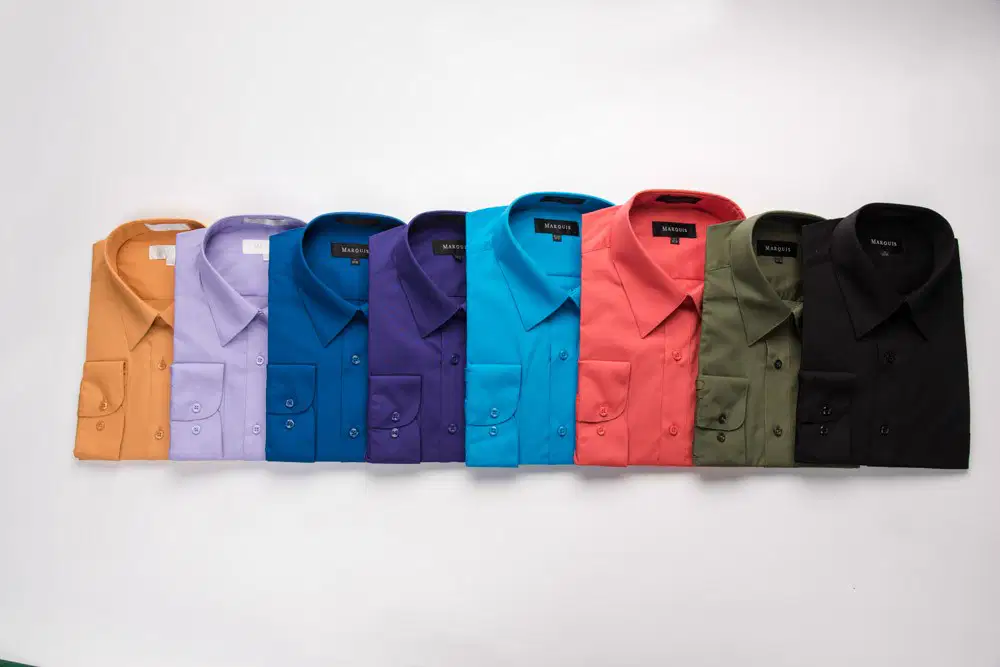
Shirt colours
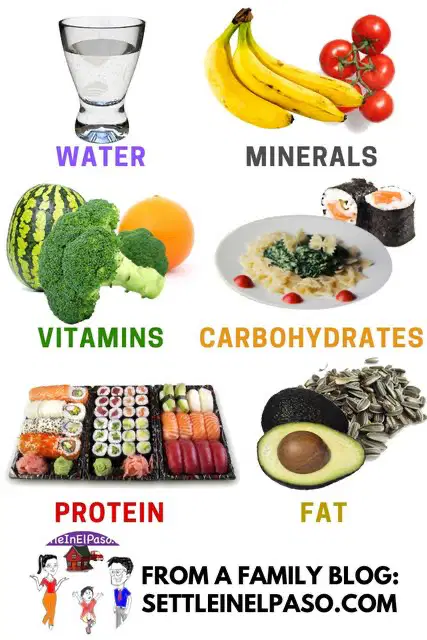
Food classes
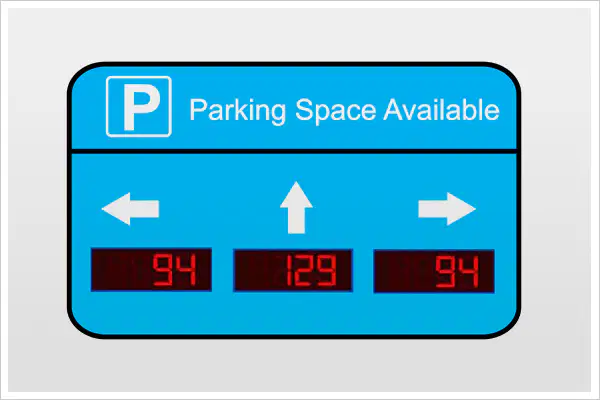
Parking spaces

Sizes of chickens

Breeds of cats
Mark all quantitative data from the followings:
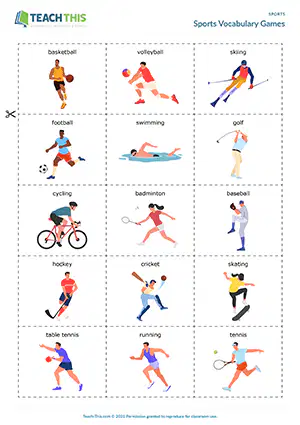
Sport activities

Body mass index
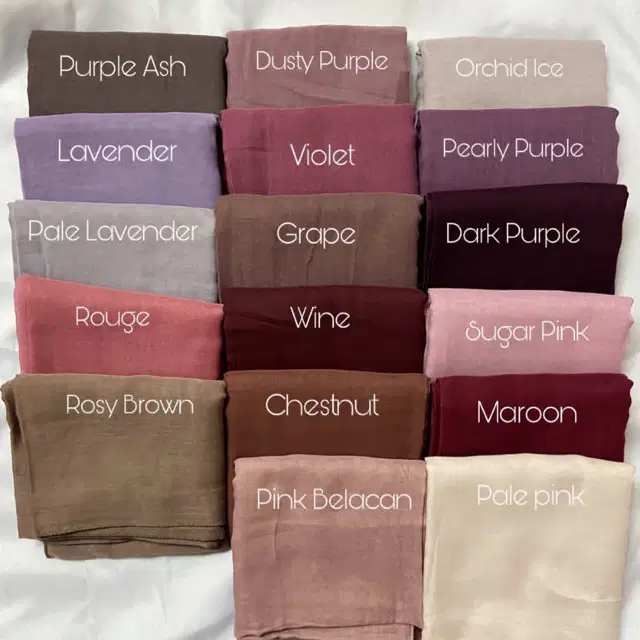
Colours of shawl

Bacterial colony

Heart beat per minute
Characteristics and features of a parametric test:
Population background is not needed
Null hypothesis is made on parameters of the population distribution
Not available for nominal data
Applicable only for variable
Related tests are independent t-test and ANOVA
Characteristics and features of a non parametric test:
Applicable to attribute and variable
Equally powerful as the parametric test
Recommended when data is not normally distributed
Information on population background is not needed
Related tests are Mann-Whitney and Kruskal-Wallis
Measures of central tendency include:
Mean - The arithmetic average
Standard deviation - the square root of variance
Median - the middle (ordered) score
Coefficient of variation - a measure of relative variability
Mode - the most frequent data (if any)

