
 Worksheets
Intro to Photography Unit 1 Quiz
Total questions: 12
Worksheet time: 6mins

Analog cameras use physical film to capture images and require photographs to be chemically developed.
True
False

Which of the following allows you to change the focal length in real time?
Zoom Ring
Focus Ring
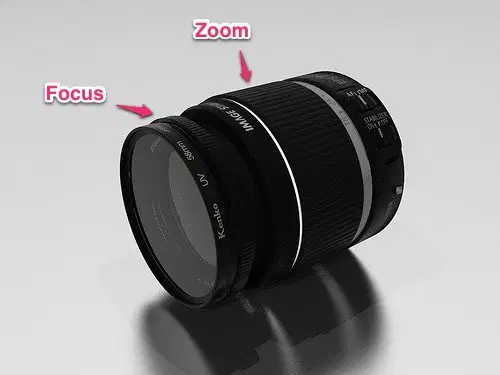
Which of the following allows you to focus the camera and capture a sharp image?
Focus Ring
Zoom Ring
You can't take photos from other people or from offline and submit them for assignments. True or False.
True
False
Which are the four basic parts of all cameras?
lens, mode dial, flash, shutter
viewfinder, mode dial, LCD screen, flash
camera body, lens, sensor, shutter
LCD screen, video button, sensor, camera body
The camera shutter produces a spark of artificial light at a color temperature of about 5500K to help illuminate a scene
True
False
What part of the camera converts light into a digital image through light-sensitive pixels?
shutter
viewfinder
sensor
flash
The ISO dial of a camera manipulates the sensor's sensitivity to light.
True
False
The window through which photographers look to compose and frame their photographs is which of the following?
viewfinder
sensor
shutter
flash
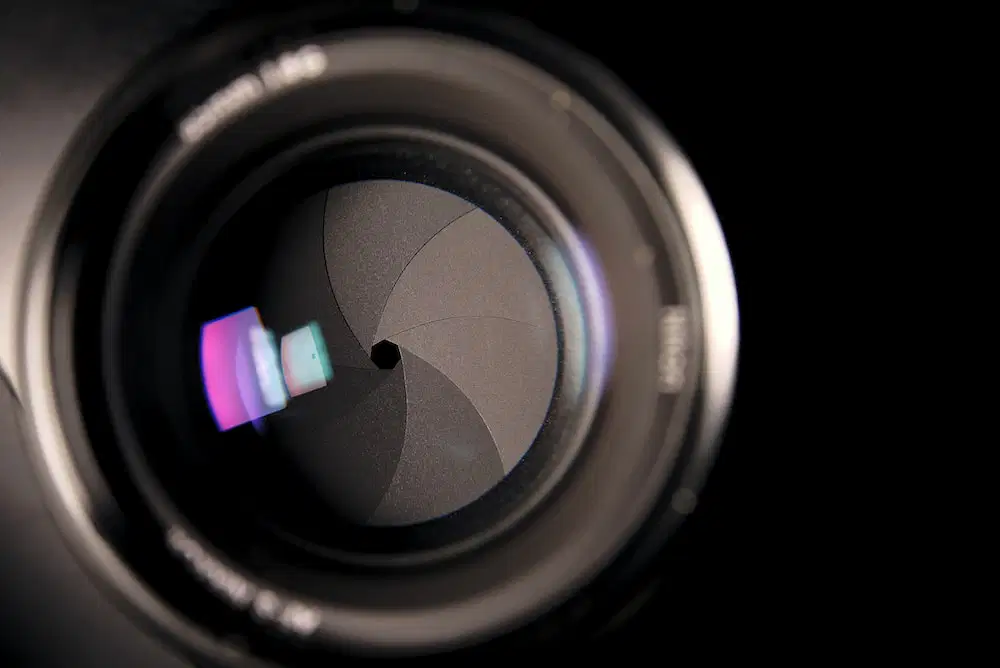
Which of the following acts as a door that controls the amount of time light is allowed to fall on the image sensor?
ISO dial
sensor
viewfinder
shutter
What is a convex lens?
A converging lens that converges the light rays passing through it to a single point on the other side of the lens to form an image inside the camera.
A diverging lens spreads out light rays that have been refracted through it. Concave lenses are used to focus on closer objects.
What is a concave lens?
A converging lens that converges the light rays passing through it to a single point on the other side of the lens to form an image inside the camera.
A diverging lens; it spreads out light rays that have been refracted through it.

