
 Worksheets
Spanish Final Exam Review
Total questions: 200
Worksheet time: 3hrs 20mins
La quinceanera


What are celebrating in a Quinceañero?
16th birthday.
a dance.
15th birthday
a dinner.

Who walk with the Quinceañera?
chambelán.
hermano
hombre
primo
Who start the tradition of the Quinceañera?
¿De dónde viene la tradición de la Quinceañera?
De España
De los Aztecas y Mayas
De los Estados Unidos
De Brazil

Tengo miedo
Tengo sed
Tengo hambre
Tengo frío

tengo miedo
tengo hambre
tengo sed
tengo calor

Tengo hambre
Tengo frío
tengo calor
Tengo sed

Tengos hambre
Tengo calor
Tengo frío
Tengo miedo

Tengo miedo
Tengo hambre
Tengo calor
Tengo sed

enojado
contento
enfermo
cansada
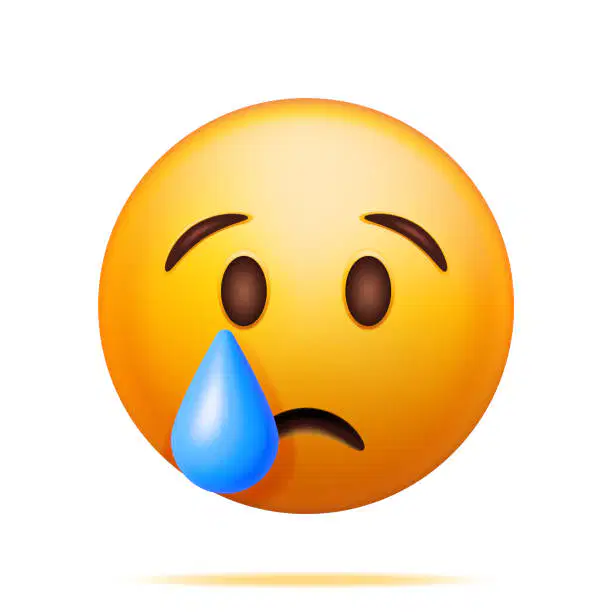
enojada
nerviosa
triste
contenta

aburrido
cansada
contento
enferma

triste
enojada
enferma
cansada
What letter is NOT found in the English alphabet?


What is the sound of the letter "H" in the word "HOLA"?
"J"
"H"
silent
"CH"
I griega
X
Y
Z
I
Spell the word: Cabeza
ce, a, be, e, zeta, a
ese, a, be, e, equis, a
ce, a, be, e, equis, a
che, a, be, e, i griega, a
Spell the word: Hombre
jota, o, eme, be, ere, e
hache, o, eme, be, erre, e
hache, o, eme, be, ere, e
ge, o, eme, be, ele, e
Ñ
ene
ele
eme
eñe
What is ¨it´s sunny¨ in Spainsh?
Hace sol
Hace calor
Está lluvioso
Nieva
What is ¨it´s hot¨ in Spanish?
Hace calor
Hace frío
treinta
sesenta
What is ¨it´s windy¨ in Spanish?
Hace viento
Nieva
grados
Hace sol
What is ¨it´s raining¨ in Spanish?
Llueve
Hace viento
Está nublado
noventa
What is ¨it´s cloudy¨ in Spanish?
Está nublado
cuarenta
cincuenta
grados
What is 20 in Spanish?
veinte
ochenta
cien
sesenta
What is 30 in Spanish?
treinta
ochenta
noventa
Llueve
What is 40 in Spanish?
cuarenta
cincuenta
Nieva
setenta
What is 100 in Spanish?
cien
noventa
cincuenta
cuarenta
What is 80 in Spanish?
ochenta
noventa
veinte
setenta
the book
el libro
el marcador
el cuaderno
el gato
the pen
la ardilla
el lapiz
el pupitre
el bolígrafo
the desk
el animal
el pupitre
la mochila
el lapiz
el pegamento
the glue
the scissors
the pen
the whale
la calculadora
the chair
the backpack
the calculator
the glue
el cuaderno
the pen
the paper
the bird
the notebook
el borrador
the eraser
the desk
the lion
the backpack
the backpack
el lapiz
el leon
la mochila
el pegamento
the ruler
la goma de borrar
el pupitre
el pez
la regla
El lapiz
the paper
the pencil
the pen
the dog
What is the appropriate response?
-¡Hola!
-_____________
¡Adiós!
¡Hasta luego¡
¡Buenos días!
¿Cómo te llamas?
¿Cómo estás?
¿Cómo se dice <<See you tomorrow>> en español?
Adiós.
Hasta manaña.
Hasta luego.
Nos vemos.
¿Y tú?
You?
How are you?
Good morning.
And you?

¿Cómo se dice <<Nice to meet you>> en español?
Estoy bien.
Mucho gusto.
Hasta luego.
Tú and Usted both mean...
we
me
I
you
Tú is ...
formal
informal
Usted is ...
informal
formal
The time is 8:00 pm. What is the appropriate greeting?
Buenas tardes
Buenas noches
Buenos días
Mucho gusto
How
Cómo
Quién
Dónde
Cuál
what
Quién
Cuándo
qué
por qué
when
cómo
cuándo
quién
cuánto
where
dónde
adónde
de dónde
qué
who
cómo
qué
por qué
quién
which
cómo
quién
cuál
por qué
why
por qué
qué
quién
cuándo
Translate 'What time is it?' to Spanish.
¿Cuánto tiempo es?
¿Cuál es la hora?
¿Qué hora es?
¿Dónde está el tiempo?
Translate 'At what time?' to Spanish.
¿En qué momento?
¿Cuándo?
¿A qué hora?
¿A qué hora es?
How do you say 'It is 3 o'clock' in Spanish?
Es la tres
Son las tres
Son las cuatro
Son las cinco
How do you say 'It is 12:15' in Spanish?
Son las doce y media
Son las doce y quince
Son las doce y diez
Son las doce y cuarto
What is the Spanish word for 'hour'?
tiempo
día
minuto
hora
What is the Spanish word for 'minute'?
hora
minuto
segundo
día
How do you say 'It is half past 2' in Spanish?
Son las dos y cuarto
Son las dos y media
Son las dos y quince
Son las dos y diez
How do you say 'It is quarter to 6' in Spanish?
Son las seis menos cuarto
Son las seis menos quince
Son las seis menos diez
Son las seis menos cinco
Translate 'In the morning' to Spanish.
En la mañana
En la manana
En la mañanaa
En la mornin
Translate 'At night' to Spanish.
En la mañana
Por la noche
En la tarde
En la madrugada
What does ¿Cuál es la fecha? mean in English?
What is your birthday?
What is the date?
¿Cómo se dice? (How do you say in Spanish?):
July
julio
junio
¿Cómo se dice? (How do you say in Spanish):
February 12
el dos de febrero
el doce de febrero
¿Cómo se dice? (How do you say in Spanish):
September 20th
el veinte de septiembre
septiembre veinte
¿Cómo se dice? (How do you say in Spanish):
December 1st
el primero de diciembre
Diciembre una
Choose the correct way to say this in English:
el treinta y uno de enero
November 30
January 31
Choose the correct way to say this in English:
el catorce de junio
June 14
July 4
¿Cómo se dice "month" in Spanish?
año
día
mes
¿Cómo se dice "day" in Spanish?
día
año
mes
¿Cómo se dice "year" in Spanish?
día
año
mes
It is the only country in Africa with Spanish as an official language.
Senegal
Equatorial Guinea
Uganda
Libya
This country shares an island with Haiti.
Dominican Republic
Cuba
Honduras
Panama
This nation is actually an official territory of the United States.
Puerto Rico
Cuba
Mexico
Chile
This country has the largest population of Spanish speakers in the world.
Spain
Mexico
Argentina
Chile
Spanish is originally from this country.
Mexico
Argentina
Columbia
Spain
mother
madre
padre
abuela
abuelo
grandma
padre
hermana
abuela
nino
los padres
dad
parents
grandpa
friends
hermano
cousin
uncle
brother
sister
uncle
abuelo
hermano
padrastro
tio
madrastra
stepmother
aunt
mother
cousin
los abuelos
grandmothers
grandpa
grandparents
cousins
primo
brother
male cousin
son-in-law
female cousin
hijo
friend of the family
brother-in-law
brother
son
sobrina
niece
grandma
aunt
sister
sobrino
son
uncle
brother
nephew
These chairs are blue.
Esos sillos son azules.
Estas sillas son azules.
Esas sillas son azules.
Estos sillos son azules.
This book is boring.
Ese libro es aburrido.
Esta libra es aburrida.
Esa libra es aburrida.
Este libro es aburrido.
That shirt is big.
Esa camisa es grande.
Ese camiso es grande.
Esta camisa es grande.
Este camiso es grande.
Those apples are green.
Esas manzanas son verdes.
Estas manzanas son verdes.
Esos manzanas son verdes.
Estes manzanas son verdes.

Elena y Maria____________ delgadas
Somos
Eres
Son
Soy

¿De dónde __ usted?
es
eres
somos
soy

¿De dónde __ tú?
eres
es
somos
sois
Conjugate Ser:
Yo _________
eres
es
soy
somos
Conjugate Ser:
Ella _________
es
eres
sois
son
Conjugate Ser:
María y yo _________
soy
es
somos
son
Conjugate Ser:
Juan y Mateo _________
son
es
somos
sois
Él es pelirrojo
She is blonde
He is handsome
He is redhead
He is skinny
Usted es mayor
You are old woman
You are older
She is older
You are youngest
Ella _________clase de Historia
tengo
tiene
teneis
tienen
Tu __________ que estudiar para el quiz.
tiene
tenemos
tienes
tengo
Nosotros _________ganas de jugar futbol.
teneis
tengo
tienes
tenemos
Ellos _________que trabajar.
tengo
tenemos
tienen
tiene
Ustedes ________que hacer ejercicio.
tengo
tienen
tienes
teneis
El_________que montar en bicicleta.
tengo
tienes
tiene
tenemos
Vosotros _________que descansar.
tiene
tienes
teneis
tenemos
Usted ________que ir al baño.
tengo
tienes
tiene
tenemos
Ellas _________clase de Arte.
Tiene
tienes
tenemos
tienen
Yo _________hambre.
tienes
tiene
tenemos
tengo
Yo
estás
estoy
está
estamos
Nosotros
estáis
estamos
estoy
estás
ella
estoy
estamos
estáis
está
él
está
estamos
estáis
estás
tú
estoy
estás
está
estar
Vosotros
estamos
están
estáis
estoy
Estar means
to have
to go
to be
to eat
Estar is used to
express the time
indicate someone's profession
say sorry
to express emotions
I can also use "estar" to express
the day
a location
my favorite food
my nationality
Estar can be used
to express feelings
to express the weather conditions
to indicate your favorite food
to express your wishes
We go to work every day.
Nosotros ______ al trabajo cada día.
voy
va
vamos
vas
They go to the movies.
Ellos ______ al cine.
voy
van
vamos
vas
We go to the beach.
Nosotros _______ a la playa.
va
vamos
vas
soy
She goes.
Ella______
van
voy
es
va
He goes.
El _______
es
voy
va
vamos
I go.
Yo _______
eres
voy
soy
es
¿Como se dice 'bedroom' en español?
Habitación
Casa
Apartamento
Dormitorio
¿Como se dice 'garden' en español?
Jardín
Ventana
Silla
Caurto
¿Como se dice 'table' en español?
Mesa
Silla
Ducha
Puerta
¿Como se dice 'shower' en español?
Ducha
Bañera
Cama
Mesa
¿Como se dice 'kitchen' en español?
Cocina
Baño
Habitación
Puerta
¿Como se dice 'door' en español?
Ventana
Puerta
Cuarto
Cama
¿Como se dice 'window' en español?
Ventana
Puerta
Cama
Cuarto
¿Como se dice 'house' en español?
Casa
Apartamento
Habitación
Puerta
To ride a bike
caminar
montar en bicicleta
ver la tele
montar en moto
Nadar
play video games
to read
to swim
to draw
Bailar
to write
to sing
to dance
to read
No me gusta cantar
I like to draw
I don't like to listen to music
I like to sing
I don't like to sing
Me gusta mucho jugar video juegos
I really like to play video games
I like to dance
I like to watch t.v.
I don't like to run
I like to play sports a little bit
Me gusta mucho practicar deportes
No me gusta montar en bicicleta
Me gusta un poco practicar deportes
Me gusta mucho leer
To read
Nadar
Bailar
Cantar
Leer
Escuchar música
Watch T.V
Listen to music
To dance
To sing
I don't like to draw at all
Me gusta mucho cantar
No me gusta nadar
No me gusta nada dibujar
Me gusta un poco montar en bicicleta
To use the laptop
Montar en bicicleta
Jugar videojuegos
Ver la tele
Usar la computadora
No me gusta correr
I like to dance a little bit
I don't like to run
I don't like to sing at all
I really like to play sports
To practice sports
Correr
Usar la computadora
Ver la tele
Practicar deportes
I really like to read.
Me gusta mucho leer
No me gusta bailar
Me gusta un poco jugar videojuegos
No me gusta cantar
Ver la tele
to run
to play videogames
To watch t.v.
to dance
I don't like to use the laptop at all.
Me gusta mucho ver la tele
No me gusta nada usar la computadora
No me gusta jugar videojuegos
me gusta un poco nadar
To draw
Bailar
Dibujar
Ver la tele
Correr
I like to swim a little bit
No me gusta leer
Me gusta un poco nadar
No me gusta nada bailar
Me gusta mucho cantar
Jugar videojuegos
to run
to draw
to read
to play videogames
Me gusta mucho correr
I like to run a lot.
I don't like to swim
I don't like to draw
I like to dance a little bit
Me gusta mucho montar en bicicleta
I don't like to play sports
I like to swim
I like to ride a bike a lot
I like to play videogames a little bit


In Spanish, this is the word for socks _________.
los calcetines
los guantes
los zapatos
las gorras


¿Qué es?
las medias
los zapatos
el sombrero
la gorra
El desayuno
breakfast
lunch
dinner
snack

Cereal
Huevos
Tocino
Leche

Pan
Panquques
Huevos
Pan frances
Tocino
Panqueques
Leche
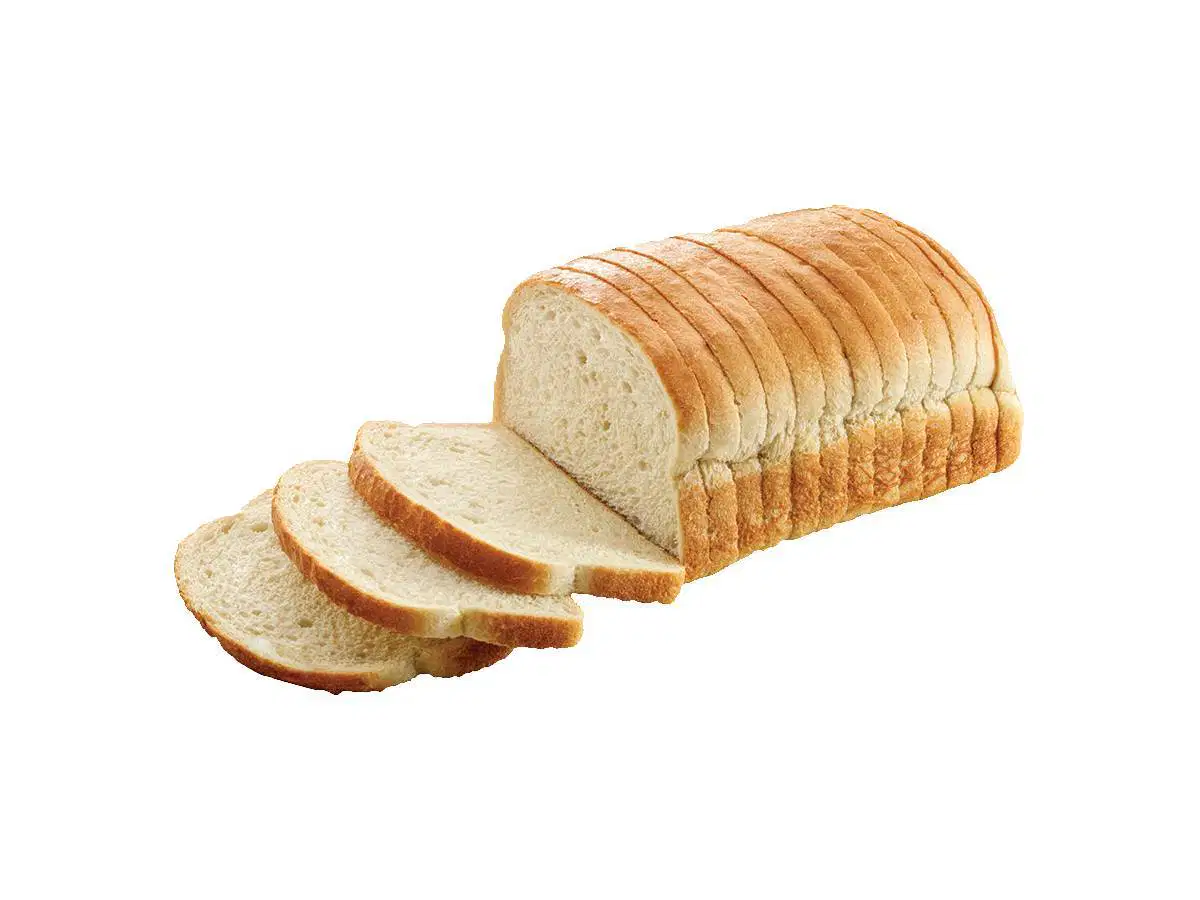
Pan

Panqueques
Tocino
Pan
Huevos

Jugo de manzana
Tocino
Pan
Cereal
Milk
Tocino
Pan
Leche
Agua
Juice
Agua
Leche
Limonada
Jugo
Apple juice
Jugo de uvas
Jugo de limon
Jugo de manzana
Jugo de naranja
Orange Juice
Batido de leche
Jugo de manzana
Leche
Jugo de naranja
Coffee
Jugo de manzana
Cafe
Leche
Limonada
rice
arroz
papa
pan
leche
Which word means chicken?
pollo
carne
leche
ensalada
La ensalada =
meat
salad
vegetable
lettuce
El pescado =
chicken
bread
meat
fish
breakfast
la cena
el desayuno
la cena
el almuerzo
Desserts
Desayuno
Almuerzo
Cena
Postres
¿Cuál es la traducción de 'la cena' en inglés?
Lunch
Dinner
Dessert
Breakfast
¿Cuál es el equivalente de 'el almuerzo' en inglés?
Dessert
Dinner
Breakfast
Lunch

