
 Worksheets
Chemistry Review
Total questions: 40
Worksheet time: 40mins
Hannah, Abigail, and Grace are studying for their science exam. They come across a question in their textbook: 'What is an atom's nucleus made of?'
Protons
Neutrons
Electrons
Nucleotides
During a science class, Mia was asked to identify an element based on its atomic number. She knew that the atomic number is determined by the _________ of ________ in the nucleus. Can you help Mia answer this?
protons, neutrons
number, electrons
electrons, protons
number, protons
During a science fair, Lily presented a model of an atom and mentioned that it's Molybdenum. Jackson, curious about it, asked what the atomic number of Molybdenum signifies. Lily explained that the atomic number of Molybdenum, which is 42, means that Molybdenum...
has a freezing point of 42 degrees Fahrenheit.
belongs to Group 42 on the Periodic Table.
Can form 42 bonds with other atoms.
contains 42 protons in its nucleus.

Hannah, James, and Anika are studying chemistry. They are discussing about elements in group 1. What characteristic do these elements share according to their discussion?
Number of valence electrons
Melting point of the element
Possible number of bonds formed
Metallic characteristics of the element
1 .) Aria, Scarlett, and Olivia are studying for their chemistry exam. They come across an element where each atom contains 10 protons and 8 valence electrons.
Which statement correctly identifies this element and describes its chemical reactivity?
A The element is Neon, and it is highly reactive.
B The element is fluorine, and it is not very reactive.
C The element is Neon, and it is not very reactive.
D The element is fluorine, and it is highly reactive.

11.) During a science fair, Michael, Aria, and Grace were discussing the atomic properties of four elements that they had studied. They made a table to record some atomic properties of Boron, Fluorine, Silicon, and Gallium.
Based on the information in the table, which conclusion about the chemical reactivity of these elements is valid?
A Boron is the most reactive because it has the most protons.
B Fluorine is the most reactive because it has 7 electrons in the outer shell.
C Silicon is the most reactive because it has an equal number of protons and neutrons.
D Gallium is the most reactive because it has many more neutrons than protons.
2.) Michael, Anika, and Benjamin are in a science class learning about elements. Their teacher asks, 'Which types of elements have a full outer shell of Valence Electrons, just like a fully packed classroom at the start of the school year?'
F Metals
G Noble Gases
H Metalloids
J Non-Metals
Abigail, Emma, and Jackson are studying the structure of an atom. They are discussing the characteristics of electrons. Which statement about electrons is NOT true?
They have a negative charge.
They have very little mass.
They are found in the nucleus of an atom.
They are likely to be found around the nucleus within the electron cloud.

Aiden, Anika, and Abigail are studying the Periodic Table for their chemistry class. They noticed that Letters Y and Z share the same ...
number of energy levels or orbits
state of Matter
number of Valence Electrons
Chemical Properties
Grace, Liam, and David are studying chemistry. They are discussing about the reactivity of an atom. According to them, what part of an atom is responsible for the atom's chemical reactivity?
# of electrons
# of electron energy levels
# of valence electrons
Harper, Kai, and Charlotte are studying a sample of an element in their chemistry class. They determine that the element's atoms have seven valence electrons. Select the statement that best describes the elements properties based on their findings.
It is a noble gas and is unreactive.
It is a transition metal & is shiny and a good conductor.
It is unreactive.
It is a nonmetal, very reactive, and a poor conductor of electric currents.
Nora, Mia, and Olivia are studying for a chemistry test. They notice that elements in the same family (group) on the periodic table...
have similar properties, like how Nora, Mia, and Olivia have similar study habits.
have unrelated properties, like how Nora, Mia, and Olivia have different hobbies.
have identical properties, like how Nora, Mia, and Olivia have identical study schedules.
have the same number of total electrons, like how Nora, Mia, and Olivia have the same number of textbooks.

Sophia, Isla, and Samuel are studying chemistry. They are comparing different formulas and trying to figure out which of the formulas contain equal numbers of nitrogen atoms. Can you help them?
Formulas I and III
Formulas I and IV
Formulas II and III
Formulas I, II, and V
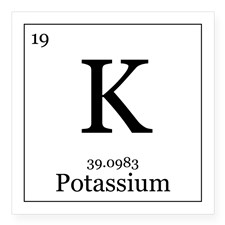
Abigail, Jackson, and Ethan are in a chemistry class. They are given an atom "K" to study. They need to find out how many neutrons are in this atom. What is their finding?
7
2
39
20
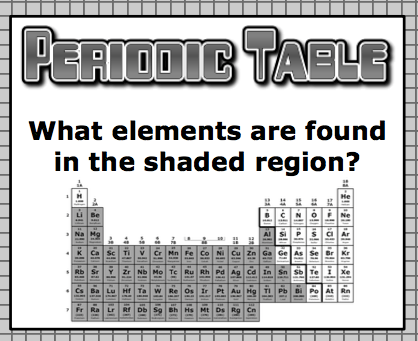
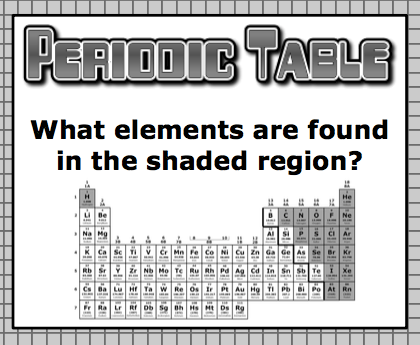
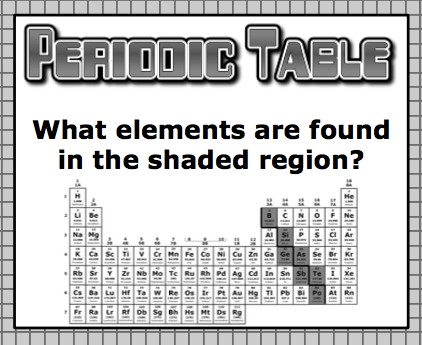
Ava, Avery, and Samuel are studying different groups on the periodic table for their chemistry project. They noticed that all elements in a group have something in common. What is it?
They all have the same energy levels
They all have the same number of electrons
They all have the same number of valence electrons and similar chemical properties
They all have the same number of protons
Anika, Sophia, and Scarlett are studying the periodic table for their chemistry class. They noticed a pattern among the periods. What do they have in common?
Energy Levels
Valence electrons
Similar Chemical Properties
Reactivity
Emma, Priya, and Luna are studying chemistry. They are discussing what determines the reactivity of an element. Emma thinks it's the electrons, Priya thinks it's the protons, Luna thinks it's the valence electrons, and their teacher thinks it's the neutrons. Who is correct?
Electrons
Protons
Valences Electrons
Neutrons
Which model represents the most reactive atom?
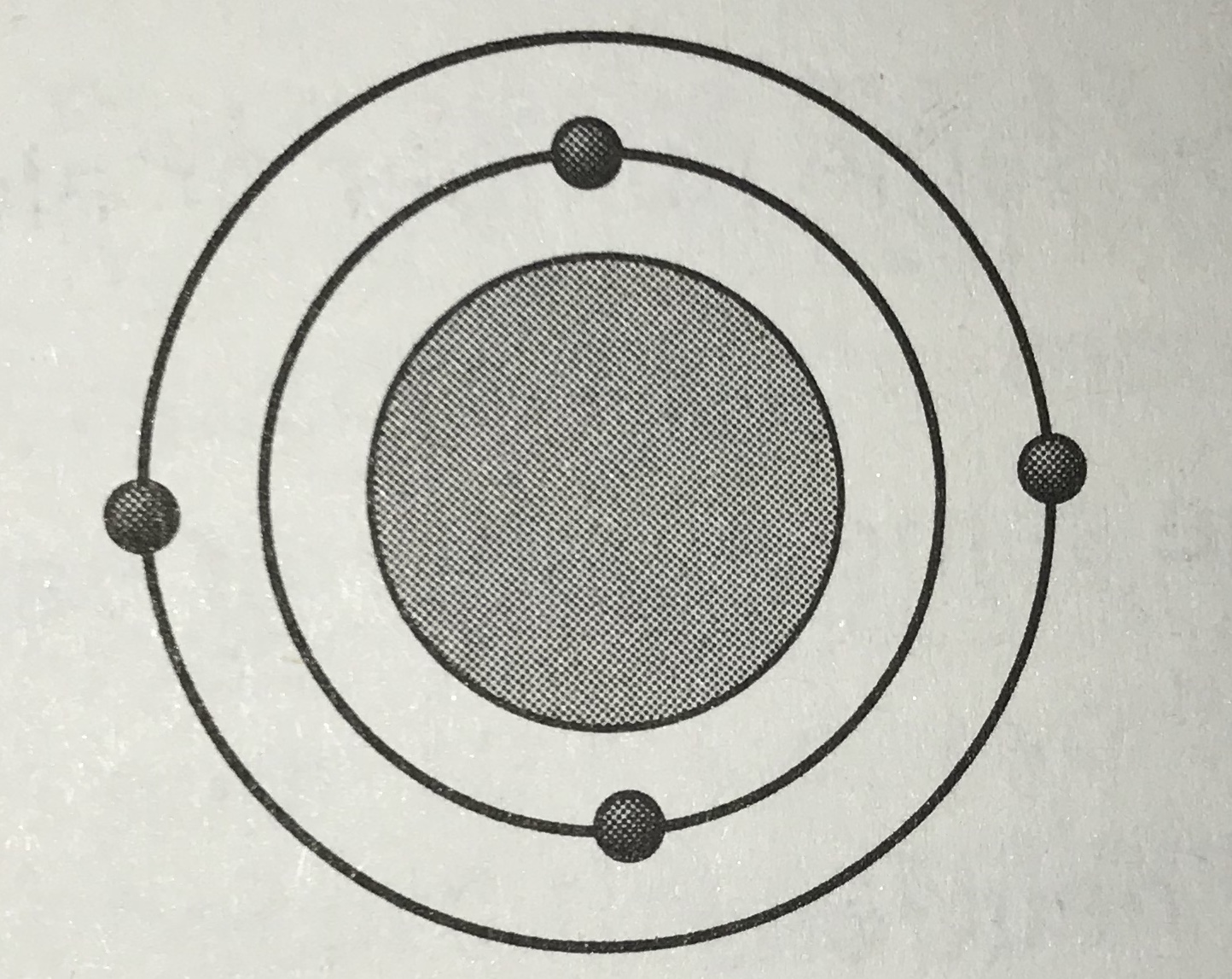
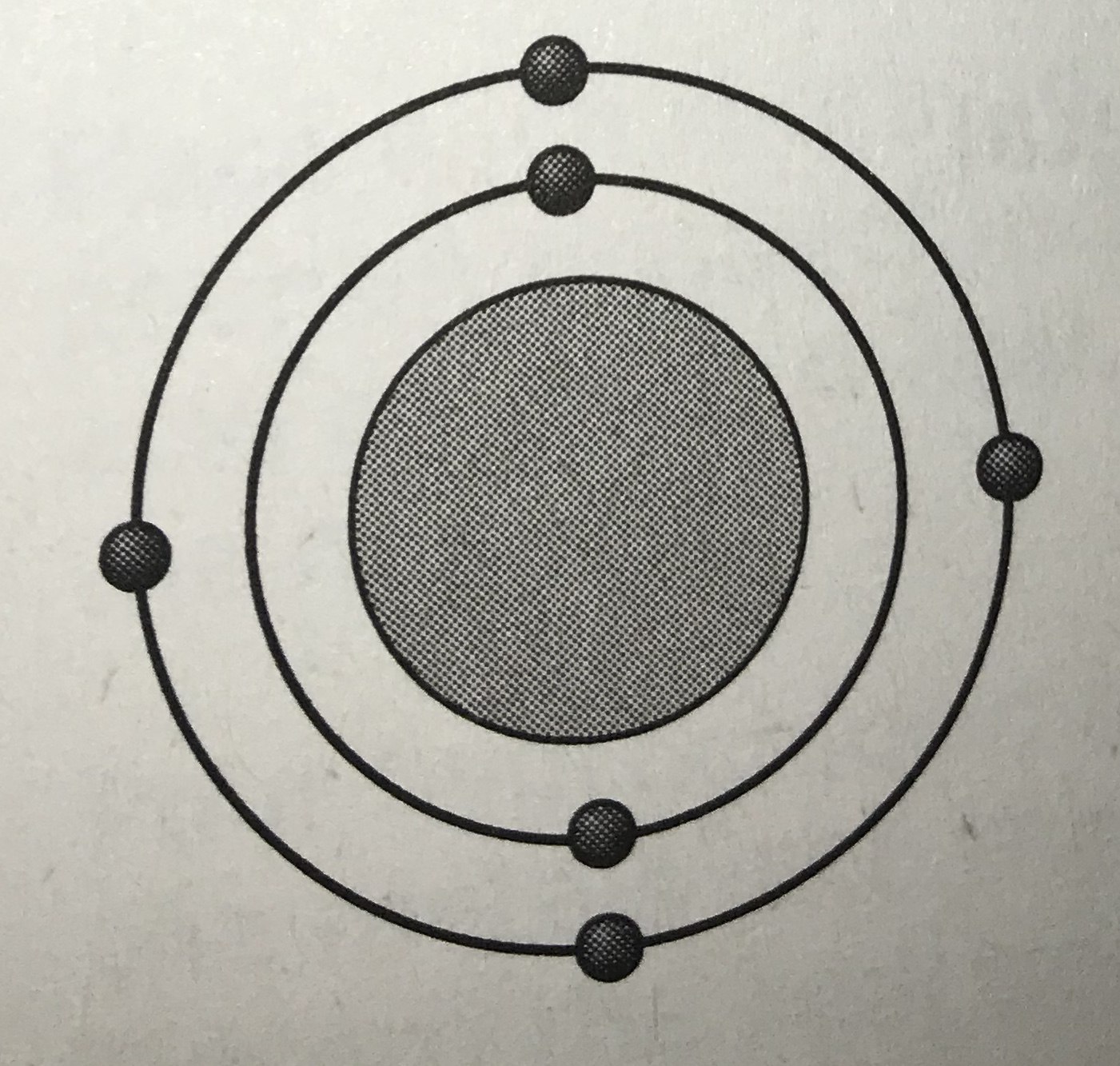
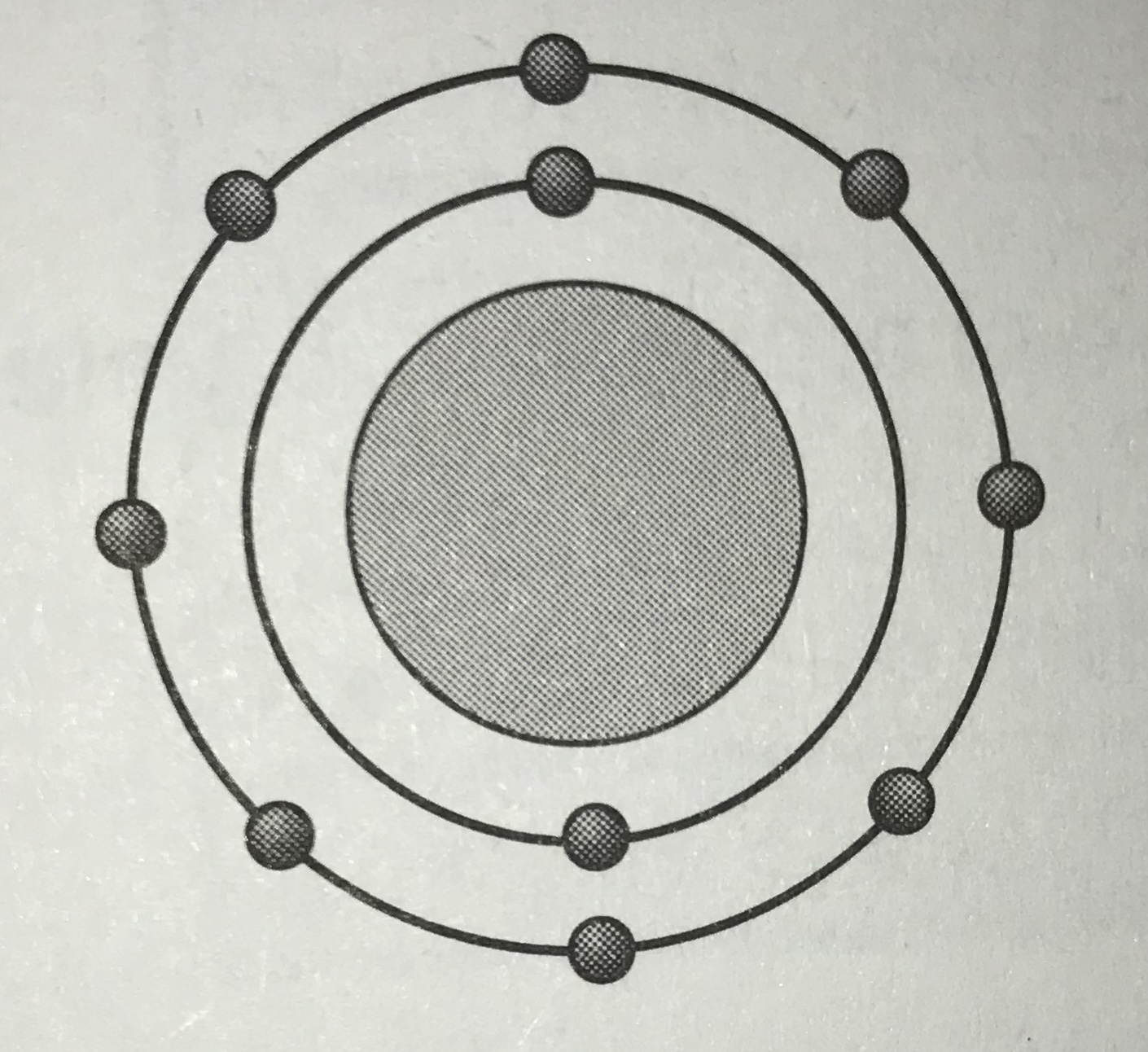
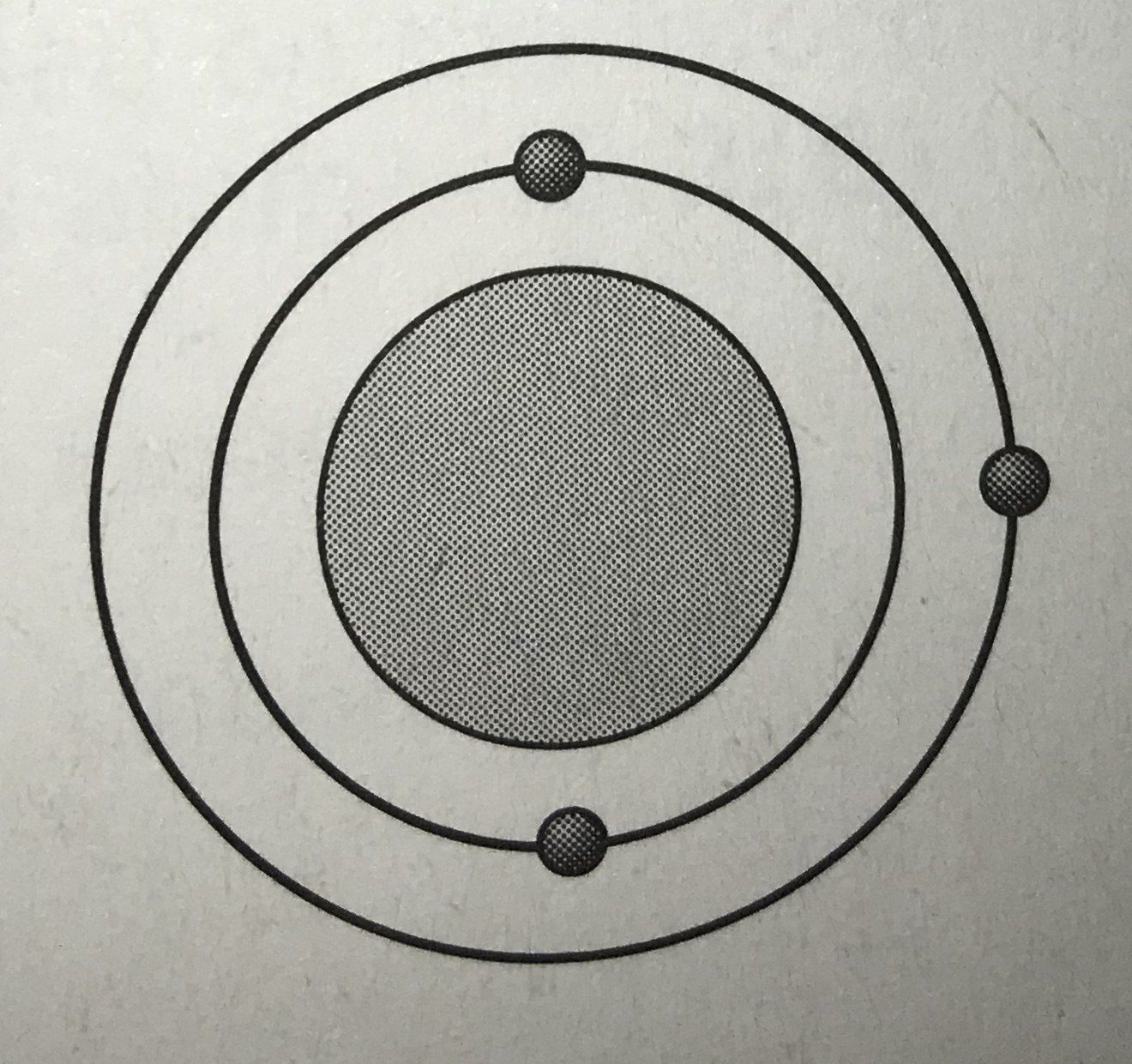
Evelyn and Benjamin are studying for their chemistry test. They come across fluorine and iodine on the periodic table. Avery, their tutor, asks them, 'Which characteristic is similar for fluorine and iodine?'
Number of protons
Number of neutrons
Number of orbitals
Number of valence electrons
Mia, Olivia, and Harper are studying chemistry. They learned that the atomic number of an element is equal to its number of protons. Therefore, they concluded that the number of protons determines an element's
Mass and atomic weight
Number of stable isotopes
Identity
State of matter

James, Arjun, and Jackson are studying for their chemistry exam. They come across an unknown atom in their study material. Based on the information they have, what could be the identity of this atom?
Fluorine (F)
Cobalt (Co)
Germanium (Ge)
Nickel (Ni)
During a science experiment, Oliver, Samuel, and Elijah were asked to identify a chemical equation that demonstrates the law of conservation of mass. Which of the following chemical equations that they wrote on the board shows that the total mass during a chemical reaction stays the same?
2Na + 2H2O → NaOH + H₂
3Fe + 4H2O → Fe3O4 + 2H2
2C2H6 +7O2 → 4CO2 + 6H2O
2NaOH + MgCl2 → 2NaCl + MgOH
Michael left his hammer outside for a long time. Anika noticed something on it. Which of the following best describes what Anika might have observed to indicate a chemical reaction has occurred?
The hammer broke into smaller pieces when Michael struck a rock with it.
Rust formed on the hammer.
The water in Harper's cup turned pink when a few drops of red food coloring were added.
A solid was formed when heat was removed from a sample of water.

Aiden, Hannah, Rohan and another student performed four different experiments by mixing various kitchen ingredients. Their results are shown in the table provided. In which experiment are new substances being formed?
Experiment 1
Experiment 2
Experiment 3
Experiment 4
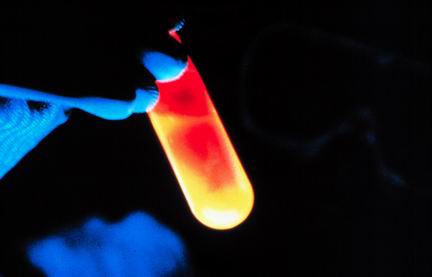
Sophia, Mia and Benjamin were conducting a science experiment. They observed various phenomena like light/heat production, gas production, formation of a precipitate and melting. Which of these observations does NOT indicate that a chemical reaction has occurred?
produces light/heat
production of a gas
formation of a precipitate
melting
Arjun, Grace, and Maya are conducting a science experiment with vinegar. They discover that vinegar contains a compound called acetic acid, which has the chemical formula CH3COOH.
Based on this formula, how many different elements are in acetic acid?
3
5
6
8
Emma is conducting a chemistry experiment. She starts with a reaction where Cu + 2AgNO3 → ________. Abigail and Daniel are observing and they need to figure out how many oxygen (O) atoms must be present in the products for the equation to be balanced. Can you help them?
2
3
5
6

