
NEW
Font size
 Worksheets
Mutations during Meiosis
Total questions: 14
Worksheet time: 7mins

Part of a chromosome is reversed.
Inversion Mutation
Deletion Mutation
Translocation
Duplication

Part of a chromosome is repeated
Gene Mutation
Point Mutation
Deletion Mutation
Duplication Mutation

Part of a chromosome
is deleted
Inversion Mutation
Translocation Mutation
Deletion Mutation
Crossing Over
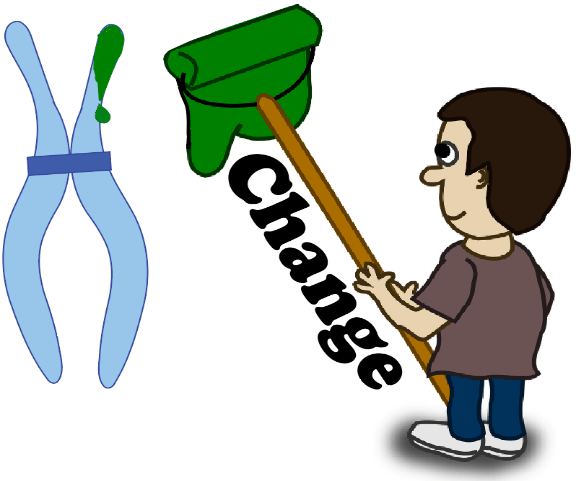
Mutations that involve parts of or all of
a chromosome
Replication
Deletion Mutation
Chromosomal Mutation
Transcription
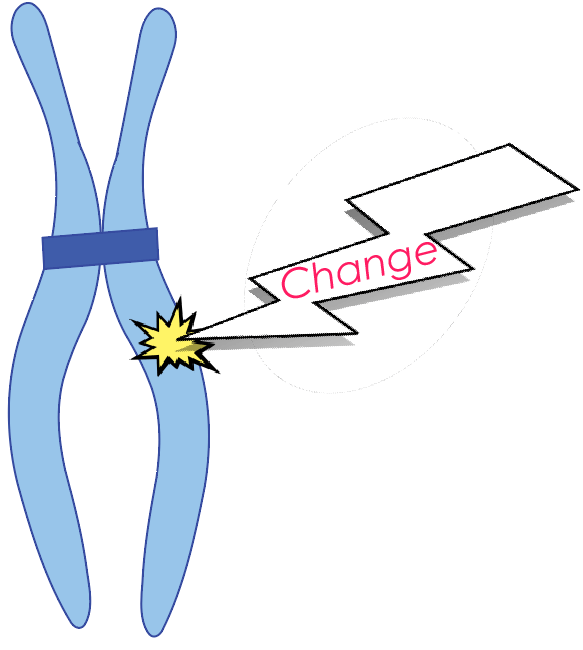
A change in a gene, group of genes or chromosome that results in a change in the proteins
Replication
Mutations
Translation
Transcription
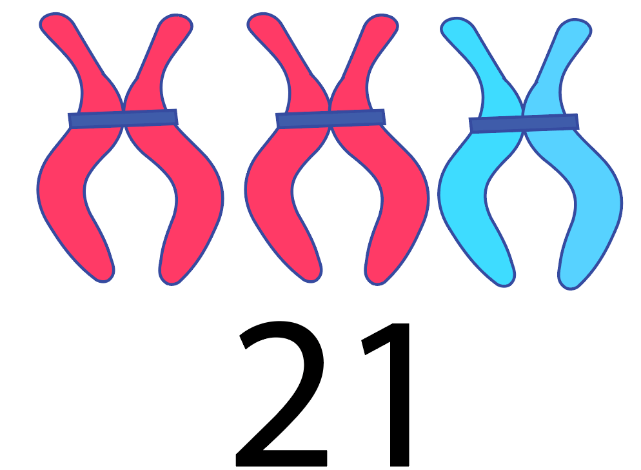
Condition caused by having an extra chromosome 21 during meiosis.
Individuals have a total of 47 chromosomes.
Also called Trisomy 21.
Turner Syndrome
Translocation
Hemophilia
Down Syndrome

Part of one chromosome is transported and attached
to a non-homologous chromosome
Inversion Mutation
Translocation Mutation
Duplication Mutation
Point Mutation
Sometimes mutations occur when cells are exposed to _________ such as radiation or chemicals
Mutagens
Mutations
Chromatids
Genetic disorders
What is an example of a mutagen?
Radiation
Fruit flies
An extra chromosome
Down syndrome

The image shows an example of a
chromosome
karyotype
genetic disorder
biology chart
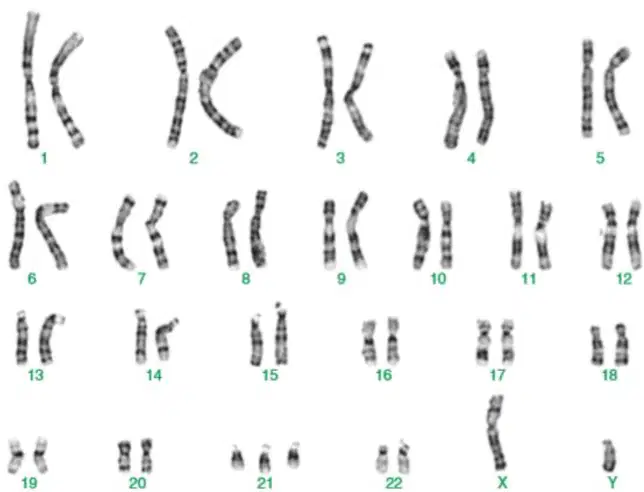
Which chromosome is affected in the karyotype shown?
1
6
21
Y
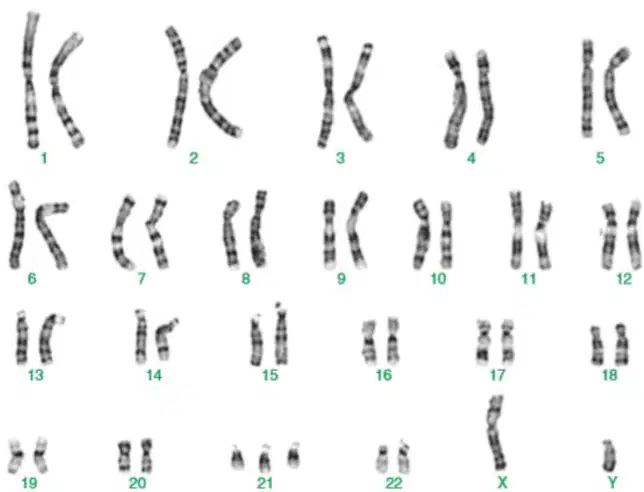
Looking at the karyotype provided, is this individual a male or a female?
Male
Female
You can't tell
Which chromosomes indicate an individual is a female?
XY
XX
FF
FM
Whole chromosome mutations can occur during
Meiosis I only
Meiosis II only
Both meiosis I and II
None of these

