
 Worksheets
Tchr Jessintha
Total questions: 16
Worksheet time: 8mins
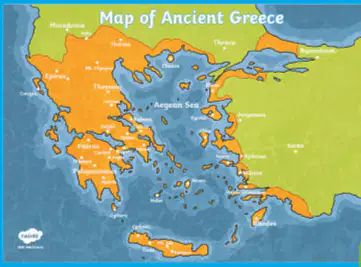
Who played an important role in building the empire in ancient Greek times?
King Edward and Alexander The Great
King Philip II and Alexander The Great
Alexander The Great
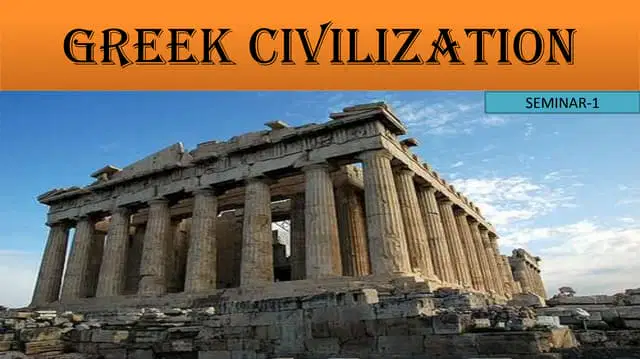
What things do people think about when ancient Greek civilisation is mentioned?
Philosophy, Democracy and Theatre
Mythology, Art and Literature
All of the above
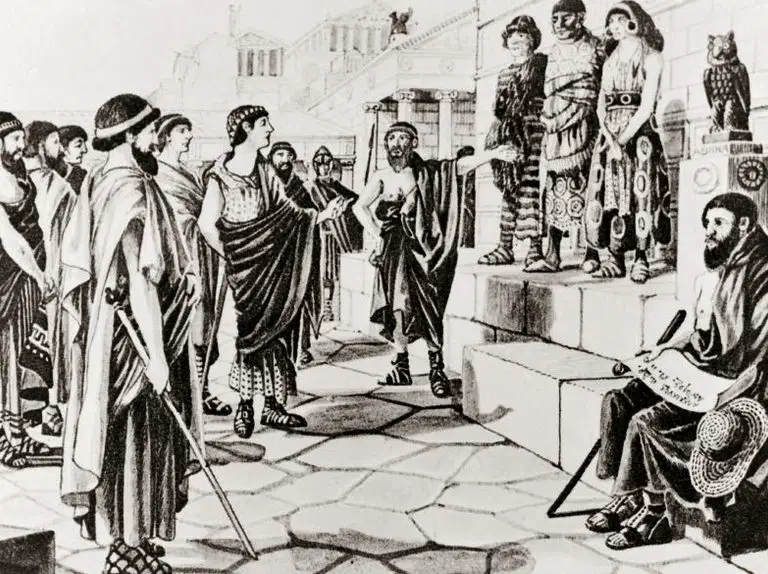
What is 'enslave'?
To treat someone else as if they are their relative.
To treat someone else with love and care.
To treat someone else as if they are their property.

How do you think a person came to be enslaved in ancient Greek times?
They were born to rich parents.
They passed an entrance test to the army.
The were captured as prisoners of war.
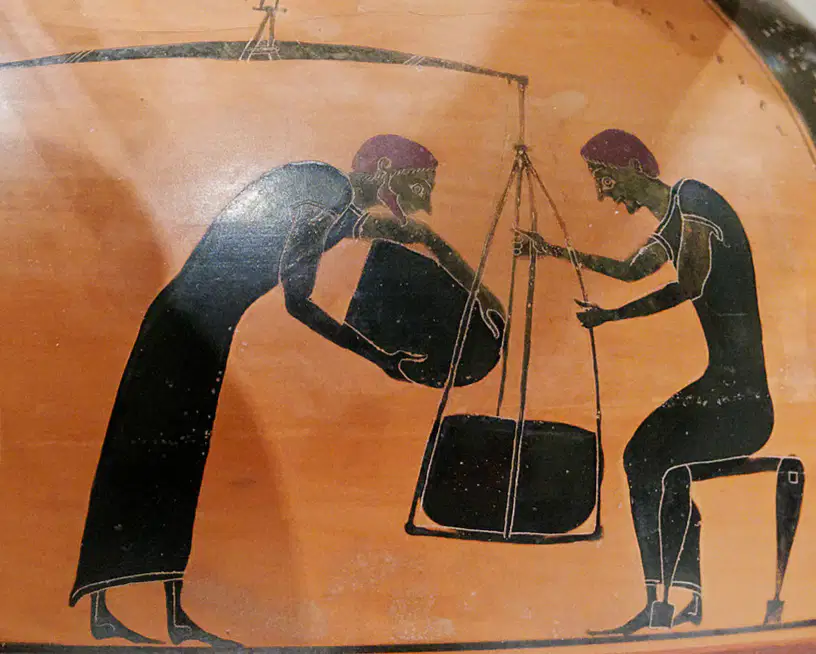
What 'product' was often the work of slaves in ancient Greece?
Pottery
Furniture
Ceramic

What did ancient Greeks wear on a daily basis?
Ancient Greece typically wore kaftans made of silk.
Ancient Greece typically wore plain cloth made of cotton.
Ancient Greece typically wore chitons or tunics made of linen or wool.

What were common foods in the ancient Greek diet?
Common food included bread, olives, fruits, vegetables and fish.
Common food included meat and grains.
Common food included grains, cereals and meat.

What were the roles of men and women in ancient Greek society?
Men were responsible for public life, while women managed the household.
Men managed the household, while the woman were responsible for public life.
Men and women handled both, public life and the household.
What is the purpose of The Andron for?
A holy place for grown-up to worship.
A theatre for adults to be entertained.
A clubhouse for men.
What games did ancient Greece children enjoy playing?
tennis, soccer and toys
dolls and balls
None of the above
What is a Primary Source?
A source that tells you about an event and is from the time of that event.
A source that tells you about an event but is from a time after the event.
A source that is unknown
Example of Secondary Sources
Textbooks, Dictionaries and Encyclopedia
Newspaper, Journals articles and Biographies
All of the above
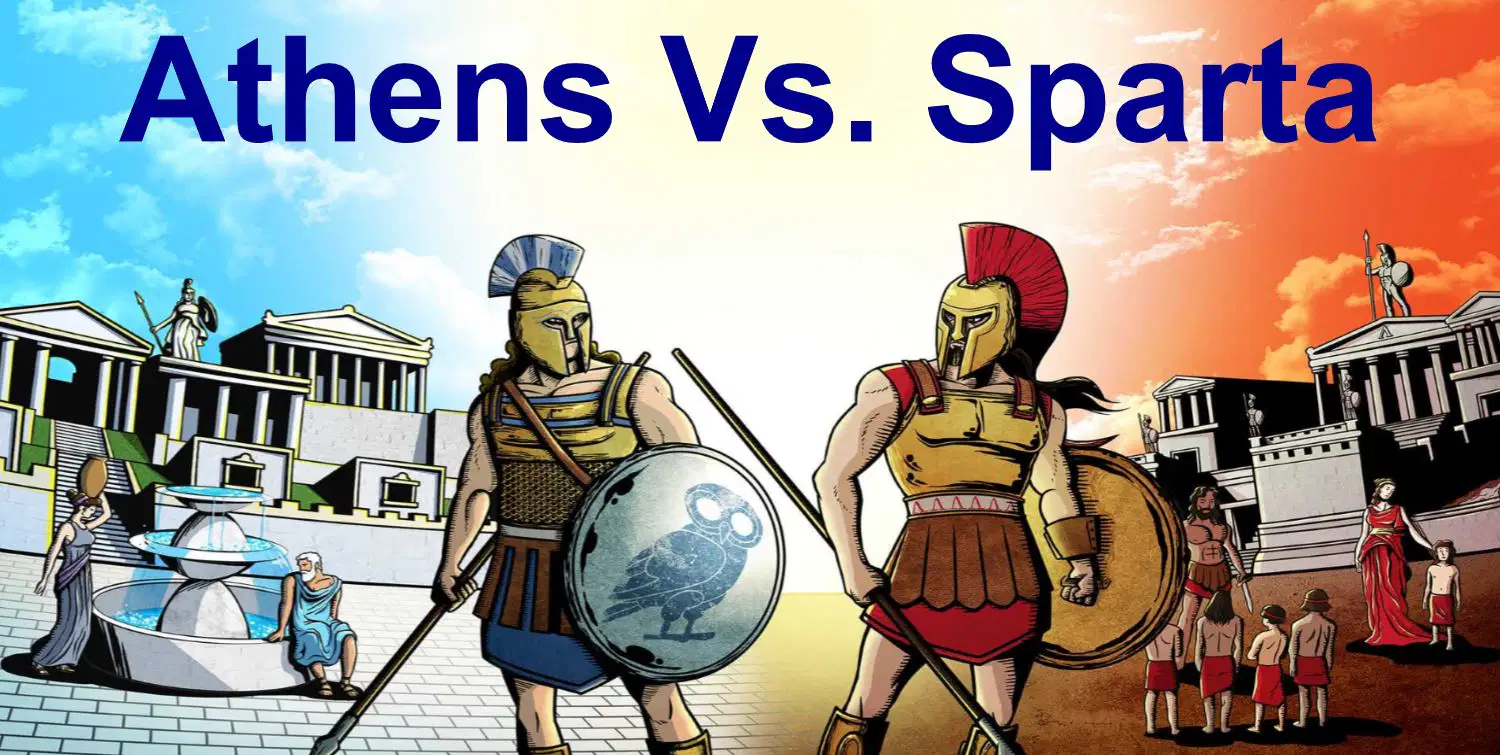
What was the difference government law in Athens and Sparta?
Athens and Sparta never formed any government law.
Sparta had slaves form a government law, while Athens had a military form a government law.
Athens had a democratic form of government, while Sparta had an oligarchic form of government law.

What was the Trojan War?
The Trojan War was a legendary conflict in ancient Greek mythology fought between the city of Troy and the Greeks.
The Trojan War was a legendary conflict in ancient Greek mythology fought between the Spartans and the Athens.
The Trojan War was a legendary conflict in ancient Rome mythology fought between the city of Troy and the Greek.
What were the causes of the Trojan War?
The immediate cause was the abduction of Sally, the wife of the Greek king Menelaus, by Paris, a prince of China
The immediate cause was the abduction of Helen, the wife of the Greek king Menelaus, by Paris, a prince of India.
The immediate cause was the abduction of Helen, the wife of the Greek king Menelaus, by Paris, a prince of Troy.
How did the Trojan War ended?
The Trojan War ended when the Greeks used a cunning tactic— the Trojan Horse.
The Trojan War ended when the Greeks used a cunning tactic— the Trojan House.
The Trojan War ended when the Greeks used a cunning tactic— the Trojan Herse.

