
 Worksheets
Unit 2
Total questions: 17
Worksheet time: 20mins
Match the following

schism

uniform

feudalism

manorialism

caliphate
Match the following

plague

missionaries

limited monarchy

crusades

serfdom

The (a) Code took all the disjointed, old Roman laws and organized them into a single new code.
El Código de ______ tomó todas las viejas leyes romanas disconectadas y las organizó en un solo código nuevo.
In the Justinian Code, punishments were (a) harsh than in the 12 Tables.
En el Código de Justinian, los castigos eran (menos/más) duros que en las 12 Tablas.

Reorder the following
Germanic tribes invaded Rome.
Las tribus germánicas invadieron Roma.
After Rome fell, the tribes established various kingdoms.
Después de la caída de Roma, las tribus establecieron varios reinos.
Germanic tribes converted to Christianity.
Las tribus germánicas se convirtieron al cristianismo.
Different people groups were united under a common religion (Christianity).
Diferentes grupos de personas se unieron bajo una religión común (el cristianismo).cacased
Organize the ways the Church increased its power into the following categories.
Organice las formas en que la Iglesia aumentó su poder en las siguientes categorías.
The rich gave their land to the Church. Los ricos dieron su tierra a la iglesia
The Church collected taxes on their land. La iglesia recaudaba impuestos sobre la tierra.
People relied on the church for safety. La gente confiaba en la Iglesia para su protección.
The Divine Right of Kings.
Missionaries spread Christianity. Los misioneros propagan el cristianismo.
Hope of an afterlife. Esperanza de después de la vida.
Illiteracy caused interest in art. El analfabetismo causó interés en el arte.
People used art to explain stories in the Bible. La gente usaba el arte para explicar historias
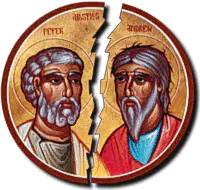
What is the MAIN reason for the split of the Church?
¿Cuál es la razón PRINCIPAL de la división de la Iglesia?
Catholicism worshipped icons and Orthodoxy rejected it
El catolicismo adoraba iconos y la ortodoxia lo rechazaba
The two churches have different leaders
Las dos iglesias tienen diferentes líderes
cultural differences
la diferencia cultural
differing opinions on religious matters
opiniones divergentes sobre cuestiones religiosas
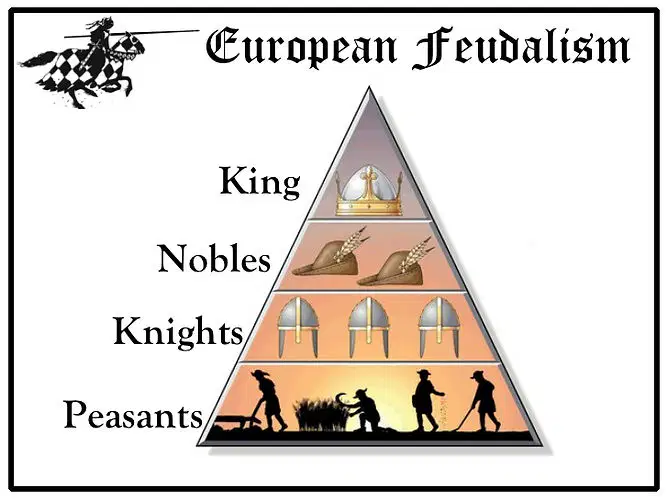
Feudalism is a _______ (political/economic) system.
El feudalismo es un sistema _______ (político/económico).
(a)

Manorialism is a ______ (political/economic) system.
Manorialism es un sistema ________ (político/económico).
(a)

Why was Feudalism necessary in the Middle Ages?
¿Por qué era necesario el feudalismo en la Edad Media?
Trade collapse, so people needed to be self-sufficient.
El comercio colapsó, por lo que la gente necesitaba ser autosuficiente.
People could no longer rely on the Roman Empire.
La gente ya no podía confiar en el Imperio Romano.
The King could not control all his land by himself.
El rey no podía controlar toda su tierra por sí mismo.
Everyone from all social classes were happy under a feudal system.
Todos de todas las clases sociales eran felices bajo un sistema feudal.
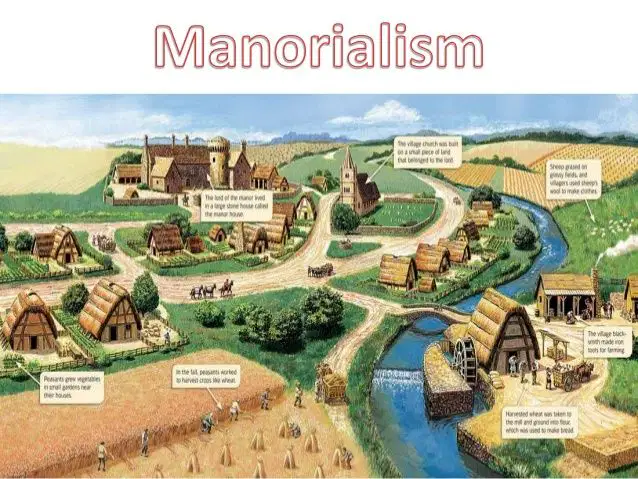
Why was the Manorial system necessary in the Middle Ages?
¿Por qué era necesario el sistema señorial en la Edad Media?
People could no longer rely on Rome.
La gente ya no podía confiar en Roma.
Trade collapse, so people needed to be self-sufficient.
El comercio colapsó, por lo que la gente necesitaba ser autosuficiente.
The King could not control all the land by himself.
El rey no podía controlar toda la tierra por sí mismo.
Everyone was happier under the Manorial system.
Todos eran más felices bajo el sistema Manorial.

(a) believe that (b) is the last prophet of (c) . The (d) is the sacred text in Islam.
(Los espacios en blanco) creen que (los espacios en blanco) es el último profeta de (los espacios en blanco). El (los espacios en blanco) es el texto sagrado del Islam.
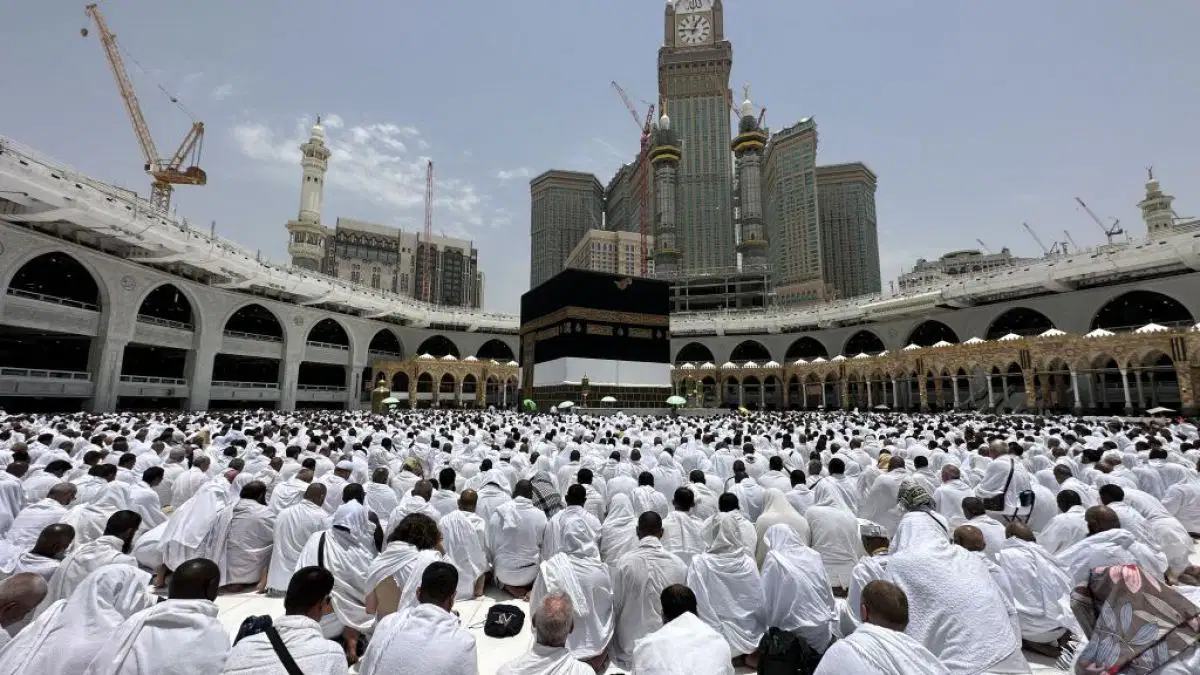
Traveling to (a) is one of the (b) known as the (c) .
Viajar a (espacio en blanco) es uno de los (espacio en blanco) conocidos como el (espacio en blanco).

Which of the following is NOT an effect of the Crusades?
¿Cuál de los siguientes NO es un efecto de las Cruzadas?
The break down of the feudal system.
La ruptura del sistema feudal.
Decreased influence of the Catholic Church.
Disminución de la influencia de la Iglesia Católica.
Increase in population of Europe.
Aumento de la población de Europa.
Increased trade between Europe and the rest of the World.
Aumento del comercio entre Europa y el resto del mundo.

Cause and Effect Timeline of the Black Death.
Priests died and prayers weren't answered.
Los sacerdotes morían y las oraciones no eran respondidas.
People stopped trusting the Church.
La gente dejó de confiar en la Iglesia.
The Church lost power.
La Iglesia perdió el poder.
The Middle Ages ended.
La edad media terminó.
What three things defined the middle ages?
The end of the feudal system, the Church having a lot of power, no trade between Europe and the rest of the world
Feudalism, the Church having a lot of power, no trade between Europe and the rest of the world
Feudalism, the kings having all the power, no trade between Europe and the rest of the world
Feudalism, the Church having a lot of power, increased trade between Europe and the rest of the world
What is the most important part of the Magna Carta?
The king does not have to obey the law.
It freed serfs.
It protected the rights of women.
It made the king obey the law.

