
Font size
 Worksheets
World War I and Progressive Era
Total questions: 194
Worksheet time: 5hrs 29mins
Which political party are the farmers associated with?
The Populists
The Progressives
The Federalists
The Whigs
What was the immediate cause of the start of World War I?
The assassination of Archduke Franz Ferdinand of Austria
The sinking of the Lusitania by Germany
The developing arms race between the U.S. and Germany
The outbreak of the communist Russian Revolution
What is the effect of the events listed above?
World War I begins
The U.S. joins the Central Powers
President Wilson issues his Fourteen Points
U.S. enters into World War I
What is an elaboration President Wilson provides for the U.S. entering World War I?
President Wilson is asking for the United States to enter World War I against Germany because the other nations fighting against the Germans are losing.
Germany has violated the U.S.’s freedom of the seas, put innocent lives in danger, and it is the duty of the country to make the world a safer place.
Germany is planning to use gas and chemical warfare on soldiers and to continue to use submarines to attack enemy warships carrying soldiers.
In his war message, President Wilson describes how Germany has attacked and caused the loss of property and life in the United States.
Which of these describes one way WWI affected the United States?
The U.S joined the League of Nations as a world leader.
The U.S. returned to a policy of isolationism.
The U.S. entered into the Great Depression.
The U.S. suffered more casualties than any other nation.
What is one conclusion about the effects of the Treaty of Versailles supported by the cartoon?
The U.S. Senate wanted the USA to have strong ties through the League because of the Treaty of Versailles.
European nations and other foreign nations want the League of Nations to help the United States.
Many people thought the League of Nations' portion of the treaty would threaten U.S. independence.
The Treaty of Versailles and the League of Nations were popular ideas in post WWI America.
What is the most reasonable explanation for the defeat of the Treaty of Versailles?
The U.S. Senate felt that the treaty was clearly unfair to Germany and her allies and did not treat all nations involved equally.
Since Republicans dominated the Senate and President Wilson was a Democrat, this group refused to support anything that the President proposed.
Many senators believed that the United States did not enter World War I soon enough and they helped defeat the treaty because only Congress can declare war.
The U.S. Senate was concerned that the U.S. was giving up too much of its constitutional power and could be drawn into another war.
Which of the following best summarizes the impact of the 16 Amendment?
Organized crime increased due to the prohibition of the manufacture, sale, or distribution of alcohol.
The federal government would no longer have to rely on tariffs for income.
Senators were now more responsible to the people and not big business.
Women now had a greater voice and influence in the government.
Which of the following describes the term referendum?
During this process, legislators pass a law and place it on the ballot for approval or rejection by voters.
This reform allows citizens to propose and pass a law directly without involving the state legislature.
This process permits voters to remove an elected official from office before his or her term expires.
This reform created the right to vote in a political election or in elections to pass state or federal laws.
What effect did the sinking of the Lusitania have on World War I?
Germany joined the Central Powers.
U.S. public opinion shifted against Germany.
Germany refused to join the League of Nations.
U.S. leaders proposed a military alliance with Germany.
What long-term cause of World War I was President Wilson trying to eliminate?
Militarism
Alliance system
Imperialism
Nationalism
Which cause of U.S. entry into World War I does the cartoon illustrate?
The United States promised to protect Mexico from German invasion.
The Zimmermann Note [Telegram] promised Mexico would get land from the U.S.
President Wilson supported entering WWI and sent troops to find Pancho Villa in Mexico.
Mexico and the United States entered into an alliance to defeat Germany in WWI.
The box below gives information about a political party. • Farmers' Alliance • Opposed the Gold Standard • Pro-inflation of Agriculture Prices • Closely associated with Populism • Anti-elitist • Ran from 1891 to 1908 What political party, closely associated with Populism, is described by the box?
Greenback Party
People's Party
Socialist Party
Free Soil Party
Which combination of contributing factors led to World War I?
Socialism, nationalism, capitalism, and militarism
Militarism, communism, imperialism, and nationalism
Mutual defense alliances, communism, imperialism, and fascism
Nationalism, militarism, imperialism, and mutual defense alliances
Initially, the United States wanted to stay out of the war in Europe in 1914 because of —
a foreign policy based upon neutrality.
the need to rebuild after the Civil War.
a lack of strong military support.
the high cost of transporting troops.
The arms race leading up to World War I was an indication of the rise in —
capitalism.
militarism.
nationalism.
imperialism.
William Jennings Bryan was a Democrat who championed the rise of the —
socialist wing of the Democratic Party.
conservative wing of the Democratic Party.
liberal wing of the Democratic Party.
populist wing of the Democratic Party.
The Progressive Movement supported the idea that the federal government should —
reduce the number of farms.
reduce immigration.
build an overseas empire.
regulate big business.
Progressive Era reforms such as the initiative, referendum, and recall attempted to —
increase the power of citizens in state and local government.
expand voting rights to Native Americans.
provide low-interest loans to farmers.
reestablish the system of checks and balances.
Match each progressive president with his description.
Teddy Roosevelt
wanted to break up trusts like Standard Oil, believed in conservation, wanted "Square Deal"
William Taft
worked against child labor, created 8-hour workday, but raised taxes
Woodrow Wilson
created Federal Trade Commission and Federal Reserve Act
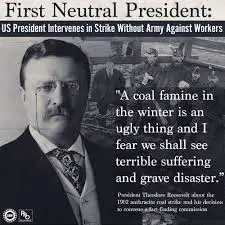
During the coal strike of 1902, whose side did Roosevelt take?
mine owners
coal miners
What is the name of Teddy Roosevelt's promise that everyone from farmers and consumers to workers and owners should have the opportunity to succeed.
Opportunity for All
Square Deal
Fair Shake
Equal Share
Put the Progressive Presidents in the order they served.
Teddy Roosevelt
William Taft
Woodrow Wilson
In the election of 1912, who ran for the Progressive, or "Bull Moose" party?
Teddy Roosevelt
Woodrow Wilson
William Taft
Teddy Roosevelt became president after (a) was assassinated.
In the election of 1912, who ran for the Democratic Party?
Teddy Roosevelt
Woodrow Wilson
William Taft
In the election of 1912, who ran for the Republican Party?
Teddy Roosevelt
Woodrow Wilson
William Taft
Match each president to his picture.

Woodrow Wilson

William Taft

Teddy Roosevelt

Under which president was the Federal Trade Commission formed?
Taft
Wilson
Roosevelt
Match the following terms to their description.
Clayton Antitrust Act
banned businesses from limiting competition and stopped antitrust laws use on unions
Federal Reserve Act
set up a system of federal banks and gave government power over interest rates
Pure Food and
Drug Act
required food and drug makers to list all ingredients on packages
Put the Progessive Presidents in the order they served.
Teddy Roosevelt
William Taft
Woodrow Wilson
Under which president was the U.S. Forest Service formed?
Taft
Wilson
Roosevelt


Famer's Political Party
A.I.M.
Populists
Chicanos
Famer's Unite

Reforming means
Changing something for the better
Controlling something
Buying something
Approving Something

Conservation is-
when a country's trade and industry are controlled by private owners for profit
using vigorous campaigning to bring about political or social change
protection of natural resources
the unjust or prejudicial treatment of different categories of people
Suffrage is -
the right to vote
the right to suffer
the right to live
the right to speak

What do reforms like initiatives, referendums, and recalls attempt to do?
give the people more power over the government
limit citizenship rights like voting
provide low interest loans to farmers
establish a system of checks and balances

Who outlined the Progressive reforms of the American public and gave his presidential campaign the name "Square Deal?"
William Howard Taft
Woodrow Wilson
William McKinley
Theodore Roosevelt

16th Amendment
Women's Suffrage
Direct Election of Senators
Federal Income Tax
Prohibition

17th Amendment
Women's Suffrage
Direct Election of Senators
Federal Income Tax
Prohibition

In the cartoon above, President Theodore Roosevelt is depicted doing which of the following?
Standing guard to protect big business
Enforcing the Sherman Anti-Trust Act
Leading a government take-over of large industries
Putting an end to industries that might harm the environment

A major purpose of the Progressive movement (1900-1917) was to....
stimulate the economy
support government control of factory production
encourage immigration from southern and eastern Europe
correct the economic and social abuses of industrial society
By using initiatives, who has a more direct influence on lawmaking?
Presidents
Lawyers
Citizens

Why was the 16th Amendment created?
So that the police can search people's vehicles.
American citizens who earn more money should pay taxes at higher rates.
Gives American Citizens the right to free speech
What do you call a change to the Constitution?
amendment
introduction
preamble
articles
What is ammendment 1
Freedom of religion, press, speech, assembly, petition
right to speed and not get pulled over
refuse to go to court when summoned
What was the Great Depression?
A period of economic success and an improving economy
The worst economic catastrophe in U.S. history
A period of time that witnessed American involvement in violent foreign wars
A hotly contested presidential election
Everyone rushed to sell stocks at one time causing the what of 1929?
Civil War
Stock Market Crash
Revolutionary War
During the Great Depression, ______.
many Americans lost their jobs
many Americans had little money
many farmers lost their land to drought
a, b, and c
Homeless people built shacks towns out of any materials they could find. These were known as...
Hoover flags
Hoovervilles
Hover tenements
The Dust Bowl took place in the
The Costal Plains
The Great Plains
California
South Texas
What was President Roosevelt's plan for getting the United States out of the Great Depression?
The New Deal
The Relief, Recovery,Reform Act
The Alphabet Agencies
FDR's Deal

Where could people go to get a free hot meal?
Hoovervilles
Banks
McDonalds
Soup kitchens

Which president was blamed for making the Great Depression even worse?
President Roosevelt
President Hoover
President Bush
President Coolidge
What best describes a way in which the Great Depression affected the lives of kids?
Many people moved from shantytowns to the suburbs.
Many children quit school to help their families earn money.
More people got married immediately after finishing school.
Farmers and businessmen were hurt by the rising crop prices
In what ways did the New Deal help Americans?
It improved education for all citizens
It helped people pay taxes
It provided jobs, food, and shelter for those in need
It protected people from discrimination
How did President Franklin Roosevelt tell the American people about his New Deal?
Only in newspapers
On the radio - fireside chats
TV
Which present day program was created during the Great Depression to provide elderly and disabled citizens income help?
Securities and Exchange Commission
Social Security Administration
Federal Deposit Insurance Corporation
Federal Housing Administration
A national policy of avoiding involvement in world affairs
Nativism
Isolationism
New Deal
Progressive
Gave women the right to vote
18th Amendment
Prohibition
19th Amendment
Repeal
A system for buying and selling shares of companies
Prohibition
Stock Market
New Deal
Flapper
A drought in the 1930s that turned the Great Planes very dry.
Evict
Drought
Prairie
Dust Bowl
October 29, 1929 became known as ________________ after the prices of stocks fell sharply.
Black Tuesday
Black Wednesday
Black Thursday
Black Friday


What problem were both the Civilian Conservation Corps (CCC) and the Works Progress Administration (WPA) developed to address?
Excessive stock market speculation
High unemploment
Increased use of credit
Overproduction of goods
(a) was the president at the start of the Great Depression. (b) ended was the president during the majority of the Great Depression
Who was the president that came up with the "New Deal"?
Herbert Hoover
Franklin D Roosevelt
Theodore Roosevelt
During the Great Depression, who wanted a "share the wealth" plan?
Huey Long
Francis Townsend
Charles Coughlin
Herbert Hoover
After the Stock Market Crash of 1929, what did President Hoover recommend for Americans?
Withdraw all of your money from the banks
Take advantage of the stock "sale" and buy more
Handle business as usual
He Ignored it and didn't recommend anything
Which of the following was not a goal of the New Deal?
Reform
Relief
Recovery
Retirement
During the Great Depression, neighborhoods of shacks would be known as...
Shantytowns
Hoovervilles
Ghettos
Projects
Who primarily benefited from the 2nd New Deal (1934-1941)?
Big Pharma
Big Business
Small Farms + Labor
Oil industry
Where could people go to get free or reduced-price food?
Restaurants, right before closing
City Hall
Schools
Soup Kitchens
True or False: Conditions for Minorities improved during the Great Depression
True
False
How did Hoover handle the Bonus Army?
The US Army was sent in
The protesters gave up
He personally paid them their bonus
Congress and the veterans compromised
What percentage of Americans had invested in the stock market by the end of the 1920s?
10%
25%
30%
50%
___________ is the practice of using borrowed funds from a broker to trade a financial asset.
Saving
Margin
Speculation
Investing
During the Great Depression, who demanded a "living wage"?
Francis Townsend
Herbert Hoover
Huey Long
Charles Coughlin
What was Black Tuesday?
A massive sale that companies held once a year
The day the Dust Bowl hit
The 1929 collapse of the Stock Market
The total eclipse of 1929
How did Hoover win the 1928 election?
He emphasized the years of prosperity under previous Republicans
Americans were looking for a change
He ran unopposed
He was known as a "man of action"
What was the bank run?
A 5k run sponsored by the big banks
People wanting to give as much money as possible
Banks running out of paper
Americans withdrawing all of their money from the banks
Unemployment reached its peak at what percentage?
10
25
50
75
What factor did not contribute to the Dust Bowl?
The Hoover Dam
Overgrazing
Unusual Weather Conditions
Overplowing
Who primarily benefited from the 1st New Deal (1933-1934)?
Consumers
Nobody
Agricultural Business + Big Business
banks
Which of these was NOT a reason Conservatives opposed the New Deal?
It increased the power of the presidency
It added to the National Debt
It didn't go far enough
It encouraged idleness
During the Great Depression, who wanted a program to pay unemployed people over the age of 60 every month?
Francis Townsend
Charles Coughlin
Herbert Hoover
Huey Long
Why did FDR try and purge the Democratic party?
Many of them were communists
He wanted more of his close friends in congress
They were too old
They were too conservative
During the Great Depression, who wanted a "share the wealth" plan?
Huey Long
Francis Townsend
Charles Coughlin
Herbert Hoover
After the Stock Market Crash of 1929, what did President Hoover recommend for Americans?
Withdraw all of your money from the banks
Take advantage of the stock "sale" and buy more
Handle business as usual
He Ignored it and didn't recommend anything
Which of the following was not a goal of the New Deal?
Reform
Relief
Recovery
Retirement
During the Great Depression, neighborhoods of shacks would be known as...
Shantytowns
Hoovervilles
Ghettos
Projects
Who primarily benefited from the 2nd New Deal (1934-1941)?
Big Pharma
Big Business
Small Farms + Labor
Oil industry
Where could people go to get free or reduced-price food?
Restaurants, right before closing
City Hall
Schools
Soup Kitchens
True or False: Conditions for Minorities improved during the Great Depression
True
False
How did Hoover handle the Bonus Army?
The US Army was sent in
The protesters gave up
He personally paid them their bonus
Congress and the veterans compromised
What percentage of Americans had invested in the stock market by the end of the 1920s?
10%
25%
30%
50%
___________ is the practice of using borrowed funds from a broker to trade a financial asset.
Saving
Margin
Speculation
Investing
During the Great Depression, who demanded a "living wage"?
Francis Townsend
Herbert Hoover
Huey Long
Charles Coughlin
What was Black Tuesday?
A massive sale that companies held once a year
The day the Dust Bowl hit
The 1929 collapse of the Stock Market
The total eclipse of 1929
How did Hoover win the 1928 election?
He emphasized the years of prosperity under previous Republicans
Americans were looking for a change
He ran unopposed
He was known as a "man of action"
What was the bank run?
A 5k run sponsored by the big banks
People wanting to give as much money as possible
Banks running out of paper
Americans withdrawing all of their money from the banks
Unemployment reached its peak at what percentage?
10
25
50
75
What factor did not contribute to the Dust Bowl?
The Hoover Dam
Overgrazing
Unusual Weather Conditions
Overplowing
Who primarily benefited from the 1st New Deal (1933-1934)?
Consumers
Nobody
Agricultural Business + Big Business
banks
Which of these was NOT a reason Conservatives opposed the New Deal?
It increased the power of the presidency
It added to the National Debt
It didn't go far enough
It encouraged idleness
During the Great Depression, who wanted a program to pay unemployed people over the age of 60 every month?
Francis Townsend
Charles Coughlin
Herbert Hoover
Huey Long
Why did FDR try and purge the Democratic party?
Many of them were communists
He wanted more of his close friends in congress
They were too old
They were too conservative

What is this a picture of
Rain
Dust storm
Hurricane
Tornado
Complete this sentence...
During the ________ a terrible drought struck
2000's
1950's
1930's
1800's
What area of the country did a terrible brought hit
California
New York
Arizona
Texas /Great Plains
A series of dust storms is known as a _______ __________
Dust Bowl
Dust Up
Bas Weather
Rain Cloud
The cause of a "Dust Bowl" can be man-made or natural
True
False
Select 2 things that can lead to eroded topsoil and eventually dust storms
(2 answers)
Over Farming
Flooding
Outdated Agriculture
Snow and Ice
What were the severe Dust Storms called
Snow Blizzards
Black blizzards
Lions
Dark Skies
The worst Dust Storm ever recorded was referred to as Black _______
Monday
Thursday
Tuesday
Sunday
After the most severe Dust Storm, where did they find dust 300 miles away
Florida
Ships
Canada
Office Buildings
How many Trees did the CCC plant to help recover from the many dust storms
1 Thousand
1 hundred
60 Million
200 million
Select 2 of the 4 main parts of the environment
Outer Space
Land
Water
Fish
Select 2 of the 4 main parts of the environment
Biosphere
Stratosphere
Dogs
Atmosphere
How many classifications of water are there?
10
2
6
1
Water that is found in oceans, lakes, rivers, and streams is classified as...
Air Water
Ground Water
Surface Water
Drinking Water
Select ALL the places you find "Ground Water"
Underground Cracks
Underground Soil
Underground Rock Layers
Trees
Select the pictures that are considered "Limited Resources"


Define Dust Bowl.
area of the Midwest during the 1930's because of a severe drought.
area of the Southeast during the 1920's because of terrible dust storms.
area from Canada to Texas in the 1930's with severe storms.
A drought was _________________________________.
A period of heavy rain and flooding.
A period that was extremely dry and dusty.
A period where people experienced a bountiful harvest.
A drought was _________________________________.
A period of heavy rain and flooding.
A period that was extremely dry and dusty.
A period where people experienced a bountiful harvest.
Define Dust Bowl.
area of the Midwest during the 1930's because of a severe drought.
area of the Southeast during the 1920's because of terrible dust storms.
area from Canada to Texas in the 1930's with severe storms.
A drought was _________________________________.
A period of heavy rain and flooding.
A period that was extremely dry and dusty.
A period where people experienced a bountiful harvest.

Check the best answer to fill in the blank.
Black Blizzards were ________________.
when the sun did not come out for days due to heavy cloud cover and dark rain.
Snow that was so heavily mixed with soil that it looked black.
giant dust storms that people could not see through.
Check the box that best fills in the blank.
Black Sunday was __________________________________.
The great storm that hit Galveston in 1900.
The storm with great walls of dust and high speed winds that engulfed entire cities and regions.
The tax day flood.
Check the box that best fills in the blank.
Okies were______________________.
People that farmed and were forced to move their crops.
Farmers that moved from the Dust Bowl to California.
Farmers that strung a clothesline between their house to find their way back.
Which state was NOT part of the Dust Bowl?
California
Oklahoma
Colorado
Texas
Which of the following did NOT lead to the Dust Bowl?
A severe drought.
Soil was used for growing wheat.
Land was used for cattle.
The government planted trees.
How did California react to the "Okies"?
They were welcoming and helped provide jobs for them.
They did not appreciate all the poor people coming and outlawed them.
They created a program to help them get back on their feet.
They built homes to hold the massive influx of them.
Why did the federal government plant around 200 million trees between 1934 and 1942?
To provide jobs for the "Okies" who came to California.
To make the soil more nutrient-rich.
To create a windbreak to protect the soil from wind evaporation.
To help farmers who had suffered losses during the Dust Bowl.

Around how many years did the Dust Bowl last?
2
10
20
25

Did African Americans find equality when they moved?
Yes
No
What were small farmers in the South farmers who rented their land and homes known as
Sharecroppers
Land agents
Merchants
Investment Bankers
How did the Harlem Renaissance influence the world? Click all that apply
it only had an impact on the immediate area of New York
it spread from the area of Harlem to other parts of the nation
it not only influenced African Americans, but other cultures as well


Who wrote "What a Wonderful World"
Duke Ellington
Fats Waller
Jelly Roll Morton
Louis Armstrong
Which action was evidence that the prosperity of the roaring 20s was an illusion?
the buying and selling of stocks
the overproduction of consumer goods
the sharp increase in the birth rate
the widespread use of buying on credit
What technological advancement contributed most to the growth of towns and cities in the 1920s & 1930s?
electric lights
automobile
radio
telephone

Checking for Understanding: In the 1920s, Harlem became an important neighborhood for Black Americans because . . .
Black Americans were legally forced to move to Harlem when they arrived in New York City.
Black Businessmen bought up real estate here and leased to Black tenants.
Many migrants from the north moved to this neighborhood.
What were small farmers in the South farmers who rented their land and homes known as
Sharecroppers
Land agents
Merchants
Investment Bankers
This Poet is one of our most famous American poets. He is known for writing poems like, Harlem and Mother to Son. What is his name?
Langston Hughes
Robert Frost
William Shakespeare
Darius Rucker
Blues singer
Bessie Smith
Jazz musician - trumpet player
Louis Armstrong
Jazz musician - composer and conductor
Duke Ellington
African American poet - The Ways of White Folks
Langston Hughes
African American painter - The Great Migration
Jacob Lawrence

What is a possible theme of the poem?
Hold fast to dreams
For if dreams die
Life is a broken-winged bird
That cannot fly.
Hold fast to dreams
For when dreams go
Life is a barren field
Frozen with snow.
Dreams can lead a person in the wrong direction.
Dreams can disappoint people.
Dreams can be difficult to achieve.
Dreams can give people a purpose in life.
African Americans fled from the South in pursuit of
jobs, higher wages, better benefits, bigger cities
jobs, higher wages, escape racism, better education
jobs, higher wages, more hospitable climate, escape slavery
Jobs, higher wages, escape slavery, better education
What impact did the Great Migration have on American culture and society?
It led to the resurgence of the Ku Klux Klan
It challenged prevailing stereotypes and prejudices about black Americans
It dismantled voting rights through tactics like literacy tests and the grandfather clause
It fostered a sense of racial pride and encouraged black individuals to resist their subservient roles in society

