
 Worksheets
Interactions and Adaptations Quiz
Total questions: 23
Worksheet time: 49mins
When different species live together.
symbiosis
habitat
competiton
predation
A symbiotic relationship where both organisms benefit.
mutualism
commensalism
parasitism
predation
A symbiotic relationship where one organism benefits and the other is harmed.
parasitism
mutualism
commensalism
predation
A symbiotic relationship where one organism benefits and the other is unharmed.
commensalism
mutualism
apex predator
parasitism
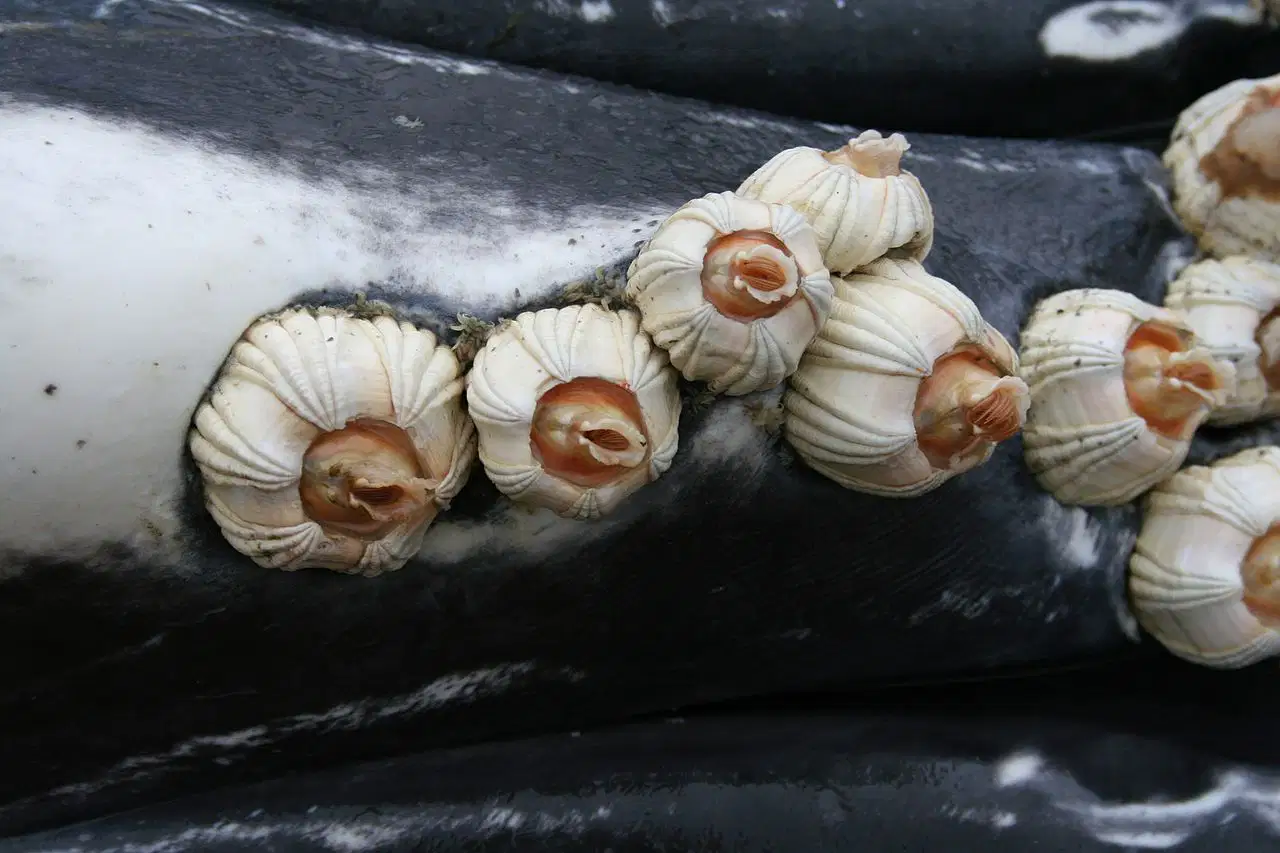
Barnacles create home sites by attaching themselves to whales. As the barnacle is a filter feeder, it also gets access to more water (and more food) due to the relationship. Whale is unaffected.
symbiosis
parasitism
mutualism
commensalism

Tapeworms reside in human intestine and take nutrients from the human
symbiosis
parasitism
mutualism
commensalism
E. Coli is a bacteria that lives in the gut of humans. The human provides the ideal habitat for e coli reproduction and the e coli provides the extra vitamin K that we use.
symbiosis
parasitism
mutualism
commensalism

The tick feeds off the blood of the deer.
symbiosis
parasitism
mutualism
commensalism
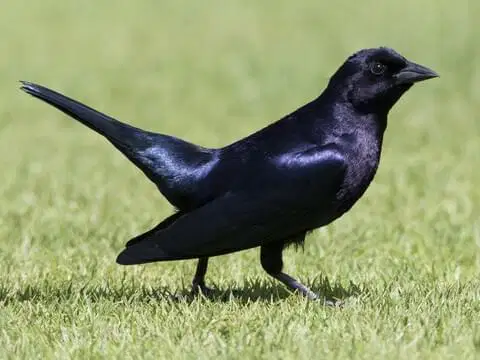
As bison walk through grass, insects become active and are seen and eaten by cowbirds. Nothing happens for the bison.
symbiosis
parasitism
mutualism
commensalism

Josie likes to visit the park in her neighborhood to watch hummingbirds. Based on the beak of the hummingbird, what does it most likely eat?
Fish
Nuts
Insects
Flower Nectar

Bullfrogs are Florida’s largest frog. Frogs spend part of their life cycles in water and part on land. Which physical characteristic is most useful for a water environment?
Thin skin
Large eyes
Webbed feet
Long, strong legs
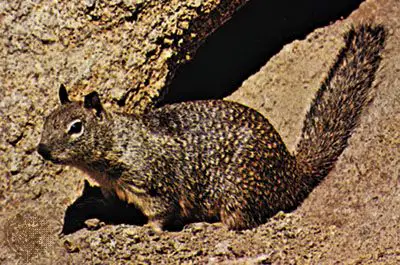
In the fall, a ground squirrel will store the energy from food as a thick layer of fat. What is most likely the reason for this adaptation?
It keeps the animal from being exposed to diseases in winter.
It keeps the animal from being eaten by predators that hunt during winter.
It helps the animal get exercise during winter when it is snowing.
It helps the animal survive a cold winter when there is very little food.
Plants have various adaptations for survival. Some adaptations protect plants by discouraging animals from eating the flowers. Which of these is an adaptation that protects a rose from animals?
Tall stems
Sharp thorns
Large leaves
Soft flower petals
Physical characteristics that help an organism survive are called:
Habitats
Extinction.
Adaptations.
Learned behaviors.
Reorder the following taxonomic Categories from least related (General) to most related (Specific)
Class
Order
Family
Genus
Species
A group of organisms that look alike and can reproduce among themselves naturally in nature is known as a:

Predator and prey populations are linked. For example, if the number of prey decreases, then the number of predators will ___________
increase
decrease
stay the same



