
 Worksheets
Foundations of Government
Total questions: 30
Worksheet time: 15mins
The social contract is an agreement between:
the government & the king
the people & the government
the people & the church
the government & the courts
Which philosopher focused on natural rights and the social contract?
Jean-Jacques Rousseau
Voltaire
Baron de Montesquieu
John Locke
John Locke's ideas came be found in which document?
Declaration of Independence
U.S. Constitution
Florida's Constitution
Magna Carta
The U.S. Constitution used the ideas of which Enlightenment thinker?
Galileo
John Locke
Montesquieu
Jean-Jacques Rousseau
Which two documents limited the power of the king & gave rights to the people?
Magna Carta
Thomas Paine's Common Sense
Mayflower Compact
English Bill of Rights
What are two things the United States government copied from the English Bill of Rights?
Freedom of religion
Right to bear arms
Freedom of speech
Right to remain silent
Which characteristic did the government of the city-state of Athens in ancient Greece share with the government of Rome?
Republicanism
Civic Participation
Separation of Powers
representative government

The diagram below shows the impact of an important tradition.
Which of the following phrases BEST completes the diagram above?
Voting rights
Separation of Powers
Ideas of justice
Representative government

The principle of _______ meant that all of Rome’s citizens would be treated equally.
representative democracy
checks and balances
rule of law
civic participation
The involvement of citizens in the government of their community
Civic Participation
Citizenship
Assemblies
Sedition
a pamphlet published by Thomas Paine in 1776 to convince the American colonists to support becoming independent from England
Magna Carta
Mayflower Compact
English Bill of Rights
Common Sense
John Locke had the idea of _______, which stated that individuals are born with basic rights that can't be taken away by government.
natural laws
separation of powers
natural rights
social contract
an agreement between individuals that created a government that would provide order and protect the rights of the colonists; written by a group of English Puritans in Massachusetts in 1620
Mayflower Compact
English Bill of Rights
Magna Carta
Common Sense
a government document that limited the power of the king of England and protected the rights of the nobility; written by the English nobles in 1215
Magna Carta
Mayflower Compact
English Bill of Rights
Common Sense
All people must follow the laws, and the laws should be enforced fairly.
limited government
due process
rule of law
self-government
Which ancient culture had a legislative body, known as the senate, made up of members of the wealthy class?
What is one way Judeo-Christian values influenced the US government?
Founding Fathers ended freedom of religion
Founding Fathers ended separation of church and state
Founding Fathers were influenced by religion in their writings, but did not permit an official religion
Founding Fathers created an official religion for the US

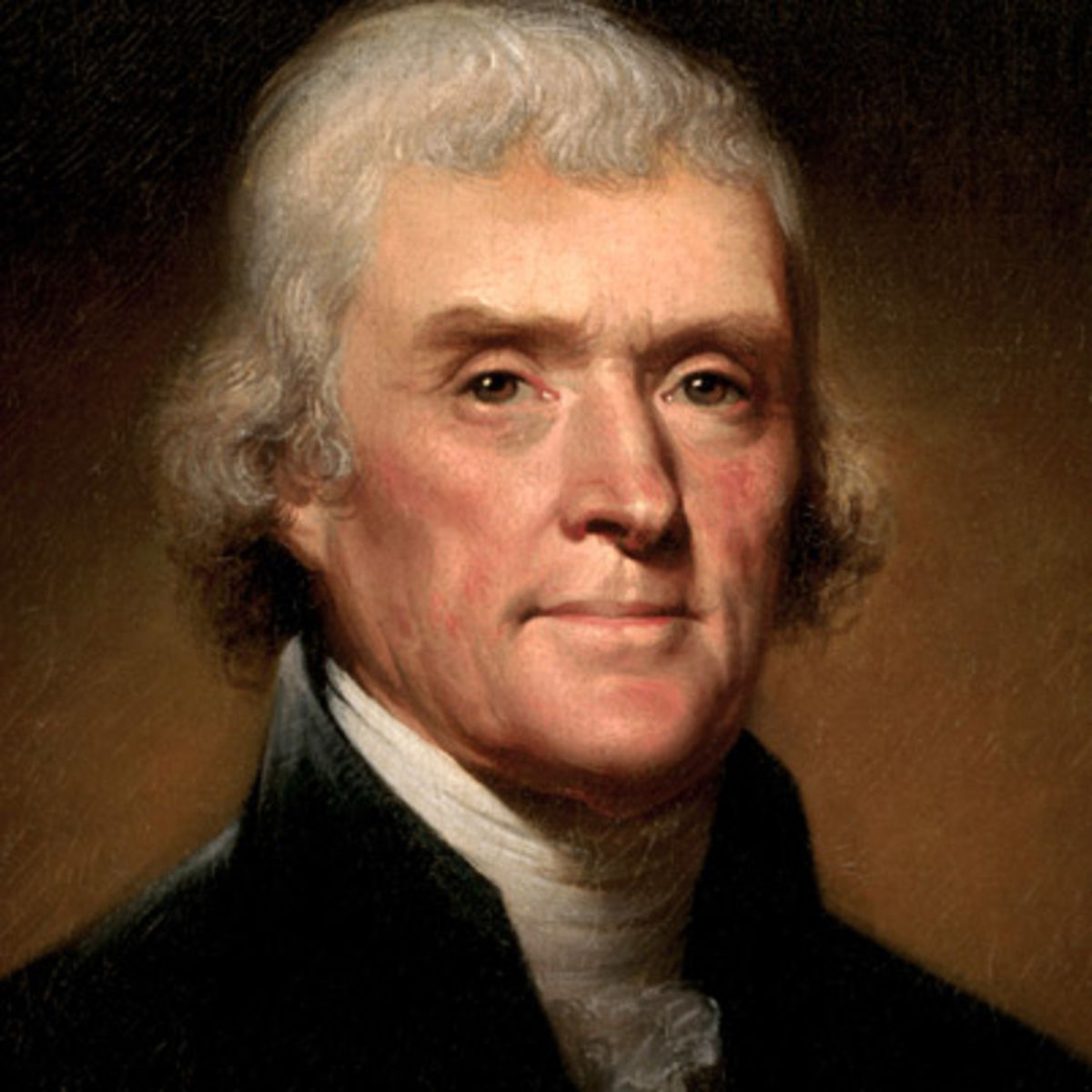
Which document would be an example of self-government?
Cato's Letters
Magna Carta
Bill of Rights
Mayflower Compact
Rome had this type of democracy where citizens would elect government official to represent their beliefs and make decisions on their behalf
Direct democracy
Representative democracy
Elective democracy
Roman democracy
Ancient Greece had a form of democracy in which the power to govern is directly in the hands of the people rather than elected representatives
Representative demcoracy
Direct democracy
Athenian democracy
Ancient democracy
the political belief that the best form of government is one where citizens choose their representatives and leaders and actively participate in civic life for the common good of the nation/community
Monarchy
Autocracy
Democracy
Republicanism
What influenced the United States to have a written constitution?
Ancient Rome
Magna Carta
Ancient Greece
Mayflower Compact
the right of people accused of crimes to have laws that treat them fairly, so that they cannot lose their life or freedom without having their legal rights protected
Rule of law
Due process
Equality of mankind
Natural rights
an amendment to the U.S. Constitution prohibiting Congress from establishing a religion, and from interfering with freedom of religious exercise, press, speech, assembly, or petition
1st
2nd
3rd
4th
a government that has been limited in power, such as by a constitution, or written agreement
Republican government
Representative government
Limited government
Roman government

