
 Worksheets
Understanding Elementary Shapes_1
Total questions: 25
Worksheet time: 14mins
Shapes are constructed using curves or lines.
True
False

Which of the following geometric elements can be observed in our surroundings?
A) Corners
B) Edges
C) Planes
D) Open curves
E) Closed curves
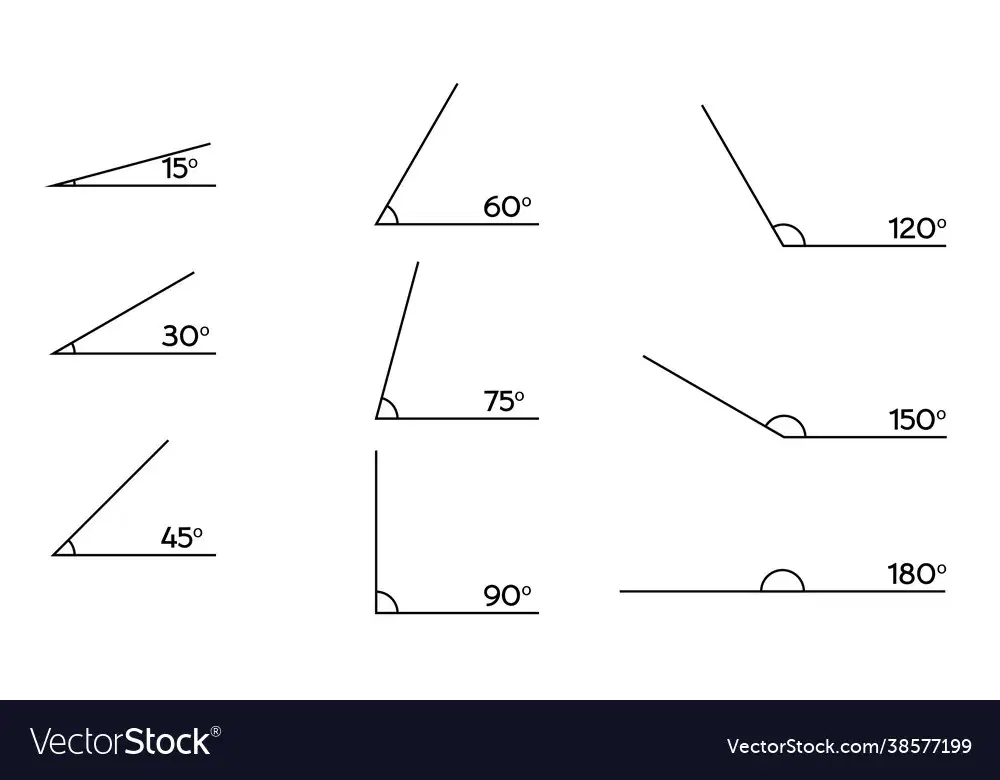
Corners can be organized into:
a) Line Segments
b) Angles
c) Triangles
d) Polygons e) Circles
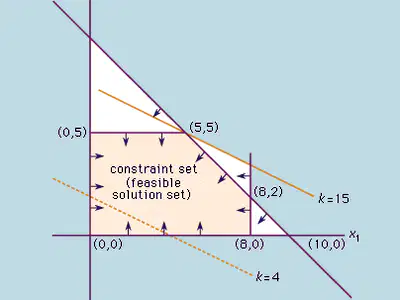
A triangle is made of (a) line segments.
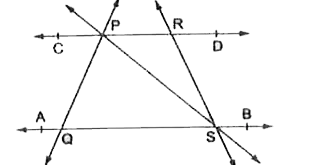
A quadrilateral of _______ line segments
one
two
three
four
five
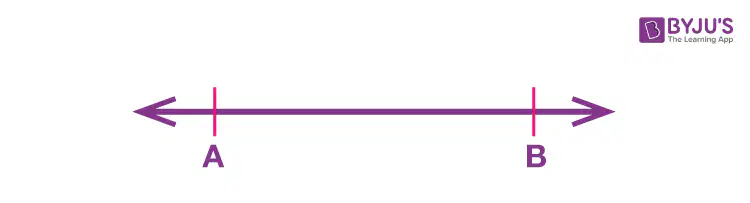
Wht is a line segment?
A point on a line.
A section of a line bounded by two points.
A curved shape in geometry.
A infinite unbounded line.

We cam measure a line segment because it is bounded by two distinct end points?
True
False
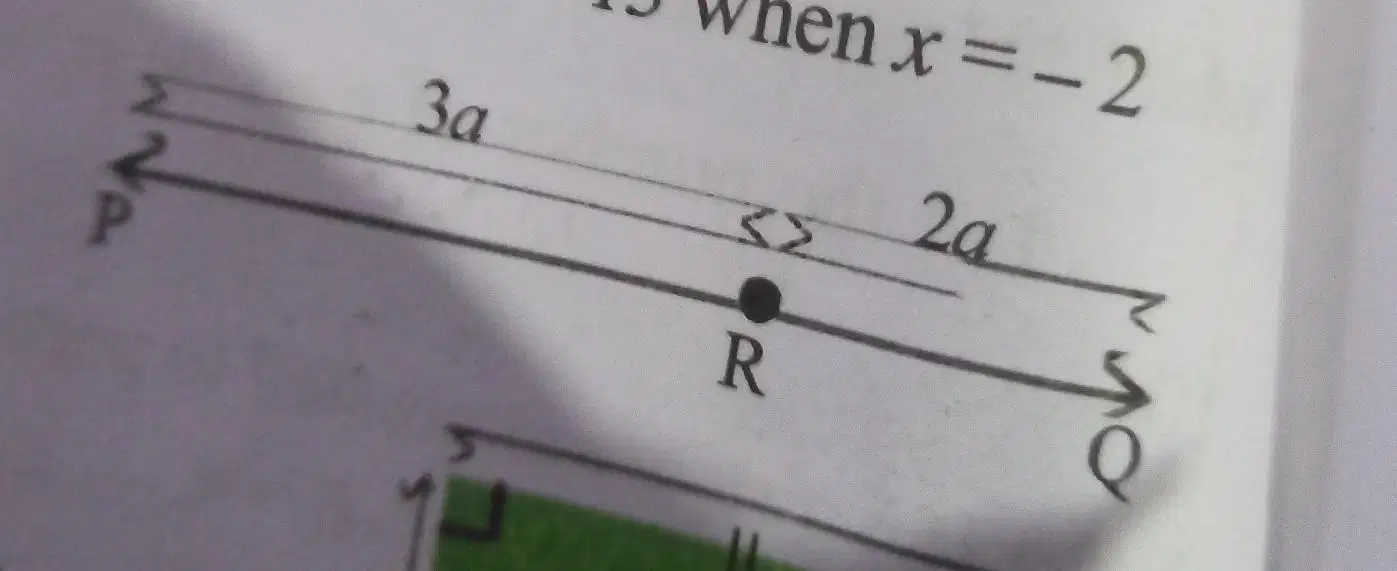
What is the unique number that represents the measure of each line segment?
Diameter
Circumference
Radius
Length

Can we compare line sgments on the basis of length?
Yes
No
By observation, can you always accurately determine which line segment is longer?
Yes
No
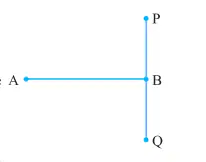
: In the example mentioned, which line segment appears longer when observed?
line segment AB
line segment PQ
cannot be determined by observation
What method can provide a more precise measurement of the length of line segments?
When comparing line segments visually, what factor can make it challenging to determine which one is longer?
he color of the line segments
The thickness of the line segments
The similarity in length between the segments
What can help you ensure accurate length comparisons when visual judgment is not enough?
Why is it important to use precise measurement methods when comparing line segments?
When comparing line segments using tracing, what do you do with the traced segment of CD?
Discard it
Place it on top of AB
Measure it with a ruler
What factor does the accuracy of the tracing method depend on?
What tools are used for comparing line segments using the ruler and divider method?
What tools are used for comparing line segments using the ruler and divider method?
How many millimeters make one centimeter?
If you want to write 2 centimeters in millimeters, how would you express it?
When measuring the length AB using a ruler, what does it mean when you read the mark against point B as "5.8 cm"?
The length of AB is 5.8 millimeters
The length of AB is 58 millimeters
The length of AB is 5.8 centimeters
What does "7.7 cm" mean in terms of length measurement?
7 centimeters and 7 millimeters
77 centimeters
0.77 centimeters
What is one potential source of error when measuring with a ruler, as mentioned in the text?
The ruler is too thin
The divisions on the ruler are too large
The thickness of the ruler may cause difficulties in reading the marks
To ensure a correct measurement with a ruler, where should your eye be positioned in relation to the mark on the ruler?
Any angle is acceptable
Slightly to the left of the mark
Vertically above the mark

