Worksheets
Mini Anthropology Review
Total questions: 11
Worksheet time: 16mins
Match the following suborders & superfamilies
Strepshirines
Lemuroidea
Strepshirines
Lorisoidea (Lorisiformes)
Haplorhines
Tarsioidea (Tarsiiformes)
Haplorhines
Catarrhini ("Old World")
Haplorhines
Platyrrhini ("New World")
Match the following
Lorisiformes
Africa & Asia
Lemurs
Madagascar
Tarsiiformes
Asia
Platyrrhini (New World monkeys)
South and Central America
Catarrhini (Old World monkeys & apes)
Africa & Eurasia
Match the following
Platyrrhini
Atelidae (howler monkey & spider monkey)
Platyrrhini
Cebidae (capuchin monkey)
Platyrrhini
Pithecidae (titi monkey)
Catarrhini
Hominoids
Catarrhini
Cercopithecoids
Characteristics of Strepsirrhines (Lemurs, Lorises, Galagos)
Tooth comb
Rhinarium ("dog like nose")
Grooming claw
Tapetum lucidum ("deer eyes")
Prehensile tails
Characteristics of Tarsiiformes
Haplorhine
Strepsirrhine
Tooth comb and tapetum lucidum ("deer eyes")
Vertical clingers and leapers
Nocturnal
Characteristics of Platyrrhini
"New World" monkey
"Old World" Monkey
South and Central America
Prehenile tail
2.1.2.3 dental formula
Characteristics of Catarrhini
"New World" monkeys
"Old World" monkeys and apes
Asia & Africa
2.1.2.3 dental formula
Flat noses with side-facing nostrils
Atelidae
Cebidae
Pithecidae
Hominoids
Cercopithecoids
Colobine
Cercopithecines
Hylobatidae
Hominadae
Orthgrade posture (can move arms above head)
Tailless
Unspecialized Y-5 molars
Y-Shape molars
Dental formula: 2.1.2.3
Dental formula: 2.1.3.3
Prehensile tails
Flat noses with side-facing nostrils
Asia and Africa
South and Central America
Bilophodont molars
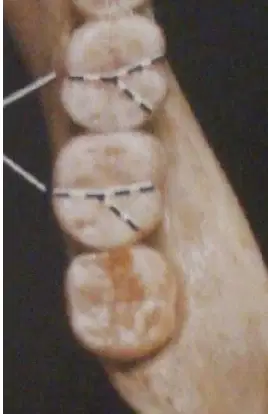
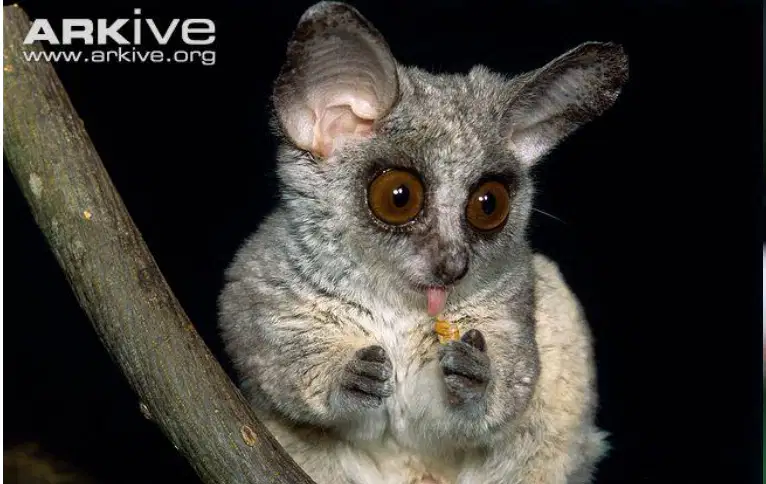
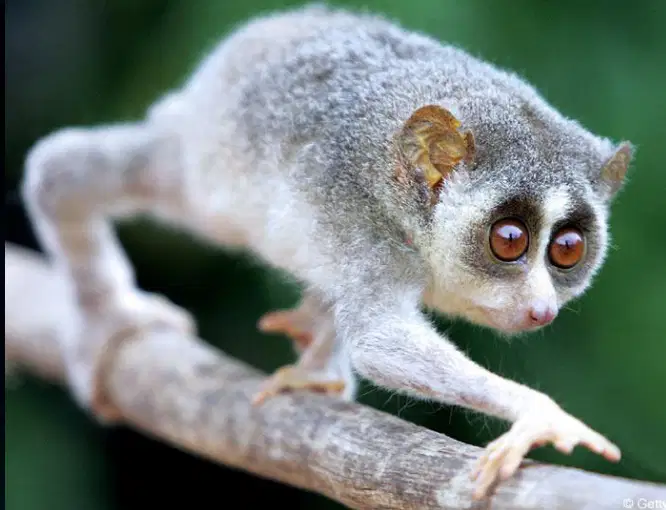
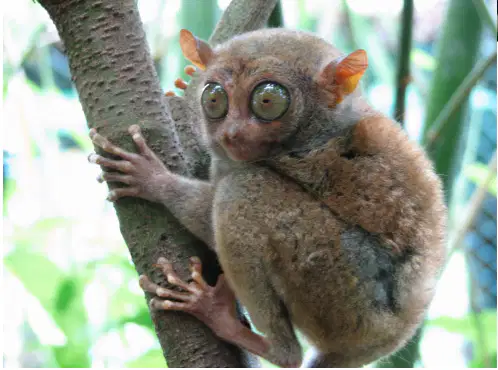
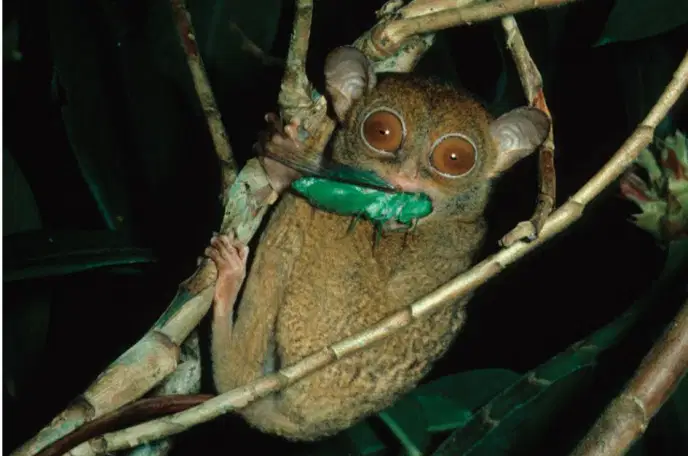
What primate is this?
Hominoid
Cercopithecoid
Tarsiiforme
Catarrhines have (a) , while Strepsirrhines and Platyrrhines have (b)