
 Worksheets
Chap 3+4 AB Drivers Learners Quiz
Total questions: 41
Worksheet time: 23mins

The yield sign for the blue car indicates that...?
The driver must ignore other vehicles
The driver must merge with traffic give the right-of-way to vehicles traveling in the left lane
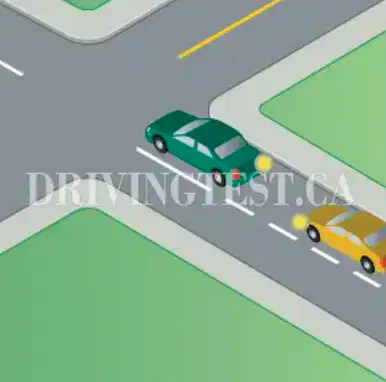
On a city street, the green car ahead of you is making a right turn. You may...?
Pass if you sound your horn
Pass on the left if there is a second lane, and you can do so safely
Pass on the right
Pass on the left
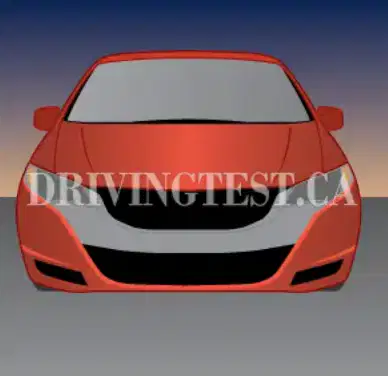
If your headlights fail you should...?
Slow down and pull off the road in a safe place
Turn on your hazard lights
All of these
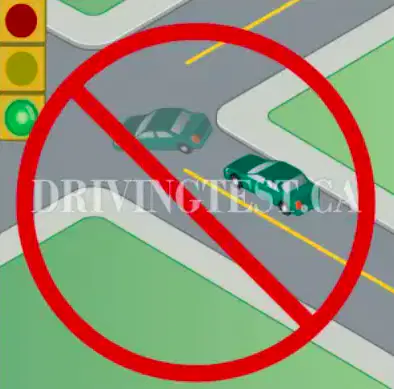
U-turns are not permitted in urban areas in which of the following situations?
At an intersection controlled by a traffic lights
On a roadway between intersections
Where a sign prohibits making a U-turn
All of these situations

Which three factors go into determining how long it takes to stop?
Braking Time
Perception Time
Reaction time
All answers are correct

If you are in a funeral procession, you may follow through an intersection controlled by a stop sign or a red signal without stopping. You must have your headlights on, and may only proceed...?
If you are not the lead vehicle
If all of these apply
If you are following immediately behind the vehicle ahead
If it is safe to do so
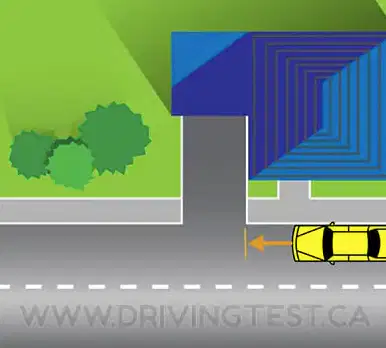
Do not park your vehicle...?
within 5 metres of an access to a garage, private roadway or driveway
within 12 metres of an access to a garage, private roadway or driveway
within 1.5 metres of an access to a garage, private roadway or driveway
within 10 metres of an access to a garage, private roadway or driveway
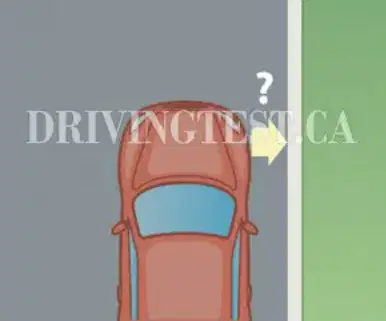
The law requires that the wheels of a parked vehicle are within what maximum distance from the curb?
20 cm
30 cm
40 cm
50 cm
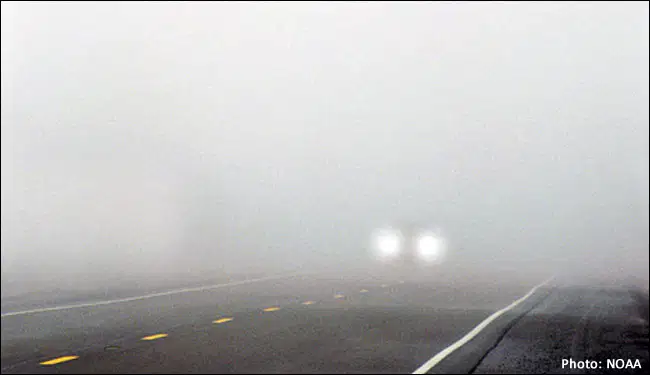
When driving in heavy fog, you should use...?
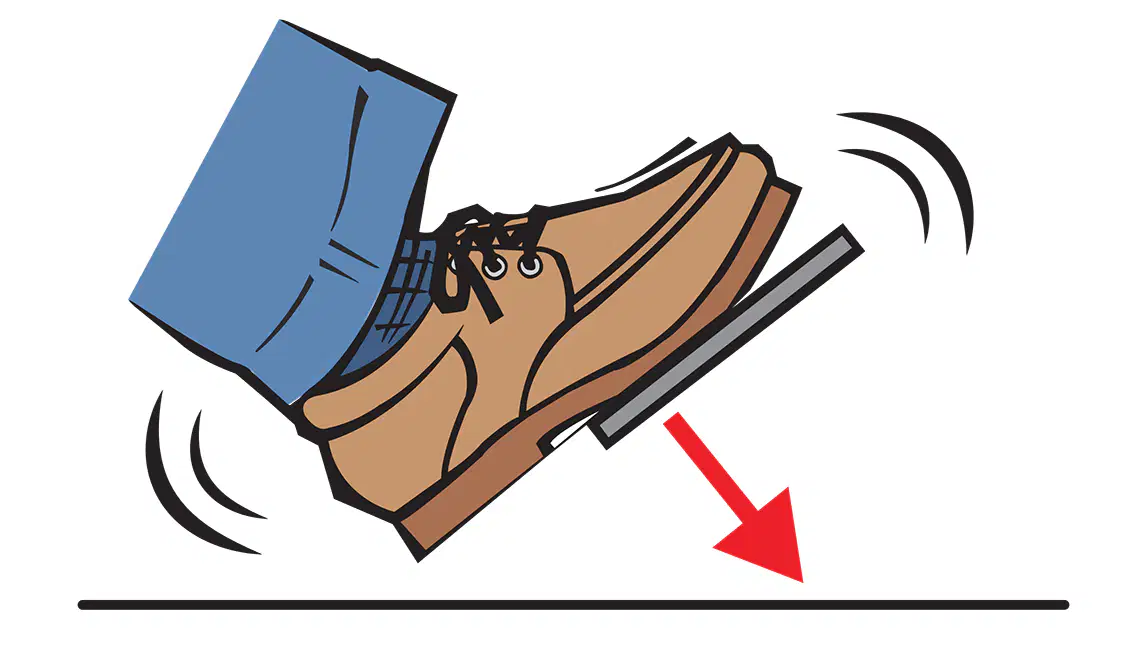
The key to emergency braking (also known as threshold breaking) is to:

Which of the following hand-and-arm signals is correct for slowing or stopping?
Arm out and up
Arm out and down
A circular motion
Arm straight out the window

Vehicles approaching a steady red traffic light may...?
Turn left without stopping
Drive straight through after coming to a complete stop
Turn left from a one-way street to a one-way street, after a complete stop, unless prohibited
Turn right without stopping

At an uncontrolled intersection (without traffic signs or traffic lights), you should...?
Yield the right-of-way to any vehicle approaching you
Yield the right of way to any vehicle that moving faster than you
Yield the right-of-way to any vehicle on your left
Yield the right-of-way to any vehicle on your right
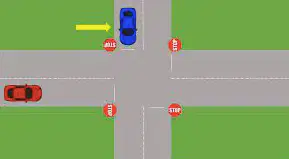
When two vehicles approach a four-way stop sign intersection at right angles to each other and at the same time:
The vehicle approaching from the left should be given the courtesy of proceeding first
Neither vehicle should have priority
The vehicle approaching from the right should be given the courtesy of proceeding first
The vehicle travelling fastest should have priority
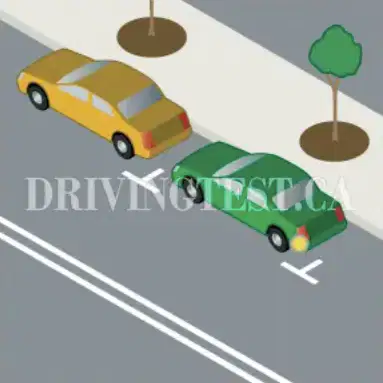
Before moving off from a parked position, you should...? :
Always signal and check for traffic, pulling out only when it is safe to do so
Signal and pull away from the curb
Sound your horn and pull away from the curb slowly
Check for other traffic, signal and pull away from the curb quickly
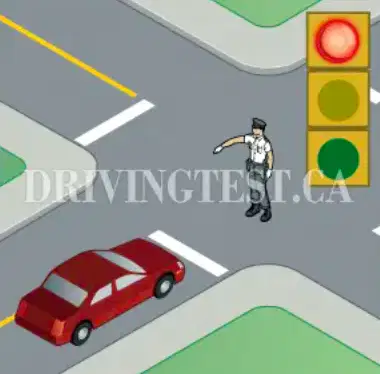
Directions given by a police officer overrule...?
Neither traffic signs or traffic signals
All traffic signs and signals
Traffic signs, but not traffic signals
Traffic signals, but not traffic signs
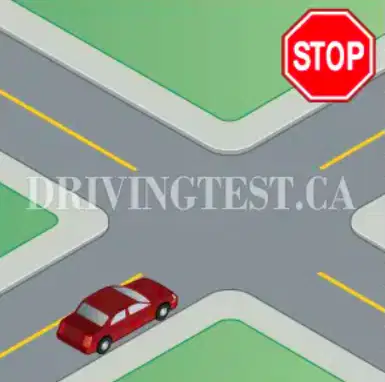
If there is no stop line or marked crosswalk at an intersection, you must stop within how many metres of the intersecting roadway?
1
2
3
5

How close may you legally park to a fire hydrant?
1m
3m
4m
5m

When parking facing downhill you should...?
Leave your front wheels parallel to the curb
Just set your parking brake
Turn your front wheels towards the curb or right shoulder
Turn your front wheels to the left and set your parking brake
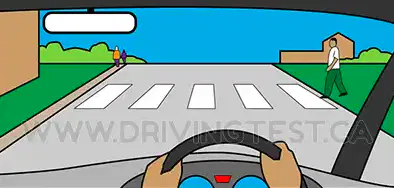
When a pedestrian has indicated their intention to cross the street...?
You should reduce speed and go straight through with care
You must stop your vehicle before entering the crosswalk and allow the pedestrian to cross
Warn the pedestrian to stop and proceed with care
You can proceed provided you sound your horn

If a vehicle is equipped with ABS (anti-lock breaking system) and a driver needs to perform emergency braking, s/he should...?
Apply steady light pressure to the brake pedal
Apply steady firm pressure to the brake pedal
Alternate between hard and light pressure on the brake pedal
Pump the brake pedal until a complete stop is achieved
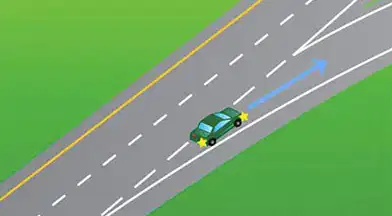
When you wish to take the next exit on a highway, the correct procedure is to...?
Signal, move into the exit lane, slow down
Slow down, signal, move into the exit lane
Slow down, move into the exit lane, and signal
Signal, slow down, move into the exit lane

If your vehicle comes equipped with an airbag system, Transport Canada recommends that you should position yourself at least...?
15 centimeters from the steering wheel
25 centimeters from the steering wheel
35 centimeters from the steering wheel
10 centimeters from the steering wheel

What is the best way to ensure that there are no vehicles or cyclists in your blind spot?
Make a shoulder check
Check the rear view mirror
Sound the horn
Give the correct signals
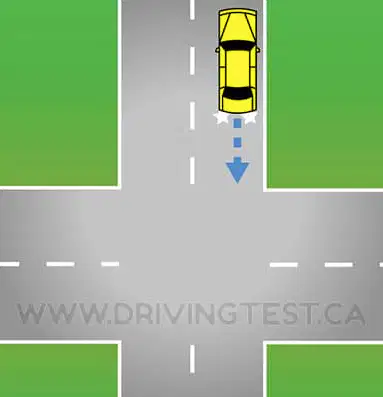
Is a motor vehicle operator permitted to back a vehicle into an intersection or a crosswalk in an urban area (city, town or village)?
Yes
Yes provided proper signals are made
Only when there is no traffic
No
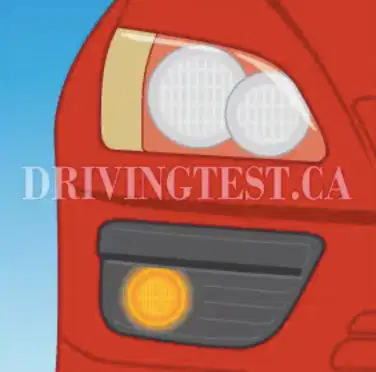
You must signal when...?
Turning
Moving from the curb or parking lane
Changing lanes
Doing any of these things
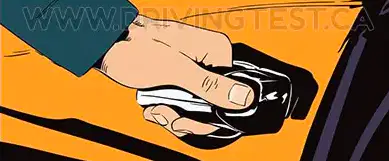
Before entering your vehicle, walk around it to check for...?
Pedestrians
Oncoming traffic
Children
All of these things

When you are preparing to make a right turn, you should shoulder check to...?
Make sure another vehicle is not behind you
Make sure you are in the proper lane
Make sure another vehicle is not beside you
Make sure another vehicle is not ahead of you
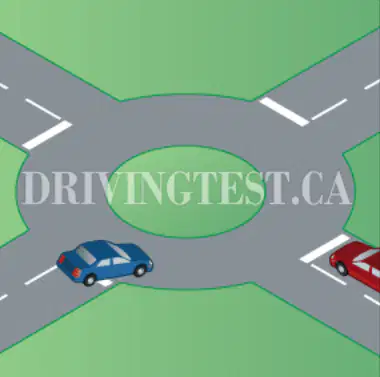
In a traffic circle...?
The vehicle on the left must yield to the vehicle on the right
All must yield
No one yields
The vehicle on the right must yield to the vehicle on its left
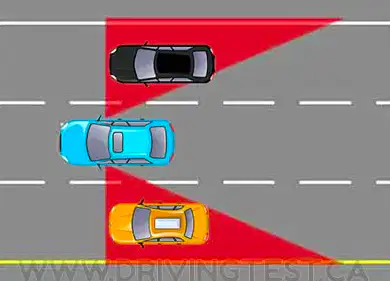
When you cannot see a vehicle in your rear and side-view mirrors it is said to be in your...?
Danger zone
Blind spot
Dark zone
Safe spot
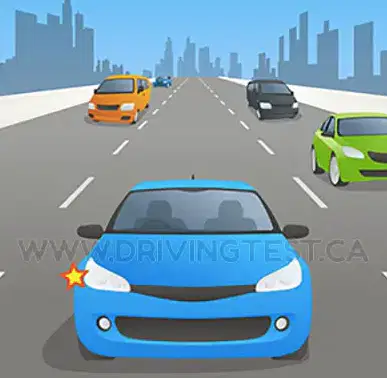
When moving from one lane to another, you must...?
All answers are correct
Make sure lane changing is allowed
Check for traffic by using your rearview and side mirrors
Check your blind spot and turn on the correct turn signal

During poor weather conditions such as rain, snow, smoke and fog, use your headlights on...?
Either
High beam
Do not turn on headlights
Low beam

Unless otherwise indicated, when entering the main street from a road, alley, driveway, or parking lot you must...?
Look both ways for pedestrians and vehicles
Sound your horn and proceed with caution
Give a hand signal then take right-of -way
Stop before entering
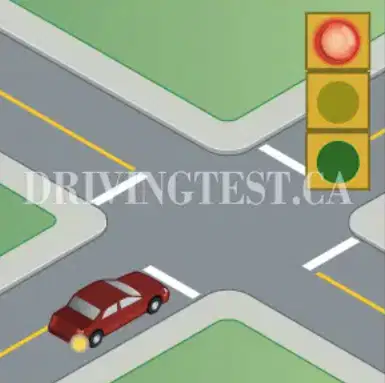
It is legal to make a right turn on a red light...?
Never
By driving straight through
Only on one-way streets
After coming to a full stop
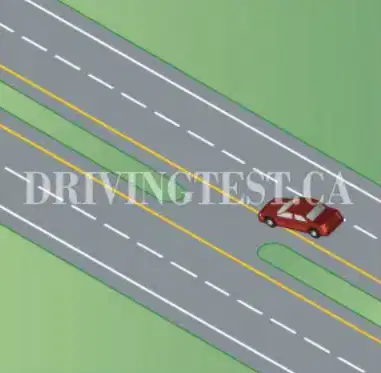
When is it legal to do a u-turn outside urban areas?
During day time only
On a curve
When you can do it safely and without interfering with other traffic
Never
Shoulder checking means:
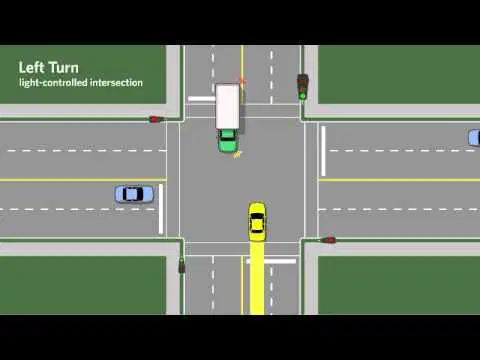
A driver attempting to turn left at a steady green traffic light:
Has the right-of-way over oncoming traffic
Must stop before the pedestrian crosswalk line, then proceed
Has the right-of-way over pedestrians
Must not cross the path of an approaching vehicle unless it is safe
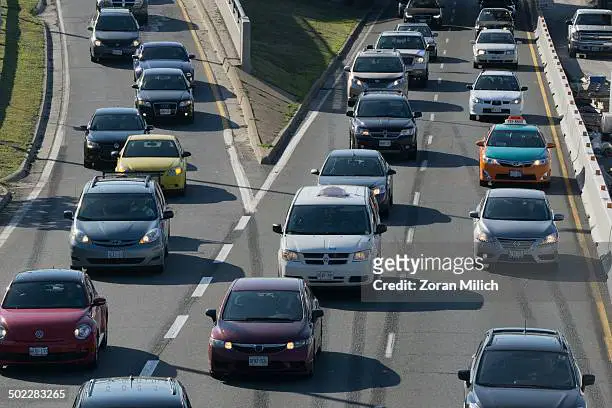
A “Weave Zone” (merging lane) is best described as:
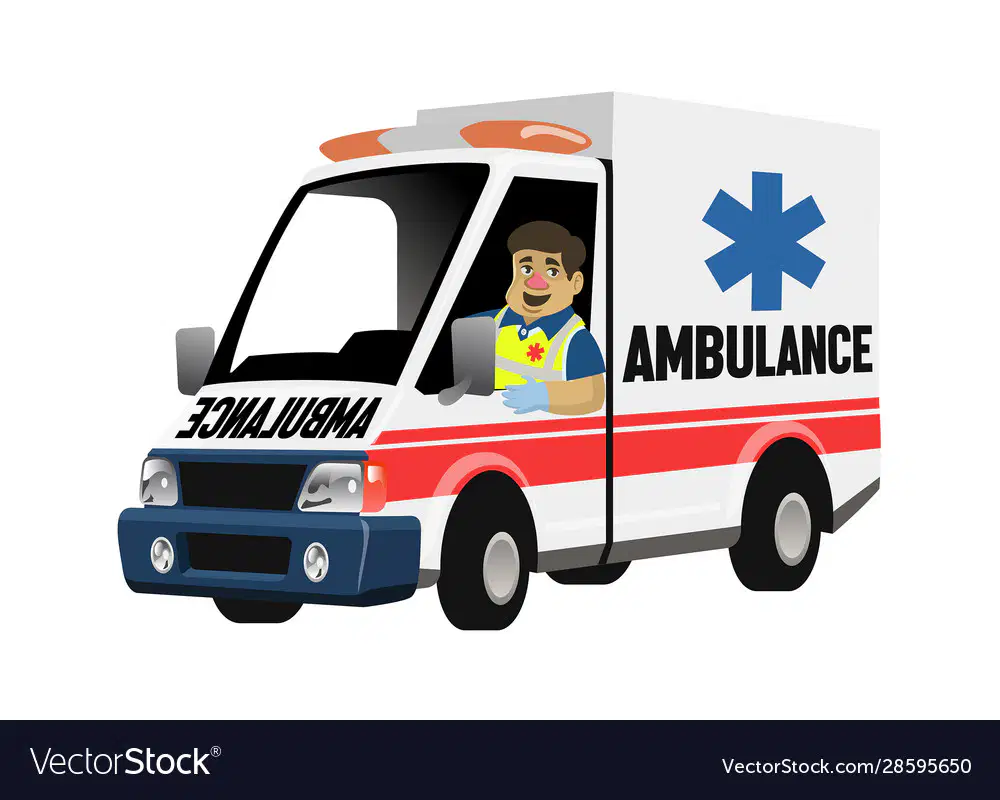
When a driver’s vehicle is approached by an emergency vehicle sounding a siren, from
any direction on a two-way road, the driver must:
Continue at a reduced speed and allow sufficient space for the emergency vehicle to
pass
Turn on their four-way hazard lights
Stop only when the emergency vehicle has difficulty in passing
Drive as close as possible to the right curb or edge of the road and stop
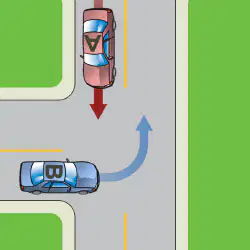
When two vehicles approach an uncontrolled “T” intersection at right angles to each
other at approximately the same time:
The vehicle on the left must yield the right-of-way
The vehicle on the left has the right-of-way
The vehicle going straight through always has the right-of-way
Both vehicles must stop

How close can a driver legally park a vehicle to a Stop sign?
10 m
5 m
3 m
1 m

