Wayground logo

Free Printable Worksheets

Font size

S
M
L
XL
Worksheets

Unit Test: Biomes, Succession & Biodiversity

Total questions: 30

Worksheet time: 32mins

Name
Class
Date
1.
A biome is cold, treeless and permanently frozen. Which type of biome is it?
a)
Tundra
b)
Taiga
c)
Alpine
d)
Chaparral
2.
Which of the following is an example of climate?
a)
There is a cold front coming in this weekend
b)
A snowstorm is forecasted to hit the northeast US this week
c)
It is usually hot in Texas in July
d)
It rained 4 inches last week in Seattle, WA
3.
Sea otters feed on sea urchins and help maintain their marine ecosystems by preventing sea urchins from overfeeding on kelp. Sea otters are an example of a(n)
a)
keystone species
b)
indicator species
c)
pioneer species
d)
secondary species
4.
Because frogs absorb both oxygen and toxins through their skin, they are very sensitive to air and water quality. This makes them an excellent
a)
keystone species
b)
indicator species
c)
pioneer species
d)
primary species
5.
Which of the following is NOT true about mangrove trees?
a)
their leaves excrete excess salt from brackish (mixture of salt and fresh) water
b)
their large roots cause erosion
c)
their roots provide shelter for fish and shark species
d)
mangroves trees are threatened by tourism and shrimp farming
6.
Which of the following is NOT an example of secondary succession?
a)
Vegetation growing after a hurricane has destroyed a patch of land
b)
Trees regrowing after deforestation
c)
The recolonization of an area that has been burned by forest fire
d)
The growth of lichens on a newly created volcanic island
7.
____________________ are the first organisms to colonize an area and begin the process of ecological succession.
a)
foundational organisms
b)
introductory organisms
c)
primary organisms
d)
pioneer species
8.
Which of the following is NOT a type of biodiversity?
a)
species
b)
genetic
c)
ecosystem
d)
individual
9.
Why do the populations of invasive species grow so quickly?
a)
Invasive species are native to an area
b)
Invasive species are prey to many animals
c)
Invasive species have no predators
d)
Invasive species keep the ecosystem in equilibrium
10.
A small measured area in a forest has 10 individuals present. Each of these individuals is a different species. Which is true about the biodiversity index of this area?
a)
The biodiversity index is 0.1
b)
The biodiversity index is low
c)
The biodiversity index would be higher if there were fewer species among the individuals
d)
The biodiversity index is 1
11.
An organism has been introduced into a thriving ecosystem and it reproduces quickly because a predator does not recognize it as prey. The organism is most likely a(n):
a)
Transect species
b)
Invasive species
c)
Pioneer species
d)
Primary species
12.
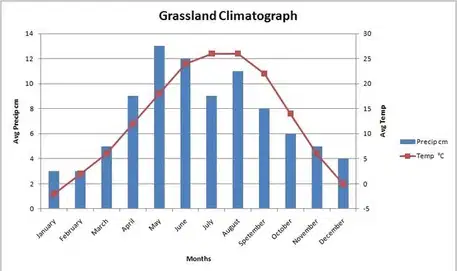
What two measurements are found on a climatogram?
a)
temperature in C and temperature in F
b)
rainfall and vegetation types
c)
temperature and number of species
d)
rainfall and temperature
13.
Which of the following is true about vegetation in a biome?
a)
A) It can decrease the albedo in an area.
b)
B) It can increase the overall temperature in an area.
c)
C) The biodiversity can be affected by climate change.
d)
Both A & B are correct.
e)
Both A & C are correct.
14.
When drawing a food web, arrows represent
a)
which prey is being eaten by a specific predator.
b)
the flow of energy from one organism to another.
c)
the trophic level of a certain species.
d)
the habitat in which an organism lives.
15.
What is formed during primary succession that doesn't need to be formed during secondary succession?
a)
pioneer species
b)
soil
c)
climax community
d)
lichens
16.
After a forest fire, an ecosystem would start regrowth through
a)
primary succession
b)
secondary succession
c)
climax community
d)
limiting factors
17.
What do we call the variety of life in an ecosystem?
a)
Producer
b)
Biology
c)
Biodiversity
d)
Keystone Species
18.
What is the relationship between a keystone species and its ecosystem
a)
A keystone species is always the top predator in an ecosystem.
b)
A keystone species is essential to maintain balance and biodiversity in its ecosystem.
c)
A keystone species provides energy to all other organisms in the ecosystem.
19.

Match the following biome with it's correct description

a)

1.

hot & dry, mild winters, fire & drought

b)

2.

four distinct seasons, many trees

c)

3.

dry, temperature extremes, few plants
d)

4.

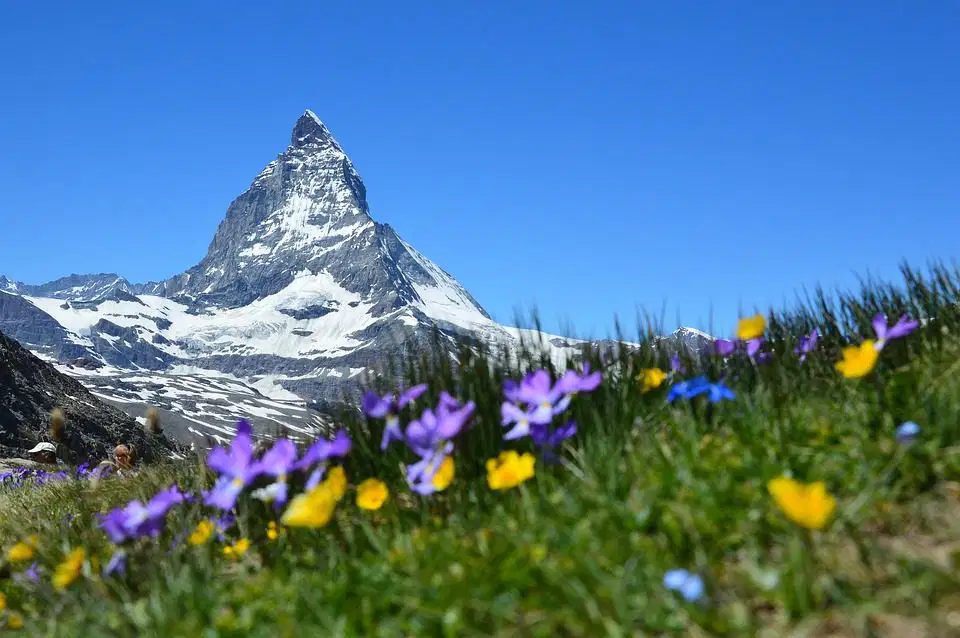
mountainous, cold, small vegetation

e)

5.

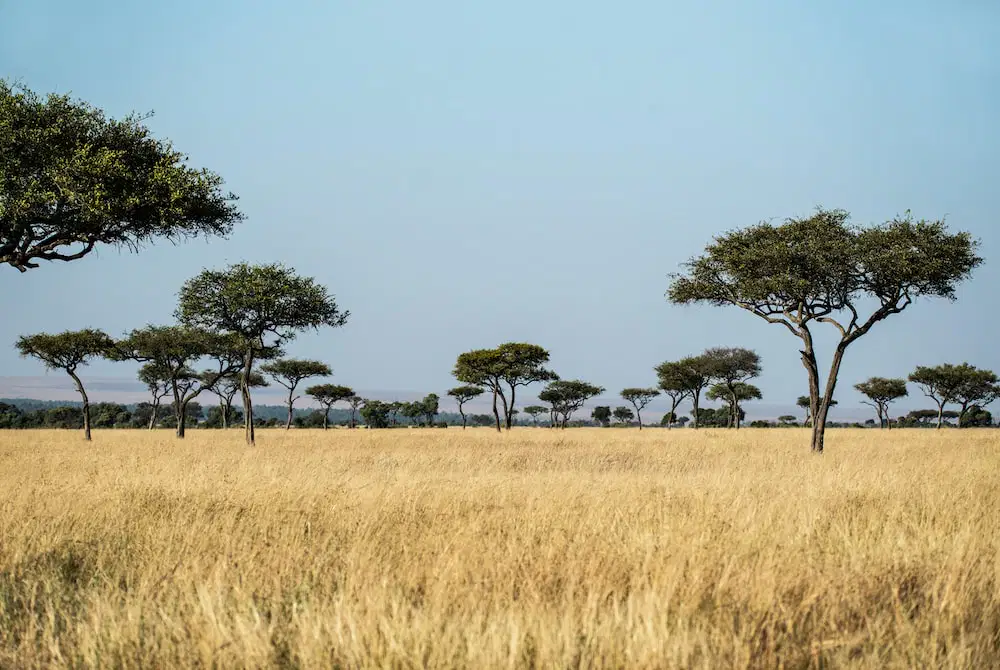
grasses dominant vegetation, tropical
20.
What is an example of a pioneer species in primary succession?
a)

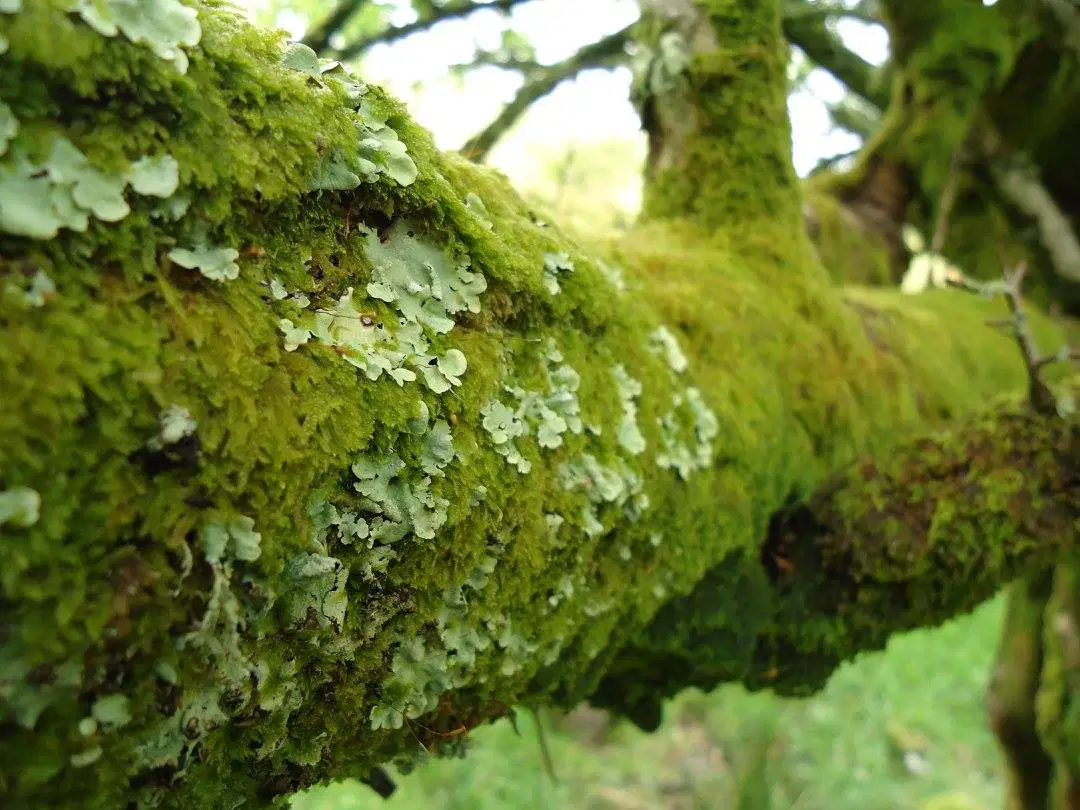
a) lichens

b)

b) mosses

c)

c) grasses

d)
both a and b
21.
Abiotic factors include all of the following except...
a)
water
b)
soil
c)
sunlight
d)
plants
22.

An organism whose presence, absence or abundance reflects a specific environmental condition:

a)

keystone species

b)

exotic species

c)

indicator species

d)

native species

e)

endangered species

23.

Species that is NOT native to a specific location AND has a tendency to spread/damage the environment:

a)

native species

b)

invasive species

c)

endemic species

d)

exotic species

e)

extinct species

24.

Species that are crucial to the functioning of an ecosystem

a)

keystone species

b)

exotic species

c)

invasive species

d)

indicator species

e)

endangered species

25.

Species that normally lives and thrives in a particular area.

a)

keystone species

b)

endangered species

c)

native species

d)

indicator species

e)

extinct species

26.

Biodiversity means..

a)

The variety of life in an ecosystem

b)

How an ecosystem changes over time

c)

Differences among humans

d)

Diversity of a select few species in a deserted area

27.

How does the introduction of invasive species threaten biodiversity?

a)

By promoting genetic diversity

b)

By competing with native species for resources

c)

By increasing the number of predators

d)

By improving the quality of the soil

28.

What is another word for "albedo?"

a)

Reflectivity

b)

Absorption

c)

Solar energy

d)

Surface temperature

29.

Which type of surface would have the highest albedo?

a)

Forest

b)

Snow

c)

Water

d)

Rock

30.

The introduction of a non-native, or ​ (a)   species, like the Zebra mussel, is problematic because these species may ​ (b)   with native species and reduce ​ (c)   .

Choose from the below words
invasive
compete
biodiversity
reproduce